



Executive Overview
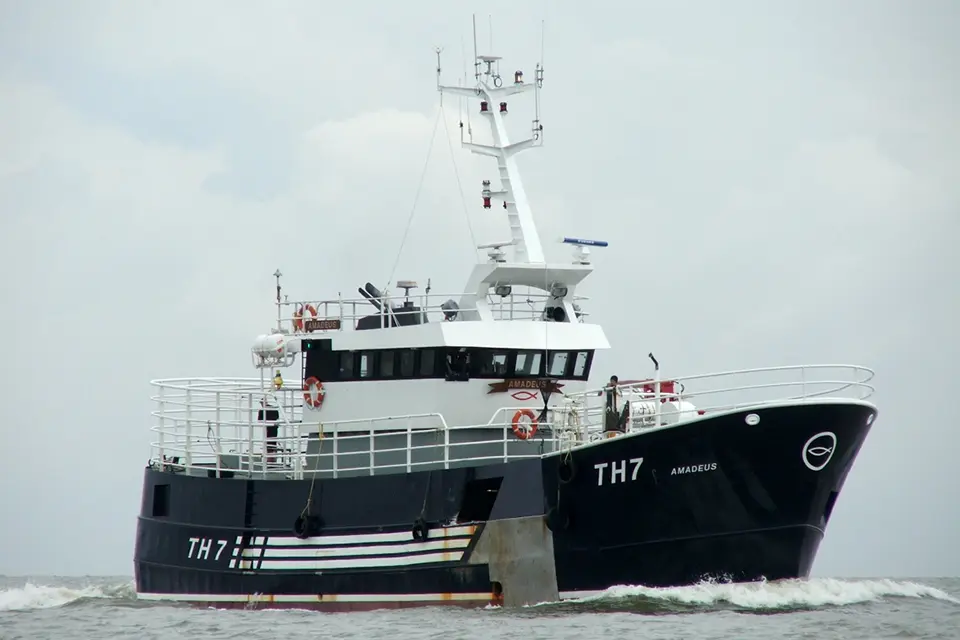
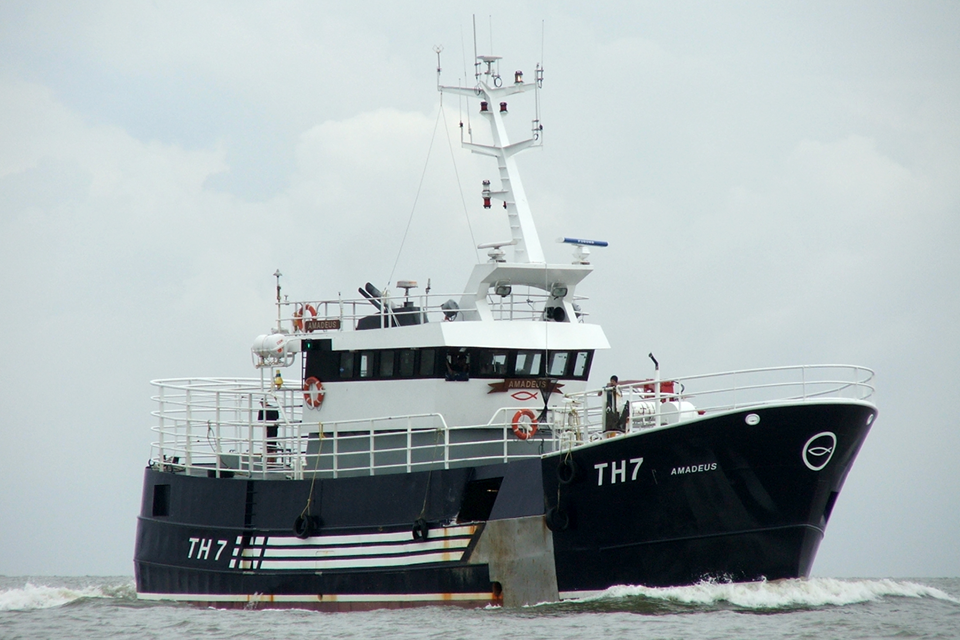
On December 13, 2023, the cold, unforgiving waters of the German Bight in the North Sea claimed the life of a young deckhand aboard the crab potting vessel Amadeus (TH7). What began as a standard operation in the punishing environment of winter commercial fishing turned fatal in a fraction of a second, when the combination of relentless physical strain, severe fatigue, and an unstable working platform culminated in a fatal fall overboard.
Months later, the release of the official accident investigation report by the Marine Accident Investigation Branch (MAIB) has brought this tragedy back into the public eye, transforming it from a localized maritime incident into a profound indictment of systemic safety failures within the fishing sector. Led by Chief Inspector of Marine Accidents Rob Loder, the investigation cuts through the normalized dangerousness of the industry, challenging the fatalistic mindset that treats exhaustion and loss of life as acceptable occupational hazards.
This comprehensive report examines the sequence of events that led to the tragedy aboard the Amadeus, explores the grueling human and structural factors that contributed to the accident, analyzes the broader metrics of safety in modern commercial fishing, and weighs the urgent recommendations issued by maritime authorities to protect crews facing the relentless demands of the sea.
Detailed Chronology: The Final Hours Aboard the Amadeus
While the complete narrative of the voyage is detailed within the formal MAIB investigative documentation, the operational context surrounding the fatal incident highlights the dangerous convergence of environmental adversity and human physiological limits.
The Winter Theater: The German Bight
The North Sea during the month of December is notoriously hostile. Characterized by freezing temperatures, unpredictable squalls, short daylight hours, and heavy swells, the German Bight presents a punishing theater for commercial fishing operations. For vessels engaged in crab potting—an inherently labor-intensive enterprise requiring the constant deployment, retrieval, hauling, and resetting of heavy steel and mesh traps—the winter season demands extraordinary physical exertion.
The Buildup to the Incident
In the weeks leading up to December 13, 2023, the crew of the Amadeus had been operating under intense pressure. Commercial fishing is dictated by market demands, weather windows, and economic necessity, which frequently forces vessel operators and crews to push through deep physical fatigue.
On the day of the incident, the Amadeus was navigating rough winter seas. The deckhand, whose youth and vigor were no match for the accumulated sleep deprivation of weeks at sea, was engaged in the routine yet perilous task of hauling heavy pots. This operation required him to repeatedly lean out over the vessel’s low freeboard and open side deck, bracing against the rolling deck while wrestling heavy gear saturated with seawater.
The Fatal Lurch
The accident itself occurred in the blink of an eye. According to investigators, the vessel experienced a sudden, violent lurch as it crested or trough-ed a heavy North Sea swell. The deckhand, already operating at the absolute limit of his physical endurance, lacked the split-second restorative reflex required to maintain his footing. Leaning over the side at the exact moment of the vessel’s destabilizing roll, he was pitched headlong into the icy water.
Despite immediate awareness of the man-overboard situation and subsequent recovery efforts by the crew, the combination of thermal shock, the heavy winter clothing required for North Sea operations, and the treacherous sea conditions proved fatal. The loss of the young deckhand sent shockwaves through the maritime community, prompting an immediate, rigorous investigation by marine safety authorities.
Supporting Context & Metrics: The Human Toll of Commercial Fishing
To understand the tragedy of the Amadeus, one must examine the broader statistical and cultural landscape of the commercial fishing industry. For decades, commercial fishing has consistently ranked as one of the most hazardous occupations in the world.
The Statistics of Peril
According to global maritime safety data, commercial fishermen face fatality rates exponentially higher than those found in standard land-based industries such as construction, manufacturing, or agriculture. Within these grim statistics, "man overboard" (MOB) incidents represent one of the leading causes of death at sea.
- The Fall Factor: Unlike deck accidents involving machinery or rigging, a fall overboard introduces immediate, compounding hazards: the trauma of the fall itself, the disorienting impact of cold-water shock, the rapid onset of hypothermia, and the immense mechanical difficulty of recovering an unresponsive or exhausted adult from a surging ocean onto a rolling vessel.
- Cold-Water Shock: In the German Bight in December, sea temperatures hover near single digits. Unprotected immersion triggers involuntary gasping, hyperventilation, massive spikes in blood pressure, and cardiac arrest within minutes—long before hypothermia officially sets in.
The Normalization of Fatigue
The core finding of the Amadeus investigation points not merely to a rogue wave or an unfortunate misstep, but to a deeper, more insidious hazard: fatigue.
In many sectors of the commercial fishing fleet, long hours, irregular watch systems, and continuous physical labor are viewed as badges of honor or unavoidable realities of the business. Regulatory frameworks regarding working hours and mandatory rest periods (such as the Maritime Labour Convention or domestic equivalents) are frequently difficult to enforce on smaller independent vessels. Crew sizes are often kept to a bare minimum to maximize profitability, meaning that when work needs to be done, every available hand must be on deck, regardless of how many consecutive hours they have been awake.
When a human being is subjected to chronic sleep deprivation, cognitive function, reaction times, balance, and situational awareness degrade significantly. The deckhand aboard the Amadeus was not simply unlucky; he was operating in an environment where exhaustion was allowed to become an unacknowledged crew member, silently eroding his safety margins until a single wave tipped the balance.
Official Statements: A Call to Action from Maritime Authorities
The release of the MAIB report was accompanied by strong, uncompromising language from the highest levels of maritime safety administration. Chief Inspector of Marine Accidents Rob Loder refused to let the incident be filed away as an unavoidable maritime mishap.
"This accident must not be dismissed as yet another fatal man overboard from a fishing vessel. In the blink of an eye, a young man lost his life doing a task many in the industry would consider routine — but there was nothing routine about the physical toll it took. After weeks of demanding work and inadequate rest, he was hauling heavy pots in rough winter seas, repeatedly leaning over the vessel’s side in an exhausting and unstable task, until one violent lurch was enough to send him overboard."
— Rob Loder, Chief Inspector of Marine Accidents
Loder’s statement serves as a direct challenge to the fatalistic culture that has historically plagued maritime trades. By explicitly calling out the physical toll and the dangerous normalization of overwork, the MAIB has shifted the analytical lens from what the deckhand did wrong at the moment of the fall to why the system permitted him to be in such a vulnerable state in the first place.
"Exhaustion must not become simply part of the job. This accident is a stark reminder that, without effective safeguards, this could happen to any crew member."
— Rob Loder
In tandem with the formal investigation report, the MAIB has published a targeted safety flyer to the fishing industry. This educational and preventative document is designed to be distributed directly to vessel owners, skippers, and deckhands, highlighting practical measures to identify, manage, and mitigate the risks of fatigue and overboard falls.
Future Outlook: Reforming Safety Culture in the Fishing Fleet
The tragedy of the Amadeus must serve as a watershed moment for the commercial fishing industry. Moving forward, preventing similar loss of life requires a multi-pronged approach involving regulatory oversight, technological innovation, and a fundamental shift in onboard operational culture.
1. Re-Evaluating Rest and Crew Management
Vessel owners and skippers can no longer treat crew fatigue as an acceptable cost of doing business. Implementing realistic watchkeeping schedules, ensuring adequate uninterrupted rest periods—particularly during heavy weather operations—and maintaining sufficient crew complements to share the physical burden are non-negotiable steps toward modern safety management. Regulatory bodies must also enhance port-state and domestic inspections to ensure that fatigue management guidelines are actively enforced, rather than treated as voluntary suggestions.
2. Engineering Out the Risk
While operational procedures are vital, human beings will always be vulnerable to error and exhaustion. Therefore, engineering controls must take precedence on deck:
- Physical Barriers: The design of crab potting and longline vessels must increasingly incorporate higher bulwarks, movable safety rails, gates, or harness anchor points that prevent crew members from leaning over open sides during heavy hauling operations.
- Personal Fall Protection: The widespread adoption of lightweight, ergonomic harness systems tethered to secure jacklines can physically prevent a deckhand from entering the water even if they lose their footing or experience a wave-induced lurch.
3. Improving Man Overboard Detection and Recovery
Technology has advanced significantly in personal locator beacons (PLBs) and automatic identification system (AIS) man-overboard devices. Every crew member operating in high-risk environments like the North Sea must be equipped with integrated personal safety transmitters that automatically alert the vessel’s navigation system and trigger alarms the moment a crew member hits the water. Furthermore, vessel recovery equipment—such as specialized hoisting gear and boarding ladders—must be maintained, tested, and tailored for rapid deployment by reduced crews.
4. Changing Industry Culture
Ultimately, the most difficult change to effect is cultural. The fishing industry prides itself on resilience, self-reliance, and toughness. However, a culture that discourages crew members from voicing concerns about exhaustion or unsafe working conditions is a lethal culture. Skippers and vessel operators must foster an environment of open communication where any crew member feels empowered to halt an operation if fatigue or weather conditions have compromised their safety margins.
Conclusion
The loss of the deckhand aboard the Amadeus (TH7) on December 13, 2023, is a sobering tragedy that reverberates far beyond the waters of the German Bight. It exposes the brutal intersection of human physical limitations and the unforgiving demands of commercial marine harvesting. By confronting the uncomfortable truths regarding chronic fatigue, inadequate safety safeguards, and industry normalization of danger, the maritime community honors the memory of the young man lost.
As the MAIB report and its accompanying safety flyers circulate through ports and fleets across Europe and beyond, the ultimate test of this tragedy will be measured in lives saved. If vessel owners, skippers, and regulators heed the urgent warnings issued by Chief Inspector Rob Loder, the sacrifice of the Amadeus deckhand may yet serve as the catalyst that permanently alters the safety landscape of modern commercial fishing.