











Executive Overview
For millions of travelers across the globe, Canada’s Banff National Park represents the gold standard of alpine wilderness. Boasting jagged, snow-capped peaks, mesmerizing emerald lakes fed by ancient glaciers, and a pristine ecosystem teeming with wildlife, Canada’s oldest national park draws over four million visitors annually. However, this staggering influx of global tourism has ushered in an era of complex environmental, logistical, and cultural challenges for park administrators.
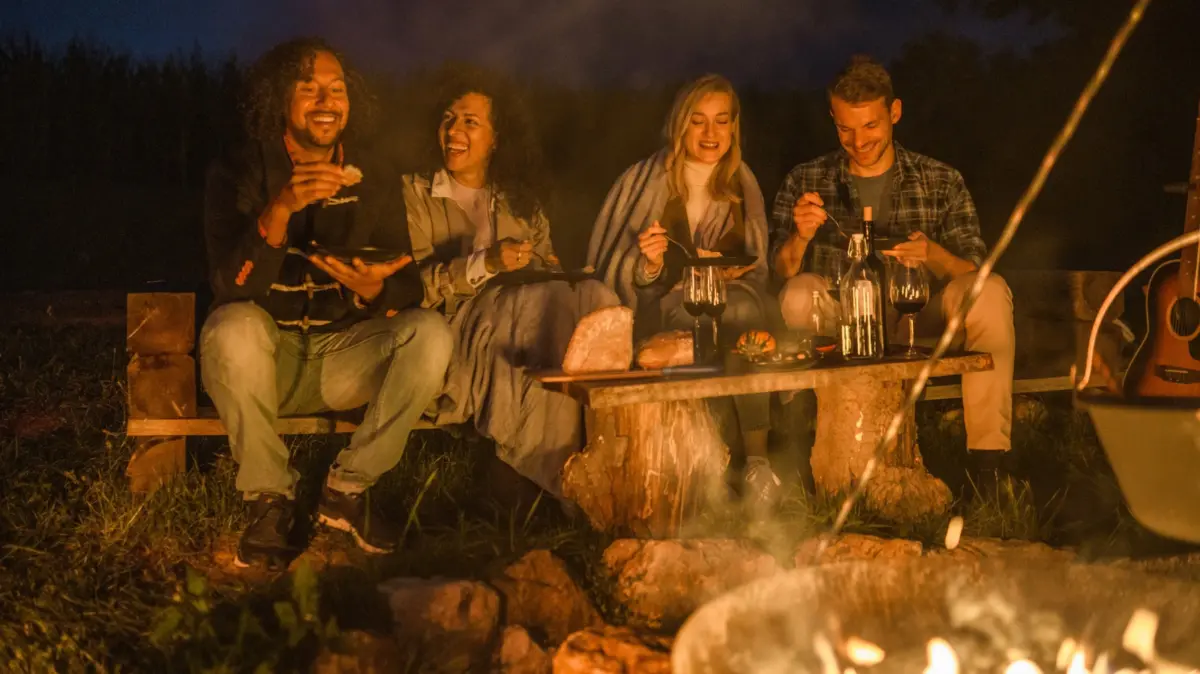
Chief among these concerns is the preservation of public safety and the natural tranquility of the backcountry. In response to rising incidents of rowdiness, excessive noise, and inappropriate behavior during peak holiday periods, Parks Canada implemented strict regulations prohibiting both alcohol and cannabis across campgrounds within the park during major summer long weekends. Encompassing key periods like Victoria Day, Heritage Day/BC Day, and Labour Day, these sweeping bans represent a definitive shift away from a "party culture" in the wilderness toward a family-friendly, conservation-first mandate.
While the policy has drawn mixed reactions from campers accustomed to cracking open a cold beer by the evening campfire, it underscores a broader, global movement among national park systems: balancing public access with aggressive environmental stewardship and visitor management. As tourists look toward future travel planning, understanding these regulations is crucial to avoiding severe penalties—which can include heavy fines and immediate eviction from the park.
Detailed Chronology: The Evolution of Banff’s Campground Regulations
To understand how Banff National Park arrived at its current zero-tolerance stance on holiday weekend alcohol and cannabis consumption, it is necessary to examine the historical trajectory of park management policies. For decades, the traditional Canadian camping experience was virtually synonymous with social drinking around an open fire. Campers routinely packed coolers with beer, wine, and spirits as a staple of the outdoor leisure experience.
However, as visitation rates surged over the past fifteen years, the character of these campgrounds began to shift. What was once a quiet, contemplative retreat for nature lovers increasingly played host to large-scale, high-decibel gatherings during summer long weekends. Park rangers, local law enforcement, and campground hosts found themselves overwhelmed by noise complaints, vandalism, wildlife attractant violations (such as improperly stored food and beverage containers), and aggressive behavior fueled by substance abuse.
The turning point arrived incrementally. Parks Canada initially experimented with localized restrictions, quiet hours enforcement, and heightened police patrols. When these measures proved insufficient to stem the tide of unruly behavior, authorities began implementing comprehensive holiday weekend bans.
- Pre-2020: Routine reliance on standard quiet hours (typically 11 p.m. to 7 a.m.) and general park code-of-conduct enforcement.
- Early 2020s: Introduction of targeted, holiday-specific alcohol and cannabis bans in high-density campgrounds across select Canadian national parks, including Banff, Jasper, and Yoho.
- Recent Seasons (Leading into 2026): Codification of strict, multi-weekend bans covering major summer holidays such as Victoria Day, Canada Day (in select years), Heritage Day/BC Day, and Labour Day.
- Current Framework: A standardized, predictable policy where holiday weekends automatically trigger total campus bans on recreational substances in designated campgrounds, backed by the threat of severe legal and administrative penalties.
This chronology reflects a systemic transformation. Parks Canada has moved from a reactive posture—responding to individual disturbances—to a proactive stance designed to deter disruptive crowds before they ever pitch a tent.

Supporting Context & Metrics: The Pressure on Canada’s Alpine Ecosystems
The implementation of these substance bans does not occur in a vacuum; it is driven by acute demographic pressures and ecological realities. Examining the metrics behind Banff National Park reveals a landscape under immense strain.
Visitation Pressures
Banff welcomes upward of four million visitors every year. While the vast majority of these tourists respect the environment, the sheer volume of humanity concentrates significant environmental and social impact into narrow geographical corridors and compressed timeframes. Summer long weekends act as focal points for this congestion, packing campgrounds to maximum capacity and placing front-country infrastructure under severe strain.
Wildlife and Safety Metrics
Alcohol consumption in a wilderness setting introduces distinct safety hazards, both for humans and wildlife. Intoxicated campers are statistically more likely to:
- Neglect proper wildlife-proofing protocols (e.g., leaving food, coolers, and garbage unsecured), which can habituate bears and other wildlife to human food sources.
- Violate fire bans or fail to properly extinguish campfires, increasing the risk of catastrophic wildfires in a region already vulnerable to climate-induced drought.
- Engage in risky recreational behavior near fast-moving glacial rivers, steep cliffs, and remote hiking trails, necessitating costly and dangerous search-and-rescue operations.
Comparative National Park Policies
Banff is not an isolated actor. Across North America, land management agencies are grappling with similar pressures. Agencies such as the U.S. National Park Service and state-level park authorities have increasingly turned to permit quotas, vehicle reservations, and targeted substance restrictions to reclaim control over overcrowded public lands. Within Canada, neighboring mountain parks like Jasper and Yoho have instituted parallel measures, creating a unified regulatory framework across the Canadian Rockies.
Official Statements and Enforcement Realities
Parks Canada has been transparent regarding the rationale behind the restrictions, framing the rules as an essential measure to protect the integrity of the park experience.
In official policy releases, Parks Canada has repeatedly emphasized that the bans are enacted "to reduce disturbances, to encourage a quality family park experience, and to address past inappropriate behaviour and excessive noise in campgrounds." The agency maintains that the vast majority of visitors support measures that guarantee a peaceful night’s rest and a safe environment for children and families.
The Cost of Non-Compliance
The enforcement mechanism backing these policies is exceptionally robust. Violating the alcohol and cannabis bans is not treated as a minor park code infraction; it carries severe consequences designed to deter repeat offenses and immediate non-compliance:
- Immediate Permit Revocation: Campers caught with alcohol or cannabis during prohibited periods face the immediate cancellation of their camping permits.
- Campground Eviction: Offenders are summarily ordered to pack up their belongings and leave the campground, often in the middle of the night.
- Hefty Financial Penalties: Depending on the severity of the violation and associated infractions (such as disturbing the peace or failing to comply with a warden’s orders), fines can scale up to an eye-watering $25,000 CAD under federal park regulations.
Public Reception: A Divided Consensus
Public reaction to the bans has been largely supportive, though not without controversy. Online forums such as Reddit and Tripadvisor showcase a stark divide in public sentiment.
Proponents of the rule have expressed profound relief. As one frequent visitor noted on TripAdvisor: "You have to admit that it is about time that the National Park will no longer be used as a party place." Another user on Reddit echoed this sentiment with pragmatic nuance: "Just don’t get absolutely wasted and act a fool … These rules have been put in place because people act like dummies."
Conversely, critics argue that the blanket bans penalize responsible campers who enjoy a single glass of wine with dinner around a campfire. Some long-time visitors view the policy as an overreach of government authority that strips away a traditional aspect of the Canadian camping heritage. Nevertheless, compliance remains high, driven by the visible presence of park wardens and Royal Canadian Mounted Police (RCMP) patrols during holiday weekends.
Future Outlook: Navigating Banff Under the New Normal
As travelers look ahead to the 2027 tourism season and beyond, all indications suggest that these campground substance bans are here to stay. Parks Canada has integrated these rules into its standard operational calendar for peak periods, signaling that the era of the open-air campground party in Banff is officially over.
However, the enforcement of these bans does not mean visitors must forgo all leisure comforts when visiting the region. Banff offers a unique dual-identity: while its campgrounds are strictly regulated wilderness zones, its central townsite provides world-class urban amenities.
How to Enjoy Banff While Navigating the Rules
- Explore the Townsite: The bustling town of Banff sits directly within the park boundaries, offering an array of upscale restaurants, craft cocktail bars, local breweries, and vibrant nightlife options where adults can legally and comfortably enjoy a drink.
- Indulge in Fine Dining and Spa Experiences: Visitors looking to elevate their holiday weekend can book a stay at the iconic Fairmont Banff Springs—affectionately known as "The Castle in the Rockies"—to enjoy gourmet dining, thermal spas, and cocktail culture completely removed from campground restrictions. Alternatively, a scenic gondola ride up to the Sky Bistro offers fine dining paired with panoramic views of the Rocky Mountains.
- Alternative Accommodations: Travelers who prefer not to navigate campground restrictions can opt to book private vacation rentals, hotels, or cabins within the town of Banff or neighboring communities like Canmore, where standard municipal liquor laws apply.
- Plan Ahead: For those who choose to camp, checking the official Parks Canada bulletins ahead of Victoria Day, Heritage Day/BC Day, and Labour Day remains paramount. Knowing the exact dates of the bans ensures that campers can pack accordingly and avoid costly legal penalties.
Ultimately, Banff National Park’s substance regulations represent a necessary evolution in modern conservation. By drawing a clear line between wilderness preservation and recreational partying, Canada’s premier park ensures that its majestic peaks, crystal-clear lakes, and delicate ecosystems remain protected for generations of explorers to come.


