To the uninitiated, the world of whitewater paddling is often viewed through a lens of countercultural grit—an ecosystem populated by sun-baked, budget-conscious thrill-seekers affectionately, and sometimes pejoratively, known as "river rats." These outsiders picture chaotic eddy-lines, haphazardly packed hulls, and a general air of unpredictable volatility.
Yet, any veteran of big water knows there is a vast, structural chasm separating the casual river rat from the undisputed River God.
The archetype of the River God is not born of unchecked ego, reckless bravado, or posturing on the takeout ramp. Rather, true on-water authority is a masterclass in preparation, psychological calibration, and meticulous gear management. Whether you are guiding a corporate CEO through a Class IV hydraulic, orchestrating a complex swiftwater rescue, rigging a wilderness camp kitchen for twenty, or simply managing the subtle nuances of group morale around an evening campfire, the difference between panic and poise always traces back to preparation.
Achieving this revered status requires a symbiotic relationship between mindset and equipment. This deep-dive investigative guide explores the definitive gear ecosystem, behavioral psychology, and logistical frameworks required to project unshakeable competence on and off the water—transforming you from a chaotic paddler into a trusted pillar of river safety.
Detailed Chronology: The Evolution of a River Leader
Understanding how a paddler transitions from a liability to a pillar of competence requires tracing the typical progression of a river season. Mastery does not happen overnight; it is forged through distinct chronological phases of skill and gear acquisition.
Phase 1: The Pre-Season Audit (Months Out)
Long before the first spring snowmelt swells local watersheds, the true river leader begins their preparation. This phase is characterized by an uncompromising gear audit. PFD webbing is inspected for micro-tears and UV degradation; throw bags are emptied, dried, and repacked; drysuit gaskets are tested and conditioned; and first-aid kits are restocked. A River God does not discover a torn skirt seam or a frayed tow tether while standing in the eddy above a runnable drop—they catch these critical structural failures months in advance in the quiet of their garage.
Phase 2: The Rigging and Briefing (Pre-Launch)
On the morning of the run, the transition from individual paddler to group leader occurs at the boat launch. This is where the foundation of trust is established. The competent leader moves with deliberate calm. They do not rush. They methodically secure 20-liter waterproof dry bags to structural D-rings, ensuring that even in the catastrophic event of a raft flip, critical guest amenities—sunscreen, spare layers, high-energy snacks, and first-aid solutions—remain anchored to the hull. During the safety briefing, their tone is authoritative yet reassuring, setting an unshakeable psychological baseline for the entire crew.
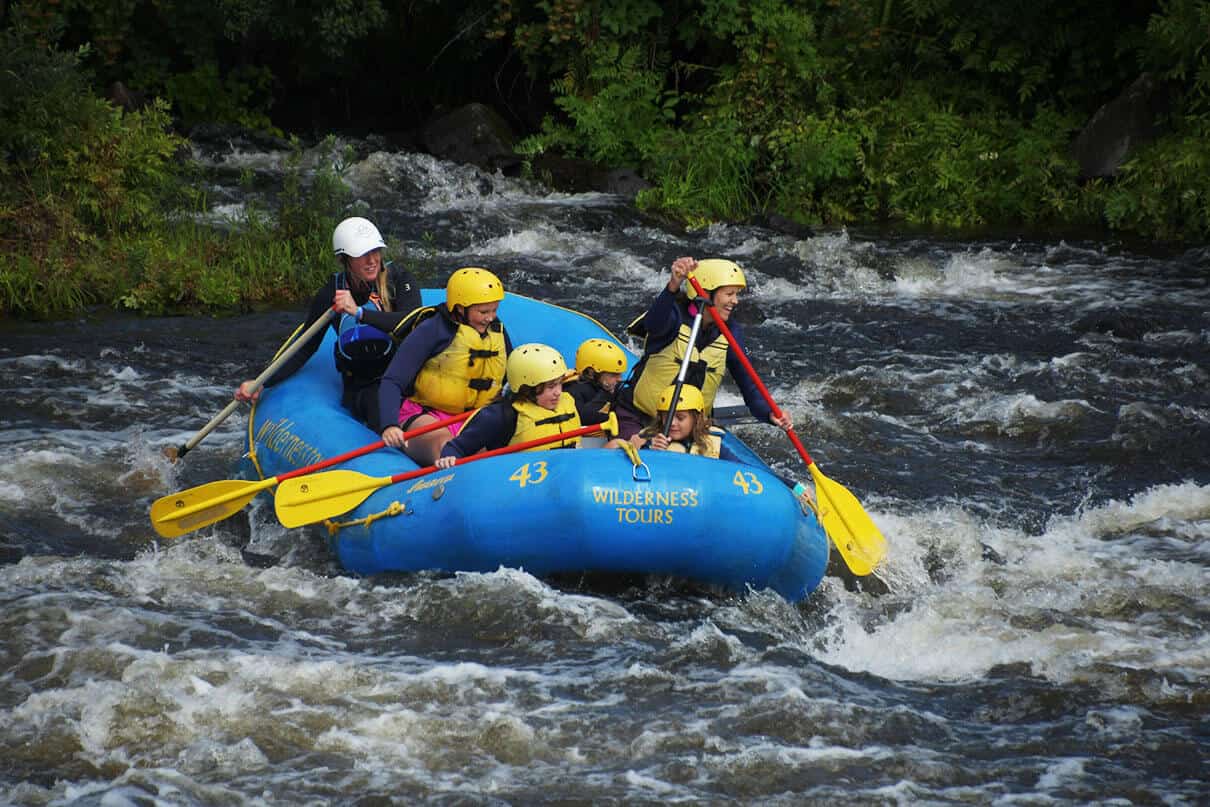
As the flotilla navigates technical rapids and churning hydraulics, the leader’s role shifts dynamically. They lead by example—wearing their helmet continuously to normalize safety protocols, positioning themselves strategically to act as a safety net, and maintaining precise line choices. If a swimmer pops out of a hole, the response is instantaneous, calculated, and emotionless. The throw bag deploys with sniper-like accuracy. There is no frantic shouting; there is only clinical execution.
Phase 4: The Post-River Decompression (The Takeout and Pub)
The mark of a true professional extends far beyond the final rapid. When the boats are strapped to the trailers and the neoprene is shed, the transition to shore life begins. True river leadership recognizes the physical toll that a day of salt, sun, rubber, and helmet hair takes on the body. By employing practical self-care rituals—such as stashing a compact travel brush and conditioner in the gear bag to tame post-river dreadlocks—and transitioning seamlessly from the river to the local pub in versatile, stink-free footwear, the modern river leader maintains dignity, comfort, and approachability long after the boats are put away.
Supporting Context & Metrics: The Ultimate River God Gear Arsenal
Projecting the aura of a River God is impossible without relying on battle-tested equipment that performs under extreme duress. Below is an exhaustive breakdown of the essential gear items that separate the amateurs from the professionals.
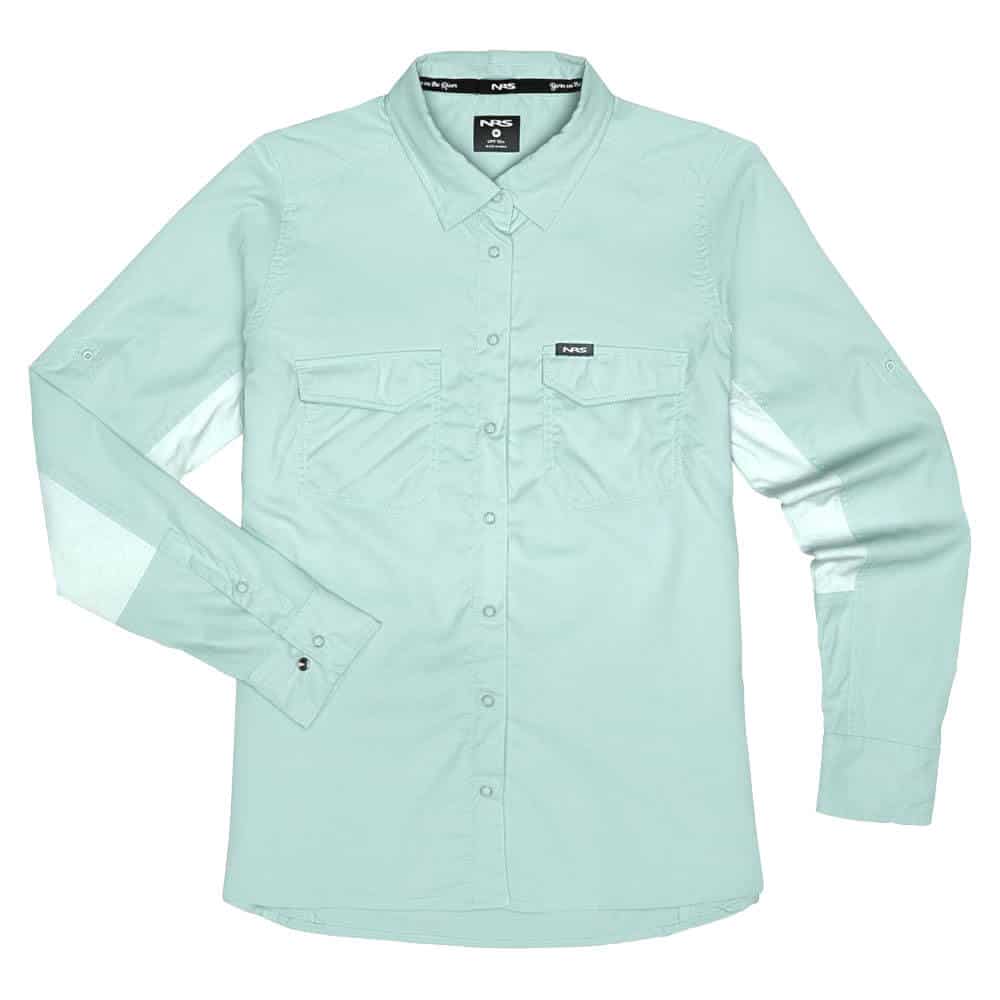
It is an eternal struggle to find technical apparel that accommodates the broad shoulders of a paddler without feeling like it’s about to rip apart at the seams under explosive athletic movement. The NRS Guide Shirt solves this structural dilemma by incorporating a strategic, mechanical stretch-woven fabric. Beyond integrated Ultraviolet Protection Factor (UPF) and wrinkle-resistance that keeps guides looking crisp after sleeping in a tent, it is the structured collar that cements its river god status, projecting an air of understated professionalism.
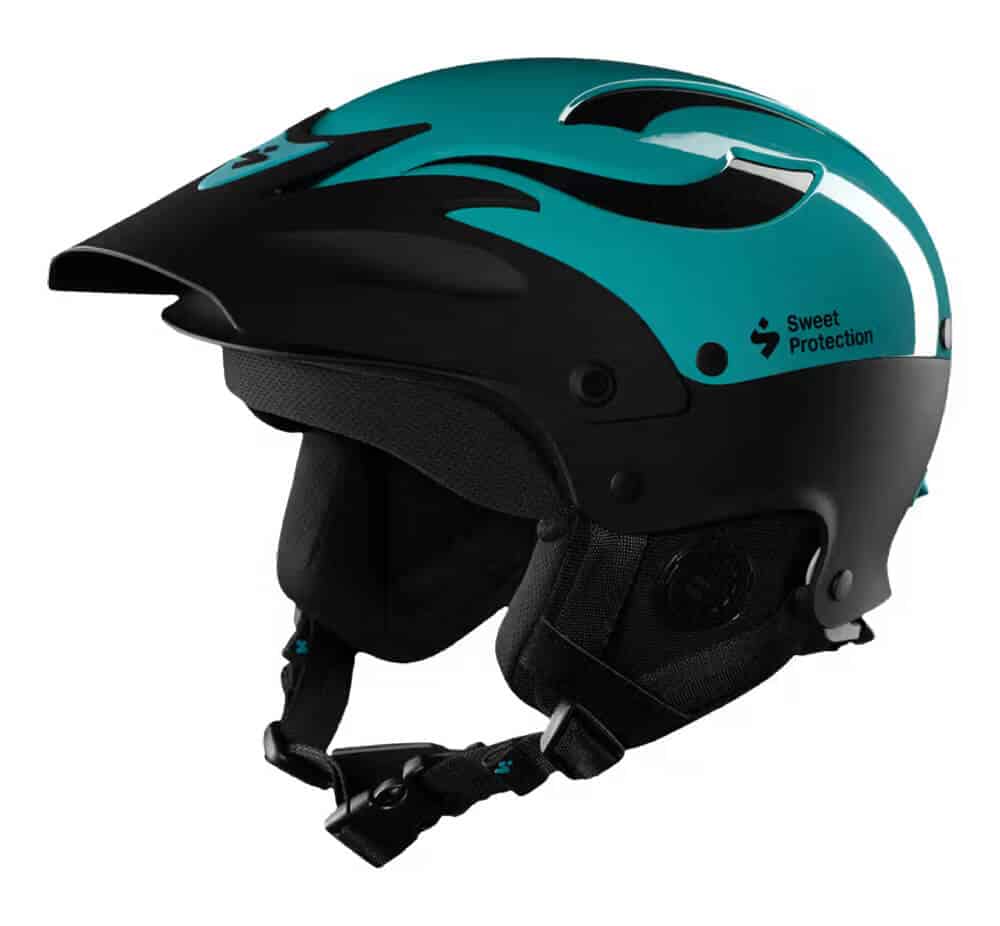
2. The Sweet Protection Rocker Helmet ($250.00)
A helmet should disappear on your head, feeling so natural that you forget you are wearing it through a twelve-hour day on the water. The Sweet Protection Rocker is the gold standard for paddlers with oblong cranial structures, offering superior coverage and multi-impact protection. Furthermore, leadership on the river is behavioral: a guide who keeps their helmet buckled all day sets an unspoken psychological standard that safety is non-negotiable for the entire crew.
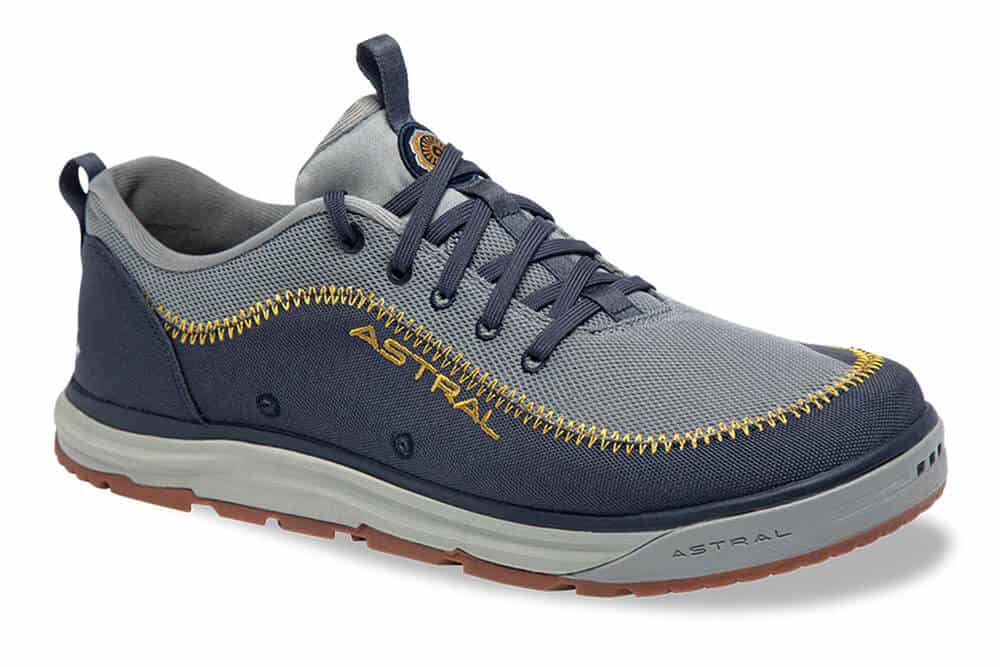
3. The Astral Brewer Water Shoe ($150.00)
Footwear in whitewater takes immense abuse, frequently transitioning from abrasive grit-filled riverbeds to slippery raft floors and sticky pub floors. The Astral Brewer has spent over a decade proving its durability. Because it lacks an extra foam liner in the sole, it drains instantaneously and resists the infamous "river shoe funk." By sizing up slightly, paddlers can effortlessly slide them over drysuit booties without sacrificing structural integrity or tactile grip on wet granite.
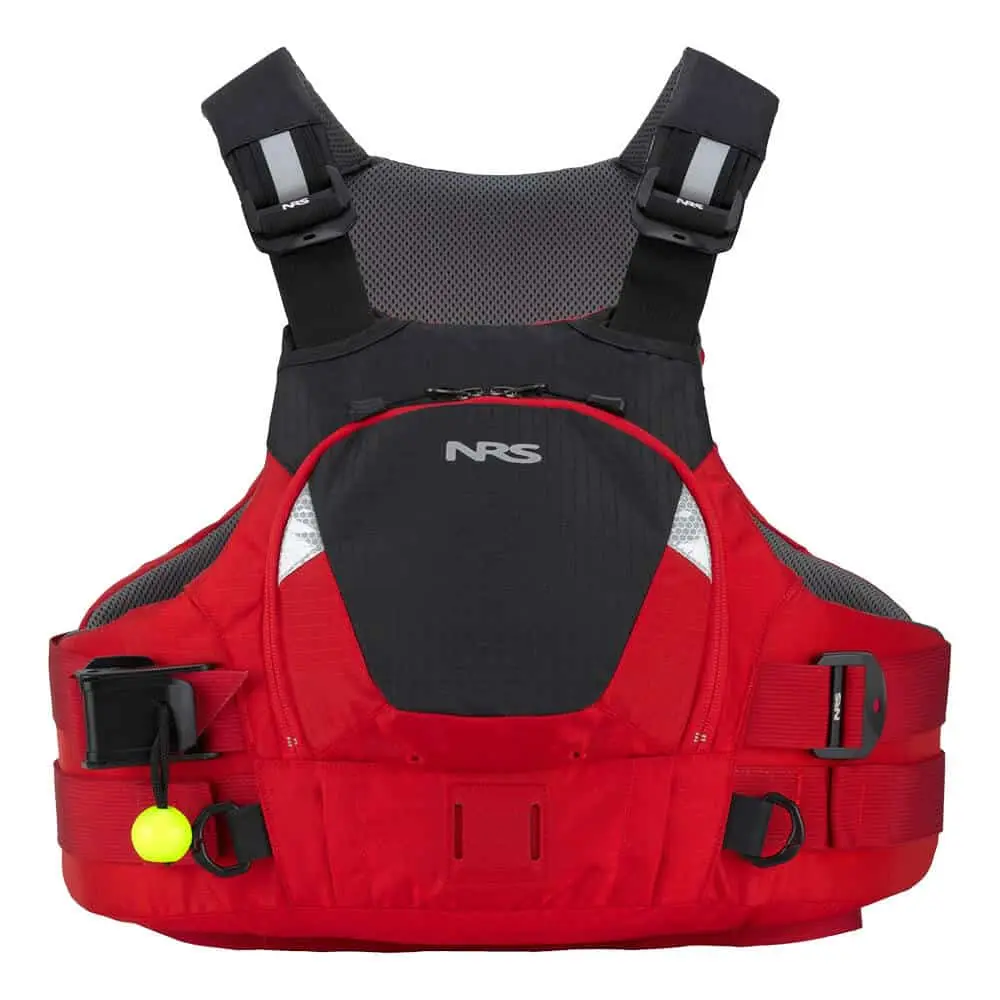
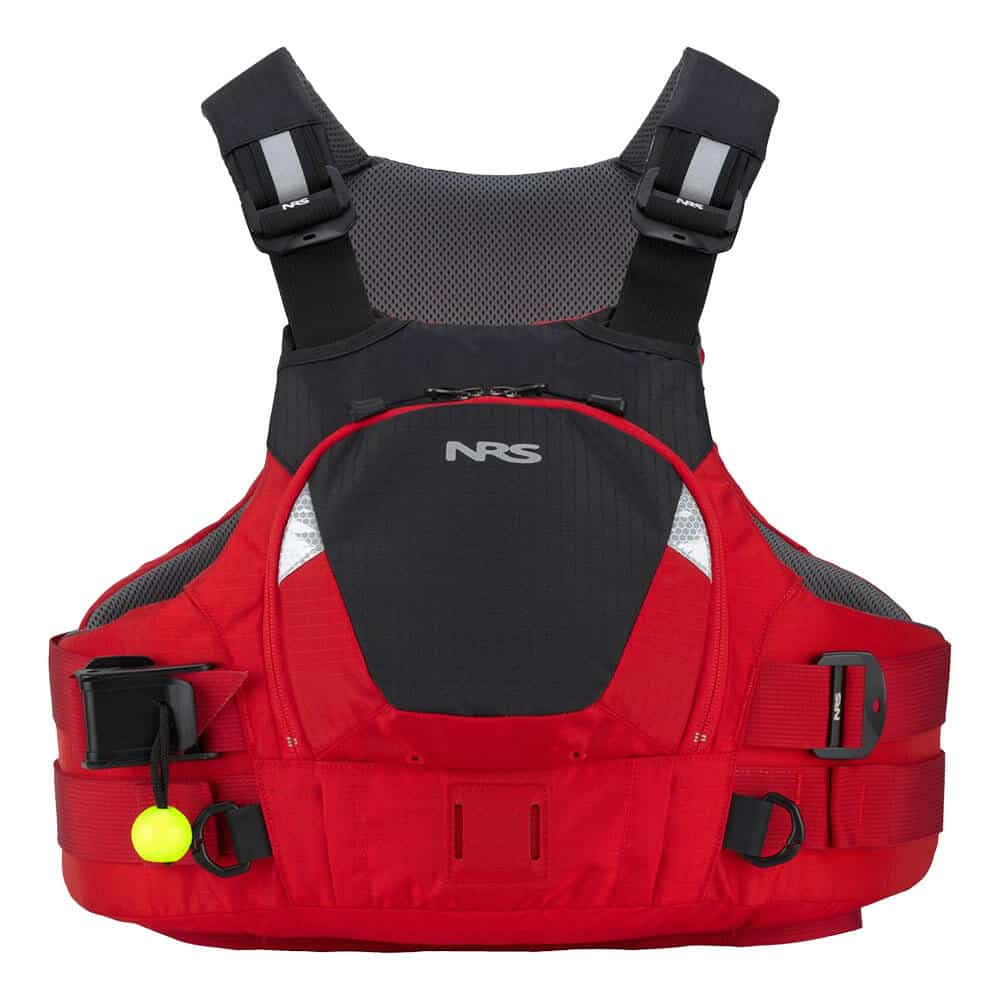
4. The NRS Vector Rescue PFD ($225.00)
Your Personal Flotation Device is your primary life-support system; treating it with casual disregard is a rookie mistake. The NRS Vector excels through its ingenious clamshell pocket design, which keeps pin kits, rescue pulleys, sunscreen, lip balm, and emergency nose plugs for novice rollers impeccably organized and instantly accessible. While alternative options like the Astral Greenjacket and Kokatat Hustler offer exceptional performance, the core tenet remains: know your rescue PFD inside and out, and practice deployment until muscle memory takes over.
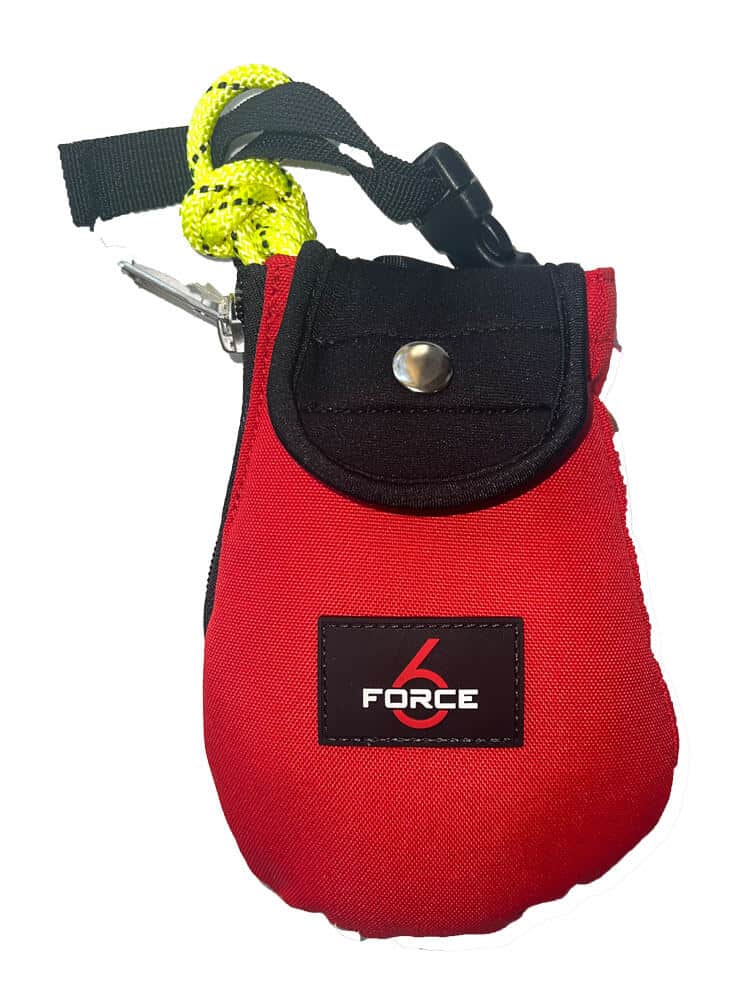
5. Force 6 Mini Dart Throw Bag ($70.00)
In a rapid intervention scenario, style and accuracy matter. The Force 6 Mini Dart is a compact, bullet-shaped throw bag that fits comfortably in a single hand while delivering an accurate 30-foot projectile payload. Missing a panicked swimmer with an oversized, clumsy throw bag is a quick ticket to embarrassment; the Mini Dart’s aerodynamic profile combined with a side-zipper design for lightning-fast repacking makes it an indispensable rescue tool.
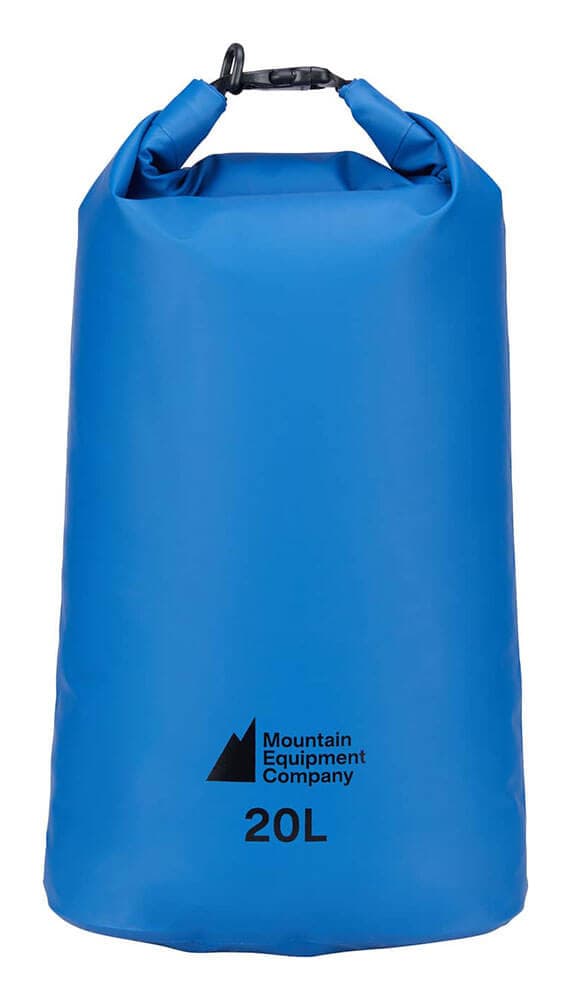
6. The 20-Liter Waterproof Dry Bag & Personal Care
True hospitality on the river means anticipating human discomfort before it manifests as mutiny. A fully waterproof, D-ring-tethered 20-liter dry bag serves as a mobile dispensary for guest complaints—housing extra fleece layers, high-sugar snacks, hydration electrolytes, and emergency provisions. Pair this logistical readiness with a $3.60 folding travel brush and a pocket-sized bottle of conditioner to tame the brutal combination of rubber, neoprene, and helmet straps, and you ensure that your transition from wild water to civilized society is as smooth as your eddy turns.
Official Statements & Industry Perspectives
To contextualize the psychology of modern river leadership, we turn to insights shared across elite paddling communities, outdoor educators, and rescue professionals:
"Being a whitewater paddler may give outsiders the impression you are smelly, risky, and low-budget—a classic river rat. But a River God is something entirely different. They are calm under pressure, hyper-competent, and instantly inspiring to everyone in their orbit, whether that’s a seasoned Class V kayaker or a trembling corporate CEO experiencing their first commercial raft trip. The delta between those two archetypes is never ego; it is absolute, uncompromising preparation." — Senior Swiftwater Rescue Instructor and Expedition Leader
Furthermore, industry gear designers emphasize the critical intersection between human ergonomics and heavy-duty technical textiles:
"When you’re pulling a stuck boat off a strainer or wrestling a flipped raft in a continuous Class III boulder garden, your gear cannot fail you. From the stretch in a guide shirt’s shoulders to the exact tension of a quick-release tow tether on a rescue PFD, every millimeter of design is engineered to reduce cognitive load during high-stress incidents. When your gear works seamlessly, your mind remains clear enough to lead." — Product Development Directorate, Major Whitewater Outfitter
Future Outlook: The Next Generation of River Leadership
As whitewater recreation continues to surge in popularity—drawing increasingly diverse demographics into remote canyons and technical river corridors—the definition of river leadership is evolving. The era of the abrasive, ego-driven "hardman" guide is rapidly giving way to a modern standard of inclusive, highly communicative, and methodically prepared stewardship.
Looking ahead to the coming seasons, the proliferation of advanced material science—such as lighter, eco-friendly waterproof membranes, ultra-durable composite helmet resins, and modular rescue architectures—will continue to empower paddlers. However, technology alone cannot manufacture authority.
The future River God will be defined not merely by the price tag or brand name of their equipment, but by their emotional intelligence. By actively listening to the unspoken anxieties of their crew, maintaining flawless gear hygiene, investing in continuous swiftwater rescue education, and—above all else—leaving their ego safely anchored at the shoreline, the modern paddler can step into a legacy of timeless leadership. Armed with the right mindset and the right kit, the river becomes not a place of chaotic risk, but a theater of calm, calculated mastery.