











Executive Overview
Nestled along the banks of the winding River Derwent in North Yorkshire, England, the historic market town of Malton has undergone a remarkable twenty-first-century transformation. Long celebrated for its rich agricultural heritage, dating back to the thirteenth century, Malton has successfully repositioned itself from a quiet, traditional northern community into a nationally recognized epicenter of artisan gastronomy. Today, it proudly bears the official title of the "Food Capital of Yorkshire."
This renaissance is not merely a marketing triumph; it is a meticulously orchestrated community effort. Spearheaded by local stakeholders, estate heirs, and independent culinary entrepreneurs, Malton’s revival demonstrates how historic market towns can reinvent their local economies through hyper-local sourcing, artisanal craftsmanship, and experiential tourism. Drawing visitors from across the United Kingdom and internationally, the town offers a harmonious blend of Norman-era architecture, vibrant independent retail, world-class farm-to-table dining, and direct access to the breathtaking vistas of the Howardian Hills National Landscape.
Detailed Chronology: From Medieval Market to Modern Gastronomic Haven
Understanding Malton’s current status as a premier culinary destination requires examining its deep historical roots, its quiet decades of economic stagnation, and the visionary catalyst that sparked its modern renaissance.
The Medieval Foundations and Agricultural Heritage
Malton’s identity has always been intertwined with commerce and the land. Dating back to at least the thirteenth century, the town’s central Market Place has served as a bustling trading hub for the fertile surrounding countryside. Spanning over 6,000 square miles from the North Sea to the heart of England, Yorkshire represents the U.K.’s largest county, and Malton sits in its northern reaches as a natural collection point for agricultural bounty. For centuries, farmers, livestock traders, and merchants converged on the town’s cobbled streets to buy and sell regional produce. However, by the late twentieth century, like many British market towns, Malton faced economic pressures from suburbanization, the rise of supermarket chains, and the gradual erosion of independent retail high streets.
The 21st-Century Foodie Revolution
The turning point for Malton occurred in the 2010s, driven largely by Tom Naylor-Leyland, heir to the Fitzwilliam Malton Estate. Recognizing the unique density of independent artisans, bakers, and chefs operating within the local area, Naylor-Leyland envisioned a community-wide strategy that would leverage the town’s architectural charm and agricultural surroundings to create an immersive food destination.
In 2012, this vision materialized with the launch of the annual Malton Food Festival, an event designed to showcase independent food producers, street food vendors, and regional chefs. Concurrently, the establishment of the Talbot Yard Food Court transformed a historic, disused stable block into a centralized artisanal hub. By curating a collection of specialized producers—ranging from master coffee roasters and gelato makers to artisan bakers and independent butchers—Talbot Yard became the beating heart of Malton’s culinary identity.
Expanding the Cultural and Seasonal Calendar
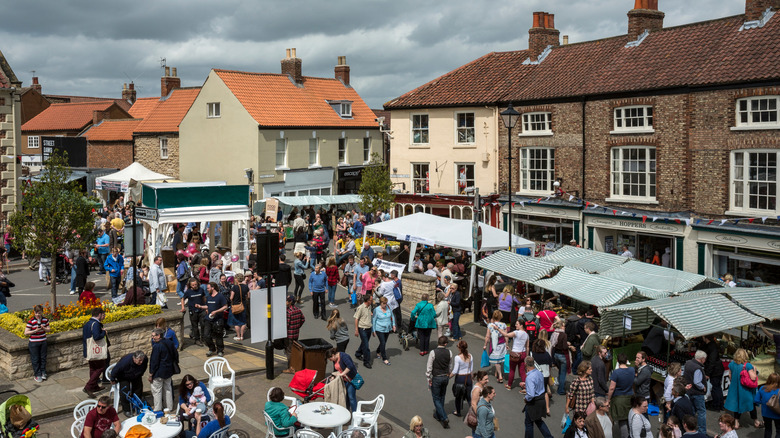
Building on the success of the flagship food festival and Talbot Yard, local organizers expanded Malton’s cultural calendar to ensure year-round economic vitality. The introduction of seasonal events, such as the Malton St. Clement’s Festival held every November, bridged the gap between agriculture, arts, and community celebration. Furthermore, the weekly Saturday Markets and monthly Arts and Crafts Markets solidified Malton’s reputation as a living, breathing marketplace where heritage meets contemporary creativity.

Supporting Context & Metrics: The Anatomy of a Food Capital
To fully appreciate Malton’s ascent, it is essential to examine the socio-economic and geographical context that supports its thriving local ecosystem.
Geographical and Logistical Positioning
Malton’s strategic location has played a pivotal role in its accessibility and tourism growth:
- Proximity to Major Hubs: Malton is located approximately a 30-minute drive east of York—a historic, highly walkable city famed for its medieval streets and magnificent cathedral—and sits roughly a four-hour drive north of London.
- Regional Connectivity: The town is easily accessible via direct rail links from major northern cities such as Leeds, York, and Scarborough, making it an ideal weekend getaway for urban dwellers seeking a rural escape.
- Proximity to Natural Landmarks: The town is directly adjacent to the Howardian Hills National Landscape, an 80-square-mile protected area defined by rolling hills, ancient woodlands, and pastoral farmlands. Additionally, it lies just a 40-minute drive from the historic seaside town of Scarborough.
Economic Impact and Retail Diversity
The transformation of Malton has fundamentally altered its commercial landscape, shifting the high street away from generic retail toward hyper-local specialization:
- Talbot Yard Food Court: Houses specialized tenants including Groovy Moo Gelato (producing small-batch, locally sourced ice cream), Bluebird Bakery (crafting sourdough and artisanal breads), and Food 2 Remember (a high-end butcher focusing on ethically raised, local meats).
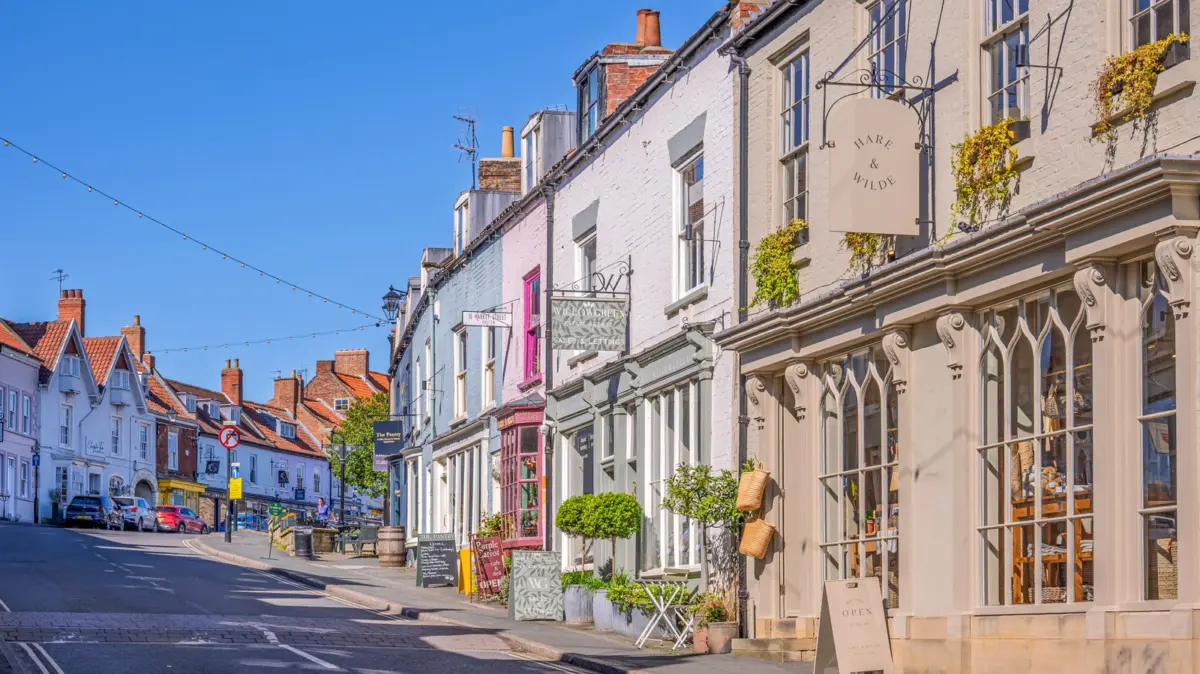
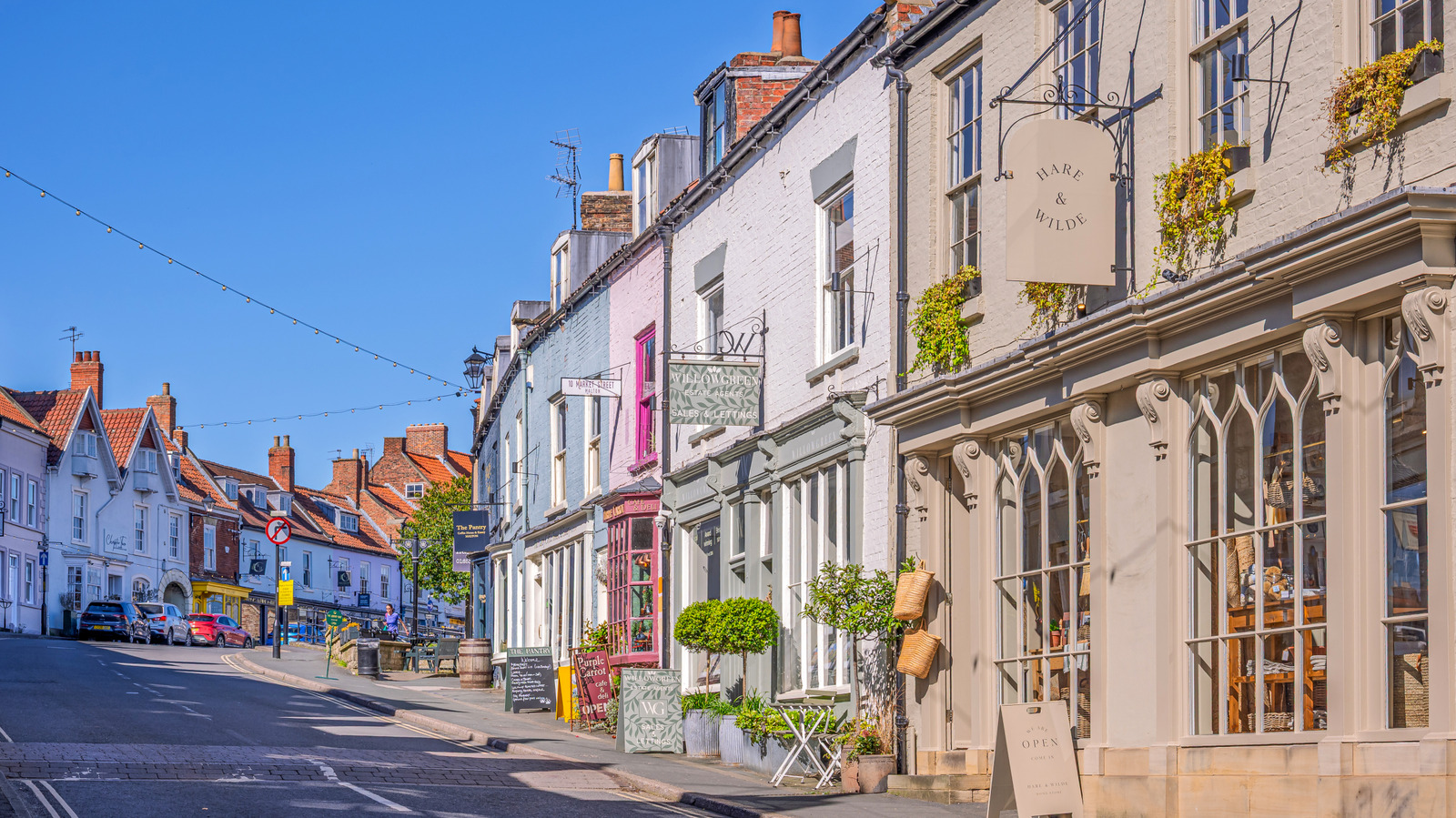
- Independent Retail: Along Market Street and around Market Place—situated beneath the shadow of the Norman-era St. Michael’s Church—independent boutiques thrive. Highlights include Hare & Wilde (curated homewares and kitchen essentials) and Kemps Books and Kemps General Store (independent literature and locally crafted gifts).
- Tourism Metrics: The annual Malton Food Festival regularly attracts tens of thousands of visitors over its weekend run, featuring upwards of 100 independent food and drink vendors, live cookery demonstrations, and street entertainment.
Official Statements and Stakeholder Perspectives
The success of Malton’s economic and cultural pivot has drawn widespread acclaim from urban planners, culinary critics, and heritage conservationists alike.
The Vision for Community-Led Regeneration
Local leaders and estate representatives have consistently emphasized that Malton’s success stems from empowering local entrepreneurs rather than imposing corporate developments. In past statements regarding the establishment of Talbot Yard and the town’s food festivals, organizers highlighted the importance of preserving the historic fabric of the town while creating sustainable, forward-looking livelihoods for young artisans.
Cultural and Architectural Significance
The integration of historic preservation with modern gastronomy has also been a focal point for heritage organizations. The Fitzwilliam Malton Estate has worked closely with local authorities to ensure that commercial growth does not compromise the architectural integrity of the town’s Georgian and Victorian facades.
Moreover, regional tourism bodies frequently cite Malton as a prime model for rural economic diversification. By shifting the narrative away from conventional retail decline, Malton has proven that embracing authentic local heritage—specifically food and craft—can create a resilient, recession-resistant local economy.
Future Outlook: Sustaining Momentum in Northern Gastronomy
As Malton looks toward the future, its stakeholders face both exciting opportunities and distinct challenges in maintaining its status as Yorkshire’s premier food capital.
Expanding the Sustainable Tourism Model
With domestic and international tourism increasingly shifting toward sustainable, experiential travel, Malton is exceptionally well-positioned. Future initiatives are expected to focus on deepening farm-to-table supply chains, encouraging zero-waste retail practices, and expanding green transit options for visitors arriving from York and Leeds. The ongoing collaboration between local farmers, independent restaurateurs, and estate managers will remain crucial to ensuring that the "food capital" mantle is backed by genuine agricultural sustainability.
Infrastructure and Visitor Management
Balancing popularity with preservation will be a key challenge for Malton in the coming decade. As attendance at the annual Malton Food Festival and the historic Castle Howard estate continues to grow, local authorities must manage traffic flow, parking infrastructure, and accommodation capacity to ensure that the town retains its intimate, welcoming market-town charm.
Conclusion
Malton’s journey from a traditional rural trading post to the undisputed "Food Capital of Yorkshire" is a masterclass in modern destination branding and community-led regeneration. By combining its centuries-old market traditions with a fearless embrace of artisanal culinary talent, Malton has redefined what it means to be a historic market town in twenty-first-century Britain. Whether visitors come for the Saturday morning stalls, the seasonal food festivals, or the cinematic splendor of the surrounding Howardian Hills, Malton offers an enduring testament to the power of local pride, craftsmanship, and exceptional food.


