











Executive Overview
Marine flares are a cornerstone of maritime safety, serving as a critical lifeline for mariners in distress. Designed to pierce through darkness, fog, and inclement weather, these pyrotechnic devices communicate urgency and precise location to the United States Coast Guard, commercial vessels, and fellow boaters. However, the very chemistry that makes marine flares effective—volatile compounds capable of burning at thousands of degrees Fahrenheit—renders them hazardous materials that demand meticulous management throughout their lifecycle.
Improper handling, neglectful storage, or casual disposal of marine flares poses severe risks, ranging from accidental ignition and catastrophic boat fires to severe chemical burns and environmental degradation. Despite their mandatory presence on thousands of vessels, a persistent knowledge gap exists within the recreational boating community regarding how to properly maintain, inspect, and ultimately discard these devices once they pass their expiration dates.
This comprehensive report examines the multifaceted responsibilities vessel owners bear regarding pyrotechnic visual distress signals (VDS). By analyzing current regulatory expectations, storage science, inspection methodologies, safe transportation protocols, and emerging alternatives like electronic distress signals, this article provides mariners with an authoritative blueprint for maintaining optimal onboard safety while mitigating the hazards associated with expired pyrotechnics.
Detailed Chronology: The Lifecycle of a Marine Flare
Understanding the operational timeline of a marine flare is essential for maintaining compliance and safety on the water. The lifecycle of a pyrotechnic device spans four distinct phases: acquisition and storage, active operational deployment, expiration, and safe disposal.
Phase 1: Acquisition and Initial Staging
The lifecycle begins the moment a flare kit is purchased and brought aboard a vessel. Upon acquisition, mariners must immediately verify that the manufacturing dates, expiration timelines, and certifications comply with federal and state carriage requirements. During this phase, establishing an accessible yet protected storage location is paramount. The clock on a typical marine flare begins ticking upon manufacture, usually expiring 42 months (3.5 years) later, as mandated by federal standards for commercial-grade and recreational pyrotechnics.
Phase 2: Active Service and Maintenance Windows
Throughout its active service life, a flare requires routine administrative oversight. The lifecycle during this phase is punctuated by mandatory inspection milestones:
- Pre-Season Setup: Evaluating the flare kit prior to the first voyage of the boating season.
- Mid-Season Re-checks: Inspecting containers following heavy weather events, rough seas, or prolonged exposure to high humidity and salt spray.
- Pre-Voyage Audits: Conducting quick visual checks prior to embarking on extended offshore passages.
Phase 3: Expiration and Transition
The expiration date marks the formal termination of a flare’s reliability window. Chemical binders degrade, hydroscopic materials absorb ambient moisture, and propellants destabilize over time. Crucially, reaching an expiration date does not render a flare inert; rather, it introduces unpredictability. In this phase, the device must be immediately retired from primary safety service, physically segregated from active gear, and labeled clearly to prevent deployment confusion during a genuine maritime emergency.

Phase 4: Remediation and Disposal
The final phase of the flare’s lifecycle involves safe transport and relinquishment to an authorized hazardous waste receiver, fire department, or manufacturer take-back program. Attempting to bypass this phase through informal destruction—such as illegal ignition, submersion, or municipal trash disposal—breaks the chain of responsible stewardship and introduces severe legal and physical liabilities.
Supporting Context & Metrics: The Hidden Dangers of Pyrotechnic VDS
To fully appreciate the necessity of rigorous flare management, one must examine the physical properties and statistical implications of pyrotechnic signaling devices.
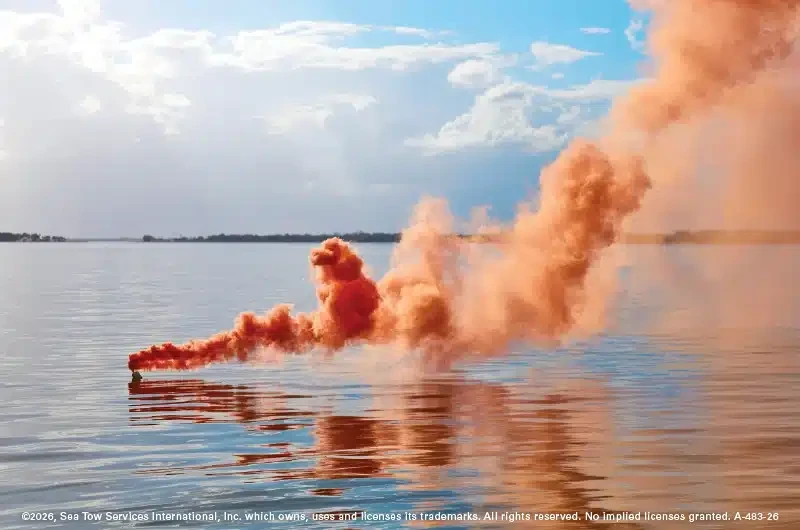
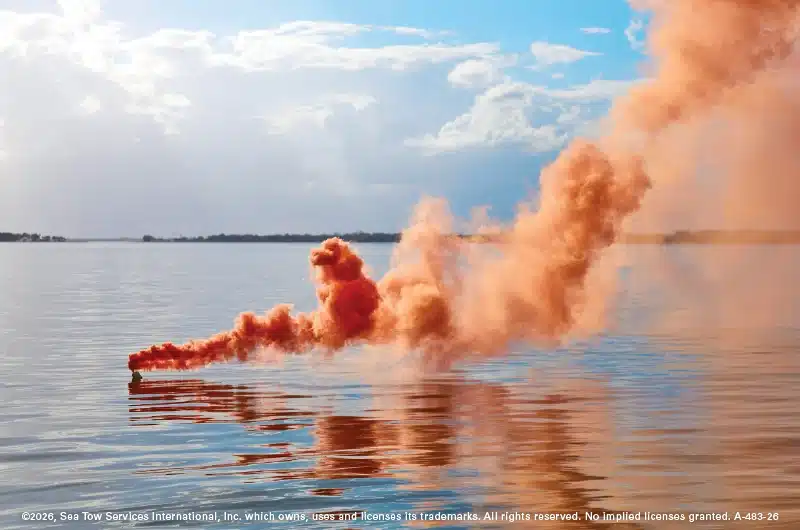
Marine flares generally fall into three categories: red aerial meteors/parachutes, handheld red flares, and floating or handheld orange smoke signals. Aerial flares can reach altitudes of several hundred feet and burn at temperatures exceeding 2,900°F (1,600°C). Handheld variants, while lower-reaching, dispense molten slag and intense radiant heat capable of melting through fiberglass decks, igniting life rafts, or causing third-degree burns within milliseconds.
+-------------------------------------------------------------------------+
|                      MARINE FLARE THERMAL PROFILE                       |
+----------------------------------+--------------------------------------+
| Metric                           | Specification                        |
+----------------------------------+--------------------------------------+
| Average Combustion Temperature   | 1,600°C to 2,900°C (2,900°F - 5,200°F)|
| Standard Shelf Life              | 36 to 42 Months (Federal Standard)   |
| Primary Hazard Factors           | Slag projection, toxic smoke, high-  |
|                                  | pressure gas release, re-ignition    |
+----------------------------------+--------------------------------------+
The Expiration Misconception
A widespread misconception among recreational boaters is that an expired flare functions identically to a new one, just with a marginally higher failure rate. In reality, chemical breakdown inside the casing can alter burn rates. An expired flare may detonate prematurely, fail to ignite entirely, burn laterally through its casing rather than directionally, or project burning slag backward onto the operator.
Furthermore, triggering an expired or unwanted flare outside of a true emergency carries severe legal consequences. False distress signals draw emergency response assets—including United States Coast Guard cutters, rescue helicopters, and local marine patrol units—away from actual emergencies, generating immense financial costs and risking first responder lives. Consequently, unauthorized "test-firing" or recreational disposal by ignition is universally prohibited by maritime law.
Official Statements and Regulatory Guidance
Maritime regulatory bodies maintain strict oversight regarding visual distress signals. The U.S. Coast Guard (USCG), operating under Title 33 of the Code of Federal Regulations (CFR), mandates that recreational boats operating on coastal waters, the Great Lakes, and territorial seas—as well as those connected rivers directly accessing them—must be equipped with visual distress signals at all times.
Coast Guard Carriage Requirements
Vessels under 16 feet are generally exempt from daytime requirements but must carry night-time signals when operating between sunset and sunrise. Vessels over 16 feet must carry approved devices for both day and night use. While pyrotechnic flares are the most common method of compliance, they must be unexpired to satisfy federal carriage inspections.
+--------------------------------------------------------------------------+
|                       USCG VDS CARRIAGE SUMMARY                          |
+-------------------+------------------------------------------------------+
| Vessel Length     | Regulatory Mandate                                   |
+-------------------+------------------------------------------------------+
| Under 16 Feet     | Night signals only (if operated between sunset/dawn) |
| 16 Feet and Over  | Approved devices for both Day AND Night use          |
| Expiration Status | Must be unexpired to meet legal carriage minimums    |
+-------------------+------------------------------------------------------+
In official safety bulletins, the Coast Guard repeatedly emphasizes that expired pyrotechnics cannot be counted toward minimum safety equipment quotas. While mariners are legally permitted to retain expired flares as supplementary, non-regulated backups, enforcement officers will cite vessel operators if unexpired, certified devices are absent from the primary inventory.
Best Practices for Onboard Storage
The paradox of marine flare storage lies in the competing demands of environmental protection and emergency accessibility. Flares must be shielded from moisture, extreme heat, and physical impact, yet they must also be retrievable within seconds during a crisis.
Selecting the Right Container
- Water-Resistant Housings: Utilize dedicated, gasket-sealed dry boxes or canisters specifically rated for marine safety equipment. Ensure the container is appropriately sized so that flares do not rattle, jam, or experience mechanical pressure.
- Isolation from Hazard Sources: Never store flares in close proximity to loose tools, heavy anchors, battery banks, or volatile cleaning solvents. Metal tools can puncture composite casings, while electrical arcing from batteries or heat sources can compromise pyrotechnic stability.
- Clear Signage: Mark storage lockers clearly with high-visibility safety icons indicating the presence of visual distress signals so that any crew member can locate them instantly.
Comprehensive Inspection Methodologies
Flares demand proactive inspection routines rather than passive neglect. Vessel operators should institute a rigorous audit checklist conducted at the threshold of every boating season, prior to long passages, and immediately following any severe weather or hull impact.
+-------------------------------------------------------------------------+
|                       FLARE INSPECTION CHECKLIST                        |
+-------------------+-----------------------------------------------------+
| Inspection Item   | Actionable Evaluation Standard                      |
+-------------------+-----------------------------------------------------+
| Expiration Date   | Verify text clarity; replace prior to month/year    |
|                   | threshold.                                          |
| Structural Integrity| Check for cracks, swelling, dents, or loose caps. |
| Moisture & Rust   | Examine for salt buildup, rust, wet labels, or      |
|                   | internal water intrusion.                           |
| Label Legibility  | Ensure instructions and operational diagrams remain |
|                   | fully readable.                                     |
+-------------------+-----------------------------------------------------+
1. Expiration Verification
Inspect the stamped date on the body of each flare. If the expiration month and year are approaching or have passed, segregate the device immediately. Never rely on fading ink or guesswork; if the date is ambiguous, treat the flare as expired.
2. Structural Integrity Audits
Examine the exterior casing of every flare. Look for hairline cracks in plastic housings, swelling along the cardboard or metal tubes, deep dents, or missing sealing caps. Any structural deformation indicates that the internal chemical compound may have been exposed to atmospheric pressure changes or moisture.
3. Moisture and Corrosion Analysis
Check for white salt crystals, orange-brown rust around metal components, sticky residue, or water-stained paper labels. Moisture penetration is the primary driver of pyrotechnic degradation. If a flare feels damp or heavy, its chemical composition has likely been compromised.
4. Instruction Legibility
A distressed mariner experiencing panic cannot decipher worn-out instructions. If environmental wear has blurred the pictograms or operating text, the flare must be replaced immediately.
Navigating the Disposal Maze
Disposing of expired pyrotechnics is widely considered one of the most frustrating challenges in modern boating due to a fragmented infrastructure. Because flares are classified as commercial explosives and household hazardous waste, standard municipal waste collectors uniformly reject them.
Local Waste Authorities
Begin by contacting your county or municipal solid-waste management department. Ask specifically if their household hazardous waste (HHW) collection facilities accept marine pyrotechnics. Some jurisdictions host seasonal amnesty collection days specifically designated for expired marine safety gear.
Law Enforcement and Fire Departments
Certain municipal fire departments, harbormasters, and local law enforcement agencies maintain collection lockers or coordinate safe disposal pathways. Always call ahead; unauthorized drop-offs at unmanned fire stations create significant safety and security liabilities.
Manufacturer Take-Back Programs
A growing number of marine flare manufacturers and specialized maritime safety distributors offer mail-back or drop-off recycling programs. Checking with your original equipment manufacturer (OEM) can reveal designated mail-in pathways compliant with hazardous material shipping regulations.
Safe Transport Protocols for Expired Pyrotechnics
When an authorized facility agrees to accept your expired flares, transporting them safely requires strict adherence to protocol:
- Obtain Prior Clearance: Never transport flares to a facility without explicit confirmation that they are equipped to receive them.
- Original Packaging: Keep flares in their original manufacturer sleeves or secure them inside padded, non-conductive containers where they cannot shift or impact one another.
- Thermal Management: Never leave flares unattended in a vehicle exposed to direct sunlight or elevated cabin temperatures. Heat is a primary catalyst for unwanted pyrotechnic ignition.
- Quantity Limits: Transport only the specific volume authorized by the receiving facility.
- Unstable Units: If a flare is actively smoking, leaking viscous material, blistered, or extremely hot to the touch, do not attempt to move it. Move personnel away from the unit, isolate it in an open-air, non-flammable area, and contact local emergency services immediately.
Future Outlook: The Rise of Electronic Visual Distress Signals (e-VDS)
As technology evolves, the maritime industry is shifting toward sustainable alternatives that eliminate the hazards of pyrotechnic storage and disposal. Chief among these innovations is the Electronic Visual Distress Signal (e-VDS).
Approved by the U.S. Coast Guard under specific operational criteria (such as RTCM standard 13200.0), modern e-VDS units project high-intensity, multi-colored light patterns (typically alternating cyan and orange or SOS Morse code sequences) visible for miles.
+-------------------------------------------------------------------------+
|                      PYROTECHNIC VS. E-VDS SIGNALS                      |
+-------------------+--------------------------+--------------------------+
| Feature           | Traditional Pyrotechnics | Electronic VDS (e-VDS)   |
+-------------------+--------------------------+--------------------------+
| Reusability       | Single-use               | Reusable (battery-powered)|
| Thermal Hazard    | Extreme heat / molten slag| Flame-free, cool operation|
| Disposal Challenges| Complex hazardous waste | Standard battery recycling|
| Daytime Compliance| Universally effective    | Often requires flag add-on|
+-------------------+--------------------------+--------------------------+
Advantages of e-VDS
- Sustainability: e-VDS units are reusable, eliminating the recurring environmental and financial burdens of disposal.
- Safety: They produce no flame, smoke, or hot slag, completely removing the risk of accidental deck fires or thermal burns.
- Longevity: Powered by replaceable or rechargeable batteries, they offer years of reliable signaling capability, provided routine power checks are maintained.
Regulatory Nuances
Mariners transitioning to e-VDS must remain aware of regulatory caveats. Many electronic distress signals satisfy night-time requirements independently but must be paired with an approved orange daytime distress flag to fully satisfy USCG day-and-night carriage mandates. Reviewing updated equipment standards ensures ongoing compliance regardless of cruising grounds.
Conclusion
Marine flares remain a vital element of maritime safety architecture, yet their management requires vigilance, respect, and discipline. By treating pyrotechnic devices with the caution warranted by hazardous materials—maintaining pristine storage conditions, executing methodical seasonal inspections, and utilizing authorized disposal pathways—boaters protect themselves, their crews, and emergency responders alike.
As the marine industry embraces innovative alternatives like electronic visual distress signals, the future of on-water signaling points toward safer, more sustainable horizons. Until then, responsible stewardship of traditional flares ensures that when disaster strikes on the water, your safety equipment functions precisely as intended: as a beacon of hope leading safely home.


