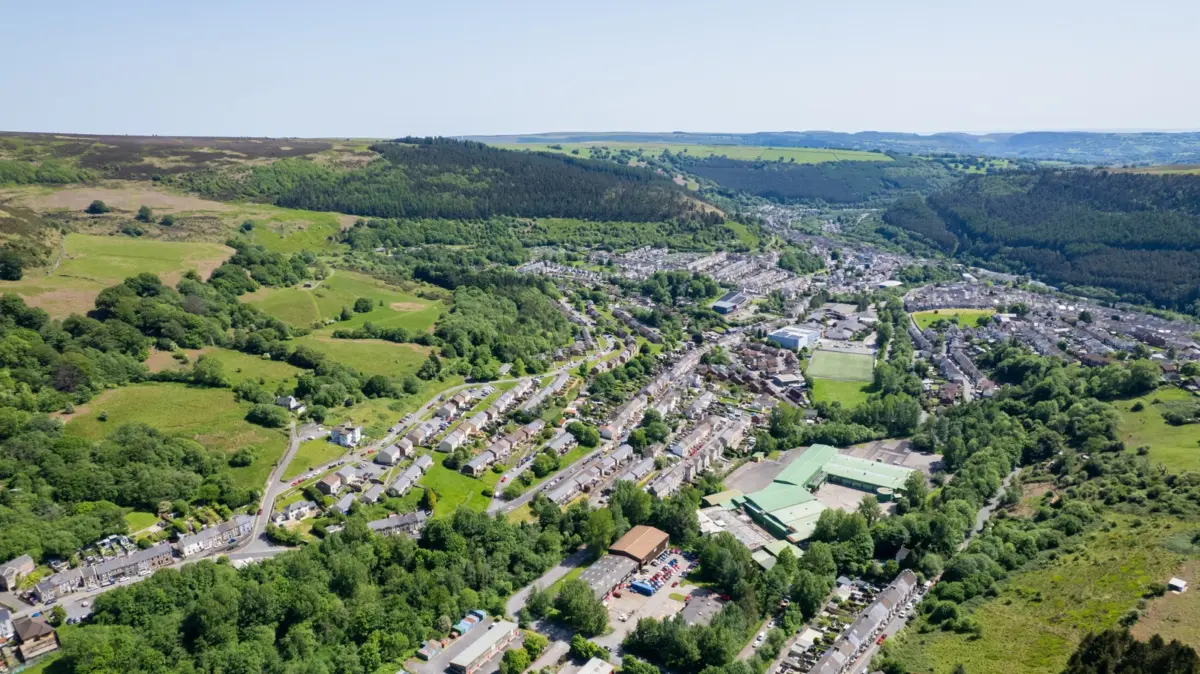
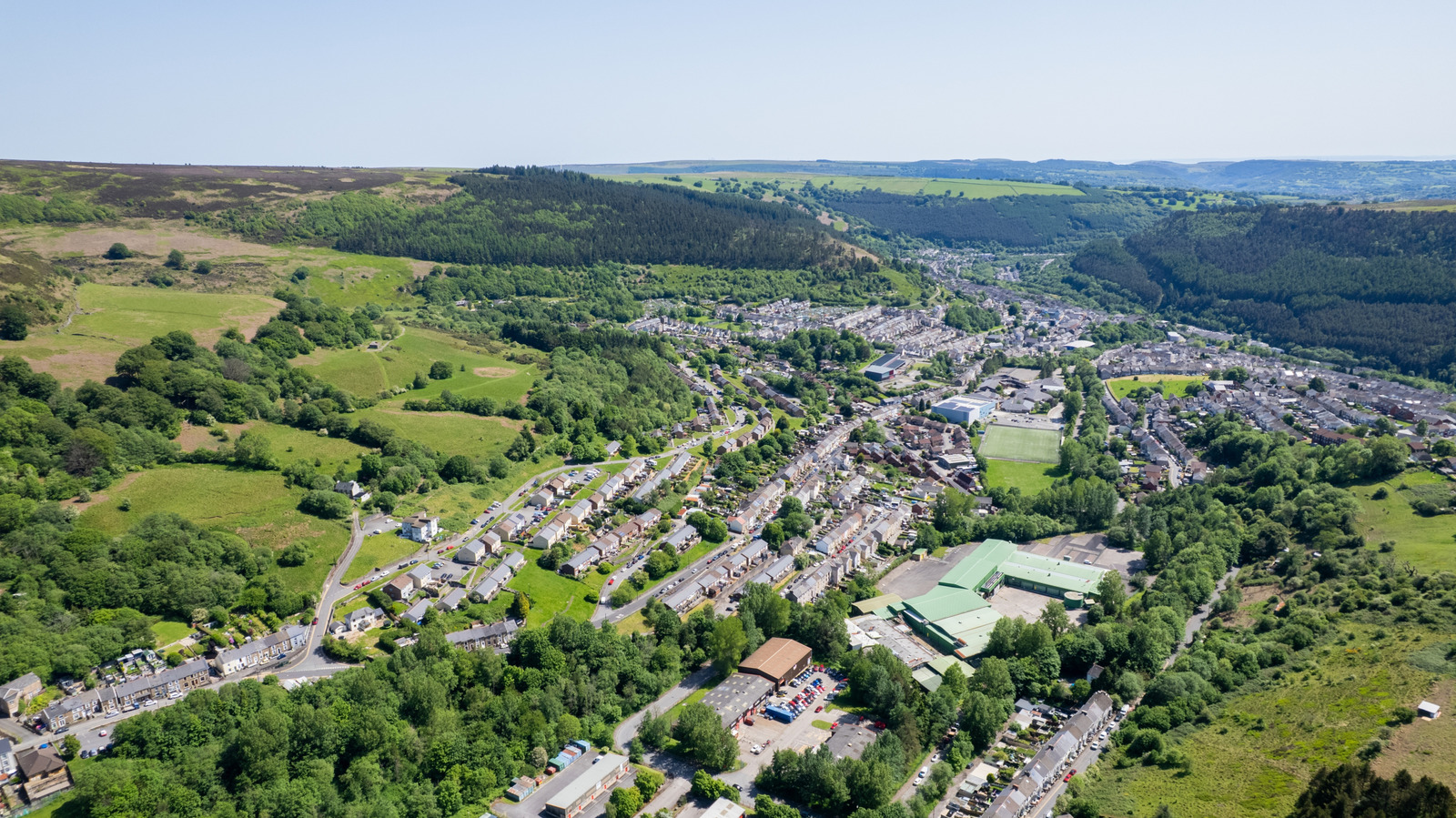
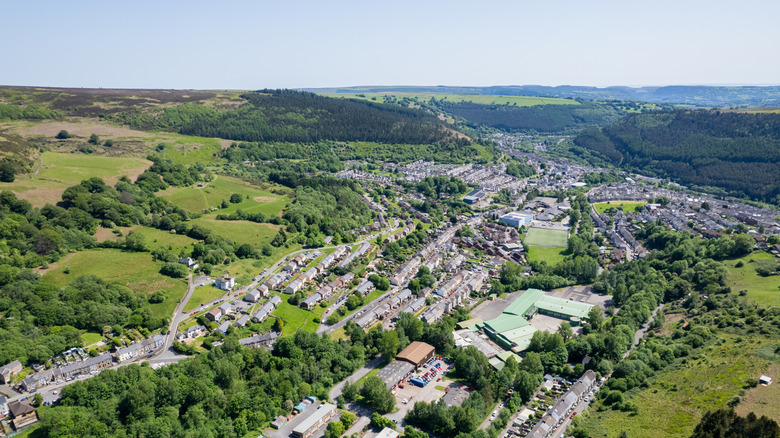
Located just an hour’s drive north of Wales’ vibrant capital city, Cardiff, lies a destination where the echoes of the Industrial Revolution harmonize with the wild, untamed beauty of the Welsh uplands. The county borough of Blaenau Gwent—pronounced "blai nai"—offers an evocative departure from the standard tourist trail. Here, intersecting river valleys, undulating highlands, and rugged mountain paths replace the bustling commerce of the metropolis.
Blaenau Gwent occupies a fascinating geographic and cultural transition zone. To the south and deep within its valleys lie the historic mining and steel-producing hubs that once powered the British Empire. To the north, the dramatic heaths, bogs, and looming peaks of the Bannau Brycheiniog National Park (formerly known as the Brecon Beacons) claim the horizon. As international travelers increasingly seek out off-the-beaten-path destinations that combine outdoor adventure with deep-rooted cultural heritage, Blaenau Gwent emerges as a compelling proposition. Easily accessible via Cardiff Airport (CWL) or a three-hour drive from London’s Heathrow Airport, this Welsh county borough serves as a living museum, an ecological sanctuary, and a premier gateway to the South Wales backcountry.
Detailed Chronology: From Industrial Titans to Modern Sanctuaries
To truly understand the landscape of Blaenau Gwent, one must trace its evolution from a rugged, rural expanse into a global industrial powerhouse, and finally into a modernized hub of nature and heritage tourism.
The Pre-Industrial and Early Industrial Eras (18th Century)
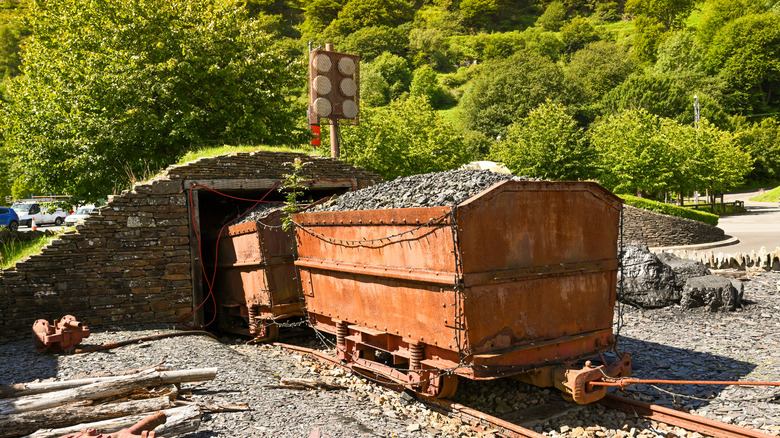
Before the harnessing of coal and iron, the lands comprising modern-day Blaenau Gwent were largely pastoral, defined by steep-sided river valleys, ancient woodlands, and quiet upland farming communities. This isolation shattered during the mid-to-late 18th century as the Industrial Revolution took hold. Entrepreneurs and engineers recognized the immense mineral wealth locked within the South Wales coalfield. The valleys of Ebbw Fawr and Ebbw Fach rapidly transformed. Towns such as Ebbw Vale and Abertillery were founded not as planned municipal centers, but as functional, industrious outposts driven by the relentless demand for coal and iron.
The Peak of Heavy Industry (19th to Mid-20th Century)
By the 19th and early 20th centuries, Ebbw Vale had evolved into home of one of the largest integrated ironworks and steelworks operations in the world. The landscape bore the heavy scars of this enterprise: towering blast furnaces, smoking rolling mills, and vast networks of mineral railways crisscrossing the hillsides. Yet, this industrial might came at a profound human cost. The region became a crucible for labor rights, social reform, and community resilience.
A defining moment in this social evolution occurred in Tredegar, a booming town within the borough. In the early 20th century, the Tredegar Medical Society pioneered a prepaid medical scheme that provided comprehensive healthcare to local workers and their families long before a national system existed. This groundbreaking framework directly inspired Aneurin Bevan, the local statesman who, as the Minister of Health in post-WWII Britain, spearheaded the creation of the National Health Service (NHS) in 1948.
Post-Industrial Transition and Reclamation (Late 20th Century to Present)
The latter half of the 20th century brought the inevitable decline of heavy industry. The closure of the mines and the massive steelworks at Ebbw Vale in the late 20th century marked the end of an era, leaving behind high unemployment and a profoundly altered physical landscape.
However, the decades that followed witnessed one of the most ambitious ecological and structural reclamations in the United Kingdom. Heavy industrial sites were systematically rehabilitated. Former steelworks were transformed into expansive public green spaces, such as Festival Park in Ebbw Vale. Nature rapidly reclaimed the slag heaps and abandoned rail lines, converting scars into walking trails, nature reserves, and wildlife habitats. Today, Blaenau Gwent stands as a testament to reinvention—honoring its gritty, mechanized past while establishing itself as a flourishing playground for hikers, historians, and nature lovers.
Supporting Context & Metrics
Evaluating Blaenau Gwent as a travel destination requires looking beyond the scenery to examine the infrastructure, geography, and logistical framework that support visitors.
Geographic and Transport Metrics
Proximity to Cardiff: Approximately 35 to 45 miles north of the Welsh capital, equating to roughly a 60-minute drive via the A470 and regional connecting roads.
Gateway Airports: Cardiff Airport (CWL) serves as the primary international aviation hub in Wales, located about an hour’s drive south of the borough. London Heathrow (LHR) provides a secondary long-haul entry point, requiring an approximate three-hour drive westward primarily via the M4 motorway.
The Heads of the Valleys Road (A465): The principal transport artery traversing the northern edge of Blaenau Gwent. This major infrastructure route snakes through the heart of the Welsh backcountry, connecting industrial heritage towns with the medieval market town of Abergavenny and the wider Bannau Brycheiniog National Park.
Ecological and Heritage Landmarks
Festival Park, Ebbw Vale: Spanning grounds once dominated by the nation’s premier steelworks, this converted parkland now features recreational lakes, woodland walks, and an active owl sanctuary, symbolizing the successful fusion of industrial heritage with biodiversity.
The Guardian Monument: A striking, 65-foot-high metal effigy situated above Ebbw Vale, erected to commemorate the victims of the 1960 Six Bells colliery mining disaster, serving as a solemn touchstone for the region’s industrial labor history.
Silent Valley Nature Reserve: A protected pocket of ancient woodland featuring centuries-old beech trees, cascading mountain streams, and dedicated educational trails outfitted with interpretive plaques detailing the local flora and fauna.
The Ebbw Fach Trail: A multi-use path suitable for hikers and cyclists that traces the historical industrial corridor of the Ebbw Fach valley, seamlessly connecting modern outdoor recreation with historical waypoints.
Official Statements and Cultural Perspectives
Regional tourism boards, heritage preservationists, and local authorities have increasingly emphasized the importance of preserving Blaenau Gwent’s industrial narrative while promoting its natural assets.
Regional tourism representatives from Visit Wales have frequently highlighted the value of post-industrial landscapes in modern travel itineraries. In a statement regarding South Wales’ heritage routes, a spokesperson noted:
"The valleys of South Wales offer an authentic narrative that cannot be replicated anywhere else in the world. The juxtaposition of our industrial pioneers—who literally fueled the global industrial revolution—with the serene, breath-taking expanse of the national parks creates a multi-layered destination. Travelers are no longer just looking for picturesque views; they are looking for stories, resilience, and depth. Blaenau Gwent delivers this in abundance."
Cultural historians specializing in Welsh labor history also point to the enduring legacy of figures like Aneurin Bevan. Preservation societies managing the Aneurin Bevan Heritage Trail emphasize that Tredegar’s contribution to modern social welfare is as vital to world history as any castle or cathedral in the UK.
"When visitors walk the Aneurin Bevan Trail through Tredegar," shared a local heritage curator, "they are walking the very streets where the blueprint for modern healthcare was conceived out of working-class solidarity. It is a pilgrimage not just for political historians, but for anyone who values community care and social equity."
Furthermore, ecological wardens overseeing conservation efforts in areas like the Silent Valley Nature Reserve underscore the resilience of the natural world.
"Nature has a remarkable capacity to heal," an environmental officer noted. "Where furnaces once burned coal day and night, we now record thriving populations of native woodland birds, rare amphibians, and ancient flora. We are proud to interpret this landscape not as a graveyard of industry, but as a nursery for ecological recovery."
Future Outlook: Sustainable Tourism and Regional Development
As South Wales looks toward the future, Blaenau Gwent is poised to capitalize on several emerging trends in global travel, notably sustainable tourism, slow travel, and outdoor adventure recreation.
Infrastructure and Accessibility Enhancements
Ongoing investments in regional transport infrastructure, including continuous upgrades to the Heads of the Valleys Road (A465) and improvements to the Ebbw Valley railway line linking the borough directly back to Cardiff, are making the region increasingly accessible for car-free travelers and weekend commuters alike. These transport links are designed to reduce carbon footprints while encouraging seamless travel between urban cultural centers and rural adventure zones.
Ecotourism and Outdoor Recreation Expansion
With its strategic positioning directly abutting the southern border of the Bannau Brycheiniog National Park, Blaenau Gwent serves as a natural base camp for outdoor enthusiasts. Trailhead access to iconic routes—such as the Pen y Fan Horseshoe, which wraps around South Wales’ highest peak—is situated a mere 30-minute drive from the heart of the borough. Local councils and outdoor outfitters are collaborating to expand mountain biking networks, trail running events, and guided heritage walks, ensuring that tourism growth remains balanced with environmental stewardship.
Preserving Memory for the Next Generation
The long-term vision for Blaenau Gwent relies heavily on educational tourism. By integrating digital heritage trails, augmented-reality historical reconstructions at former steelworks sites, and expanded museum exhibits, the region aims to engage younger generations of travelers.
Ultimately, Blaenau Gwent offers a rare travel synthesis: a landscape where the iron-willed determination of the past meets the restorative, wild expanse of the Welsh hills. For travelers willing to venture just an hour beyond the borders of Cardiff, this unassuming yet profoundly historic county borough promises an unforgettable journey into the heart and soul of Wales.