











Executive Overview
As public transportation agencies across North America confront an aging workforce, rapid technological disruption, and shifting mobility patterns, the imperative to cultivate a robust talent pipeline has never been more urgent. For decades, the traditional approach to transit recruitment relied heavily on post-graduate job postings, civil service exams, and passive networking. Today, however, industry leaders recognize that the battle for top-tier talent begins much earlier—specifically, at the undergraduate and graduate internship levels.
Yet, transforming an internship program from a transactional summer gig into an engine of institutional renewal requires intentional strategy, robust administrative backing, and a culture of mentorship. Too often, transit agencies treat interns as a source of cheap labor for administrative tasks or data entry, resulting in high attrition rates and missed opportunities for long-term recruitment.
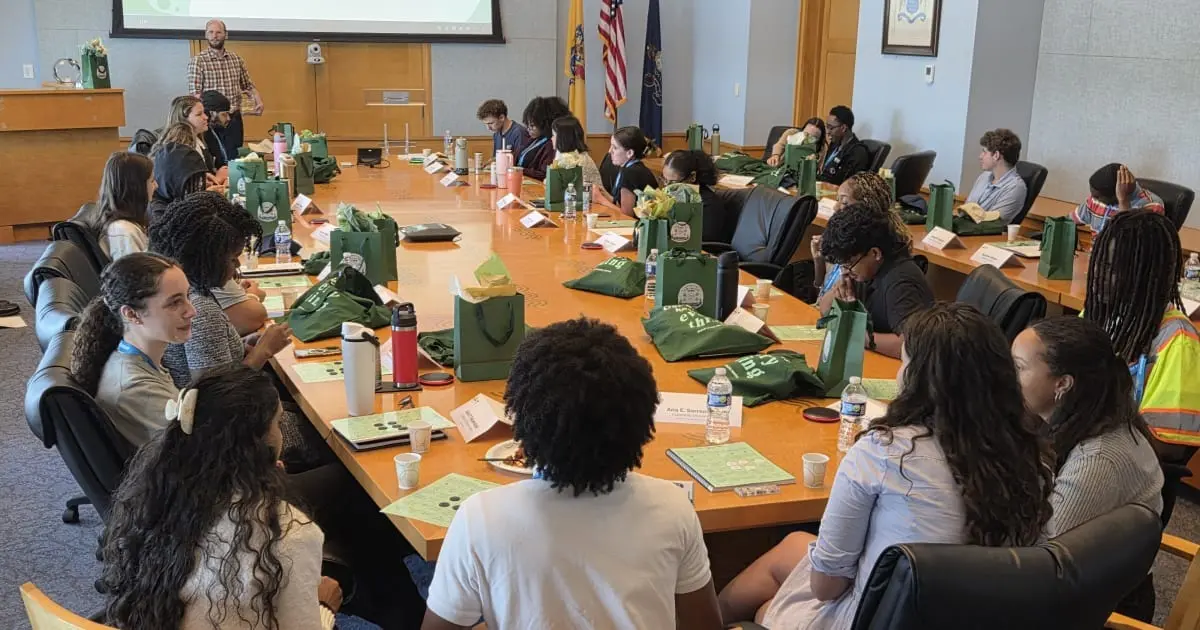
A compelling counter-model to this systemic shortcoming can be found along the Eastern Seaboard, where the Delaware River Port Authority (DRPA) and the Port Authority Transit Corporation (PATCO) have reimagined workforce development. By treating internships not as temporary administrative stopgaps, but as immersive, high-stakes professional incubators, the DRPA and PATCO have established a blueprint for the modern transit sector.
This in-depth report examines the mechanics of successful transit internship programs, drawing upon the operational lessons of the DRPA and PATCO initiative. Through a detailed framework of seven strategic pillars—spanning deliberate curriculum design, targeted recruitment, meaningful project assignments, mentorship, cross-departmental exposure, professional development, and rigorous feedback loops—this article explores how transit agencies can build enduring pipelines that attract, develop, and retain the future leaders of public transportation.
Detailed Chronology: The Evolution of Transit Workforce Pipelines
To understand the current renaissance in transit internship design, one must trace the historical evolution of how public agencies approach human capital.
Phase One: The Traditional Administrative Model (Pre-2010s)
Historically, public sector agencies approached summer hiring through a decentralized, ad-hoc lens. Human resources departments would field sporadic requests from individual department heads—engineering, finance, or operations—seeking temporary assistance during peak vacation seasons.
- The Process: Job postings were generic, often restricted to physical bulletin boards or local municipal websites.
- The Experience: Students were onboarded with minimal orientation, assigned to isolated clerical duties, and left to navigate the bureaucracy largely on their own.
- The Outcome: While some students gained minor resume padding, the vast majority viewed public transit as bureaucratic, slow-moving, and uninspiring. Retention rates following graduation were negligible, and agencies failed to collect actionable metrics on program efficacy.
Phase Two: The Compliance and Diversity Shift (2010–2018)
As federal funding mandates began emphasizing diversity, equity, and inclusion (DEI), alongside STEM (Science, Technology, Engineering, and Math) workforce initiatives, agencies began formalizing their internship structures.
- The Process: Partnerships with local universities expanded. Programs began utilizing digital application portals, and organizations started tracking basic demographic data to ensure compliance with federal equal opportunity employment guidelines.
- The Experience: Interns were integrated into specific department projects, but silos remained firmly entrenched. An engineering intern rarely interacted with the legal department, and finance interns rarely saw the physical operations of a rail control center.
- The Outcome: Programs became more organized, but they frequently lacked a cohesive organizational identity. The experience varied wildly depending on the temperament and bandwidth of the individual supervisor.
Phase Three: The Strategic Talent Incubator (Present Day)
The modern era, exemplified by the DRPA and PATCO initiatives covered extensively by METRO Magazine, represents a paradigm shift. Agencies now view internship programs as elite recruitment funnels designed to combat the "silver tsunami"—the mass retirement of experienced transit professionals.
- The Process: Recruitment has become proactive, data-driven, and targeted. Agencies participate in specialized career fairs, leverage professional associations, and market the societal impact of public service.
- The Experience: Programs are heavily structured, offering executive touchpoints, cross-functional rotations, structured mentorship, and measurable real-world deliverables.
- The Outcome: Agencies report significantly higher conversion rates of interns into full-time employees, reduced onboarding costs, and a steady injection of digital-native thinking into legacy transit operations.
Supporting Context & Metrics: The Crisis and the Opportunity
The urgency behind overhauling transit internship programs is grounded in hard economic and demographic data. According to reports from the American Public Transportation Association (APTA) and the Transportation Research Board (TRB), the transit industry faces a compounding labor shortage.
The Demographic Challenge
- The Aging Workforce: Over 25% of the current public transit workforce is eligible for retirement within the next five to seven years. In highly specialized fields such as signaling, rail operations engineering, and capital project management, that percentage climbs even higher.
- The Skills Gap: Modern transit systems are rapidly evolving. The integration of zero-emission electric bus fleets, positive train control (PTC) systems, automated fare collection, and cybersecurity infrastructure requires a new breed of professional—one fluent in both traditional civil engineering and advanced digital systems.
- The Competition for Talent: Public agencies are no longer just competing against one another; they are locked in a fierce battle with private-sector tech firms, consulting groups, and logistics giants that often offer higher starting salaries and more flexible remote-work options.
Why Internships Matter: The ROI of Talent Pipelines
Data consistently demonstrates that structured internship programs offer the highest Return on Investment (ROI) for entry-level recruitment compared to traditional job boards:
- Lower Attrition: Full-time employees who started as interns exhibit a significantly higher first-year retention rate than external hires because they already understand the organizational culture, operational constraints, and institutional language.
- Reduced Training Costs: An intern who transitions to a full-time role requires far less onboarding time regarding safety protocols, agency governance, and departmental workflows.
- Brand Advocacy: Even interns who choose paths outside of public transit return to their universities as brand ambassadors for the agency, speaking positively about the societal value of public transportation to their peers.
The DRPA / PATCO Blueprint: 7 Pillars for an Optimal Internship Program
Drawing from the successful framework implemented by the Delaware River Port Authority and PATCO, transit organizations aiming to modernize their talent pipelines must institutionalize the following seven strategic principles.
+-------------------------------------------------------------------------+
|                  THE 7 PILLARS OF TRANSIT INTERNSHIP SUCCESS            |
+-------------------------------------------------------------------------+
| 1. Build a Learning Experience   -> Move beyond "summer jobs"           |
| 2. Recruit With Purpose         -> Target schools & communities         |
| 3. Give Meaningful Work         -> Assign real-world, high-value tasks  |
| 4. Provide Mentors              -> Foster professional relationships    |
| 5. Show the Bigger Picture      -> Break down departmental silos        |
| 6. Invest in Development        -> Build immediate & long-term skills   |
| 7. Listen & Improve             -> Use feedback loops for iteration     |
+-------------------------------------------------------------------------+
1. Build a Learning Experience
The foundational shift required in modern workforce development is conceptual: an internship must never be treated as a mere summer job or an exercise in filling seasonal labor gaps.
- Setting Clear Objectives: Before a single resume is reviewed, program coordinators must define what knowledge, skills, and competencies the student should possess by the end of their tenure.
- Academic Alignment: Programs should bridge theoretical classroom concepts with practical field execution. Whether a student is analyzing ridership data or inspecting bridge infrastructure under engineering supervision, the work must challenge their intellect and expand their professional horizon.
2. Recruit With Purpose
Post-and-pray recruitment strategies yield generic results. To build a dynamic workforce, transit agencies must be fiercely intentional about their outreach.
- Targeted Partnerships: Agencies should cultivate direct relationships with regional universities, community colleges, vocational schools, and minority-serving institutions (MSIs) that offer strong programs in civil engineering, urban planning, public administration, finance, and information technology.
- Value Proposition Marketing: Recruitment materials must actively challenge the outdated perception of public agencies as sluggish or unexciting. Agencies need to market the tangible community impact of transit: “Build the infrastructure that moves your city,” “Drive the green energy transition,” or “Shape regional economic mobility.”
3. Give Interns Meaningful Work
Nothing alienates ambitious young talent faster than busywork. If an intern’s primary responsibility is making photocopies or organizing digital filing cabinets, the organization is squandering a vital recruitment opportunity.
- Real-World Impact: Assign projects that carry genuine organizational weight. For example, have engineering interns assist in evaluating bids for station rehabilitation, task planning interns with analyzing micro-mobility integration around transit hubs, or place finance interns inside budget forecasting simulations.
- Responsibility Coupled with Support: High expectations must be matched by high support. Give students clear ownership of specific project milestones while ensuring they have the technical oversight required to prevent costly errors.
4. Provide Mentors
Mentorship is the connective tissue of professional maturation. A formal, structured mentorship program transforms an ordinary job into a transformative career experience.
- Careful Matching: Pair interns with seasoned professionals outside of their direct reporting line to encourage open, candid dialogue. A mentor should be someone who can answer granular questions about career trajectories, provide constructive feedback on communication styles, and offer unvarnished insights into the realities of the transportation industry.
- Structured Touchpoints: Establish regular check-ins—bi-weekly coffee chats, shadowing sessions, and career-mapping conversations—to ensure the relationship remains active and mutually rewarding.
5. Show the Bigger Picture
Transit agencies are complex, multi-faceted ecosystems. A common pitfall in traditional programs is keeping interns sequestered within their host department, leaving them blind to how the broader organization functions.
- Cross-Departmental Rotation: Expose students to the full breadth of the agency. Finance interns should spend a day riding in the cab of a train with a PATCO operator; engineering interns should sit in on board governance meetings; and communications interns should tour maintenance facilities.
- Executive Exposure: Host leadership roundtable discussions where senior executives—including the CEO, Chief Operating Officer, and Chief Financial Officer—speak candidly about the agency’s strategic vision, upcoming capital projects, and leadership philosophies.
6. Invest in Professional Development
Technical competence is only half the equation; career longevity requires mastering "soft" or foundational professional skills.
- Immediate Skill Application: Provide dedicated workshops focused on competencies that students can apply immediately during their internship and carry into their future careers. This includes training in executive presentation design, technical writing, public speaking, conflict resolution, and project management methodologies (such as Agile or Lean Six Sigma).
- Collaborative Curriculum Design: Ask incoming interns during orientation what specific professional skills they hope to hone. Tailoring professional development seminars to their stated goals fosters a high-engagement environment.
7. Listen — and Improve
A stagnant internship program is a dying program. To remain competitive in attracting top-tier talent year after year, agencies must treat their internship programs as iterative products subject to continuous quality improvement.
- Candid Feedback Loops: Implement anonymous mid-point check-ins and comprehensive end-of-summer exit interviews for both the interns and their direct supervisors.
- Actionable Metrics: Evaluate what worked, what bottlenecks occurred, which departmental pairings were most successful, and what logistical adjustments are necessary. Use this data to continuously refine recruitment strategies, onboarding protocols, and training modules for the subsequent cohort.
Official Statements & Industry Perspectives
Industry leaders and transit authorities nationwide are increasingly echoing the sentiments embedded within the DRPA and PATCO model, recognizing that human capital is the ultimate determinant of transit reliability and innovation.
"When we bring students into our organization, we aren’t just filling summer rosters; we are auditioning the future architects of our regional transit network. If we treat them as temporary clerical help, we lose them to the private sector. If we invest in them as professionals, they return to us as passionate advocates and, ultimately, career employees."
— Anonymous Transit Workforce Development Director
Transportation policy experts emphasize that modernizing workforce pipelines is a matter of regional economic resilience. As urban centers grapple with congestion, carbon emission reduction targets, and equitable access to jobs, the intellectual capital required to operate safe, efficient, and technologically advanced transit systems has never been more critical.
Furthermore, academic institutions partnering with transit agencies report a measurable surge in student interest when programs feature structured mentorship and real-world project ownership. Engineering and planning students increasingly seek employers whose mission aligns with personal values of sustainability and public service—a sweet spot that public transportation agencies are uniquely positioned to occupy.
Future Outlook: The Next Frontier in Transit Talent Management
Looking ahead, the success of programs modeled after the DRPA and PATCO initiatives points toward a broader transformation in how public agencies manage talent. The future of transit workforce development will likely see several key evolutions:
- Year-Round Micro-Internships: Moving beyond the traditional summer block, agencies will increasingly partner with universities to offer part-time, semester-long micro-internships and cooperative education (co-op) programs that integrate directly into a student’s academic schedule.
- Virtual and Hybrid Collaboration: As hybrid work models solidify across public and private sectors, transit agencies will incorporate remote project management tools into their internship structures, preparing students for the modern, connected workplace.
- Alumni Network Integration: Forward-thinking agencies will establish formal alumni associations for former interns, creating a lifelong professional network that facilitates boomerang hiring—where former interns who gained private-sector experience return to public transit later in their careers as seasoned leaders.
- Data-Driven Retention Tracking: Agencies will deploy sophisticated HR analytics to track the lifecycle of former interns, measuring conversion rates, promotion velocity, and leadership pipeline penetration over five-, ten-, and fifteen-year horizons.
Conclusion
The challenge of workforce development in public transportation is formidable, but it is entirely surmountable for agencies willing to abandon passive recruitment and outdated administrative habits. By embracing the comprehensive, human-centric framework demonstrated by the DRPA and PATCO—treating interns as learners, purposeful recruits, high-value contributors, mentees, and future leaders—transit organizations can secure their operational future.
In doing so, they not only solve their own impending labor shortages but also ignite a passion for public service in a new generation of professionals dedicated to moving communities forward.


