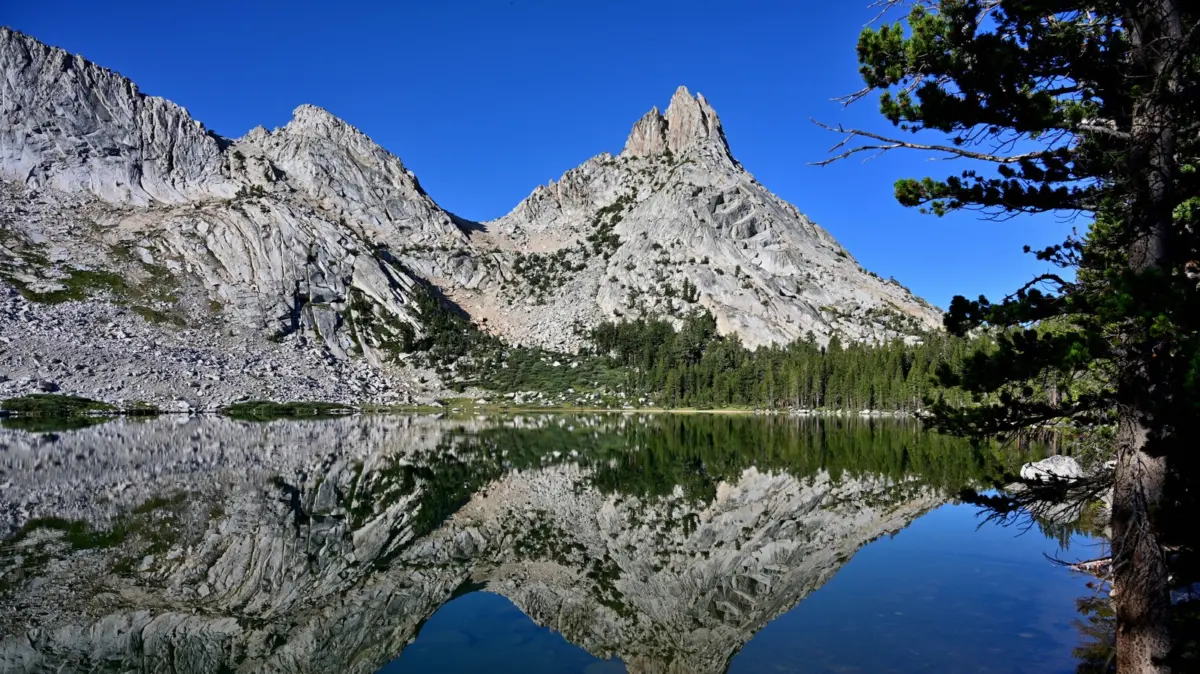
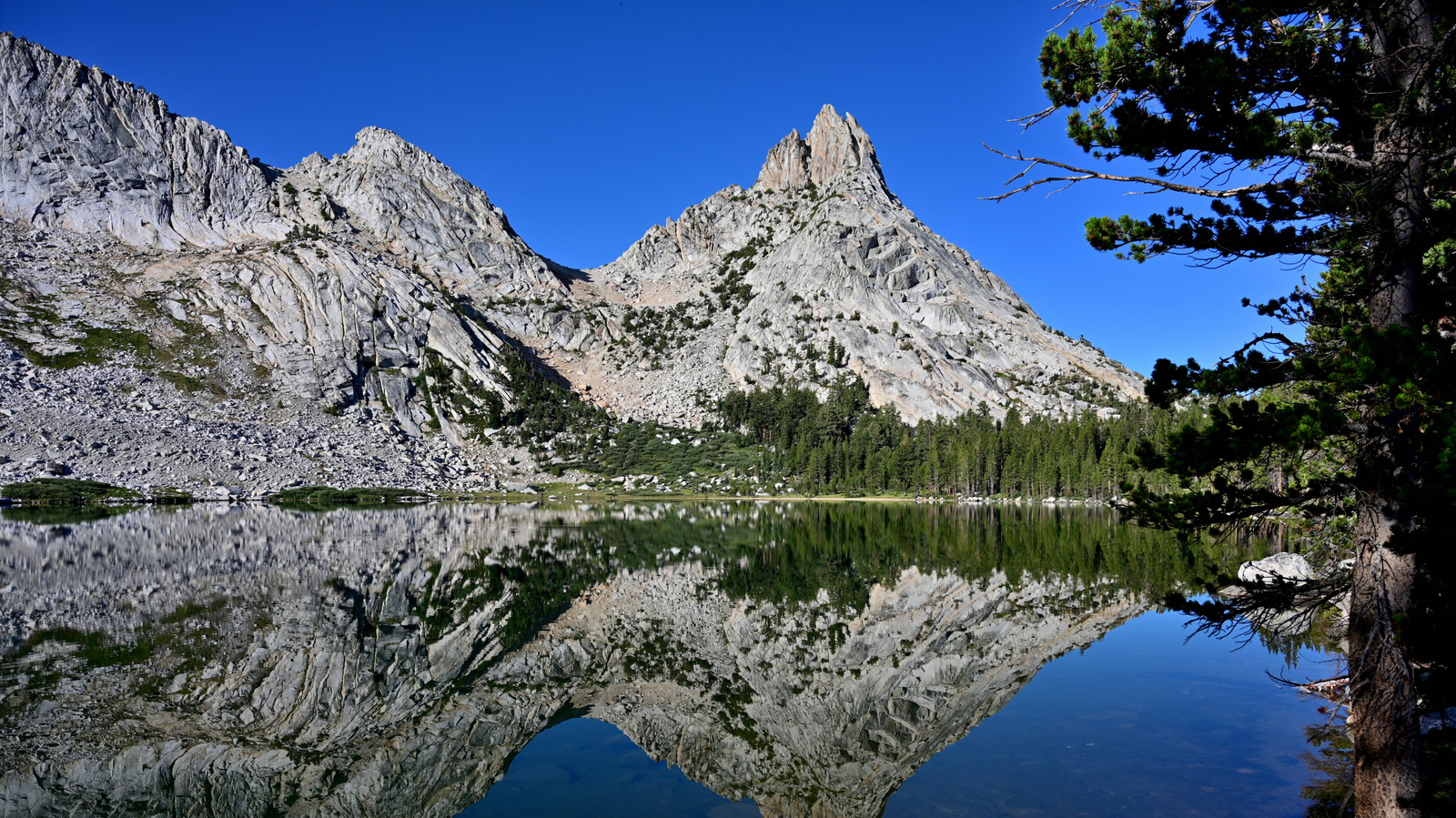
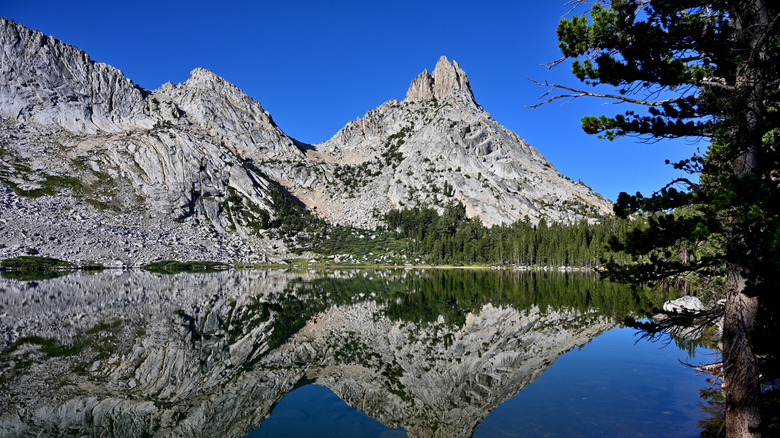
For decades, travelers seeking alpine serenity in California have defaulted to the bustling shores of Lake Tahoe or the southern slopes of Big Bear. While these iconic locations offer undeniable beauty, their popularity often translates to bumper-to-bumper traffic, booked-out campgrounds, and crowded trails that dilute the restorative peace of nature. However, tucked away in an overlooked corner of the Eastern Sierra lies a pristine alternative: the Virginia Lakes Basin.
Situated roughly 100 miles south of Lake Tahoe and just north of the eerie, lunar landscape of Mono Lake, this cluster of a dozen glistening, emerald-green alpine lakes offers a rugged, uncrowded sanctuary. Sitting at elevations approaching 10,000 feet, the basin serves as a dramatic counterweight to the state’s more commercialized mountain destinations. Offering world-class trout fishing, challenging granite-framed hikes, and a timeless, off-the-grid atmosphere, the Virginia Lakes region is emerging as the premier secret destination for outdoor enthusiasts seeking solitude, natural splendor, and a genuine retreat from modern life.
Detailed Chronology: A Century of Mountain Heritage and Preservation
To understand the unique charm of the Virginia Lakes Basin, one must look backward through a century of mountain history, where human enterprise met untamed wilderness.
1923 (The Genesis of Hospitality): The foundational chapter of modern human presence in the basin was written with the establishment of the Virginia Lakes Resort. Built during an era when the automobile was beginning to open up America’s remote public lands, the rustic resort offered early motorists a haven of wooden cabins, basic provisions, and hearty meals. Remarkably, the spirit of this 1923 establishment remains largely intact today, operating off-the-grid and preserving a slice of early 20th-century Sierra history.
Mid-20th Century (The Rise of Recreational Angling): As the California Department of Fish and Wildlife and federal forest managers refined conservation and recreation policies, the Humboldt-Toiyabe National Forest became a hub for managed wilderness use. The Virginia Lakes Basin was integrated into regional stocking programs, solidifying its reputation as a premiere destination for brook, brown, and rainbow trout. Opening day—affectionately dubbed "Fishmas" by locals and returning visitors—became an annual pilgrimage for generations of anglers.
The Turn of the 21st Century (The Discovery by the Digital Generation): As mainstream destinations like Lake Tahoe experienced exponential tourism growth and subsequent infrastructural strain, outdoor recreationists began leveraging online forums, mapping software, and digital travel blogs to seek out less-traveled alternatives. The Virginia Lakes Basin transitioned from a strictly local secret to a treasured find for dispersed campers, backpackers, and motorcycle tourists traversing the legendary Highway 395 corridor.
Present Day (A Sanctuary Against Over-Tourism): Today, the basin stands as a delicate balancing act between increased digital exposure and physical isolation. While platforms like Reddit, AllTrails, and Google Reviews have introduced new demographics to its trails, stringent geographic constraints—such as high-altitude access roads, limited campground capacity, and a lack of modern commercial development—continue to protect the basin from the ravages of over-tourism.
Supporting Context & Metrics: Navigating the High-Altitude Geography
Geographically and logistically, the Virginia Lakes Basin is both remarkably accessible and delightfully remote. A mere six-mile detour off U.S. Route 395—widely celebrated as California’s most scenic drive—transports travelers from the highway corridor into a dramatic glacial valley guarded by towering granite peaks.
Key Geographic and Logistical Metrics
Elevation: The main trailhead and the central Lakeshore Campground sit at just under 10,000 feet (approx. 3,000 meters), while surrounding mountain passes and summit routes push past 11,000 feet.
Regional Proximity:
Sacramento: ~4 hours driving time.
Reno: Just under 3 hours driving time.
Las Vegas: ~5 hours driving time.
Lee Vining (South): 25 minutes.
Bridgeport (North): 25 minutes.
Water Features: The basin contains a dozen distinct alpine water bodies. Of these, three major lakes (Trumbull Lake, Big Virginia Lake, and Little Virginia Lake) are directly accessible by car, while the remainder require varying degrees of hiking effort to reach.
Recreational Season: The official fishing and camping season typically spans from late April through mid-November, dictated heavily by winter snowfall and spring melt conditions. During peak spring runoff, lower lakes remain partially iced over, offering a stark, picturesque landscape.
Trail Metrics and Difficulty
Frog Lakes Trail: A moderate, highly rewarding 3.4-mile excursion that guides hikers past no fewer than five distinct mountain lakes, offering maximum scenic payoff for moderate physical effort.
Summit Lake Extension: For seasoned hikers in peak physical condition, continuing past the primary basin on well-graded switchbacks yields a lung-busting 2,500-foot elevation gain. The trail terminates at a high-elevation pass exceeding 11,000 feet, where unobstructed vistas open toward the eastern boundaries of Yosemite National Park.
Official Perspectives: Forest Management and Visitor Stewardship
Managing a fragile high-elevation ecosystem adjacent to heavily trafficked federal lands requires a delicate hand. Representatives from the Humboldt-Toiyabe National Forest—which spans across vast expanses of Eastern California and Western Nevada—emphasize that the preservation of areas like the Virginia Lakes Basin relies heavily on visitor self-reliance and adherence to "Leave No Trace" principles.
"The Eastern Sierra presents a unique management challenge," notes a regional U.S. Forest Service trails coordinator. "High-altitude environments are exceptionally fragile. Short growing seasons mean that damage to alpine flora from illegal off-trail hiking or improper campfire management can take decades to heal. Our goal is to provide access to these breathtaking landscapes while ensuring that the physical limitations of the geography—such as limited parking, vault-toilet sanitation capacities, and narrow access roads—naturally regulate the volume of human impact."
Visitors and local business owners echo the sentiment that the region’s charm is inextricably linked to its lack of hyper-modernization. The proprietors of the historic Virginia Lakes Resort maintain a strict cash-only, zero-digital-connectivity model not merely out of tradition, but as an intentional buffer against the relentless connectivity of modern life.
"People come up here because they want to unplug," shared a long-time seasonal caretaker at the basin. "When you strip away cell service, Wi-Fi, and ATMs, human interaction changes. Families actually talk to each other around the campfire. They watch the deer and the occasional bear wander through the meadow at dusk instead of staring at a glowing screen. That is a vanishing commodity in modern America."
Future Outlook: Preserving Solitude in an Era of Discovery
As urban centers in California and Nevada continue to expand, the pressure on nearby natural recreational assets intensifies. Destinations that once enjoyed decades of relative anonymity are increasingly vulnerable to the viral nature of modern travel media.
For the Virginia Lakes Basin, the future hangs in a delicate balance. On one hand, regional tourism boards in Mono County increasingly look to lesser-known mountain communities to distribute economic benefits away from overcrowded hubs like Yosemite Valley and Lake Tahoe. On the other hand, conservationists warn that unmitigated promotion could degrade the very qualities that make the basin special.
Strategic Outlook for the Coming Decade
Infrastructure and Carrying Capacity: Forest Service officials anticipate steady or slightly rising visitor numbers, prompting a heightened focus on maintaining existing primitive infrastructure—such as vault toilets, bear-proof food storage lockers, and designated dispersed camping zones—without expanding the footprint of development.
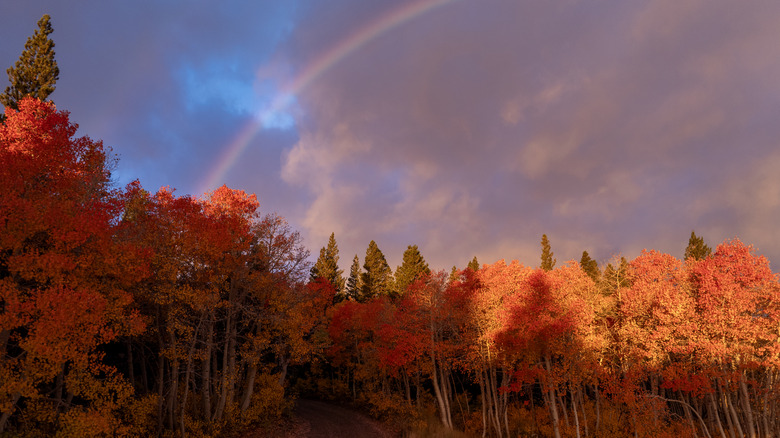
Shift Toward Shoulder-Season Tourism: Climate trends and promotional efforts are successfully extending the recreational window. While summer remains prime time for family camping, the basin’s extraordinary display of turning aspens has transformed autumn into a premier destination for landscape photographers and leaf-peepers, spreading visitor density across a broader portion of the calendar year.
The Preservation of Analog Escapism: Despite broader technological advancements, local stakeholders remain committed to keeping the historic Virginia Lakes Resort and its surrounding campsites anchored in the past. The absence of cell towers and credit card terminals acts as a natural defensive barrier, filtering out transient tourists looking for luxury convenience in favor of dedicated backcountry traditionalists.
Ultimately, the Virginia Lakes Basin remains a steadfast reminder of what the Sierra Nevada once was—and in rare, protected pockets, still is. For travelers willing to trade luxury amenities for mirror-like alpine waters, crisp mountain air, and absolute silence under a blanket of stars, saying goodbye to the crowds at Tahoe and Big Bear in favor of the Virginia Lakes is a journey well worth making.