By Emrys Thakkar
Published by Cruise Hive | Industry Analysis & Reporting
Executive Overview
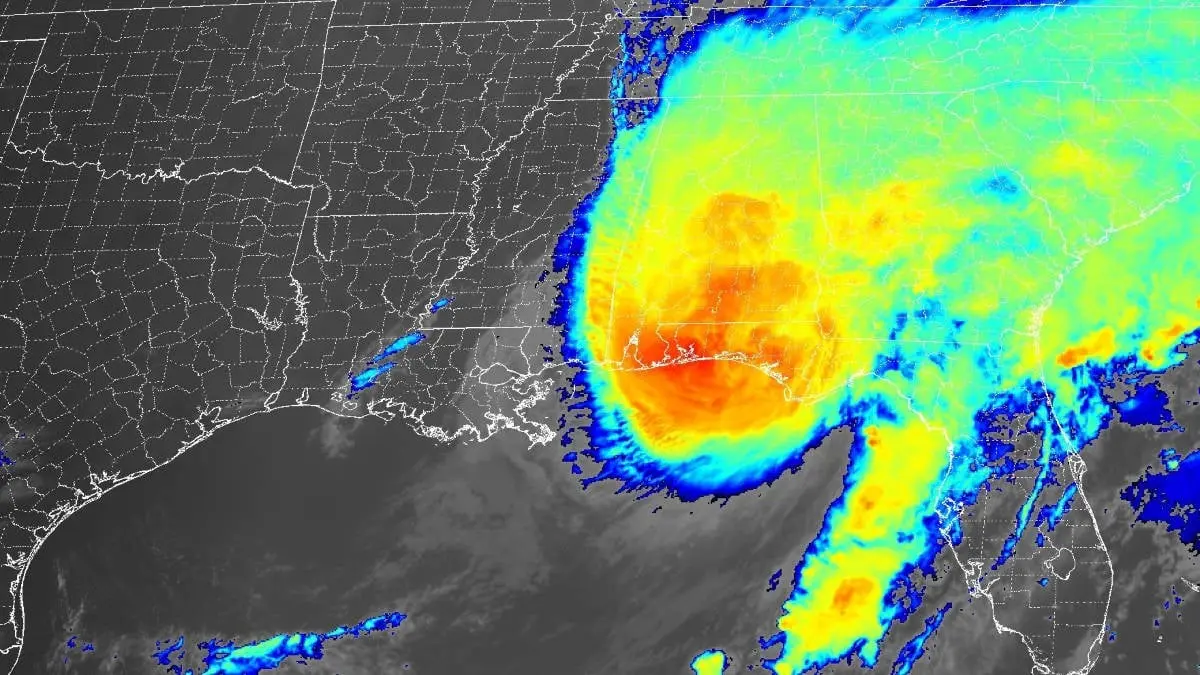
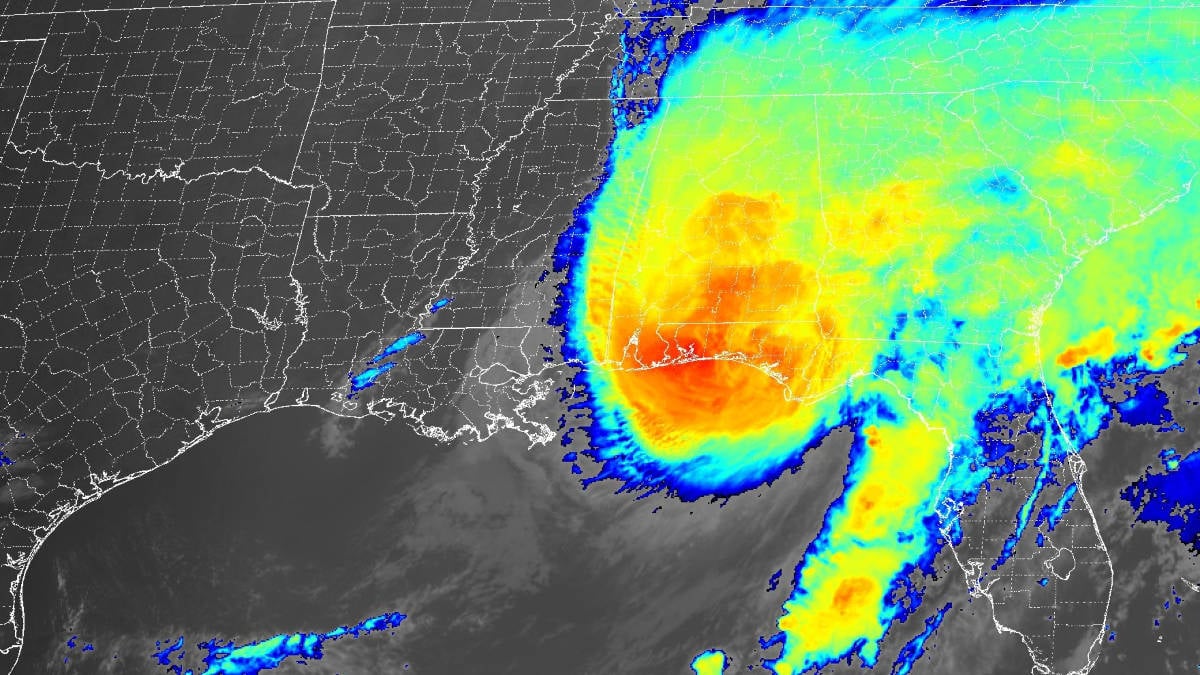
As the 2024 Atlantic hurricane season reaches its most volatile peaks, extreme weather events continue to test the logistical resilience of the global cruise industry. Recently, the formation and trajectory of Hurricane Isaias toward the Gulf Coast sent shockwaves through maritime operations, forcing major cruise lines to act swiftly to protect passengers, crew, and multi-million-dollar vessels.
While the broader commercial shipping and aviation sectors faced widespread cancellations, major cruise operators implemented dynamic routing strategies to steer clear of the storm’s destructive path. Among them, Carnival Cruise Line emerged as the primary operator affected along the U.S. Gulf Coast, initiating immediate itinerary adjustments for multiple ships operating out of key southern hubs: the Port of Galveston in Texas and the Port of New Orleans in Louisiana.
The disruptions underscore the complex balancing act cruise executives face: maintaining passenger satisfaction and vacation schedules while prioritizing maritime safety above all else. For travelers embarking during this window, the storm resulted in delayed embarkations, compressed port stays, and altered sea-day routes. This comprehensive report breaks down the specific impacts on three key Carnival vessels—Carnival Dream, Carnival Liberty, and Carnival Valor—examines the broader operational context of Gulf Coast cruising during severe weather, and analyzes what these disruptions mean for the future of storm-season maritime travel.
Detailed Chronology of Operational Disruptions
The meteorological threat posed by Hurricane Isaias required a cascading series of tactical adjustments by Carnival’s marine operations team. Because safety protocols dictate that mega-ships must maintain a wide berth from sustained gale-force winds, high seas, and storm surges, even a distant hurricane can ripple through a vessel’s schedule days in advance.
Below is the detailed chronology of how the disruptions unfolded across Carnival’s Gulf Coast fleet.
1. Carnival Dream (October 10, 2024 – Bahamas Sailing)
The disruption for the Carnival Dream began before its scheduled departure on October 10, serving as a prime example of how a delayed arrival from a previous voyage can create an operational bottleneck at the terminal.

- The Precursor: Due to Hurricane Isaias churning waters in the broader region, the Carnival Dream experienced delays on its return transit to Galveston following its prior October 3 voyage. Slowing down to avoid adverse sea conditions or altering course to dodge heavy squalls inevitably eats into the turnaround window required for customs clearance, provisioning, passenger disembarkation, and subsequent boarding.
- The Impact on Embarkation: To accommodate the delayed return of the vessel, Carnival Cruise Line took the proactive step of pushing back the embarkation process for the ship’s subsequent seven-night Bahamas itinerary.
- Passenger Advisory: Affected guests booked on the October 10 cruise were officially instructed to delay their arrival at the Galveston cruise terminal by a mandatory two hours. Furthermore, Carnival implemented a strict check-in cutoff time of 4:00 PM local time to ensure the ship could still depart safely on the same calendar day, minimizing the overall length of the delay. Aside from the adjusted terminal arrival window, the remainder of the Carnival Dream’s Bahamas itinerary remained largely insulated from further revisions.
2. Carnival Liberty (October 4, 2024 – Western Caribbean Sailing)
Operating out of the Port of New Orleans, the Carnival Liberty encountered localized scheduling shifts tied directly to regional port traffic and weather-adjusted arrival windows in the Western Caribbean.
- The Itinerary Adjustment: The ship’s October 4 departure faced a minor time modification specifically concerning its scheduled port call in Cozumel, Mexico, on October 9.
- The Revised Schedule: Originally slated for an extended day in port from 10:00 AM to 6:00 PM, the vessel’s arrival parameters were adjusted to a 9:00 AM to 5:00 PM window. While a one-hour shift forward may appear minor on paper, such adjustments require precise advance coordination with local Mexican port authorities, pilot services, and shore excursion operators.
- Operational Outcome: By shifting the call forward by an hour, the ship maintained its required cruising speed through regional waters without needing to race the weather system, ensuring a smooth and comfortable experience for guests ashore and onboard.
3. Carnival Valor (October 8, 2024 – Western Caribbean Sailing)
Perhaps the most direct tactical evasion maneuver among the three affected ships involved the Carnival Valor, also departing from New Orleans. To keep the vessel entirely out of harm’s way, the captain and marine operations team elected to steer the ship into calmer, open waters away from the outer bands of Hurricane Isaias.
- Evasive Maneuvers: Dodging a hurricane requires sacrificing optimal arrival times to prioritize navigational safety. Consequently, the Carnival Valor’s October 8 sailing experienced a compressed port call during its visit to Cozumel.
- The Revised Schedule: The ship’s arrival in Cozumel was pushed back from the originally scheduled 8:00 AM slot to 10:00 AM. Additionally, its departure time was moved up slightly from 6:00 PM to 5:00 PM, shortening the total time guests had ashore by two hours.
- Passenger Experience: While losing two hours in port can be disappointing for travelers eager to explore downtown San Miguel de Cozumel or visit Mayan ruins, the tradeoff—avoiding punishing seas and high winds—was universally recognized by seasoned cruisers as a necessary safety precaution.
Supporting Context & Metrics: Cruising the Gulf in Hurricane Season
To fully appreciate the scope of these operational changes, one must examine the unique geography and climatological challenges of Gulf Coast cruising.
The Gulf of Mexico: A Warm-Water Basin
The Gulf of Mexico is notoriously sensitive to tropical cyclone activity. Characterized by high sea-surface temperatures and shallow bathymetry in certain areas, storms tracking through the region can intensify rapidly. For cruise lines operating out of Texas (Galveston) and Louisiana (New Orleans), every itinerary heading south toward the Western Caribbean or east toward the Bahamas must thread a nautical needle during peak hurricane season (stretching officially from June 1 to November 30).
Fleet-Wide Resilience and Statistical Context
While three Carnival ships experienced adjustments during the passage of Hurricane Isaias, it is worth noting that the vast majority of the company’s fleet—and competitors such as Royal Caribbean, Norwegian Cruise Line, and Disney Cruise Line—maintained their schedules without major incident.
| Vessel Name | Homeport | Primary Itinerary | Nature of Isaias Disruption |
|---|---|---|---|
| Carnival Dream | Galveston, TX | 7-Night Bahamas | Delayed embarkation & 2-hour terminal arrival pushback |
| Carnival Liberty | New Orleans, LA | Western Caribbean | Shifted Cozumel port hours (9:00 AM – 5:00 PM) |
| Carnival Valor | New Orleans, LA | Western Caribbean | Compressed Cozumel port call (10:00 AM – 5:00 PM) |
Cruise lines invest heavily in state-of-the-art meteorological routing software. Modern cruise ships are equipped with advanced radar, satellite communication arrays, and dedicated weather routing teams operating out of corporate headquarters (such as Carnival’s Fleet Operations Center in Miami). These teams monitor atmospheric pressure drops, wave heights, and wind vectors 24/7, allowing captains to make proactive course corrections up to a week before a storm makes landfall.
Official Statements and Industry Protocols
In the wake of Hurricane Isaias, Carnival Cruise Line reiterated its unwavering commitment to safety, transparency, and guest communication.
The Carnival Communications Strategy
When weather events threaten scheduled departures, cruise operators follow strict communication protocols to minimize traveler anxiety and logistical chaos at the ports. For the Carnival Dream, automated text alerts, emails, and travel agent notifications were deployed rapidly to inform guests of the two-hour terminal delay before they drove to Galveston.
An industry spokesperson noted during the event:
"The safety of our guests and crew is always our absolute top priority. While we understand that itinerary modifications and delayed embarkations can cause temporary inconveniences to vacation plans, our marine operations teams make these decisions proactively to avoid severe weather systems and ensure a comfortable, secure journey at sea."
Port Authorities and Terminal Management
Ports like Galveston and New Orleans are well-versed in handling weather-related disruptions. Terminal operators work hand-in-hand with cruise lines to manage parking lot flows, stagger passenger drop-offs, and adjust security screening schedules dynamically. During the Carnival Dream delay, Galveston port officials coordinated closely with local law enforcement and parking attendants to prevent traffic gridlock on Interstate 45 and Seawall Boulevard, ensuring that passengers arriving for the revised 4:00 PM check-in deadline experienced a streamlined process.
Future Outlook: Navigating Climate Volatility in Modern Cruising
As meteorological patterns continue to evolve, the cruise industry faces mounting pressure to adapt to increasingly unpredictable weather phenomena. The operational realities highlighted by Hurricane Isaias offer a glimpse into the future of maritime travel management.
Technological Advancements in Marine Routing
The margin of error in cruise navigation is shrinking, but the tools available to captains are more sophisticated than ever. Artificial intelligence and machine learning models are increasingly being integrated into weather-routing algorithms. These systems can simulate hundreds of potential storm tracks within seconds, allowing fleet operators to select the optimal speed and heading to completely bypass heavy swells without burning excessive bunker fuel.
What This Means for Future Travelers
For travelers booking cruises during the Atlantic hurricane season (particularly August through October), flexibility has become the ultimate travel accessory. Industry experts recommend the following best practices for anyone cruising during these months:
- Purchase Comprehensive Travel Insurance: Ensure policies cover weather-related delays, missed connections, and trip interruptions.
- Arrive a Day Early: When flying into homeports like Galveston, New Orleans, Miami, or Port Canaveral during hurricane season, always fly in at least 24 hours before embarkation to safeguard against delayed flights caused by regional storms.
- Monitor Official Channels: Stay tuned to cruise line text alerts, official website updates, and trusted industry news sources like Cruise Hive for real-time operational announcements.
Conclusion
Hurricane Isaias served as a stark reminder of the raw power of nature, but it also highlighted the remarkable agility of modern cruise operations. Through swift communication, precise navigational adjustments, and an uncompromising focus on safety, Carnival Cruise Line successfully navigated the storm’s disruptions. As Cruise Hive continues to monitor developments across the high seas, one thing remains certain: the cruise industry’s ability to adapt ensures that travelers can continue exploring the world, even when the weather attempts to stand in their way.