











Executive Overview
As urban planners worldwide grapple with the compounding crises of urban congestion, carbon emissions, and pedestrian safety, the paradigm of urban mobility is undergoing a quiet yet profound revolution. The automobile-centric models of the 20th century are increasingly being challenged by robust, multi-modal transportation frameworks that prioritize human-scale infrastructure.
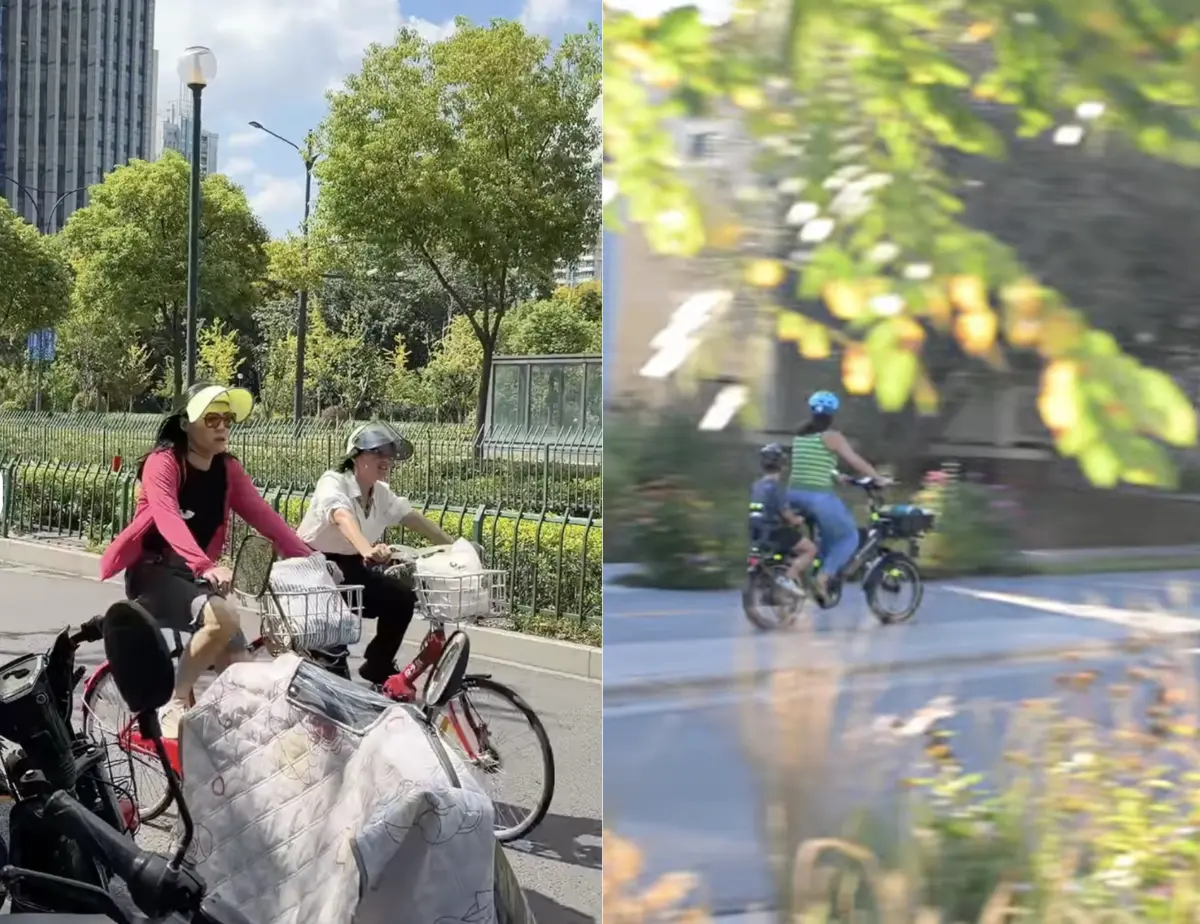
This report examines two distinct case studies that highlight the current frontiers of global cycling advocacy and infrastructure development: the gold standard of cold-weather cycling established in Minneapolis, Minnesota, and the historical paradox of modern cycling culture in Shanghai, China.
Drawn from recent analyses by prominent urban mobility commentators—including the regional insight of Chicagoans Who Bike and the international perspective of the cycling channel Shifter—this analysis explores how geography, engineering, and cultural software dictate the success or failure of mass-scale urban cycling.
In Minneapolis, municipal planners have successfully engineered a network that defies Midwestern winters, creating curb-level, ultra-wide infrastructure capable of year-round deployment. Conversely, Shanghai presents a fascinating historical and sociological study. Once the undisputed epicenter of global bicycle adoption with mode shares reaching staggering historical heights, the Chinese megacity now boasts world-class physical infrastructure ("hardware") while navigating a complex societal evolution regarding the cultural prestige of cycling ("software").
By examining these distinct urban environments, transit authorities, civil engineers, and city planners can glean invaluable lessons on how to construct resilient, equitable, and widely utilized cycling networks.
Detailed Chronology
To understand the current state of modern cycling infrastructure, it is necessary to trace the developmental trajectories of both North American cold-weather mobility and East Asian mass transit evolution.
The Evolution of North American All-Weather Cycling (1990s–Present)
- Late 1990s to Early 2000s: Cycling advocacy in the United States was largely dominated by recreational initiatives and painted sharrows on high-speed arterial roads. Cities with severe winter climates, such as Minneapolis and Chicago, largely wrote off cycling as a seasonal, warm-weather activity.
- 2010s: A paradigm shift occurred as Minneapolis began investing heavily in protected bike lanes (often referred to as cycle tracks). Rather than treating cycling infrastructure as an afterthought, the city integrated it directly into capital improvement projects.
- Late 2010s to 2020s: Minneapolis pioneered winter maintenance protocols for cycling networks, deploying specialized, full-size snowplows designed specifically to clear protected lanes instantly. This eliminated the seasonal drop-off in ridership traditionally seen in northern climates.
- Present Day: Recognized widely as having arguably the best cycling network in the United States, Minneapolis serves as a living laboratory for North American urban planners, prompting even friendly sports rivals—such as transit advocates from Chicago—to cross state lines to study its design philosophies.
The Transformation of Urban Mobility in China (1970s–Present)
- 1970s–1980s: The bicycle reigned supreme across the People’s Republic of China. Fleets of uniform bicycles (such as the iconic Flying Pigeon) dominated the thoroughfares of Beijing, Shanghai, and Guangzhou, serving as the primary engine of personal and commercial transport.
- 1990s–2010s: Rapid economic liberalization and industrialization ushered in an era of unprecedented urban expansion and automobile adoption. Megacities prioritized multi-lane highways and elevated expressways, leading to a steep decline in cycling mode shares as cars became status symbols and bicycles were increasingly viewed as relics of a less affluent past.
- Mid-2010s: The dockless bike-share boom (pioneered by companies like Mobike andofo) flooded Chinese cities with millions of bicycles, democratizing access once again and forcing municipal governments to rapidly retrofit streets with physical cycling tracks.
- Present Day: Contemporary Chinese megacities possess some of the most advanced physical cycling infrastructure (“hardware”) globally. However, as documented by international transit analysts, the societal perception of cycling (“software”) continues to evolve, caught between a desire for modern motor-vehicle luxury and a renewed appreciation for sustainable, human-centric transport.
Supporting Context & Metrics
The quantitative realities of urban cycling reveal stark contrasts between historical peaks, regional adaptations, and modern modal splits.
Minneapolis: Engineering for the Elements
The success of the Minneapolis cycling network is not merely a product of route mileage, but of engineering quality. Key metrics defining the system include:
- Separation Grade: The vast majority of the city’s premier cycling network utilizes curb-separated, grade-isolated cycle tracks rather than simple painted lines, dramatically reducing conflict points with vehicular traffic.
- Winter Operational Capacity: Infrastructure dimensions are specifically designed to accommodate full-scale municipal snow-removal equipment. By ensuring that bike lanes are cleared on the same schedule as arterial roadways, Minneapolis maintains year-round commuter baselines that humble cities with much milder climates.
- Cross-Regional Validation: The acknowledgment from neighboring metropolitan media—such as the digital documentary efforts of Chicagoans Who Bike—underscores that Minneapolis has successfully bridged the gap between cycling advocacy and practical, heavy-duty civil engineering.
Shanghai and China’s Megacities: The Numbers Behind the Boom
The historical scale of cycling in China remains one of the most remarkable phenomena in modern transportation history:
- Historical Mode Share: During the height of the bicycle era in the late 20th century, several major Chinese megacities logged cycling mode shares as high as 64%. To put this in perspective, this completely eclipses the contemporary mode shares of celebrated European cycling paradises like Amsterdam (roughly 35–40%) and Copenhagen (roughly 45%).
- Infrastructure vs. Culture Paradox: Modern urban analysts utilize the conceptual framework of "hardware" (physical lanes, traffic signals, bike-share docks) versus "software" (social attitudes, prestige, safety culture). While Chinese cities currently boast world-class hardware—often featuring multi-lane, tree-lined protected paths separated entirely from high-speed vehicular corridors—the cultural software has occasionally lagged, as rising middle classes historically associated bicycles with poverty rather than progressive urbanism.
- The Reversal Potential: Current trends indicate that as traffic congestion chokes urban centers and climate consciousness rises among younger generations, the cultural software in cities like Beijing and Shanghai is beginning to catch up to their physical infrastructure, signaling a potential renaissance for Asian urban cycling.
Official Statements & Expert Perspectives
Urban mobility experts, transportation researchers, and digital documentarians have weighed in heavily on the lessons these disparate cities offer to the global stage.
"If these ultra-wide, curb-level, full-size-snow-plow-ready paths can overcome the Bears/Vikings rivalry, you know they’ve got to be good."
— Representative Commentary, Chicagoans Who Bike
This sentiment captures the undeniable objective quality of the Minneapolis network. When critics from rival metropolitan areas—accustomed to fragmented, unprotected urban cycling routes—testify to the seamless connectivity and safety of Minneapolis infrastructure, it signals that the city has moved past theoretical planning into master-class execution.
On the international front, cycling historian and YouTuber Mikael Colville-Andersen (Shifter) offers profound reflections on the state of urban mobility in Asia during his deep dive into Shanghai:
"Forget what you thought about urban cycling in China. A few decades ago, these megacities were the undisputed kings of two-wheeled transport, crushing anything Europe has ever seen. The physical infrastructure remains staggering, and while the cultural perception of the bicycle took a hit during the car-obsessed economic boom, the foundation is primed for an extraordinary cultural comeback."
Urban planning researchers at institutions studying global transit trends emphasize that municipal success relies on holistic integration. According to transit policy briefs published by international urban development coalitions, building physically separated infrastructure is only half the battle; cities must actively cultivate an environment where non-motorized transport is viewed as safe, prestigious, and convenient for citizens of all ages and socioeconomic backgrounds.
Future Outlook
As urban centers look toward the middle of the 21st century, the lessons of Minneapolis and Shanghai offer a blueprint for sustainable municipal growth.
1. The Winterized City as a Standard
For decades, cold-weather cities excused low cycling rates by pointing to seasonal weather patterns. Minneapolis has definitively shattered this excuse. The future of North American urban planning will increasingly look to Minneapolis-style winter maintenance protocols as a baseline requirement for federal and state transit grants. Expect to see northern metropolitan areas aggressively redesigning their cycle tracks to accommodate heavy-duty snow removal equipment, ensuring that climate resilience does not come at the expense of active transportation.
2. Bridging the Hardware-Software Gap in Asian Megacities
As congestion pricing, low-emission zones, and smart-city initiatives proliferate across Asian economic hubs, the cultural stigma historically attached to cycling is rapidly evaporating. Shanghai and its peer cities are poised to leverage their unmatched physical infrastructure to reassert global leadership in sustainable transit. By pairing world-class physical "hardware" with progressive educational campaigns and safety-first traffic calming measures (the "software"), these megacities can inspire a new generation of daily riders.
3. Toward a Unified Global Standard for Human-Scale Mobility
Ultimately, the trajectories of Minneapolis and Shanghai converge on a single, overarching truth: the future belongs to cities that design for people, not automobiles. Whether overcoming the sub-zero temperatures of the American Midwest or reclaiming the historic two-wheeled heritage of East Asian economic powerhouses, the mandate for modern urban planners is clear. Protected networks, year-round maintenance, and cultural integration are no longer optional luxuries—they are the foundational pillars of the 21st-century resilient city.


