











Executive Overview
The American retirement narrative has long been tethered to the automobile. For decades, standard wisdom dictated that leaving the workforce meant trading the urban grind for a sun-drenched, car-dependent Sun Belt suburb. However, a quiet demographic shift is underway. A growing segment of retirees is opting out of vehicular ownership entirely, seeking to shed the mounting financial burdens, maintenance headaches, and physical stressors of driving.
While coastal metropolises like New York, San Francisco, and Seattle are widely recognized for car-free infrastructure, the American Midwest is rapidly emerging as a viable, highly appealing alternative. Traditionally viewed as vast, rural, and uncompromisingly car-centric, the 12-state region harbors pockets of exceptional pedestrian and transit-oriented infrastructure. By anchoring themselves near vibrant downtown districts, historic neighborhoods, and major university hubs, retirees can access robust public transportation networks, comprehensive healthcare systems, cultural stimulation, and essential daily amenities entirely on foot, by bicycle, or via public transit.
This report examines nine standout Midwest cities that offer genuine car-free retirement potential. Drawing on comparative walkability metrics, local transit analysis, municipal retirement resources, and firsthand resident perspectives, we evaluate how these urban centers stack up for retirees looking to park their cars for good.
Detailed Chronology and Evolution of Midwest Urban Mobility
The transformation of select Midwest cities into pedestrian-friendly retirement havens is not accidental; it is the result of decades of strategic urban planning, historic preservation, and the enduring economic and cultural gravity of major educational institutions.
The Industrial Foundation and the Streetcar Era
Many Midwest urban centers achieved their dense, human-scaled architecture during the late 19th and early 20th centuries, long before the rise of the personal automobile. Cities like Chicago, Milwaukee, St. Louis, and Minneapolis were originally built around extensive streetcar networks and rail hubs. Neighborhoods grew outward in concentric circles from central business districts, ensuring that corner groceries, pharmacies, and social halls were within a short walking distance of residential tenements and single-family homes alike.
The Post-War Shift and Urban Renewal
Following World War II, the widespread adoption of the automobile and the development of the interstate highway system triggered a mass migration toward suburban sprawl. Downtown centers across the Midwest faced decades of disinvestment, population loss, and the demolition of historic fabric to make way for parking lots and urban expressways.
The Renaissance of Transit-Oriented Development
Beginning in the late 20th century and accelerating into the 2000s, a counter-movement took root. Municipalities began reinvesting in core neighborhoods, waterfronts, and public transit corridors. University towns—such as Ann Arbor, Madison, and Iowa City—served as resilient anchors, maintaining dense, pedestrian-first cores insulated from complete suburbanization. Concurrently, major metropolitan areas like Chicago, Minneapolis, and Milwaukee doubled down on light rail expansion, protected bike lanes, and mixed-use zoning, laying the groundwork for the modern car-free lifestyle that attracts today’s active retirees.

The 9 Standout Midwest Cities for Car-Free Retirement
1. Chicago, Illinois: The Regional Heavyweight
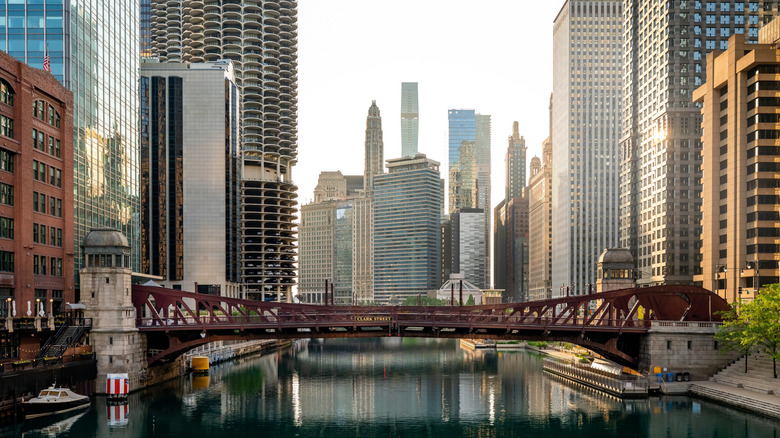
Chicago stands undisputed as the most robustly connected and walkable city in the Midwest. For retirees seeking a bustling urban environment without the necessity of a car, the city offers an unmatched matrix of neighborhoods and suburbs.

- The Core and Neighborhoods: The central business district, known as The Loop, is framed by the Chicago River and the circular route of the Chicago "L" (elevated train). Surrounding neighborhoods like Lincoln Park, Old Town, Wicker Park, Bucktown, and the historic suburb of Oak Park provide seamless access to supermarkets, boutiques, and green spaces like the Lake Michigan Lakeshore Trail.
- Transit and Culture: Operated by the Chicago Transit Authority (CTA), the transit network includes rapid rail lines and over 40 bus routes. Seniors enjoy heavily discounted admission to world-class cultural institutions like The Art Institute of Chicago, alongside numerous free-admission days for residents. The city’s culinary scene ranges from legendary deep-dish pizza to iconic Chicago-style hot dogs (served strictly without ketchup).
2. Minneapolis, Minnesota: The Twin Cities Nexus
Hugging the Mississippi River, Minneapolis combines a manageable population of approximately 430,000 with the vast resources of the broader 3.76-million-strong Twin Cities metropolitan area.
- Walkable Enclaves: Downtown Minneapolis is exceptionally pedestrian-friendly, featuring high-rise apartment living adjacent to office hubs and cultural spaces. Surrounding neighborhoods such as Loring Park, the North Loop, the Mill District, and Lowry Hill East boast historic architecture and vibrant community life. The historic Stone Arch Bridge connects pedestrians and cyclists directly across the Mississippi River to Father Hennepin Bluff Park.
- Transit Infrastructure: Metro Transit provides a comprehensive network of light rail and bus lines connecting Minneapolis and St. Paul. Furthermore, St. Paul anchors the Amtrak Borealis route, linking regional travelers down the Mississippi River corridor directly to Chicago.
3. Ann Arbor, Michigan: The Quintessential College Town
Affectionately known as "A2," Ann Arbor is a thriving university hub centered around the University of Michigan, offering a harmonious blend of natural beauty and intellectual stimulation.
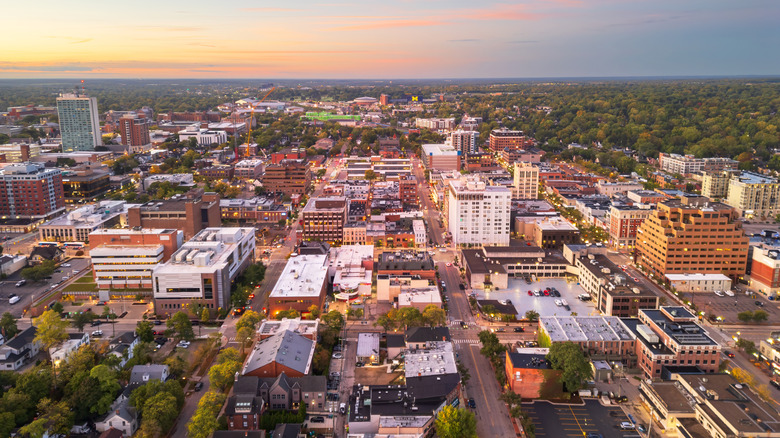
- Navigating the Hub: Downtown and the university campus represent the most walkable zones within city limits. While surrounding townships require vehicular travel, city residents enjoy extensive park systems and the 43-mile Border 2 Border Trail (B2B) for cycling and walking. Public transit is managed by the Ann Arbor Area Transportation Authority ("TheRide"), connecting locals to neighboring Ypsilanti.
- Retirement Engagement: The Ann Arbor Senior Center offers active programming ranging from coordinated park walks to creative arts. Culinary staples like Knights Steakhouse and Zingerman’s Delicatessen anchor a thriving local food scene.
4. St. Louis, Missouri: Culture Along the Mississippi
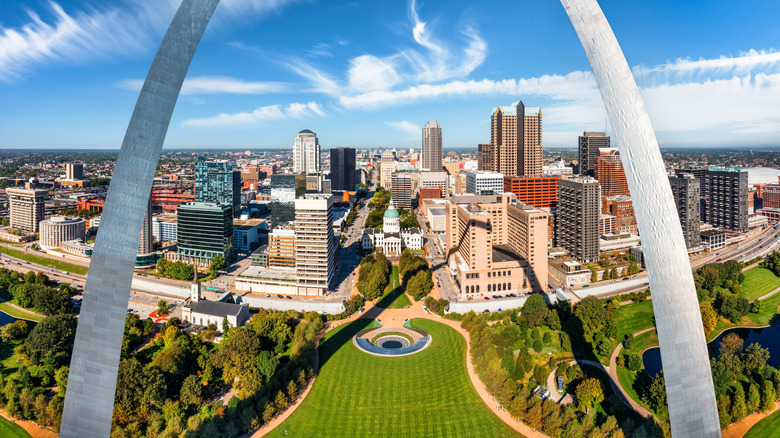
As Missouri’s second-largest city, St. Louis offers a culturally rich urban environment with a climate notably milder during mid-winter than its northern neighbors, though punctuated by humid summers.
- Walkable Pockets: The condensed downtown core features business districts, high-density residential buildings, and the iconic Gateway Arch National Park. Neighborhoods like The Delmar Loop and the Central West End are frequently cited by locals as self-contained models of urban walkability, integrating housing, groceries, and entertainment.
- Transit Systems: Metro operates the city’s public transit, combining the MetroLink light rail system, fixed-bus routes, paratransit, and the on-demand app-based service Via Metro STL. These networks connect residents to cultural cornerstones such as the St. Louis Art Museum, the Pulitzer Arts Foundation, and Busch Stadium.
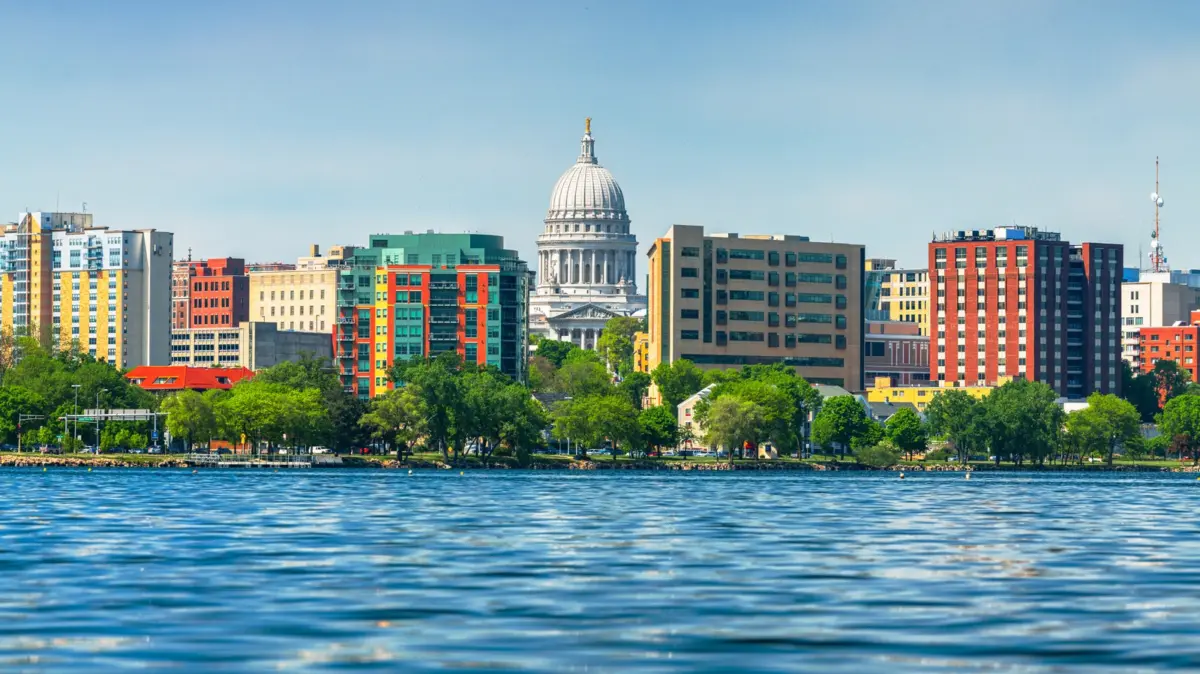
5. Madison, Wisconsin: The Biking Capital of the Midwest
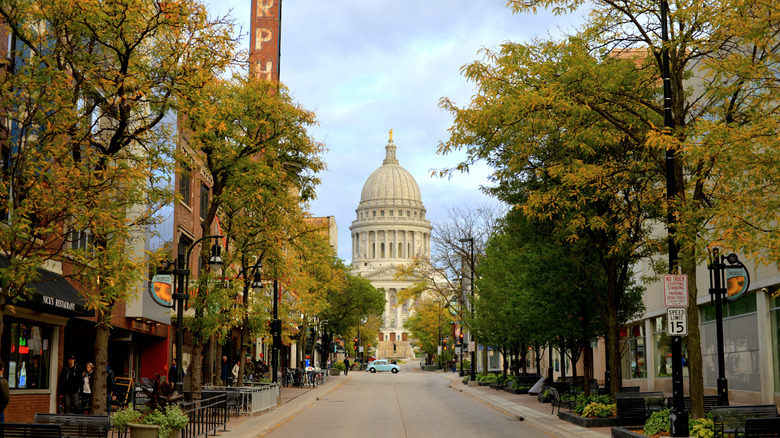
Wisconsin’s state capital occupies a picturesque isthmus cradled between Lake Mendota and Lake Monona, creating a naturally contained, highly pedestrianized environment.
- Active Living: Madison is widely recognized as a premier cycling city, boasting dozens of miles of multi-use paved paths. The central State Street pedestrian corridor connects Capitol Square directly to the University of Wisconsin campus. Neighborhoods such as the Marquette-Willy Street area (Willy St), SASY, and Dudgeon-Monroe offer dense arrangements of cafes, global eateries, and local shops.
- Community and Culture: The Madison Senior Center provides robust fitness and woodworking programs, while the Overture Center for the Arts and the Olbrich Botanical Gardens ensure year-round cultural enrichment.
6. Milwaukee, Wisconsin: Lake Michigan Shoreline Living
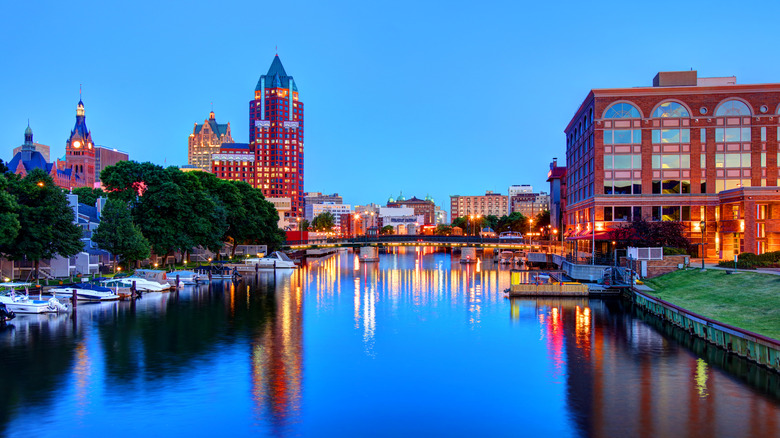
Milwaukee is a post-industrial powerhouse turned dynamic university and cultural hub, featuring exceptionally distinct, historic, and walkable districts.
- Key Neighborhoods: The Historic Third Ward, Bay View, and Riverwest offer vibrant nightlife, coffee shops, and breweries within human-scaled streetscapes. Downtown Milwaukee features a 3.1-mile ADA-accessible RiverWalk winding along both banks of the Milwaukee River.
- Transit and Connectivity: The city operates The Hop, a free downtown streetcar connecting the lakeshore to the Historic Third Ward and the Milwaukee Public Market. Regional transit is bolstered by the Milwaukee County Transit System (MCTS) and the Intermodal Station, which offers Amtrak Hiawatha and Borealis train service to Chicago in under two hours.
7. Iowa City, Iowa: UNESCO City of Literature
As the proud home of the University of Iowa, Iowa City caters to retirees seeking a slower, intellectually rich pace of life within a compact footprint.
- Pedestrian Infrastructure: Downtown Iowa City features a renowned pedestrian mall lined with independent bookstores, local boutiques, and dining establishments like ReUnion Brewery and The Stuffed Olive.
- Senior Resources: The Iowa City Senior Center serves as a vital community hub, providing a dedicated fitness center for adults 50 and older, lifelong learning courses, art studios, and dance classes. The Old Capitol Museum and the Stanley Museum of Art anchor the town’s cultural identity.
8. Athens, Ohio: Appalachian Foothills Charm
Bordering the Appalachian region in southeastern Ohio, Athens offers a distinct cultural flavor characterized by rolling hills, a milder climate, and the vibrant energy of Ohio University.
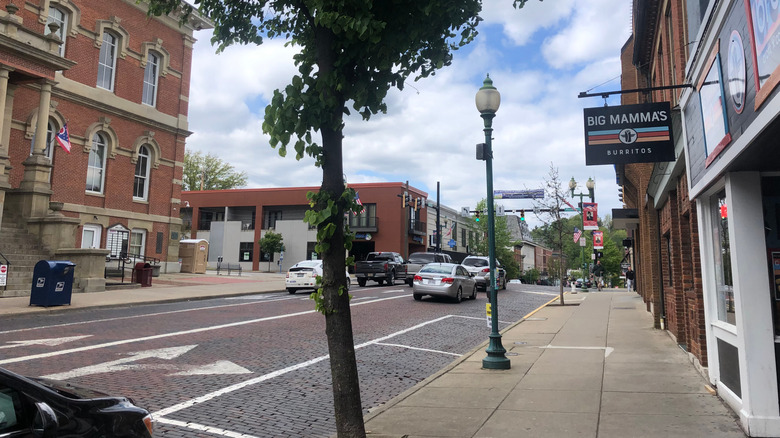
- Walkability and Markets: The compact downtown and campus district represent one of Ohio’s premier walking environments. Due to its more moderate climate, the Athens Farmers Market operates year-round on Saturday mornings.
- Community Support: The United Seniors of Athens County and the Athens Community Center provide active programming, indoor courts, and access to the SilverSneakers fitness initiative for adults 65 and older. Cultural touchpoints include the Southeast Ohio History Center and the non-profit Passion Works Studio.
9. Indianapolis, Indiana: The Crossroads of America
Indiana’s capital and largest city delivers true Midwestern energy, major sporting events, and sprawling urban park systems.
- Navigating the Circle City: While Indianapolis holds a lower aggregate Walk Score compared to dense transit hubs like Chicago, its downtown core and neighborhoods linked by the IndyGo transit network offer viable car-free living. The scenic Canal Walk and White River State Park ("Indy’s Backyard") serve as primary pedestrian arteries.
- Cultural Amenities: Downtown is home to Victory Field, the Eiteljorg Museum of American Indians and Western Art, and the world-class Indianapolis Public Library system, which offers lifelong learning and digital literacy programs for seniors.
Supporting Context and Comparative Metrics
To evaluate the true viability of these nine cities for car-free retirement, urban planners and mobility experts typically analyze a combination of Walk Scores, transit connectivity indices, and senior-specific municipal infrastructure.
| City | Primary Transit Provider | Notable Walkable Neighborhoods | Standout Senior Resource / Amenity |
|---|---|---|---|
| Chicago, IL | CTA (Rail & Bus) | The Loop, Lincoln Park, Oak Park | Senior discounts at major museums & cultural institutions |
| Minneapolis, MN | Metro Transit (Light Rail & Bus) | Loring Park, Mill District, North Loop | Comprehensive Twin Cities skyway and transit network |
| Ann Arbor, MI | TheRide (AAATA) | Downtown, Campus Core, Burns Park | AnnArbor Senior Center & B2B Trail access |
| St. Louis, MO | Metro (MetroLink & Via Metro) | Central West End, The Delmar Loop | Specialized paratransit (Call-A-Ride) & cultural hubs |
| Madison, WI | Metro Transit | Isthmus, State Street, Dudgeon-Monroe | Madison Senior Center & extensive multi-use trail system |
| Milwaukee, WI | MCTS & The Hop (Streetcar) | Historic Third Ward, Bay View, Riverwest | Free downtown streetcar & Amtrak regional rail connection |
| Iowa City, IA | Iowa City Transit | Downtown Pedestrian Mall | Iowa City Senior Center & lifelong learning courses |
| Athens, OH | Athens Public Transit | Downtown & OU Campus Core | United Seniors of Athens County & SilverSneakers access |
| Indianapolis, IN | IndyGo (Bus Rapid Transit) | Downtown, Canal Walk, Mass Ave | Indianapolis Public Library lifelong learning & parks |
Official Statements and Expert Perspectives
Urban planners and municipal housing specialists emphasize that successful car-free retirement hinges upon intentional neighborhood selection rather than relying solely on metropolitan boundaries.
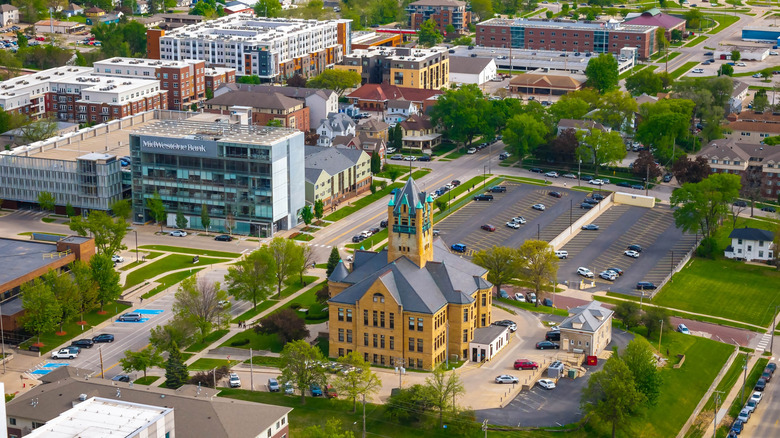
"When looking at the Midwest for car-free retirement, the key is micro-location," notes an urban planning researcher specializing in Midwestern transit corridors. "A retiree attempting to live car-free in the outer perimeter townships of Ann Arbor or Madison will face immense challenges. However, if they anchor themselves within a one-mile radius of the urban core or university districts, their daily quality of life rivals—and in some cases exceeds—that of coastal alternatives, often at a significantly lower cost of living."
Local transit agencies have also prioritized accessibility improvements. Representatives from the Chicago Transit Authority and Milwaukee County Transit System highlight ongoing investments in ADA-compliant infrastructure, low-floor boarding, and specialized senior mobility programs designed to ensure aging populations retain long-term independence without personal automotive ownership.
Future Outlook: The Trajectory of Car-Free Midwest Retirement
As the Baby Boomer generation continues to age, demand for accessible, low-maintenance housing options in walkable, culturally rich environments is projected to surge. While traditional retirement destinations in Florida and Arizona will remain popular, the hidden urban gems of the Midwest offer a compelling value proposition.
Looking ahead, municipal investments in Bus Rapid Transit (BRT) systems, expansion of protected micro-mobility lanes for e-bikes and mobility scooters, and mixed-use senior housing developments near urban cores are expected to further bridge the gap. For retirees willing to embrace a slightly cooler winter climate in exchange for robust cultural institutions, intellectual stimulation, walkable streetscapes, and significant financial savings, the Midwest stands ready to provide a thriving, car-free chapter of life.


