











Executive Overview
For generations, the American school commute has been defined by the low rumble of diesel engines, tailpipe emissions, and a sedentary ride for millions of children. However, a quiet revolution is currently underway across the nation’s school districts and urban neighborhoods. Fueled by federal investments, technological innovation, and a growing cultural shift toward sustainable mobility, electric school buses (ESBs) and electric bicycles (e-bikes) are transforming how children and teenagers move through their daily lives.
Far beyond mere updates to municipal transit and personal transportation, this shift represents a profound public health intervention. Transitioning away from internal combustion engines directly improves ambient air quality around schools and residential neighborhoods, significantly mitigating the incidence of childhood asthma and respiratory illnesses. Simultaneously, the integration of e-bikes into youth transit expands active transportation options, encouraging physical activity, enhancing mental health, and fostering independence among teenagers.
This comprehensive report examines the multifaceted convergence of green transportation and youth health. Drawing on recent developments in sustainable urban planning—such as those highlighted by transit advocates at Streetsblog—we explore how replacing diesel fleets with electric alternatives and embracing micro-mobility for teens creates a blueprint for a healthier, more resilient generation.
Detailed Chronology: The Evolution of Youth Green Transit
The journey toward electrifying student transit and normalising youth e-bike use did not happen overnight. It represents the culmination of years of grassroots advocacy, technological maturation, and shifting federal policy priorities.
Phase 1: The Grassroots Push for Clean Air (Late 2010s)
For decades, parents, environmental justice advocates, and public health officials raised alarms about the disproportionate exposure of children to diesel exhaust. School buses, notoriously known for idling outside school gates, created concentrated plumes of particulate matter (PM2.5) and nitrogen oxides ($textNO_x$). Early grassroots campaigns demanded cleaner alternatives, pointing out that children’s developing lungs and higher respiration rates make them uniquely vulnerable to air pollution.
Phase 2: Federal Funding and the Electric School Bus Boom (2021–2024)
A monumental shift occurred with the passage of federal infrastructure legislation, notably the Infrastructure Investment and Jobs Act (IIJA) of 2021. The legislation allocated billions of dollars specifically to the U.S. Environmental Protection Agency’s (EPA) Clean School Bus Program. School districts across the country—from major metropolitan hubs to rural cooperatives—began replacing aging diesel fleets with zero-emission electric buses. Concurrently, state-level incentives began encouraging transit agencies and school boards to prioritize zero-emission vehicles in historically underserved communities burdened by high pollution levels.
Phase 3: The E-Bike Explosion Among Teenagers (2023–2025)
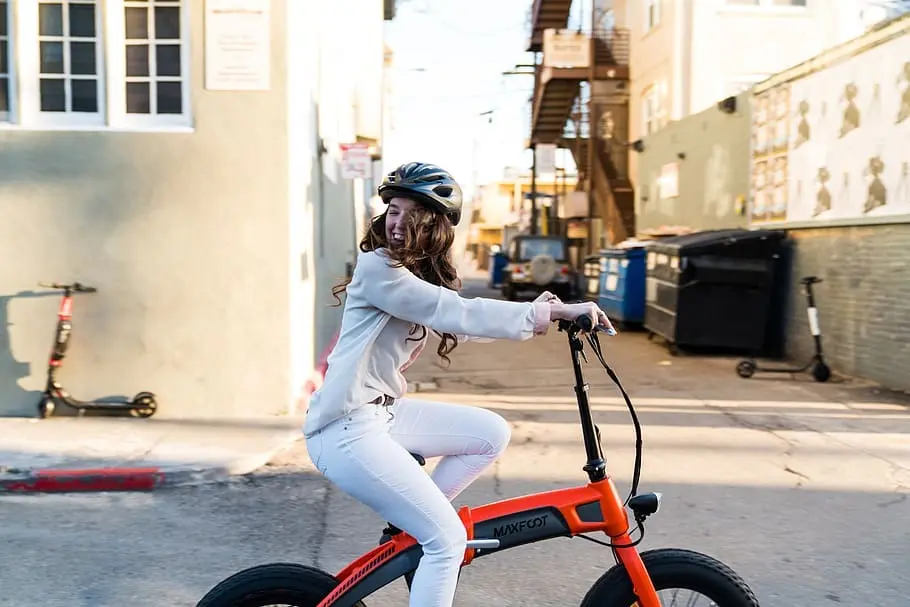
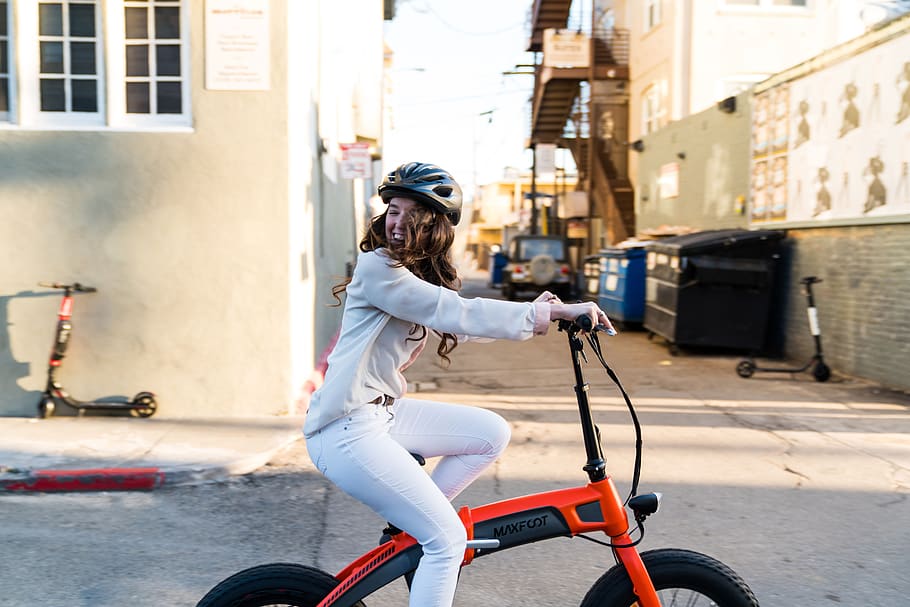
While electric buses cleaned up the group commute, a parallel revolution was taking place on sidewalks and bike lanes: the proliferation of e-bikes among teenagers. Initially viewed as a passing fad or luxury toy, e-bikes quickly proved to be a practical, utilitarian mode of transportation for middle and high school students. Overcoming geographic barriers, steep hills, and long distances that traditionally discouraged cycling, e-bikes enabled teens to commute to school, extracurricular activities, and social gatherings under their own power (augmented by electric assist), integrating physical activity naturally into their daily schedules.
Phase 4: Institutional Integration and Policy Maturation (2026 and Beyond)
By 2026, the intersection of electric transit and youth well-being has transitioned from experimental pilot programs to formalized municipal policy. Urban planners and school administrators are redesigning street grids, building protected bike lanes, and installing robust charging infrastructure at schools. Publications like Streetsblog USA have continued to document how these structural adjustments challenge historical car-centric developments, arguing for better urban design that prioritizes human-scale transit over private developer dominance.
Supporting Context & Metrics: The Science of Sustainable Commutes
To fully appreciate the impact of electric buses and e-bikes, one must examine the measurable intersection of environmental science, respiratory health, and behavioral psychology.
Respiratory Health and Air Quality Metrics
The American Lung Association and various environmental health institutes have long documented the dangers of diesel emissions. Diesel exhaust contains a complex mixture of pollutants, including known human carcinogens and fine particulate matter that penetrates deep into human lung tissue.
- Particulate Reduction: Studies evaluating early adopters of electric school bus fleets demonstrate a near-instantaneous drop in ultrafine particulate concentrations immediately surrounding school loading zones during drop-off and pick-up hours.
- Asthma Mitigation: According to pediatric pulmonology data, children riding on or standing near diesel buses experience higher rates of acute asthma flare-ups. Transitioning to zero-emission electric buses drastically reduces in-cabin and roadside concentrations of $textNO_x$ and carbon monoxide, leading to fewer school absences due to respiratory illness.
- Acoustic Benefits: Beyond air quality, electric buses offer a quieter ride. Reduced cabin noise lowers baseline stress levels for students, creating a calmer, more conducive environment for learning even before the school day begins.
Physical and Mental Health Impacts of E-Bikes
A common misconception is that e-bikes, because they feature a motor, do not provide any cardiovascular or physical health benefits. However, extensive physiological research paints a very different picture.
- Sustained Physical Activity: Studies tracking e-bike users show that riders achieve moderate-intensity physical activity comparable to—and sometimes exceeding—that of traditional bicycle riders. Because e-bikes remove the intimidation factor of steep inclines and long distances, users ride more frequently and for longer durations.
- Mental Well-Being and Independence: For teenagers, the psychological benefits of active transportation are profound. The autonomy provided by an e-bike allows adolescents to explore their communities, reduce reliance on parents for chauffeuring, and experience the mental health benefits of outdoor recreation and social connection.
- Combating Sedentary Lifestyles: In an era defined by screen time and sedentary behavior, integrating e-bikes into the daily routine offers a practical antidote, helping combat rising rates of adolescent obesity and associated metabolic disorders.
Official Statements and Stakeholder Perspectives
The rapid adoption of electric transit and micro-mobility has galvanized a diverse coalition of public health advocates, urban designers, and educational leaders.

Dr. Elena Vance, a leading pediatric environmental health researcher, emphasizes the immediate biological stakes:
"Children are not just little adults; their bodies are actively developing, and their immune and respiratory systems are exceptionally sensitive to airborne toxins. Every diesel bus we take off the road and replace with an electric alternative is a direct investment in a child’s lung capacity and long-term vitality. When you combine that clean air with the active lifestyle promoted by e-bikes, you have a powerful preventative health strategy."
Urban planning advocates have similarly highlighted the systemic changes required to support these new transit modes. Commentary from sustainable transportation networks, including reports covered by Streetsblog, points out the historical failures of car-centric urban design:
"The best cities have street grids with small blocks, but in recent decades cities have ceded the important responsibility of designing streets to private developers. To truly unlock the health benefits of e-bikes and safe student transit, municipalities must reclaim control of the public right-of-way—building protected infrastructure that separates vulnerable riders from heavy vehicular traffic."
School district transportation directors across the country have also reported overwhelmingly positive feedback. While initial hurdles involved grid capacity and charging infrastructure installation, drivers note that electric buses offer smoother acceleration, vastly reduced maintenance costs, and an improved work environment free from chronic diesel fumes and engine vibration.
Future Outlook: Building a Healthier Infrastructure for Tomorrow
As communities look toward the future, the momentum behind electric school buses and youth e-bikes signals a permanent shift in American infrastructure and lifestyle expectations. However, realizing the full potential of these green transit solutions requires sustained commitment across multiple fronts.

1. Expanding Charging Infrastructure
For electric school bus fleets to reach 100% adoption nationwide, utility companies and municipal governments must proactively upgrade electrical grids around bus yards and depots. Smart-charging technologies can also allow buses to feed energy back into the grid during peak demand hours, turning school fleets into mobile community batteries.
2. Infrastructure Retrofitting and Safe Routes
The surge in youth e-bike usage necessitates immediate improvements to the built environment. Cities must accelerate the construction of protected bike lanes, traffic-calmed school zones, and secure bicycle parking facilities at educational institutions. Without safe, dedicated pathways, the physical safety of young riders remains vulnerable to distracted drivers in oversized vehicles.
3. Equity and Access
A critical challenge moving forward is ensuring that the health benefits of e-bikes and electric transit are distributed equitably. While affluent suburbs have seen rapid private adoption of e-bikes, lower-income urban and rural communities often rely entirely on public transit and aging school fleets. Targeted state and federal subsidy programs must ensure that children in marginalized neighborhoods have equal access to clean-air school buses and affordable active micro-mobility options.
Conclusion
The convergence of electric school buses and youth e-bikes marks a watershed moment for public health and urban mobility. By eliminating toxic tailpipe emissions and encouraging active, independent travel among teenagers, these technologies are actively reshaping the physical and mental well-being of the younger generation. As cities continue to redesign their streets and prioritize sustainable infrastructure, the legacy of the diesel-choked school commute will give way to a cleaner, healthier, and more vibrant future.


