When Americans begin sketching out the blueprints for their golden years, a familiar set of geographic tropes usually dominates the conversation: the sun-baked, manicured retirement communities of Florida, or the desert landscapes of Arizona. For decades, the conventional wisdom dictated that trading a professional career for a fixed income required packing up the winter coats and heading deep into the Sun Belt.
However, a definitive 2024 study conducted by financial services firm SoFi—and subsequently highlighted across national financial networks—upended these long-held assumptions. Looking past the traditional southern retirement magnets, data analysts crowned Barnstable, Massachusetts, as the single "happiest place to retire" in the United States.
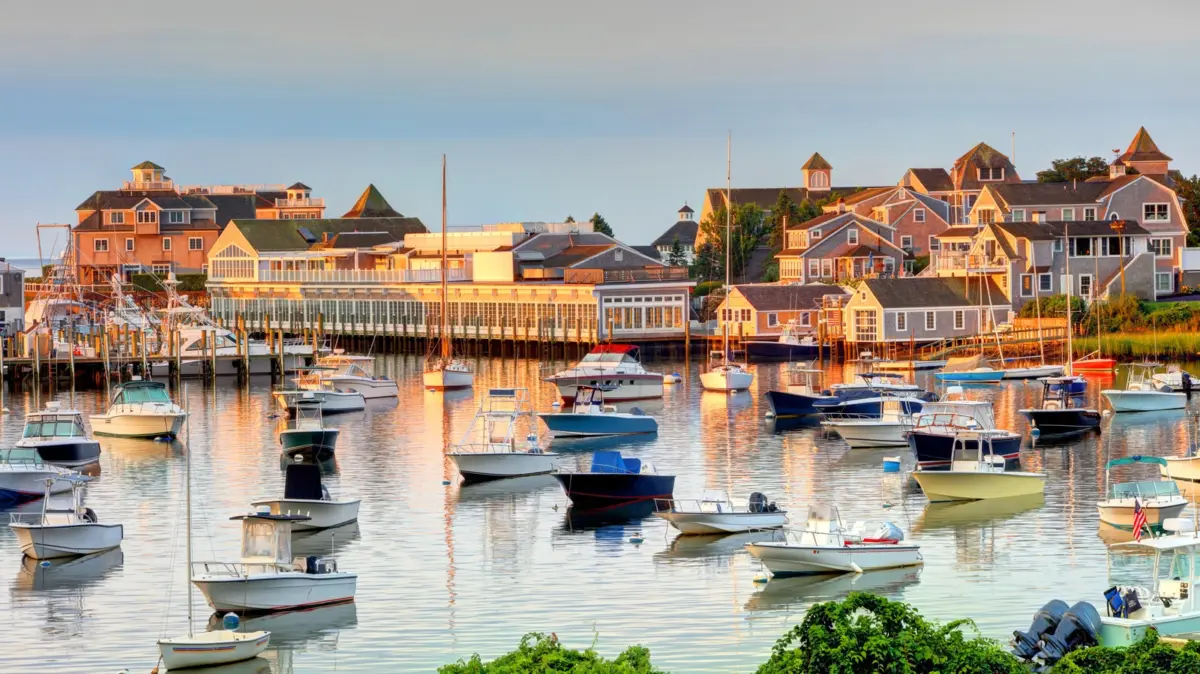
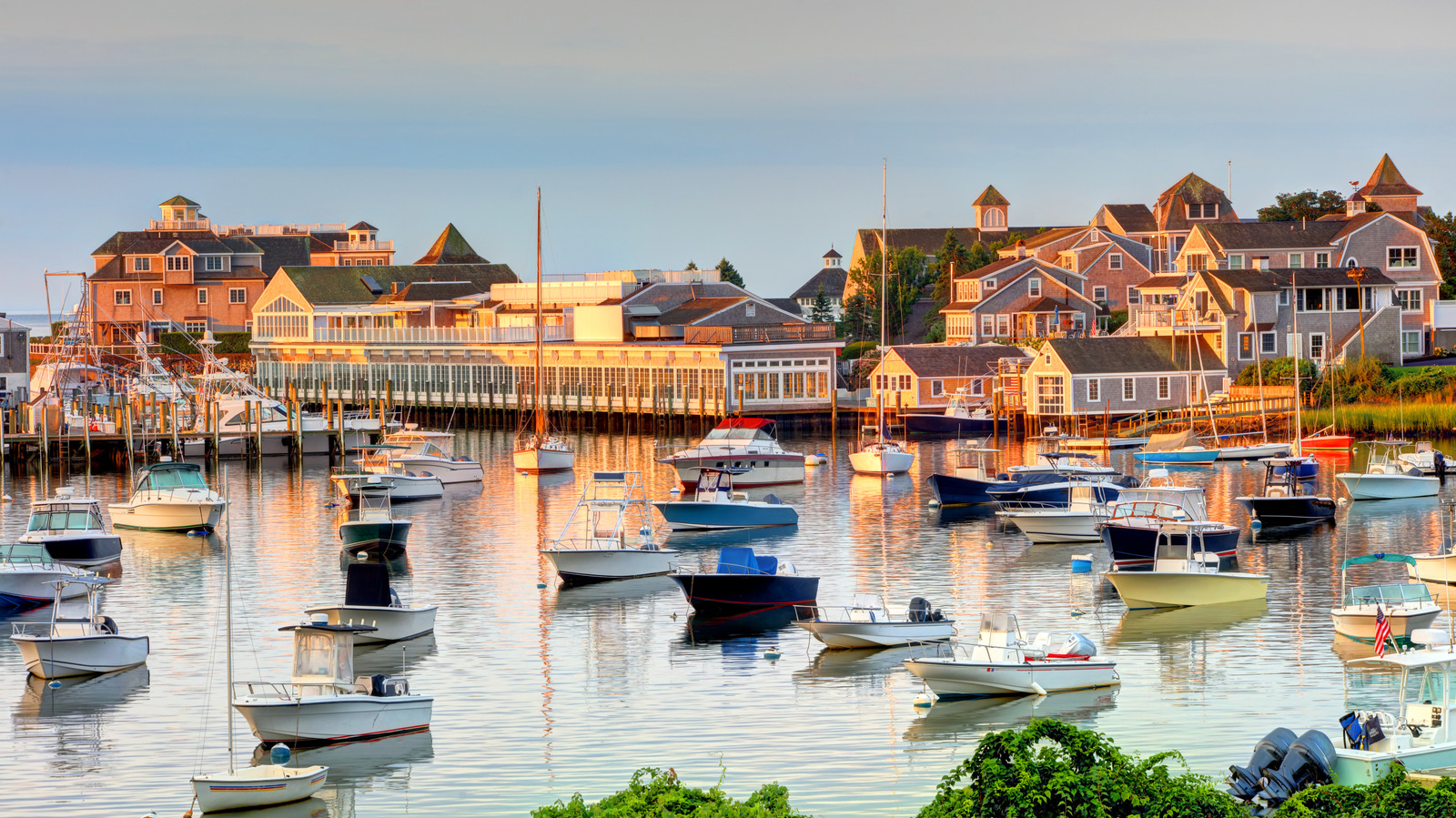
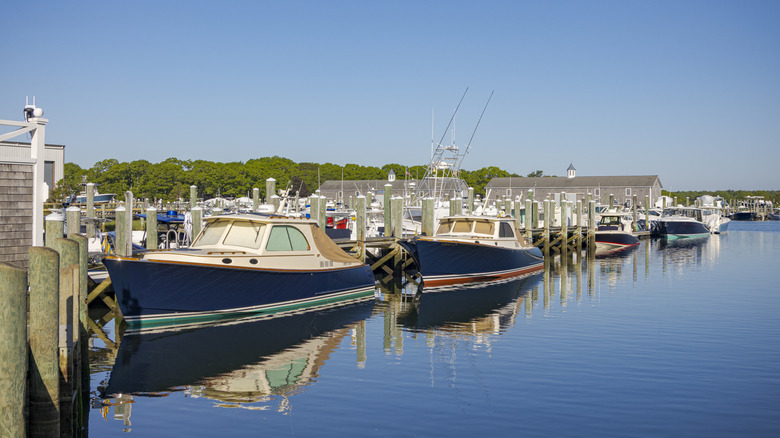
Surpassing bustling urban metropolises and conventional resort towns alike, this sprawling Cape Cod jewel earned top marks across a rigorous rubric of retiree metrics. Evaluators measured overall resident well-being, healthcare proximity, community civic engagement, local safety, and access to pristine outdoor spaces. Home to just over 50,000 residents spread across seven distinct villages, Barnstable offers a compelling alternative to nearby Boston. It delivers the quintessential, salt-sprayed charm of New England maritime living without the crushing congestion, soaring property taxes, and unrelenting pace of a major metropolitan hub.
Detailed Chronology: From 17th-Century Settlement to Modern Haven
To understand how Barnstable evolved into a premier sanctuary for retirees, one must look at a trajectory spanning nearly four centuries of coastal history.
1639 — The Colonial Roots: English settlers first laid down roots in the area, establishing a community deeply intertwined with the rhythms of the Atlantic Ocean. Early industries revolved around fishing, salt-making, and agrarian farming, shaping a rugged work ethic that still underpins the local culture.
The Maritime Golden Age (18th–19th Centuries): As the United States grew, Barnstable flourished as a bustling hub for shipbuilding, whaling, and coastal trade. Sea captains built stately federal and Greek Revival homes along the old King’s Highway—homes that today form the backbone of the region’s historic architectural preservation. The construction of navigational beacons, including the historic Sandy Neck Light, marked its growing importance to New England maritime commerce.
The Mid-20th Century Resort Shift: With the advent of the automobile and the opening of the Cape Cod Canal bridges, Barnstable transitioned from a working maritime port into a prized summer destination. Villages like Hyannis gained international renown as a summer presidential retreat, injecting a cosmopolitan energy into the region.
The Contemporary Retirement Renaissance: Over the past two decades, Barnstable has experienced a demographic shift. Rather than serving purely as a seasonal playground for vacationers, an increasing number of professionals are choosing the town as a permanent, year-round base for retirement. The 2024 SoFi happiness study formalized this trend, spotlighting the town’s successful balance of historic preservation, modern amenities, and community-driven healthcare.
Supporting Context & Metrics: Cost, Climate, and Community
Transitioning into retirement requires a careful balancing act between lifestyle desires and hard economic realities. When weighed against its neighbor to the north—Boston—Barnstable offers a remarkably sensible value proposition.
Financial Comparison: Barnstable vs. Boston
While Boston stands as a world-class cultural and medical epicenter, its cost of living is notoriously prohibitive for fixed-income households. The average home price in Boston routinely hovers well above $850,000, with intense bidding wars and high property taxes stretching budgets thin.
By contrast, Barnstable presents a more grounded real estate market. Typical home values center around $700,000, buying significantly more square footage, larger lots, privacy, and classic New England character. While still a premium market, your dollar stretches further here, allowing retirees to secure homes with historic architectural details, modern energy efficiency, and proximity to the water.
One of the hidden advantages of a Barnstable retirement is its temperate coastal climate. While mainland Massachusetts and Boston endure punishing, deep-freeze winters with heavy urban snow accumulation, Barnstable’s surrounding marine waters act as a natural thermal regulator.
Winters are noticeably milder due to the moderating effect of Cape Cod Bay and the Atlantic Ocean. Conversely, summer highs are kept comfortably in the upper 70s and low 80s Fahrenheit, swept by refreshing ocean breezes that make outdoor physical activity pleasant well into the golden hours of the evening.
Infrastructure and Mobility
Barnstable is primarily a car-dependent community, which fits the layout of its sprawling, wooded neighborhoods and historic villages. However, individual hubs like downtown Hyannis and Barnstable Village boast highly walkable main streets lined with cafes, pharmacies, and specialty boutiques.
For residents looking to limit driving, the Cape Cod Regional Transit Authority (CCRTA) provides a reliable network of buses and seasonal trolleys. These services connect the town’s seven villages directly to major medical facilities, shopping centers, and transportation links connecting to Boston and beyond.
Official Statements and Local Insights
Civic leaders and community advocates emphasize that Barnstable’s top ranking in the national happiness index is no accident; it is the deliberate result of decades of land conservation, civic programming, and social infrastructure development.
Town officials frequently highlight the work of the Barnstable Adult Community Center in Hyannis as the beating heart of the local senior network. Far more than a traditional senior center, it functions as a vibrant campus offering everything from watercolor painting workshops and academic lecture series to fitness classes and organized volunteer initiatives.
Local conservation advocates also point to the staggering impact of organizations like the Barnstable Land Trust, which has successfully protected more than 1,200 acres of environmentally sensitive woodlands, salt marshes, and coastal habitats.
"Retiring in Barnstable isn’t about stepping back from life; it’s about stepping into a community that actively supports your physical health, mental curiosity, and social well-being," notes a local municipal housing consultant. "When you combine protected natural landscapes with a town that genuinely looks out for its residents, the high happiness scores simply reflect daily reality."
Future Outlook: Sustaining Paradise for the Next Generation
As demographic shifts continue to favor coastal New England for active retirement living, Barnstable faces the modern challenge of balancing growth with preservation.
Environmental Stewardship and Conservation
The town’s long-term appeal relies heavily on the health of its natural environment. Ongoing initiatives by the state and local non-profits focus intensely on maintaining the pristine condition of local ecosystems—from the crystal-clear waters of Hathaways Pond to the fragile barrier dunes of Sandy Neck Beach Park. Future zoning and land-use policies are projected to maintain strict protections over remaining woodlands and water tables, ensuring that the town retains its wood-and-water aesthetic.
Healthcare Expansion and Senior Services
With a median resident age that trends older than the national average, municipal planners are continually upgrading healthcare access. Proximity to world-class medical institutions in Boston, paired with the local expansion of Cape Cod Healthcare facilities within Barnstable County, ensures that retirees have rapid access to specialized geriatric care, cardiology, and emergency services without having to endure long cross-state commutes.
Cultural Evolution
Barnstable’s cultural footprint continues to expand. The thriving arts scene—anchored by the Cape Cod Art Center, the Barnstable Comedy Club, and numerous independent galleries in Hyannis—ensures that retirees have continuous opportunities for lifelong learning and creative expression.
Ultimately, Barnstable proves that you do not need to follow the well-worn paths to the scorching southern sun to find contentment in retirement. By trading the concrete canyons of Boston for the lighthouses, woodland trails, and maritime breezes of Cape Cod, retirees can discover a slower, richer, and demonstrably happier chapter of life.