









Executive Overview
The allure of the open ocean—paupered by azure waters, endless sunshine, and carefree relaxation—serves as an enticing escape for millions of travelers each year. For parents, a kid-free cruise offers a rare window of restorative isolation from the relentless demands of domestic life. However, this customary desire for a brief respite crossed a grim legal and ethical threshold in late September 2026.
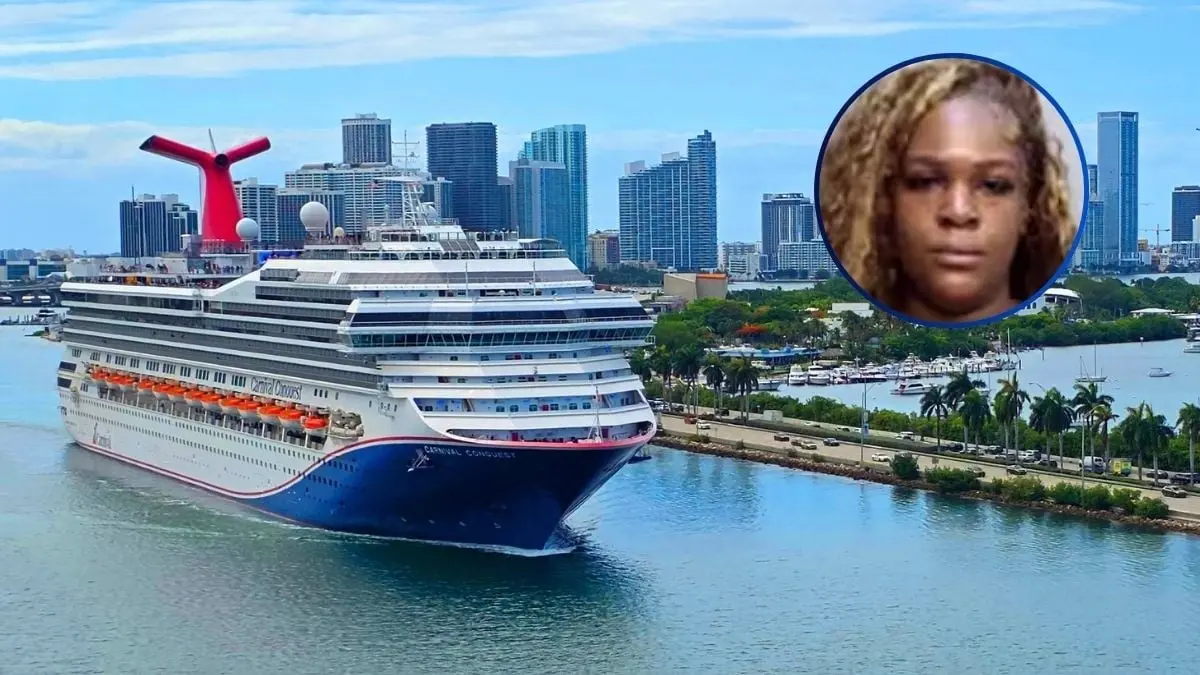
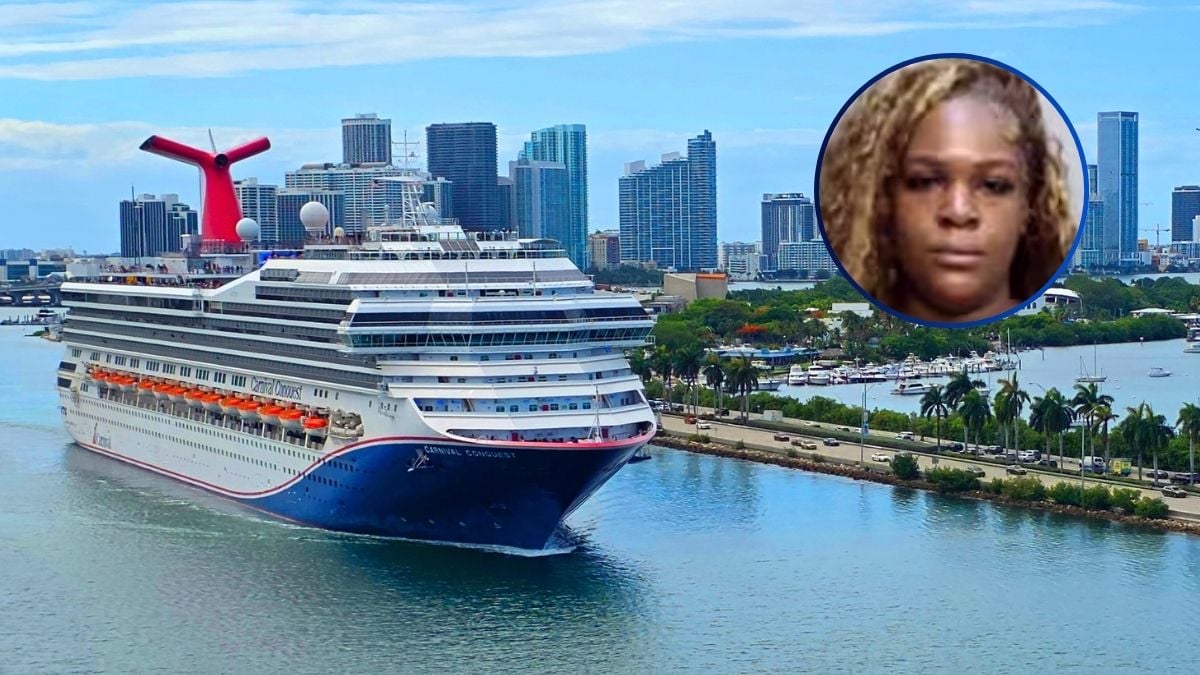
Nathalie Belizaire, a 29-year-old resident of North Miami Beach, Florida, now sits behind bars at the Turner Guilford Knight Correctional Center following an investigation that laid bare a shocking instance of alleged child abandonment. While Belizaire indulged in a three-night tropical getaway aboard the Carnival Conquest, her four minor children—including a helpless two-month-old infant and a two-year-old toddler—were allegedly left entirely unattended inside a locked apartment.
The ordeal culminated in a dramatic rescue operation executed by local first responders on Saturday night, September 26, 2026, after the father of the infant grew suspicious and alerted law enforcement. When the cruise vessel docked back at PortMiami on Monday morning, September 28, the vacation came to an abrupt, unceremonious halt. U.S. Customs and Border Protection officers met Belizaire at the gangway, taking her into immediate custody before transferring her to the North Miami Beach Police Department.

This troubling episode underscores a disturbing, albeit rare, recurring phenomenon at the intersection of modern leisure travel and criminal neglect. It also shines a harsh spotlight on the rigorous protocols enforced by domestic law enforcement agencies at cruise terminals, ensuring that those who attempt to bypass the foundational duties of parenthood for a holiday are swiftly brought to justice. Facing four felony counts of child neglect without great bodily harm under Florida law, Belizaire’s ill-advised voyage serves as a sobering reminder that the law follows travelers well beyond the shoreline.
Detailed Chronology of Events
The unfolding of events that led to Nathalie Belizaire’s dramatic arrest reads like a cautionary tale of modern digital oversharing intersecting with domestic vigilance. The timeline of the ill-fated cruise and the subsequent discovery of the abandoned children illustrates a rapid sequence of discovery, intervention, and apprehension.
Friday, September 25, 2026: Departure from PortMiami
The saga began on the morning of Friday, September 25, as PortMiami buzzed with the usual energetic chaos of weekend cruise embarkations. Among the nearly 3,000 guests boarding Carnival Cruise Line’s Carnival Conquest was Nathalie Belizaire. The vessel was scheduled for a short, three-night round-trip voyage to the Bahamas, featuring a highly anticipated Sunday stop at Carnival’s exclusive private island destination, Celebration Key.
According to investigators, Belizaire left her residence earlier that day under the pretense—or direct statement to at least one concerned party—that the children would be supervised. Specifically, Belizaire had allegedly assured the father of her two-month-old infant that the youngsters would be placed securely in the care of their great-grandmother. Confident that family oversight was in place, the father went about his routine, unaware that the apartment was, in reality, completely vacant of adult supervision.

Saturday, September 26, 2026: The Digital Clue and 911 Call
The illusion of responsible care began to unravel on Saturday evening, September 26. The infant’s father happened to view social media activity posted by Belizaire. The digital updates broadcasted her presence onboard the cruise ship, enjoying the amenities of the Carnival Conquest hundreds of miles away from home.
Alarmed by the posts and questioning how the great-grandmother could be managing four young children on her own—or whether she was even there at all—the father traveled directly to Belizaire’s North Miami Beach apartment to verify the children’s welfare.
Upon arriving at the residence, he was met with an unsettling scene. No adults answered his repeated knocks. Instead, pressing his ear to the door, he heard the faint drone of a television and the distinct sound of young voices echoing from within the locked apartment. There was no responsive adult presence, no greeting from an elderly relative, and no indication that anyone capable of caring for an infant and toddlers was inside.
Panicked and sensing immediate danger, the father dialed 911. North Miami Beach police officers and emergency medical first responders rushed to the scene. Recognizing the exigency of the situation—with vulnerable, unattended minors locked inside—first responders were forced to breach the apartment’s entry point to gain access.
Inside the Residence: The Rescue
Upon forcing entry into the apartment, law enforcement officials encountered a harrowing tableau. According to police reports, all four minor children were discovered completely isolated and unattended.
In a heartbreaking display of fear and self-preservation, the children were found huddled together, hiding inside the residence’s bathroom. Among them was a fragile two-month-old infant and a two-year-old toddler. The exact ages of the remaining two children have not been publicly disclosed by authorities, nor have officials released specific details regarding the immediate post-rescue placement of the minors, citing privacy protections for juvenile victims. However, child welfare agencies were immediately mobilized to ensure the children received comprehensive medical evaluations and safe, temporary housing.
Monday, September 28, 2026: The Arrival and Arrest
While emergency services cared for her children back in Florida, Belizaire continued her cruise through Sunday, enjoying the ship’s call at Celebration Key. She remained seemingly oblivious to the legal storm gathering ashore.
However, maritime logistics and law enforcement databases are tightly integrated. As the Carnival Conquest made its scheduled return to PortMiami on the morning of Monday, September 28, federal and local authorities were waiting.
As guests disembarked the vessel, U.S. Customs and Border Protection (CBP) officers intercepted Belizaire at the terminal. Following standard inter-agency protocols for individuals with active local arrest warrants or pending felony charges, CBP detained her before swiftly transferring custody to the North Miami Beach Police Department.
Belizaire was subsequently transported to the Turner Guilford Knight Correctional Center in Miami, where she was booked into the county jail system. As of the latest judicial updates, her bond amount remains pending as the legal process moves toward an arraignment.
Supporting Context & Legal Metrics
The legal ramifications facing Nathalie Belizaire are severe, reflecting society’s uncompromising stance on the protection of minors. Understanding the statutory framework governing these charges provides essential context for the gravity of her actions.
Florida Statutory Framework: Third-Degree Felony
According to official legal records tied to Florida Statute 827.03 (accessible via platforms such as Online Sunshine), the charges leveled against Belizaire are classified as a third-degree felony.
Specifically, Belizaire faces four distinct counts of child neglect without great bodily harm—one count for each child left unattended in the apartment. In the state of Florida, child neglect encompasses the failure of a caregiver to provide a child with the necessary care, supervision, and services required to maintain their physical and mental health.
- Statutory Classification: Third-Degree Felony
- Potential Penalties: Under Florida law, a third-degree felony carries a maximum statutory penalty of up to five years in state prison and a $5,000 fine per count.
- Cumulative Exposure: Because Belizaire faces four separate counts—representing each individual child left at risk—a conviction on all charges could theoretically expose her to substantial cumulative prison time, subject to judicial sentencing discretion and guidelines.
The Realities of Cruise Port Law Enforcement
The apprehension of Nathalie Belizaire highlights a broader, frequently misunderstood reality of modern travel: cruise ports are not legal safe havens.
When passengers book a cruise, they must submit extensive personal identification data, passport information, and security vetting details weeks in advance. This data is continuously cross-referenced against domestic and international law enforcement databases, including the National Crime Information Center (NCIC).
Consequently, cruise terminals—particularly major hubs like PortMiami, Port Everglades, and Port Canaveral—act as high-security choke points. Federal agencies, including U.S. Customs and Border Protection, work in tandem with municipal police departments to screen returning and departing passengers. Individuals attempting to flee legal obligations, evade child support payments, escape outstanding warrants for financial crimes like credit card fraud, or return from trips after committing serious offenses often find themselves greeted by law enforcement at the gangway.
Operational Impact on Carnival Cruise Line
For cruise operators, incidents of this nature are deeply unfortunate events that occur entirely outside the purview of shipboard operations.
- Ship Details: The Carnival Conquest is a massive, 110,000-gross-ton vessel with a guest capacity of approximately 2,980 passengers (double occupancy).
- Corporate Cooperation: Major cruise lines like Carnival Cruise Line maintain strict policies of full cooperation with local, federal, and international law enforcement agencies. However, operators traditionally do not comment publicly on individual criminal matters concerning guests once they involve matters of local jurisprudence.
- Schedule Integrity: Despite the high-profile nature of the arrest at the terminal, there were no reported disruptions to the Carnival Conquest’s operational schedule. The vessel successfully turned around and departed on its next scheduled three-night Bahamas itinerary later that same day, carrying a new wave of unsuspecting vacationers.
Official Statements and Institutional Perspectives
While direct statements from the accused or her legal representation remain limited pending formal court proceedings, law enforcement and municipal agencies have emphasized the severity of the situation and the critical importance of community vigilance.
Officials from the North Miami Beach Police Department highlighted the decisive role played by the infant’s father and emergency dispatchers in preventing a potential tragedy. The swift 911 call and the subsequent forced entry by first responders were credited with rescuing the children before the situation could escalate into a catastrophic medical or safety emergency, particularly given the presence of an infant requiring round-the-clock nourishment and care.
Child protective services and local welfare advocates have likewise used the case to reiterate public safety reminders regarding childcare mandates. Florida law explicitly prohibits leaving children under the age of six unattended or under the supervision of another child whose age is inappropriate to ensure the younger child’s safety for any unindicated period of time. Leaving an infant and toddler alone for a multi-day vacation represents an extreme violation of these legal and moral duties.
Comparative Analysis: Not an Isolated Incident
What makes Nathalie Belizaire’s case particularly shocking is that it is not an entirely unprecedented occurrence within the travel industry. A troubling historical precedent demonstrates that the temptation of a low-cost, short-duration cruise has occasionally led individuals to commit acts of profound parental abandonment.
The Case of Lakesha Woods Williams (April 2024)
In April 2024, Cruise Hive reported on a remarkably similar high-profile incident involving a 29-year-old Houston woman named Lakesha Woods Williams.
In that case, Williams allegedly left her two young children—ages 8 and 6—home alone inside an apartment while she embarked on a cruise vacation. The plot unraveled when concerned neighbors noticed that Williams had departed the premises with luggage but failed to return, leaving the young children unattended for days.
Alerted neighbors contacted local authorities, prompting a welfare check by the Harris County Constable’s Office. Deputies discovered the children living alone inside the apartment, leading to Williams’ subsequent arrest and felony charges upon her return from the cruise.
Parallels and Societal Implications
These recurring incidents force legal analysts, child advocates, and travel industry observers to examine the psychological and social factors driving such reckless behavior. Both cases share striking similarities:
- Young Maternal Age: Both mothers were 29 years old.
- Short-Duration Cruises: Both utilized brief, highly affordable three- or four-night itineraries that required minimal financial investment and time away.
- Reliance on Deception or Silence: Both women attempted to obscure their absence, gambling that their children would remain undetected until their return.
Yet, as both cases definitively prove, the modern digital age—characterized by social media check-ins, immediate messaging, and observant neighbors or co-parents—makes the concealment of such abandonment virtually impossible.
Future Outlook and Legal Proceedings
As the legal process grinds forward, Nathalie Belizaire faces an uphill battle within the Miami-Dade County judicial system.
Immediate Legal Steps
- Arraignment and Bond Hearings: With Belizaire currently held at the Turner Guilford Knight Correctional Center, her defense counsel will likely argue for a set bond amount during upcoming court hearings. However, given the nature of the charges—involving the alleged abandonment of an infant and toddlers—prosecutors are expected to push for strict conditions of release or a high bond to mitigate flight risk.
- Discovery and Trial Preparation: The state attorney’s office will compile evidence, including the 911 audio logs, police body-camera footage from the forced entry, social media screenshots establishing Belizaire’s location onboard the Carnival Conquest, and medical evaluations of the four children.
Long-Term Consequences
If convicted on all four counts of child neglect without great bodily harm, Belizaire faces significant prison time under Florida’s third-degree felony sentencing guidelines. Beyond potential incarceration, the case will undoubtedly trigger intensive family court proceedings regarding the permanent custody and welfare of the four children, involving the Florida Department of Children and Families (DCF).
Industry Reflection
For the cruise industry, cases like Belizaire’s serve as a stark reminder of the social realities operating in the background of leisure travel. While cruise lines continue to market their voyages as ultimate escapes from everyday stress, incidents of criminal negligence reinforce the reality that personal accountability travels wherever one goes.
As the Carnival Conquest continues its regular rotation of Bahamas sailings from PortMiami, the memory of this late-September arrest remains a sobering footnote—a testament to the vigilance of local communities, the responsiveness of law enforcement, and the unwavering legal duty of parents to protect those who cannot protect themselves.