









EXECUTIVE OVERVIEW
The modern landscape of public transportation is undergoing a profound structural evolution. As cities grapple with the dual pressures of accelerated urbanization and the imperative to reduce greenhouse gas emissions, transit authorities and private operators alike are being forced to rethink every facet of mobility. From the rust belt to the sun belt, the current transit ecosystem is characterized by an aggressive push toward fleet modernization, strategic infrastructure expansion, technological integration, and enhanced rider security.
In this comprehensive edition of Biz Briefs, we examine the critical developments shaping the future of mass transportation. Recent milestones across the United States highlight an industry in transition: the Memphis Area Transit Authority (MATA) is tackling an aging fleet crisis head-on through a vital procurement of American-built clean diesel buses; Trinity Metro in Fort Worth is unlocking critical land parcels to extend regional rail access into a booming employment center; Northwestern University and WeDriveU are validating the environmental efficacy of campus hybrid-electric fleets after a successful inaugural year; Southern California’s Metrolink is leveraging advanced software to empower riders as active participants in transit security; and Long Beach Transit is maximizing asset lifecycles through comprehensive midlife rehabilitations.
Together, these initiatives offer a granular snapshot of the operational strategies, engineering investments, and collaborative partnerships driving the North American transportation industry forward.
DETAILED CHRONOLOGY OF RECENT MOBILITY DEVELOPMENTS
1. ENC Secures Major Contract to Modernize MATA’s Fleet in Memphis
The Memphis Area Transit Authority (MATA), serving as one of Tennessee’s premier public transportation providers, has officially selected ElDorado National – California (ENC) to supply 32 AXESS 40-foot clean diesel transit buses. This procurement represents a vital tactical maneuver in MATA’s broader, aggressive campaign to overhaul an aging fleet and restore operational reliability to its fixed-route network.
MATA’s network spans Memphis and portions of Shelby County, delivering upwards of 2.5 million passenger trips annually via a mixed mode of fixed-route buses, paratransit services, and historic vintage rail trolleys. However, the system has labored under the weight of severe equipment degradation. Prior to this procurement, nearly half of MATA’s fixed-route fleet had surpassed the 500,000-mile threshold, with dozens of active vehicles exceeding a decade of continuous service.
By integrating ENC’s American-built, Altoona-tested AXESS buses into the rotation, MATA is acquiring hardware engineered specifically for rigorous duty cycles and long-term economic value. These vehicles will directly replace retired units, ensuring continuity of service for daily commuters who rely on the network to access employment, education, and healthcare.
2. Trinity Metro and Baylor Scott & White Forge Land Agreement for TEXRail Extension
In the heart of Texas, regional connectivity took a major leap forward as the Trinity Metro board of directors authorized formal legal agreements with affiliates of Baylor Scott & White Health. This partnership centers on acquiring and utilizing necessary real estate to construct, maintain, and operate a crucial new TEXRail station.
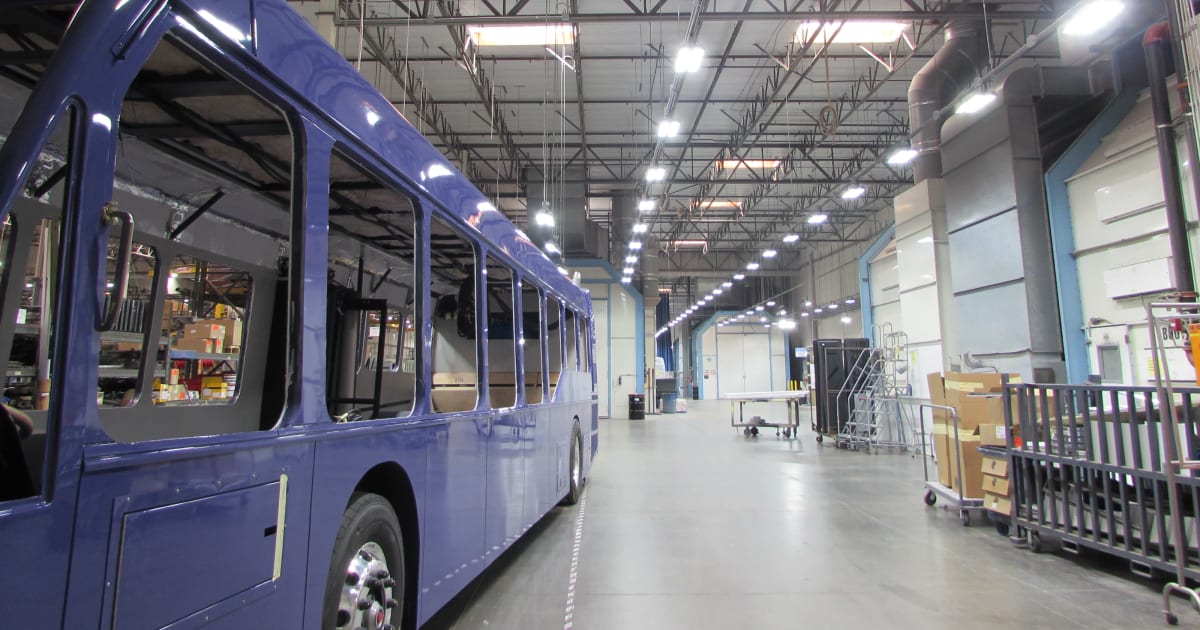
Under the terms of the agreement, Baylor Scott & White will donate approximately 1.76 acres of land to serve as the permanent site for the expanded station infrastructure. This land grant is the foundational catalyst for extending the TEXRail commuter line 2.1 miles southward from the existing Fort Worth T&P Station directly into the Near Southside district.
The Near Southside stands as one of Fort Worth’s most dynamic and densely populated employment epicenters, housing tens of thousands of workers alongside a massive concentration of medical facilities. As ongoing commercial investments, multi-family housing developments, and educational institutions reshape the district, the demand for high-capacity transit access has intensified. The newly minted agreements do not merely secure the physical platform; they also grant Trinity Metro essential access for critical supporting infrastructure, including passenger parking facilities, a dedicated bus turnaround, and an optimized station access road. Crucially, the plans account for the future expansion of the Baylor Scott & White medical campus while legally safeguarding long-term parking rights and multimodal access for transit patrons.
3. Northwestern University and WeDriveU Mark One Year of Sustainable Campus Transit
A milestone year has concluded in the Midwest, where Northwestern University’s Transportation and Parking Department, in partnership with operator WeDriveU, celebrated the one-year anniversary of their modernized hybrid-electric bus fleet operating across the Evanston and Chicago campuses.
Launched under a 2024 contract extension—which builds upon a management relationship initiated in 2019—the deployment of 12 hybrid-electric Gillig buses has fundamentally transformed the campus mobility experience. The project was conceived as a cornerstone of sustainNU, the university’s institutional framework aimed at slashing greenhouse gas emissions by 2030 and achieving net-zero emissions by the year 2050.
The deployment of these advanced hybrid platforms has delivered measurable operational and environmental efficiencies. According to institutional sustainability metrics, the deployment of each hybrid-electric bus yields carbon-reduction equivalencies comparable to removing three conventional diesel transit buses entirely from active service. This transition demonstrates how major universities can successfully pioneer green fleets that meet high-capacity daily transport demands while advancing aggressive corporate and institutional climate targets.
4. Southern California’s Metrolink Deploys ‘Safe Ride’ App Powered by ELERTS
Passenger safety and situational awareness received a significant technological upgrade in Southern California with the debut of "Safe Ride," a dedicated mobile application launched by regional commuter rail authority Metrolink.
Powered by ELERTS—a recognized leader in transit safety communications software—the Safe Ride application operates independently from the standard Metrolink ticketing and scheduling mobile app. It provides riders with a frictionless, discreet channel to report non-emergency security concerns, suspicious activities, or hazardous physical conditions directly to the agency’s Security Operations Center (SOC) in real-time.
The architecture of the application allows commuters to pinpoint the precise location of an incident, categorize the nature of the disturbance, submit descriptive text notes, and—when deemed safe and appropriate by the user—upload photographic evidence. The strategic rollout of the Safe Ride app was timed to coincide with national safety initiatives, including See Tracks? Think Train Week and California’s designated Rail Safety Month. Throughout September and beyond, Metrolink has leveraged the app’s launch to reinforce its comprehensive education, community outreach, and platform-level safety campaigns.
5. Complete Coach Works Concludes Midlife Overhaul for Long Beach Transit
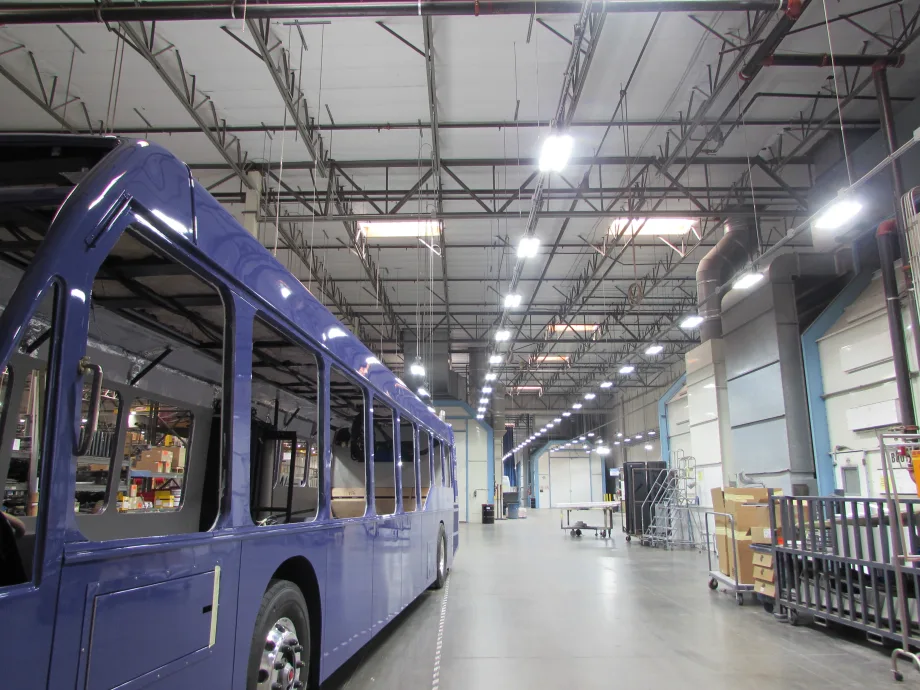
Maximizing the fiscal and operational lifecycle of existing transit assets remains a cornerstone of prudent agency management. Demonstrating this commitment, Complete Coach Works (CCW) announced the successful finalization of a midlife refurbishment program covering 13 articulated CNG buses for Long Beach Transit (LBT) in California.
Executed at CCW’s specialized facility in Riverside, California, the project fell under LBT’s rigorous State of Good Repair Program. The initiative is designed to preserve fleet safety, enhance structural reliability, and extend the functional utility of high-capacity vehicles well into their second decade of service.
The targeted buses—all 2015 New Flyer Xcelsior 60-foot articulated compressed natural gas units—underwent a comprehensive, multi-phase overhaul. Technicians performed deep structural, mechanical, cosmetic, and system-level retrofits. With the final bus successfully delivered back to LBT, these vehicles are returning to active duty, bolstering trunk-line capacity across Long Beach and its surrounding municipalities without the capital-intensive burden of buying brand-new replacements.
SUPPORTING CONTEXT & METRICS
To fully comprehend the gravity of these mobility developments, one must analyze the underlying data points and macroeconomic realities driving decision-making across the transportation sector:
- The Age of the Fleet: MATA’s predicament highlights a broader national trend where municipal transit properties are fighting against aging capital inventories. With over 50% of MATA’s fixed-route fleet exceeding 500,000 operational miles, maintenance costs rise exponentially while passenger reliability plummets. Procuring 32 units of Altoona-tested equipment (subjected to rigorous durability testing at the bus research and testing center in Altoona, Pennsylvania) ensures baseline structural integrity.
- Economic Density and Real Estate Synergy: The Trinity Metro/Baylor Scott & White collaboration underscores the immense value of public-private land partnerships. By donating 1.76 acres of prime urban real estate, Baylor Scott & White recognizes that regional rail connectivity directly enhances employee recruitment, talent retention, and patient access within the Near Southside medical district—a classic win-win scenario for urban municipal planning.
- Decarbonization Ratios: Northwestern University’s shift to hybrid-electric Gillig buses via WeDriveU provides empirical validation for transitional green technologies. Operating on dense urban and inter-campus routes characterized by frequent stop-and-go conditions, hybrid drivetrains capture regenerative braking energy, yielding fuel-efficiency gains and emissions reductions that equate to tripling the displacement value of legacy diesel buses.
- Crowdsourced Security: The integration of the ELERTS-powered Metrolink Safe Ride app reflects a paradigm shift in transit policing: moving from passive observation to active, crowdsourced situational awareness. By lowering the barrier to communication, agencies gain a force multiplier in their security personnel, directly addressing passenger anxieties regarding onboard and platform safety.
OFFICIAL STATEMENTS & INDUSTRY PERSPECTIVES
The leaders steering these transformative projects emphasize that modern transit requires adaptability, rigorous engineering, and cross-sector collaboration:
- On Fleet Renewal and Reliability: Representatives for MATA have repeatedly stressed that accelerating fleet replacement is not merely a cosmetic upgrade, but an operational necessity. The integration of ENC clean diesel platforms is viewed as a vital bridge toward establishing a dependable transit framework that Memphis residents can rely on daily.
- On Sustainable Campus Operations: Northwestern University’s administration noted that the hybrid-electric deployment is central to a "broader institutional initiative to modernize campus transportation while actively mitigating environmental impact," aligning directly with the aggressive decarbonization trajectory of the sustainNU mandate.
- On Passenger-Centric Safety: Discussing the rollout of the Metrolink Safe Ride app, security directors emphasize that empowering riders with a direct, discreet digital link to the Security Operations Center fosters a culture of shared responsibility, ensuring that minor maintenance issues or suspicious behaviors are intercepted before escalating into major incidents.
- On Asset Stewardship: Complete Coach Works and Long Beach Transit executives frequently champion the midlife refurbishment model as an economic imperative. By taking 60-foot articulated CNG buses through a total systematic renewal at the halfway point of their service lives, agencies achieve near-new vehicle performance metrics at a fraction of the capital expenditure.
FUTURE OUTLOOK: THE ROAD AHEAD FOR PUBLIC MOBILITY
As the transportation industry looks toward the horizon, the convergence of sustainable propulsion, real-time safety architecture, and smart land-use planning will dictate which urban centers thrive.
The developments highlighted in this edition of Biz Briefs point toward several key trends that will define the coming decade:
- Accelerated Decarbonization: While zero-emission battery-electric and hydrogen fuel-cell buses continue to dominate long-term procurement roadmaps, transitional technologies like advanced hybrid-electric buses and clean-diesel platforms remain critical operational workhorses for agencies managing complex duty cycles and budget constraints.
- Transit-Oriented Development (TOD) 2.0: The cooperative land acquisition model demonstrated by Trinity Metro and Baylor Scott & White serves as a blueprint for future rail extensions. Expect to see more healthcare networks, universities, and commercial real estate developers proactively partnering with transit agencies to fund, host, and integrate stations directly into commercial hubs.
- Digital-First Passenger Security: The proliferation of apps like Metrolink Safe Ride signals that rider security is increasingly decentralized and digitized. As artificial intelligence and real-time data analytics mature, expect these reporting tools to interface more seamlessly with onboard automated surveillance systems and predictive policing algorithms.
- Circular Economy in Transit Fleet Management: With capital equipment costs soaring and municipal budgets stretched thin, comprehensive midlife overhauls—such as those executed by Complete Coach Works for Long Beach Transit—will become the preferred fiduciary strategy for maintaining a State of Good Repair across heavy-duty municipal fleets.
Ultimately, the future of mobility will not be defined by a single breakthrough, but by the relentless, disciplined execution of these foundational strategies—ensuring that public transportation remains safe, sustainable, reliable, and deeply integrated into the economic fabric of modern communities.