






Executive Overview
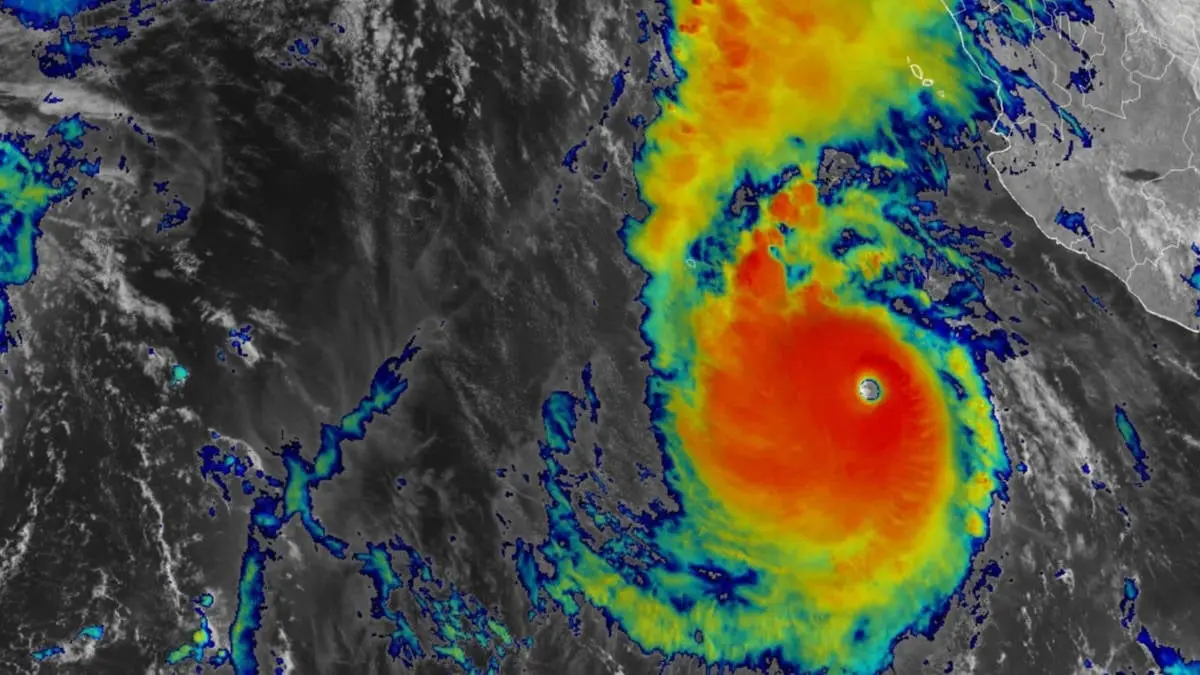
As the 2025 Pacific hurricane season reaches a terrifying crescendo, the emergence of Hurricane Polo—a monstrous Category 5 storm churning off the western coast of Mexico—has sent shockwaves through the maritime tourism industry. Packing maximum sustained winds reaching a staggering 180 mph, this meteorological powerhouse has forced major cruise operators to rapidly rewrite itineraries, divert multi-thousand-passenger vessels, and implement emergency protocols to keep vacationers and crew members out of harm’s way.
As of September 25, at least three high-profile cruise ships departing from Southern California have confirmed significant schedule overhauls. However, industry insiders warn that this is merely the tip of the iceberg. With the National Hurricane Center (NHC) issuing urgent advisories, cruise executives are maintaining a round-the-clock watch on the storm’s unpredictable vector.
The disruption highlights the inherent agility of modern cruise ships, which possess the mobility to outrun severe weather systems, yet underscores the logistical nightmares and passenger disappointment that accompany sudden itinerary alterations. For travelers booked on Mexican Riviera routes this autumn, the unfolding situation serves as a stark reminder of the unpredictable nature of tropical weather patterns and the paramount importance of passenger safety over scheduled ports of call.
Meteorological Profile: Understanding Hurricane Polo
To fully comprehend the sweeping operational changes implemented by cruise lines, one must first look to the heavens and examine the sheer scale of the meteorological threat. According to Advisory 20 issued by the National Hurricane Center (NOAA), Hurricane Polo intensified rapidly into a rare and catastrophic Category 5 system on the Saffir-Simpson hurricane wind scale.
At the time of the advisory, Polo’s maximum sustained winds were clocked at an astonishing 180 mph, accompanied by even higher, destructive gusts. The storm was tracked approximately 410 miles south-southeast of Cabo San Lucas, Mexico, churning along a westerly trajectory at a forward speed of 12 mph.
While hurricanes of this magnitude are not entirely unheard of in the Eastern Pacific basin during peak season, a Category 5 storm tracking parallel to the Baja California Peninsula and the Mexican Riviera presents an unprecedented hazard to maritime traffic. The vast wind field, towering seas, and torrential rainfall associated with Polo create treacherous navigation conditions across a massive expanse of the ocean. For cruise ships—floating architectural marvels with high wind profiles—navigating anywhere near the outer bands of a Category 5 hurricane is an unacceptable risk. Consequently, maritime operations centers have chosen proactive, wide-berth detours over reactive maneuvering.
Detailed Chronology of Operational Disruptions
The ripple effects of Hurricane Polo across the West Coast cruise market have been swift and decisive. Major brands including Princess Cruises, Royal Caribbean International, and Virgin Voyages have all taken decisive action to reroute their vessels. Below is the detailed chronology of how individual lines are managing the crisis.
Grand Princess: Princess Cruises (September 25 Sailing)
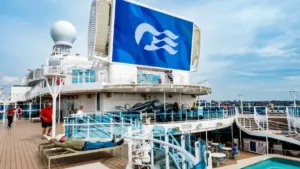
The 2,610-passenger Grand Princess found itself squarely in the crosshairs of the developing weather crisis just as it prepared to embark on its latest voyage. Setting sail on September 25 from the Port of Los Angeles in California, the ship was originally slated for a classic Mexican Riviera itinerary. However, recognizing the extreme danger posed by Hurricane Polo, Princess Cruises’ operations team enacted a comprehensive route redesign.
In a communication sent to booked guests prior to embarkation, the cruise line outlined its proactive stance: "Please be advised we are closely monitoring Hurricane Polo as it moves along the coast of Mexico. With the safety of our guests and crew as our highest priority, we have made amendments to your upcoming Grand Princess voyage to keep us well out of the path of the storm and provide you with the most comfortable cruise."
To achieve this, the Grand Princess was forced to sacrifice several signature ports of call. Scheduled stops in La Paz (September 29), Guaymas (September 30), and Puerto Vallarta (October 2) were entirely canceled. In their place, the ship’s captain charted a northern course.
The vessel secured an exclusive, highly coveted overnight call to San Diego, California, arriving on September 26 and departing on September 27—transforming what would have been a standard sea day into an urban exploration opportunity. Furthermore, the ship added a strategic call to Mazatlan, Mexico, on October 1, allowing passengers to still experience a taste of Mexican culture safely outside the storm’s immediate threat zone.
Navigator of the Seas: Royal Caribbean International (September 25 Sailing)
Royal Caribbean was the first major cruise operator to formally sound the alarm regarding Hurricane Polo, distributing itinerary modification notices to passengers on September 23 for the September 25 departure out of Los Angeles.

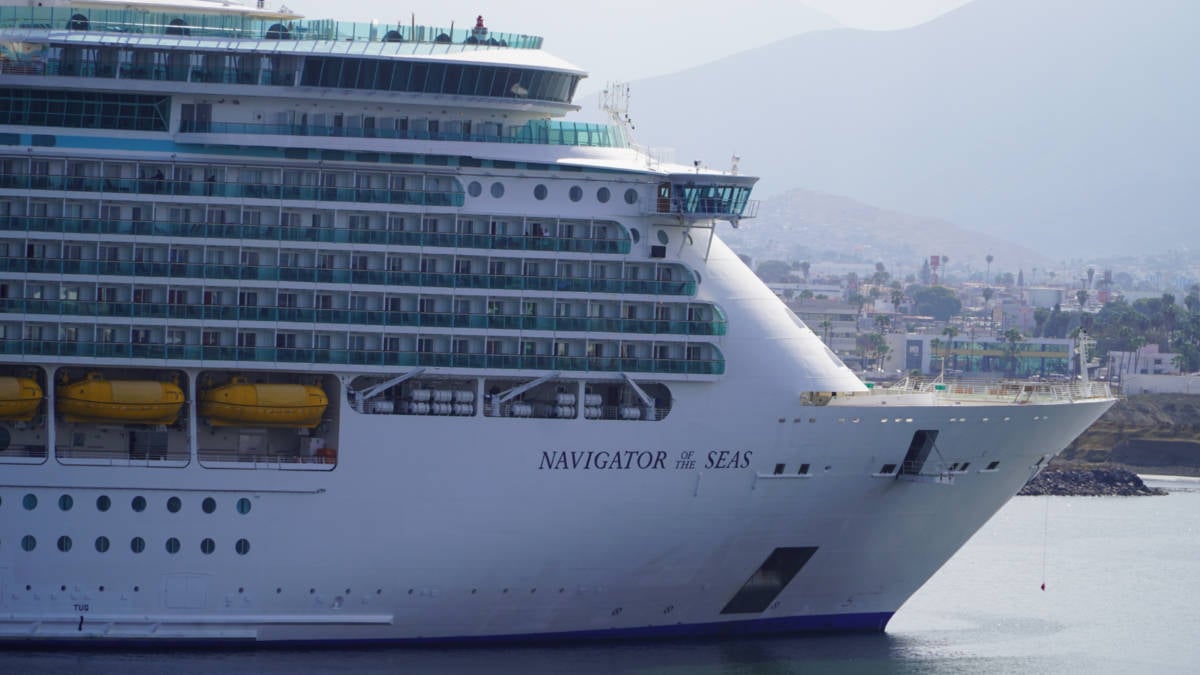
The 3,386-passenger Navigator of the Seas faced immediate scheduling hurdles due to its initial blueprint, which featured early stops along the Baja Peninsula. The voyage’s planned visit to Ensenada, Mexico, on September 26 was scrapped and converted into a leisurely sea day to allow the ship to build a safe geographical buffer from the storm. Additionally, the scheduled call to Cabo San Lucas on September 28 was wiped from the manifest.
To salvage the vacation experience, Royal Caribbean re-sequenced the remainder of the journey. The ship shifted its scheduled stop in Mazatlan forward to September 28 and engineered a brand-new port call in Puerto Vallarta on September 29.
In its official notice to guests, Royal Caribbean emphasized the unique resilience of modern cruise vessels: "We’re sorry for the last-minute change caused by the weather – your safety is our top priority. Please know being onboard is one of the safest places to be because our ship can quickly move out of the way of any inclement weather."
Brilliant Lady: Virgin Voyages (September 26 Sailing)
Virgin Voyages, known for its adults-only, contemporary style, also found its newest fleet member caught in the meteorological dragnet. Guests booked on the Brilliant Lady’s September 26 departure out of Los Angeles received confirmation that their itinerary had been completely overhauled.
In an effort to keep the ship thousands of miles away from Polo’s devastating path, Virgin Voyages took the radical step of canceling all three of its primary Mexican Riviera stops: Cabo San Lucas (September 28), Mazatlan (September 29), and Puerto Vallarta (September 30).
In a surprising pivot, the Brilliant Lady flipped its geographic focus northward before attempting a late-voyage southern dash. The ship’s new routing features an urban-heavy Pacific Coast itinerary, including a call in San Francisco on September 28, a stop in San Diego on September 30, and a final, solitary Mexican port call in Ensenada on October 2. Following this modified route, the ship will return to Los Angeles on schedule on October 3.
Supporting Context, Metrics, and Guest Compensation
Whenever an itinerary change of this magnitude occurs, cruise lines face the delicate task of balancing passenger safety with guest satisfaction. Altering a dream vacation—often booked months or years in advance—inevitably brings disappointment, particularly when travelers miss bucket-list destinations like Cabo San Lucas or Puerto Vallarta. To mitigate this friction, cruise operators have rolled out structured compensation packages and refund frameworks.
Financial Protections and Onboard Incentives
- Princess Cruises (Grand Princess): Understanding the gravity of missing three major Mexican destinations, Princess Cruises adopted a highly accommodating stance. Guests who felt the revised itinerary no longer met their vacation goals were granted the option to cancel their cruise entirely, receiving a 100% full refund of their cruise fare. For those who chose to remain onboard and embrace the altered voyage, Princess issued a $100 per-stateroom onboard credit as a gesture of goodwill.
- Royal Caribbean (Navigator of the Seas): For guests aboard the Navigator of the Seas, shore excursions booked through the cruise line for the canceled stops in Ensenada and Cabo San Lucas were automatically canceled and refunded. Rather than issuing a direct cash refund to credit cards, Royal Caribbean credited the full value directly to guests’ SeaPass accounts as onboard credit, which could be utilized for specialty dining, spa treatments, or beverages.
- Virgin Voyages (Brilliant Lady): Virgin’s unique model, which typically includes tips, Wi-Fi, and basic beverages in the fare, meant that logistical shifts required careful coordination regarding pre-booked shore excursions. Affected sailors (Virgin’s term for guests) were similarly offered excursion refunds and protected against internal booking discrepancies.
The Science of Cruise Ship Evasion
To the layperson, a massive cruise ship may look vulnerable against the fury of a Category 5 hurricane. However, naval architects and meteorologists design modern vessels to be floating fortresses. Equipped with state-of-the-art satellite weather tracking systems, bridge officers can monitor storm developments in real-time, days before landfall.
Because cruise ships possess high cruising speeds—typically between 20 and 24 knots—they can easily outpace or outmaneuver tropical systems moving at 10 to 15 mph. Furthermore, modern stabilization systems (both active fin stabilizers and heavy ballast water management) allow ships to maintain stability in rough seas, ensuring that even when a ship must take a wide detour through open waters, passenger comfort remains relatively high compared to land-based structures exposed to direct hurricane landfalls.
Future Outlook: Fleet Watchlist and Regional Impacts
As of late September, the situation in the Eastern Pacific remains fluid. Cruise operations hubs are operating in crisis-response mode, analyzing meteorological updates from NOAA and the National Hurricane Center every three hours.
Beyond the three ships that have already confirmed reroutings, several other vessels operating in or transiting through the region are currently under close observation by maritime analysts and industry trackers:
- Carnival Panorama (September 26 Departure – Long Beach): As one of the primary year-round ships operating standard Mexican Riviera itineraries out of Southern California, industry watchers anticipate imminent adjustments to keep this massive vessel clear of Polo’s expansive wind field.
- Carnival Miracle (September 26 Repositioning – Seattle): Undertaking a seasonal shift down the Pacific Coast, this vessel’s Captain will need to carefully time its transit past Baja California to avoid residual swells and gale-force outer bands.
- Queen Elizabeth (September 24 Departure – Seattle): Cunard’s luxury liner is currently working its way down the West Coast on a coastal itinerary and may face routing delays or port substitutions depending on how far north Polo’s atmospheric effects reach.
- Coral Princess (September 23 Departure – Vancouver): Embarking on a southward Panama Canal repositioning voyage, this ship faces one of the longest transits through the hazard zone and will likely hug the outer limits of the Pacific shipping lanes to ensure complete safety.
Conclusion
Hurricane Polo stands as a dramatic reminder of the forces of nature that govern maritime travel. While the sudden cancellation of shore excursions in Cabo San Lucas, Puerto Vallarta, and Mazatlan undoubtedly alters the vacation dreams of thousands of travelers, the swift, decisive actions taken by Princess Cruises, Royal Caribbean, and Virgin Voyages underscore an unyielding industry commitment to human life above all else. As the storm continues its trajectory across the Pacific, the cruise community remains vigilant, adaptable, and fully prepared to navigate whatever meteorological challenges lie ahead.