







Executive Overview
England’s Hampshire coastline spans roughly 230 miles of diverse geography, stitching together bustling commercial ports, sweeping natural landscapes, and internationally significant historic landmarks. While major metropolitan hubs like Southampton and Portsmouth historically command the lion’s share of international tourism, regional economic development officials and cultural preservationists are increasingly turning a spotlight toward a quieter, fiercely proud neighbor situated directly across the harbor: Gosport.
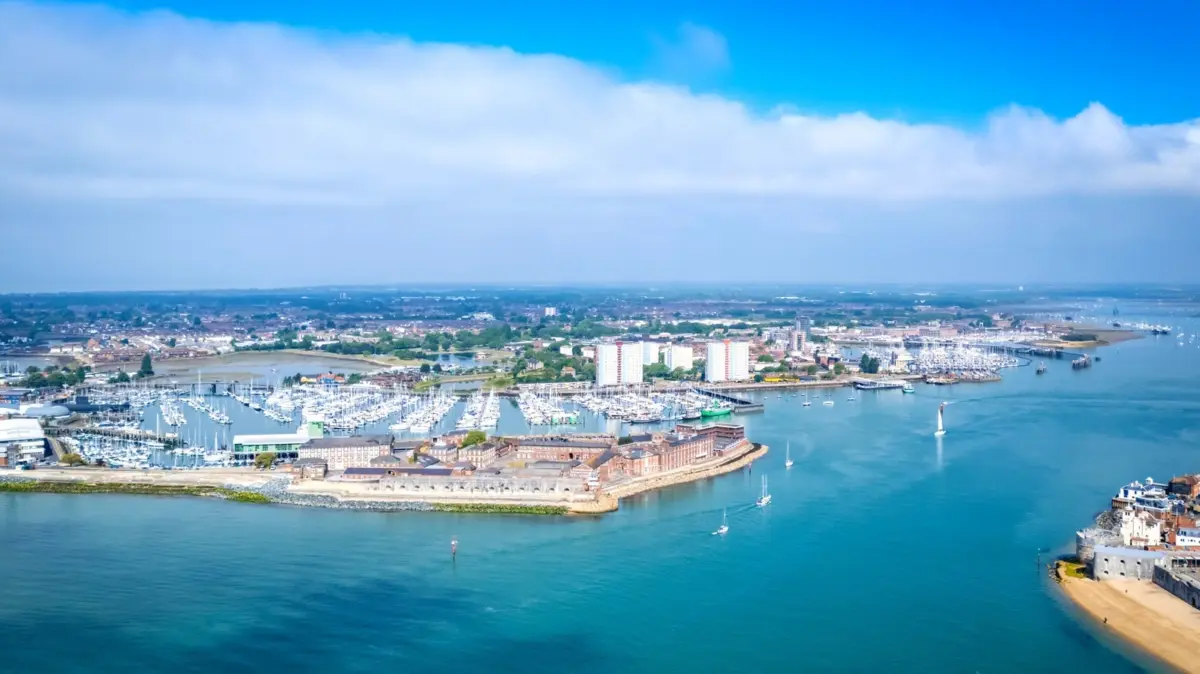
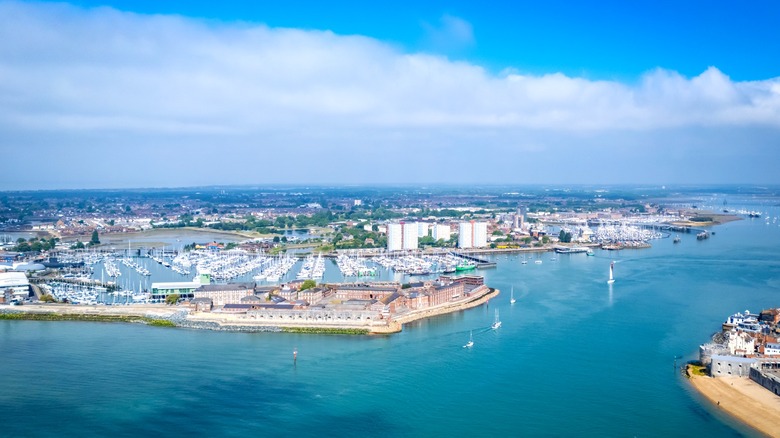
Nestled on a low-lying peninsula wedged between the bustling waters of the Solent and the sheltered expanse of Portsmouth Harbour, Gosport is a town of approximately 80,000 residents. Often overshadowed by the global military profile of its neighbor to the east, Gosport offers a compelling alternative for travelers and cultural tourists seeking pristine shingle beaches, world-class maritime museums, and a thriving local seafood scene—all mercifully free of mass-tourism congestion.
From its origins as a modest medieval fishing village to its pivotal role as a powerhouse of Royal Navy industrialization and military defense, Gosport represents a microcosm of British naval history. Today, the town is experiencing a quiet renaissance. By blending its rich heritage with modern waterfront regeneration, exceptional culinary offerings, and pedestrian-friendly urban planning, Gosport is successfully repositioning itself as a premier boutique coastal destination on the south coast of England.
Detailed Chronology: From Wild Geese to Naval Superpower
Understanding Gosport requires looking back through centuries of tactical evolution, royal decrees, and industrial transformation.
The Medieval Genesis and Etymological Roots
The recorded history of the Gosport peninsula stretches back to the 13th century, long before ironclads and submarines dominated its waters. Etymological historians generally agree that the town’s distinctive name derives from the Old English Godesport, translating literally to "God’s port"—though a popular and enduring local folk etymology attributes the moniker to the vast flocks of wild geese that historically gathered in the marshy, sheltered creeks of the peninsula.
For centuries, Gosport remained a relatively quiet, isolated cluster of fishing hamlets and agricultural settlements. Its strategic geography, however, could not remain unnoticed for long. Situated at the mouth of one of the finest natural deep-water harbors in Northern Europe, the peninsula was predestined for military utility.
The 18th-Century Military and Industrial Expansion
Gosport’s golden age of strategic development arrived during the 18th century. As the British Empire expanded and naval warfare grew increasingly sophisticated, the Royal Navy required vast logistical, manufacturing, and medical support infrastructure outside the cramped confines of Portsmouth.

Gosport transformed rapidly into an industrial and military powerhouse. The British Crown established massive victualling yards, gunpowder magazines, and fortification networks across the peninsula to supply the fleets that fought in the Napoleonic Wars and established global maritime dominance. The construction of the Gosport Lines—an extensive defensive ring of ramparts and moats—cemented the town’s status as a heavily fortified military zone.
The Modern Era: Transitioning from Base to Heritage Hub
Throughout the 19th and 20th centuries, Gosport’s identity was inextricably linked to the fortunes of the Royal Navy. It housed premier submarine training facilities, top-secret research installations, and vast naval armament depots.
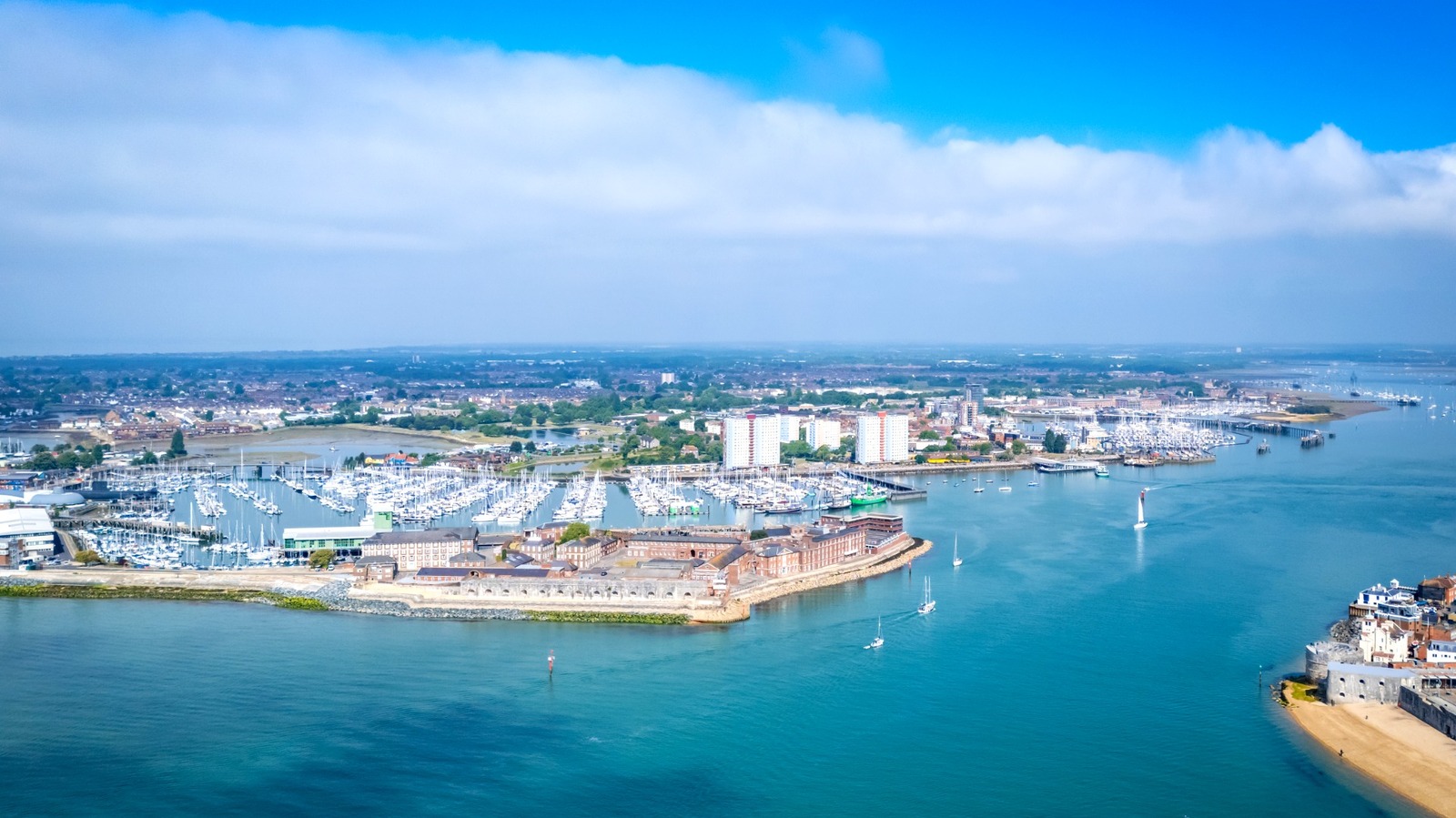
However, the post-Cold War defense cuts of the late 20th century fundamentally altered the town’s economic landscape. Much like other historic dockyard towns across the United Kingdom, Gosport faced the immense challenge of transitioning away from an economy dominated strictly by military operations.
Rather than succumbing to industrial decline, the community leveraged its extraordinary military architecture and maritime archives. Former naval installations were systematically converted into world-class public museums, cultural centers, and public parks. Today, Gosport stands as a rare example of a defense town that successfully repurposed its heavily guarded operational past into an accessible, educational, and leisure-oriented coastal destination.
Supporting Context & Metrics: Geography, Logistics, and Visitor Economy
For the discerning traveler or regional planner, evaluating Gosport requires looking closely at its logistical framework, geographic layout, and economic metrics.
Geographic and Demographic Profile
- Waterfront Footprint: Gosport boasts an impressive 23- to 24-mile waterfront perimeter, offering diverse coastal ecosystems ranging from high-energy tidal zones facing the Solent to calm, sheltered waters inside Portsmouth Harbour.
- Population: Approximately 80,000 residents, maintaining a distinct local identity separate from the Greater Portsmouth urban sprawl.
- Urban Form: The town is exceptionally walkable, characterized by historic grid layouts, maritime promenades, and pedestrian-friendly retail cores.
Transportation and Accessibility Metrics
Navigating to and around Gosport is remarkably straightforward, though its unique peninsular geography requires understanding specialized transit links:
| Transit Mode | Route / Detail | Approximate Travel Time / Distance |
|---|---|---|
| Air (Primary) | Southampton Airport (SIT) | Less than 20 miles northwest; major regional flights. |
| Air (Secondary) | London Heathrow (LHR) | Primary international gateway; accessible via coach or rail. |
| Water Transit | Gosport Ferry (Portsmouth to Gosport) | Operates every 15 minutes; crossing takes precisely 4 minutes. |
| Rail Integration | None inside Gosport proper | Travelers must arrive via Portsmouth & Southsea/Harbour stations, then take the ferry. |
The absence of a direct rail station within Gosport proper has historically insulated the town from day-tripper over-tourism, preserving its authentic, unhurried atmosphere. Visitors arriving via the iconic Gosport Ferry are immediately deposited into the heart of the historic waterfront, bypassing highway congestion entirely.
Official Statements and Expert Perspectives
Local municipal leaders, tourism directors, and cultural historians emphasize that Gosport’s charm lies in its deliberate preservation of authenticity.
In a recent regional tourism briefing, a spokesperson for the South East England development initiative remarked:
"Gosport represents a vital, yet frequently overlooked, anchor of our maritime heritage corridor. While neighboring Portsmouth captures the grandeur of surface fleet history—such as HMS Victory—Gosport tells the intimate, gritty, and deeply human stories of underwater engineering, ordnance manufacturing, and quiet coastal life. It offers an unvarnished, high-quality British coastal experience."
Local business owners along the waterfront have similarly championed the town’s balanced approach to growth. Representatives from independent hospitality venues note that the town’s steady influx of boutique travelers has created a sustainable economic model.
A senior curator at the Royal Navy Submarine Museum highlighted the unique authenticity of the town’s cultural offerings:
"When visitors step aboard our historic vessels here in Gosport, they aren’t just looking at static displays. Many of our interpretive guides are retired submariners who lived and worked in these iron tubes. That human connection transforms a standard museum visit into an unforgettable historical immersion."
Future Outlook: Coastal Regeneration and Regional Connectivity
As the United Kingdom’s domestic tourism sector continues to prioritize sustainable travel, heritage exploration, and less-crowded coastal retreats, Gosport is exceptionally well-positioned for the future.
Waterfront Regeneration and Cultural Expansion
Urban planners are currently spearheading targeted regeneration projects designed to seamlessly connect Gosport’s historic fortifications with modern leisure spaces. Plans emphasize enhancing pedestrian and cycling infrastructure along the 24-mile waterfront, ensuring that natural assets like Stokes Bay and Lee-on-the-Solent Beach remain pristine while accommodating growing numbers of eco-tourists, kayakers, and paddleboarders.
Furthermore, cultural institutions such as the Gosport Museum and Art Gallery are expanding their community engagement programs, introducing rotating contemporary art exhibitions that sit alongside permanent social history archives. Entry to these municipal cultural anchors remains free, ensuring that regional history remains accessible to all socio-economic demographics.
Expanding the Hampshire Coastal Circuit
Travel industry analysts predict that Gosport will increasingly serve as a crucial node in a broader Hampshire and West Sussex coastal itinerary. Tourism boards are actively promoting interconnected regional trails that encourage visitors to expand their journeys—traveling seamlessly from Portsmouth through Gosport, venturing onward to coastal gems like Bognor Regis, or heading inland to explore the historic market town of Midhurst within the South Downs National Park.
By fiercely protecting its architectural heritage while quietly upgrading its culinary and hospitality infrastructure, Gosport proves that a coastal town does not need mass-market commercialization to thrive. For travelers willing to take a four-minute ferry ride across the harbor, Gosport offers a masterclass in how history, nature, and modern hospitality can harmoniously coexist.