






Executive Overview
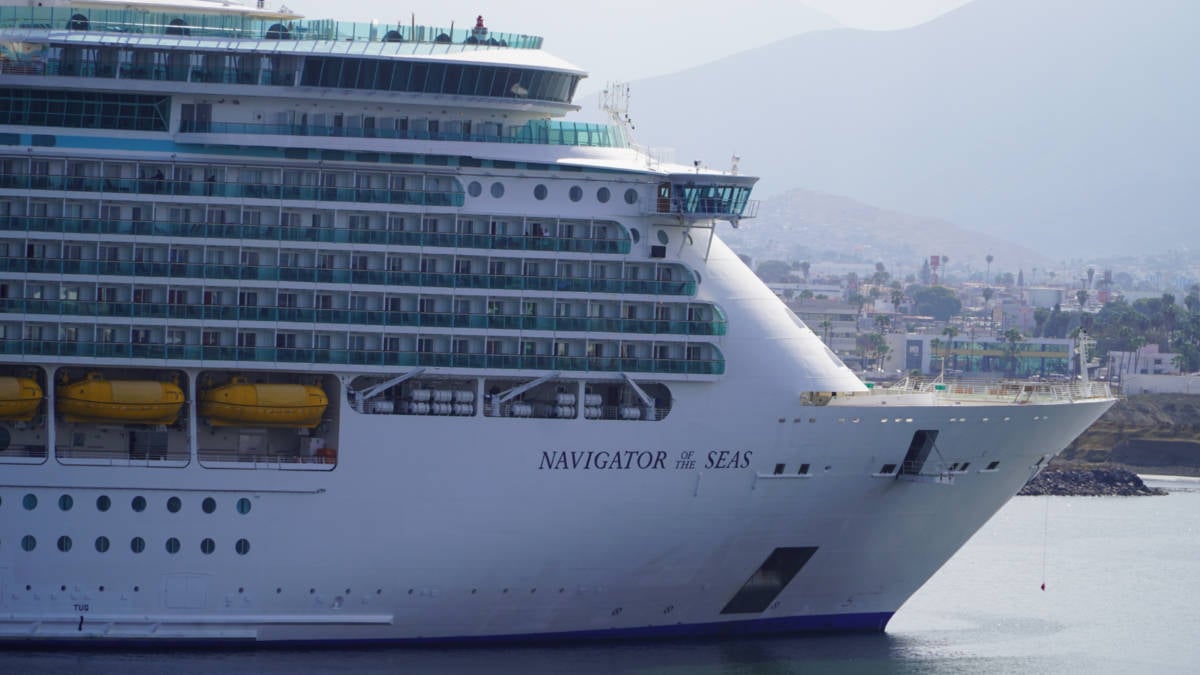
As the 2026 Pacific hurricane season reaches a dramatic and dangerous climax, major cruise lines are being forced into reactive maneuvers to keep passengers and crew out of harm’s way. Royal Caribbean International has officially confirmed a significant, last-minute itinerary disruption for the 3,990-passenger Navigator of the Seas. The vessel, which is departing on a scheduled voyage out of Los Angeles, California, on September 25, has had its entire Mexican Riviera route re-engineered to sidestep the destructive path of Hurricane Polo.
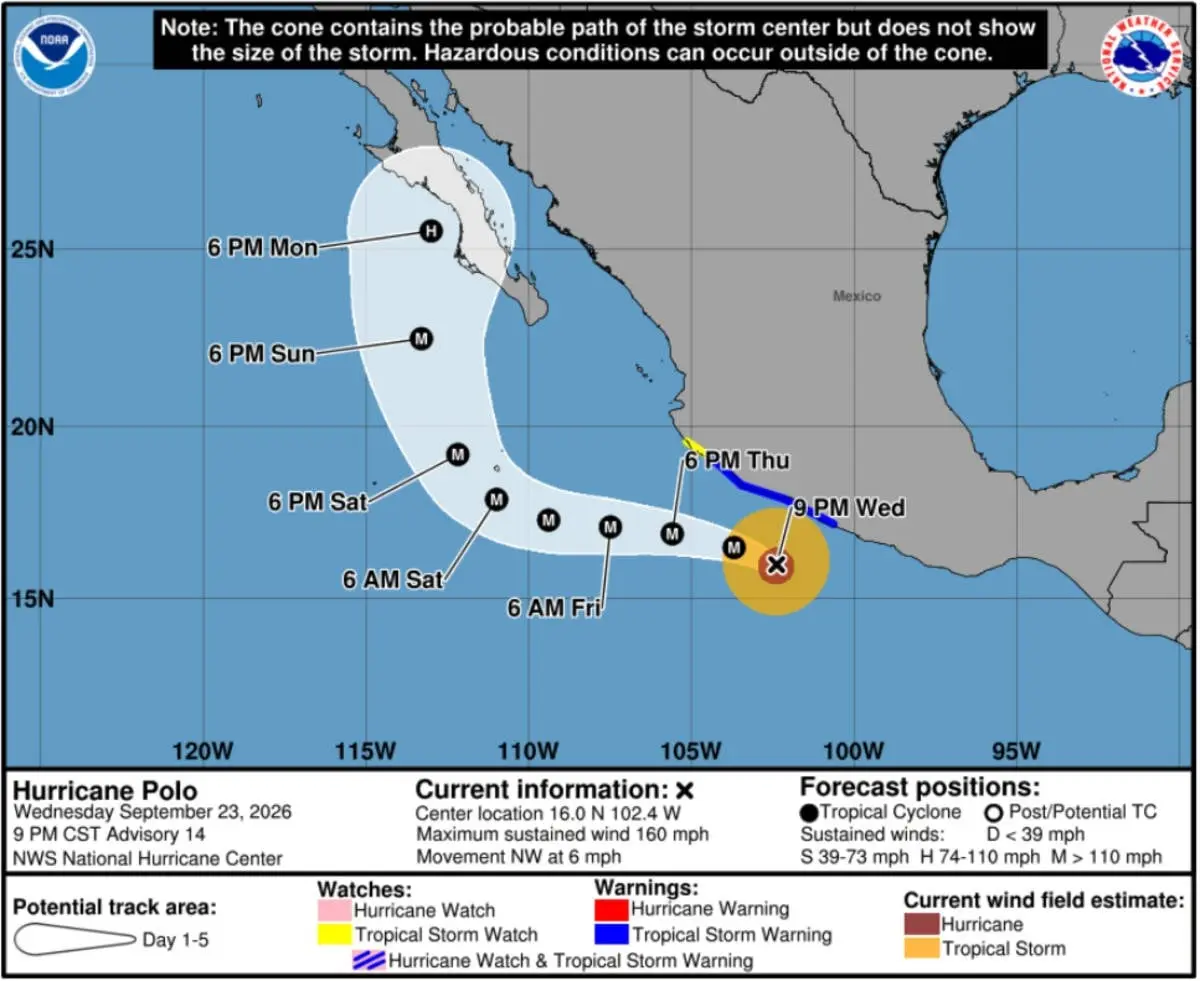
Currently churning off the western coast of Mexico as a catastrophic Category 5 storm, Hurricane Polo boasts maximum sustained winds of 160 miles per hour, presenting an existential hazard to maritime operations in the region. To prioritize passenger safety—the foundational tenet of modern commercial cruising—Royal Caribbean’s marine operations and meteorological teams elected to scrap multiple traditional port stops.
The revised itinerary eliminates scheduled visits to Ensenada and Cabo San Lucas, replacing them with a creative reconfiguration that introduces a port call in Puerto Vallarta and pulls forward a visit to Mazatlan. While itinerary changes invariably invite a degree of passenger disappointment, cruise lines are stressing that modern mega-ships are uniquely engineered to outmaneuver severe weather events. This comprehensive report details the operational adjustments made by Royal Caribbean, the meteorological reality of Hurricane Polo, the financial and logistical impacts on travelers, and the broader ripples being felt across the West Coast cruise market.
Detailed Chronology of Operational Changes
The decision-making process during a major tropical weather event requires split-second precision, continuous meteorological data analysis, and seamless communication between shipboard command and corporate headquarters. For the upcoming voyage of Navigator of the Seas, the timeline of operational adjustments unfolded rapidly in the days leading up to embarkation.
The Initial Warning and September 23 Communications
On September 23, sensing the rapid intensification of Hurricane Polo off the western coast of Mexico, Royal Caribbean’s route optimization team determined that maintaining the original sailing schedule would place Navigator of the Seas directly in the crosshairs of severe weather, rough seas, and dangerous port conditions.
In a formal notification dispatched to booked guests, the cruise line outlined the stark reality of the situation:
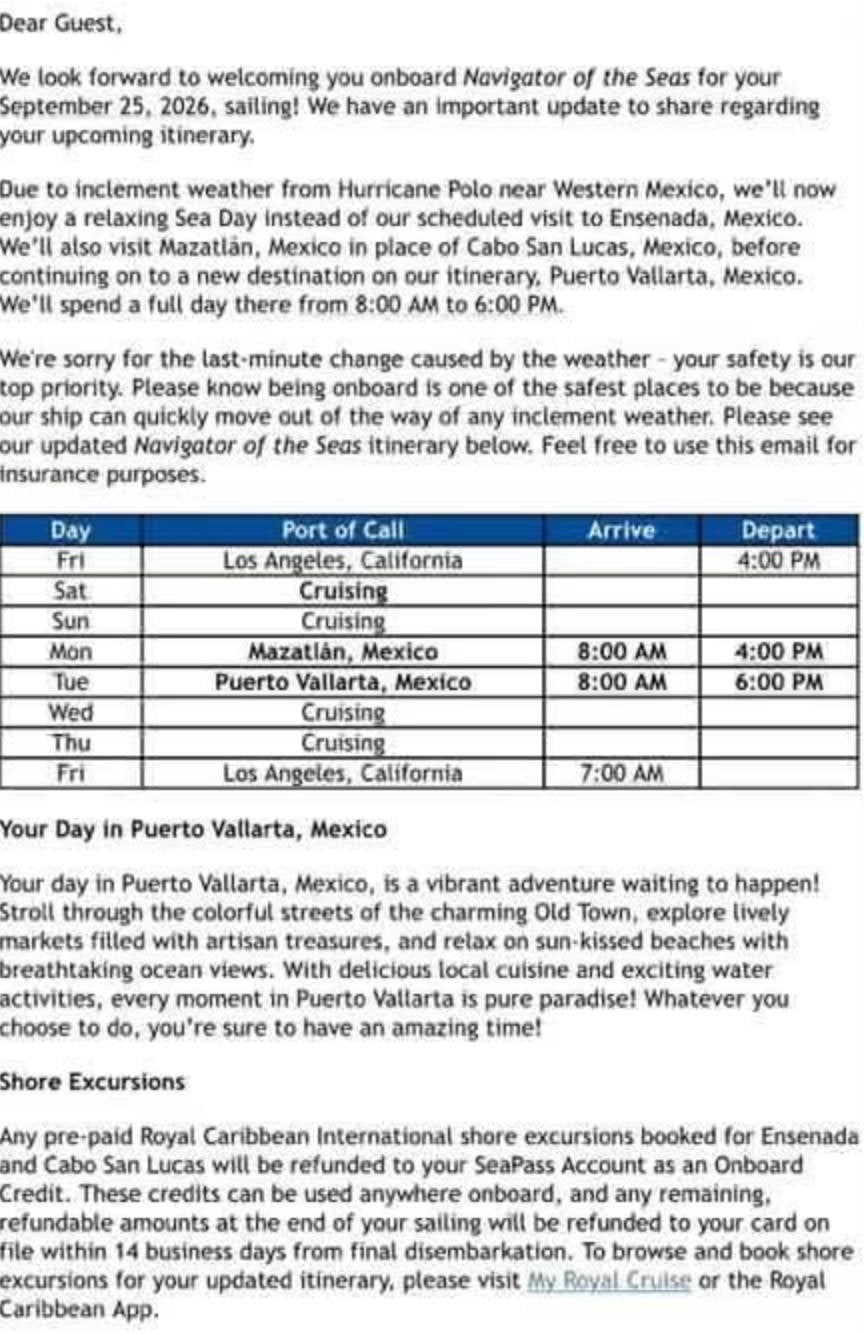
"Due to inclement weather from Hurricane Polo near Western Mexico, we’ll now enjoy a relaxing Sea Day instead of our scheduled visit to Ensenada, Mexico."
This initial correspondence served as the starting gun for a cascading series of adjustments to the voyage’s master plan. The original blueprint for the cruise anticipated a classic Mexican Riviera circuit departing Los Angeles, heading south to Ensenada, sweeping down to Cabo San Lucas, stopping in Mazatlan on the return leg, and culminating in several days at sea before returning to Southern California.
Port-by-Port Breakdown of the Altered Route
The final revised itinerary for the September 25 departure of Navigator of the Seas breaks down as follows:
- September 25: Embarkation out of Los Angeles, California.
- September 26: Originally scheduled for a port call in Ensenada, Mexico. This stop has been entirely cancelled and replaced with a relaxing day at sea to allow the vessel to maintain a safe geographical buffer west of the storm’s projected track.
- September 28: Originally scheduled for a port call in Cabo San Lucas. This stop has also been cancelled due to the high probability of heavy swells, gale-force winds, and unsafe tender operations. Instead, Navigator of the Seas will pivot to Mazatlan, pulling that port visit forward from its original September 29 slot.
- September 29: The cruise line has introduced a brand-new port call to Puerto Vallarta, Mexico. Passengers will enjoy an extended shoreside window from 8:00 AM to 6:00 PM, offering a vibrant cultural and recreational stop to offset the loss of Ensenada and Cabo San Lucas.
- September 30 – October 1: Full consecutive sea days as the vessel navigates north along the Pacific coastline, allowing the storm system ample time to dissipate or move harmlessly out to sea.
- October 2: Scheduled return to Los Angeles, concluding the voyage.
Supporting Context & Metrics: The Anatomy of Hurricane Polo
To truly understand why a massive cruise ship must alter its course hundreds of miles away, one must examine the raw meteorological data driving the decisions of cruise line captains and chief meteorologists.
Meteorological Profile of Hurricane Polo
As of the latest advisories from the National Hurricane Center (NHC) and NOAA, Hurricane Polo has evolved into a remarkably powerful Category 5 storm on the Saffir-Simpson Hurricane Wind Scale.
- Maximum Sustained Winds: 160 MPH, capable of catastrophic structural damage on land and generating life-threatening marine conditions at sea.
- Current Location: Approximately 240 miles southeast of Manzanillo, Mexico.
- Movement: Tracking toward the Northwest at a forward speed of 6 MPH.
While a forward speed of 6 MPH might sound sluggish, slow-moving hurricanes are notoriously dangerous because they linger over warm Pacific waters, dumping torrential rainfall and generating massive, long-period ocean swells that can travel hundreds of miles away from the eye of the storm. For a cruise ship—even one as massive as the Quantum-class or Voyager-class vessels deployed by Royal Caribbean—navigating through the outer bands of a Category 5 hurricane introduces severe safety risks, including structural stress, dangerous passenger movement onboard, and the absolute impossibility of safely operating tender boats in ports like Cabo San Lucas.
The Broader West Coast Cruise Market Impact
The disruption is not isolated to Navigator of the Seas. Royal Caribbean’s Ovation of the Seas, a massive Quantum-class vessel, is currently scheduled to call at Ensenada on September 29 as part of a short 3-night itinerary departing Los Angeles on September 28.
Industry analysts are closely monitoring West Coast itineraries, as autumn tropical activity in the Eastern Pacific has historically proven capable of disrupting short-getaway cruises from California ports. While Caribbean itineraries deal with Atlantic hurricanes throughout the summer and fall, Mexican Riviera routes face distinct meteorological threats from both Pacific hurricanes and severe coastal storm systems.
Official Statements and Passenger Logistics
When a cruise line alters a vacation that passengers have saved and planned months—or even years—for, clear communication and tangible remediation are critical to maintaining consumer trust.
Royal Caribbean’s Corporate Stance
In their official communications with impacted guests, Royal Caribbean officials emphasized that safety remains the absolute bedrock of their operational philosophy. Addressing the psychological hurdle of sailing toward a storm zone, the cruise line’s letter noted:
"We’re sorry for the last-minute change caused by the weather – your safety is our top priority. Please know being onboard is one of the safest places to be because our ship can quickly move out of the way of any inclement weather."
This sentiment highlights a fundamental truth of modern cruise operations: unlike land-based resorts that must weather storms statically, modern cruise ships are mobile luxury hotels capable of steaming away from danger at speeds exceeding 20 knots. By adjusting the itinerary early, captains can steer clear of the storm’s cone of uncertainty entirely, ensuring that passengers experience smooth sailing rather than severe weather conditions.
Handling Shore Excursions and Financial Credits
One of the most immediate administrative headaches during an itinerary change involves pre-booked excursions. When ports like Ensenada and Cabo San Lucas are dropped from a manifest, travelers who independently booked or pre-purchased excursions through the cruise line face potential financial losses.
To mitigate this friction, Royal Caribbean has implemented a streamlined compensation policy:
- Automatic Refunds: Any pre-paid shore excursions booked directly through Royal Caribbean for the cancelled stops in Ensenada and Cabo San Lucas will be automatically refunded.
- Onboard Credit Conversion: Rather than routing funds back to credit cards—a process that can take several business days—the cruise line is issuing these refunds directly to guests’ SeaPass accounts as Onboard Credit (OBC).
- Flexibility: This onboard credit can be immediately utilized by guests for alternative shore excursions in Puerto Vallarta and Mazatlan, specialized dining, spa treatments, or beverage packages during the remainder of the voyage.
Passengers who booked independent third-party excursions outside of Royal Caribbean’s ecosystem are advised to contact their individual tour operators directly to negotiate refunds based on weather-related port cancellations.
Future Outlook and Ongoing Industry Monitoring
As the maritime industry continues to navigate the complexities of climate variability and increasingly intense tropical weather systems, the operational agility demonstrated by lines like Royal Caribbean will remain a vital asset.
What Travelers Should Expect Next
Cruise Hive will continue to monitor Advisory bulletins issued by the National Hurricane Center (NOAA) regarding the tracking, deceleration, or eventual dissipation of Hurricane Polo. Furthermore, reporters are maintaining direct lines of communication with cruise line operations desks to track any secondary itinerary tweaks required for Ovation of the Seas or other West Coast departures over the coming days.
For travelers currently booked on West Coast Mexican Riviera sailings, the key takeaways are clear:
- Expect Flexibility: Weather systems can change course rapidly; packing with versatile clothing for both warm port days and cooler sea days is essential.
- Monitor Communications: Ensure that email addresses and phone numbers on file with your cruise line or travel agent are up to date to receive real-time alerts.
- Trust the Captain: While missing a favorite port like Cabo San Lucas is undeniably disappointing, the primary directive of any cruise captain is to deliver passengers back to their homeport safely.
As Hurricane Polo tracks across the Eastern Pacific, the resilience of the cruise industry—backed by advanced satellite meteorology and proactive fleet management—ensures that thousands of vacationers will continue to enjoy safe, memorable journeys despite the fury of nature just over the horizon. Stay tuned to Cruise Hive for continuous, real-time updates on this developing weather event and its ongoing impact on cruise operations.