




Executive Overview
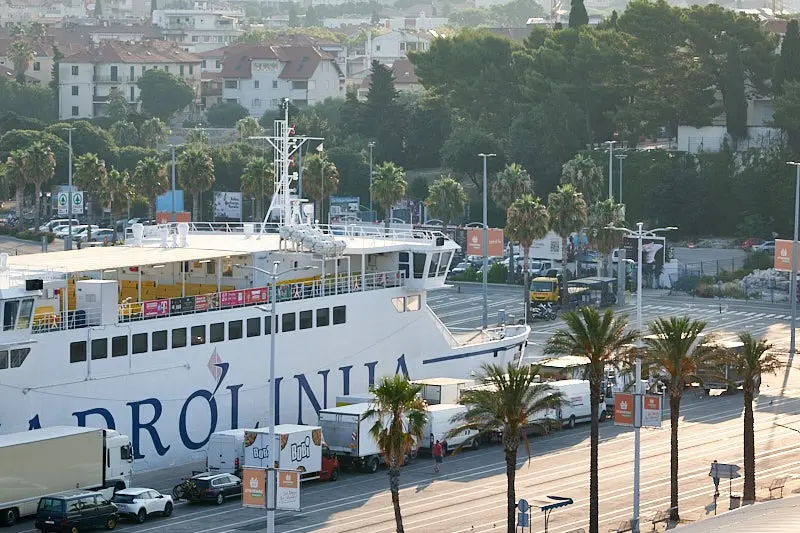
State-owned Croatian ferry operator Jadrolinija has launched an ambitious, multi-year strategic fleet renewal program designed to overhaul its aging maritime infrastructure and align the nation’s domestic shipping network with European Union decarbonization targets. Under the multi-phase capital expenditure plan, Jadrolinija intends to construct and commission ten new vessels by 2030, representing an estimated capital investment of between €200 million and €260 million.
This structural initiative comes at a critical juncture for the state carrier. While Jadrolinija remains the fundamental lifeline connecting mainland Croatia to its inhabited islands—handling record-high passenger and vehicle throughput during peak tourist seasons—its existing operational model is constrained by an aging fleet and escalating operational overheads. The strategic overhaul aims to replace legacy vessels with energy-efficient and zero-emission tonnage, directly addressing modern environmental standards while stabilizing the carrier’s volatile financial performance.
       +-------------------------------------------------------+
       |           JADROLINIJA FLEET MODERNIZATION             |
       |                2026–2030 TARGETS                      |
       +-------------------------------------------------------+
                                   |
           +-----------------------+-----------------------+
           |                                               |
           v                                               v
+---------------------+                         +---------------------+
|  7 Eco-Friendly     |                         |  3 Fully Electric   |
|  Ro-Ro Ferries      |                         |  Passenger Vessels  |
| (Hybrid/LNG/Dual)   |                         | (Zero-Emission)     |
+---------------------+                         +---------------------+
           |                                               |
           +-----------------------+-----------------------+
                                   |
                                   v
       +-------------------------------------------------------+
       |   Total Planned Investment: €200M – €260M             |
       |   Target Fleet Age Reduction & Decarbonization         |
       +-------------------------------------------------------+
The comprehensive modernization roadmap balances immediate operational needs with long-term ecological compliance. By deploying seven low-emission ferries tailored for major coastal transport corridors alongside three fully electric passenger vessels dedicated to short-range island connections, Jadrolinija is laying the groundwork for a green transition in the Adriatic Sea.
Detailed Chronology
Phase I: Post-Pandemic Strain and Operational Realities
Following the global travel disruptions of 2020–2021, the Adriatic maritime corridor experienced an unprecedented surge in passenger volume. As Croatia solidified its position as a premier Mediterranean tourist destination, Jadrolinija faced intensifying demand during peak summer operational windows. However, the operational strain exposed underlying vulnerabilities within the carrier’s legacy fleet, characterized by rising maintenance expenditures, periodic mechanical downtimes, and elevated fuel consumption rates typical of mid-to-late 20th-century vessel design.
Phase II: Strategic Review and Fleet Diagnostic
By early 2024, internal evaluations and regulatory assessments by the Ministry of the Sea, Transport and Infrastructure highlighted an urgent need for systemic capital investment. With an average fleet age approaching three decades, the operator faced mounting exposure to the European Union Emissions Trading System (EU ETS) for maritime transport, alongside stricter International Maritime Organization (IMO) carbon intensity regulations. It became clear that incremental secondhand vessel acquisitions could no longer provide a sustainable foundation for long-term fleet management.
Phase III: Program Formalization and Capital Allocation
Throughout 2025, Jadrolinija’s executive management board, in coordination with maritime engineering consultants and state financial authorities, drafted the framework for the 2030 Fleet Renewal Programme. The initiative formally established the financial scope at €200–260 million, seeking to leverage a combination of internal corporate liquidity, commercial credit lines, state budget subsidies, and targeted EU structural and green transition funds (including the Recovery and Resilience Facility and the Cohesion Fund).
Phase IV: Procurement Framework and Tender Execution (2026–2030)
The strategy now enters its execution phase. Technical specifications for the first tranche of low-emission vessels are being finalized, with public tenders expected to be issued to domestic and international shipyards. Shipbuilding schedules will be staggered through 2030 to ensure continuous operational coverage along crucial coastal routes, while minimizing disruption to scheduled island services.
Supporting Context & Metrics
Operational and Financial Performance Profile
Jadrolinija’s financial performance underscores the urgent economic rationale behind replacing legacy vessels with modern, fuel-efficient designs. In 2025, the company recorded total revenues of €195.1 million, backed by massive volume across its transport network. However, the organization closed the financial year with an net loss of €8.7 million.
| Financial & Operational Metric | 2025 Performance Value | Strategic Implication / Structural Context |
|---|---|---|
| Annual Passenger Volume | 12.6 Million Passengers | High seasonal concentration; heavy reliance on tourism surge. |
| Annual Vehicle Volume | 3.8 Million Vehicles | Demands maximized deck capacities and efficient Ro-Ro ramps. |
| Total Annual Revenue | €195.1 Million | Reflects solid commercial top-line growth and tariff receipts. |
| Net Financial Result | -€8.7 Million (Loss) | Driven by high fuel consumption, drydocking, and repair costs. |
| Active Fleet Size | 58 Vessels | Requires extensive continuous capital for basic maintenance. |
| Average Fleet Age | ~28 Years | Accelerates depreciation, fuel burn, and operational exposure. |
| Peak Summer Operations | >600 Departures / Day | Severe operational stress placed on aging mechanical systems. |
     JADROLINIJA 2025 FINANCIAL BREAKDOWN (€ MILLIONS)
     +---------------------------------------------------+
     | Revenue: €195.1M                                  |
     +---------------------------------------------------+
     | Net Loss: -€8.7M [High OPEX / Fuel / Maintenance] |
     +---------------------------------------------------+
Root Cause of Operational Deficits
The primary cost driver behind Jadrolinija’s bottom-line deficit is the high operational expenditure (OPEX) tied to its aged fleet profile:
- Fuel Inefficiency: Older internal combustion engines running on marine gas oil (MGO) consume significantly more fuel per nautical mile than modern dual-fuel or hybrid-electric propulsion systems.
- Maintenance Expenditure: Operating vessels with an average age of 28 years requires frequent scheduled drydockings, costly engine overhauls, and specialized structural repairs to maintain maritime safety certifications.
- Seasonal Asymmetry: Jadrolinija maintains Public Service Obligations (PSO) year-round. While summer operations generate strong cash flow, off-peak winter sailings operate at low load factors, incurring persistent operational losses across underutilized routes.
Fleet Technical Architecture and Composition
The fleet renewal plan aims to systematically replace outdated vessels with modern ships engineered specifically for the hydrographic and operational characteristics of the Croatian archipelago.
                  FLOTILLA STRUCTURAL BREAKDOWN

  Current Fleet (58 Vessels)            Target Additions by 2030 (10 New Ships)
+----------------------------+        +----------------------------------------+
| Avg. Age: ~28 Years        |  --->  | 7 Eco-Friendly Ro-Ro Ferries           |
| High Fuel & Repair Costs   |        | 3 Fully Electric Passenger Catamarans  |
+----------------------------+        +----------------------------------------+
1. Eco-Friendly Ro-Ro Ferries (7 Units)
- Propulsion Tech: Advanced hybrid diesel-electric, dual-fuel, or alternative-fuel-ready engines, coupled with optimized hull designs to minimize hydrodynamic drag.
- Operational Scope: Assigned to medium- and long-haul trunk routes connecting major mainland ports (Split, Zadar, Rijeka) to major outer islands such as Brač, Hvar, Korčula, and Vis.
- Capacity Focus: Expanded vehicle lane meters and rapid-loading ramp layouts designed to minimize turn-around times in port during peak summer schedules.
2. Zero-Emission Passenger Ships (3 Units)
- Propulsion Tech: Pure battery-electric systems utilizing energy storage systems (ESS) combined with lightweight composite or marine-grade aluminum hulls.
- Operational Scope: Targeted for short-range passenger routes and inter-island shuttles serving communities near coastal hubs like Dubrovnik, Šibenik, and Zadar.
- Infrastructure Requirement: Integrated fast-charging shore power infrastructure at berth points, allowing high-voltage battery replenishment during routine passenger embarkation windows.
Official Statements
Corporate Governance & Strategic Leadership
In presenting the program, senior executive leadership within Jadrolinija emphasized that the strategy balances essential public service requirements with long-term fiscal discipline:
"The launch of our €200–260 million fleet renewal programme represents a fundamental turning point in Jadrolinija’s history. Operating a fleet with an average age of 28 years is no longer economically or environmentally viable in modern maritime transport.
By introducing seven advanced eco-ferries and three fully electric vessels by 2030, we are addressing the root causes of our operational deficits—namely, volatile fuel expenses and escalating maintenance overheads. This program ensures that Jadrolinija remains a reliable partner for our island communities while positioning the company at the forefront of Adriatic green shipping."
Government & Regulatory Alignment
Representatives from Croatia’s Ministry of the Sea, Transport and Infrastructure highlighted the national strategic importance of the investment, underscoring its role in preserving island connectivity and satisfying European decarbonization mandates:
"Maritime connectivity is not merely a transport sector in Croatia; it is a vital pillar of our national economy, regional demographics, and territorial integrity. The Croatian government fully supports Jadrolinija’s fleet transformation.
This strategic renewal aligns directly with EU Green Deal objectives and national transportation frameworks. Through a combination of state support, corporate funds, and EU capital mechanisms, we are ensuring that our island populations receive modern, low-emission, and reliable transport services year-round."
Future Outlook
Structural Impact on Island Infrastructure and Port Facilities
The deployment of new vessels—particularly battery-electric and hybrid units—will require significant upgrades to Croatia’s onshore maritime infrastructure. The successful integration of these ships depends heavily on complementary capital investments across coastal ports.
+-----------------------------------------------------------------+
|             PORT & GRID INFRASTRUCTURE REQUIREMENTS             |
+-----------------------------------------------------------------+
                                  |
         +------------------------+------------------------+
         |                                                 |
         v                                                 v
+---------------------------------+     +---------------------------------+
|     High-Voltage Shore Power    |     |  Bespoke Charging Terminals     |
|   (Cold Ironing Infrastructure) |     |  (Fast-Charging for ESS Units)  |
+---------------------------------+     +---------------------------------+
         |                                                 |
         +------------------------+------------------------+
                                  |
                                  v
+-----------------------------------------------------------------+
| Standardized Grid Connections across Split, Zadar, and Islands  |
+-----------------------------------------------------------------+
Local port authorities, working alongside national energy grid operators, must accelerate the installation of shore-side electricity (SSE) systems—commonly known as cold ironing—to allow ships to turn off their auxiliary engines while docked. Furthermore, installing fast-charging infrastructure at island terminals will be necessary to keep electric passenger vessels operating on schedule without degrading battery lifespan.
Opportunities for the Domestic Shipbuilding Sector
Jadrolinija’s strategic fleet expansion offers a significant commercial opportunity for Croatia’s domestic shipbuilding and maritime engineering industry. Traditional shipbuilding centers along the Adriatic coastline—such as facilities in Pula, Rijeka, Kraljevica, and Trogir—possess extensive experience in marine construction, engineering, and repairs.
Participating in competitive tenders for these ten vessels could help revitalize domestic shipyards, providing a steady pipeline of high-tech construction contracts. Developing specialized expertise in hybrid propulsion integration, battery energy storage systems, and lightweight hull construction could also position Croatian yards as competitive regional players in the growing European market for zero-emission coastal vessels.
Long-Term Market Competitiveness and ESG Integration
By 2030, the completion of this fleet modernization program will structurally alter Jadrolinija’s operational profile:
- OPEX Stabilization: Lower fuel consumption and reduced maintenance requirements on modern hulls will stabilize baseline operating expenditure, directly addressing the underlying causes of recent financial losses.
- Regulatory Risk Mitigation: Upgrading the fleet hedges the state-owned carrier against rising carbon compliance costs under the EU ETS, while maintaining full compliance with strict regional environmental protection zone standards in the Adriatic Sea.
- Service Reliability and Tourism Resilience: Newer, higher-capacity Ro-Ro ferries will reduce seasonal port congestion, shorten loading times, and improve overall service reliability for both permanent island residents and international tourists.
Ultimately, Jadrolinija’s €260 million fleet renewal program serves as a critical model for state-backed coastal transport modernizations across southern Europe. By linking fleet recapitalization with green transition technology, the company aims to convert operational and financial pressures into a sustainable foundation for long-term maritime connectivity.