






Executive Overview
California’s reputation as an expensive travel destination is well-earned. From $20 morning smoothies in coastal metropolises to high-end culinary hotspots heavily promoted across social media algorithms, exploring the Golden State can quickly drain a traveler’s bank account. Yet, hidden just beyond the glittering tech hubs and postcard-worthy tourist traps lies a very different reality—one rooted in working-class grit, agricultural abundance, and immigrant entrepreneurship.
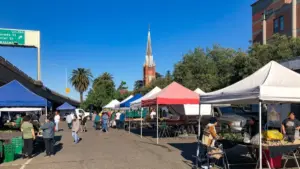
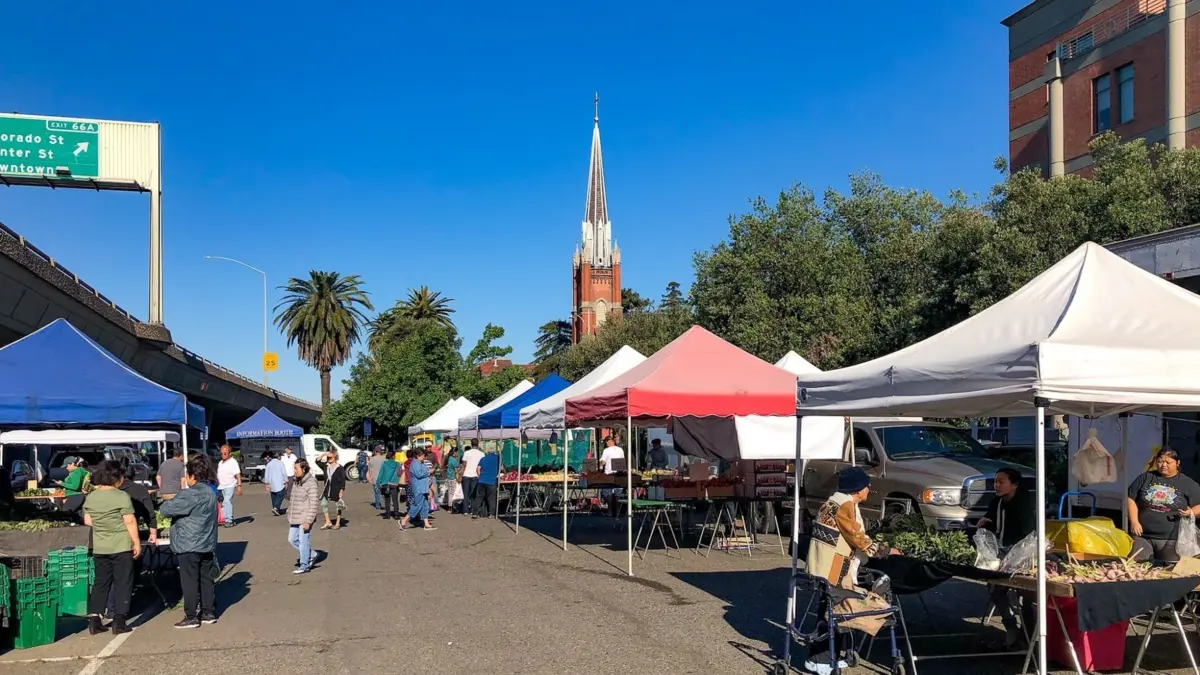
Located roughly 80 miles east of the San Francisco Bay Area in Stockton, the Golden Villa Farmers’ Market stands as a compelling counter-narrative to California’s escalating cost of living. Operating in the early-morning hours every Saturday beneath the concrete canopy of Highway 4, this sprawling open-air bazaar has quietly served as a pillar of community, culture, and commerce since 1979. Recognized by tourism authorities as one of the oldest and most successful agricultural markets in the state, Golden Villa is far more than a place to pick up discounted vegetables. It is a living, breathing cross-section of pan-Asian and Southeast Asian diaspora culture, offering an unmatched sensory experience of sights, sounds, and scents for the price of pocket change.
For the intrepid traveler willing to beat the sunrise, the market rewards early risers with ultra-fresh specialty produce, aromatic street foods, and a vibrant cultural atmosphere that rivals expensive international excursions—all without breaking the bank. This report provides a comprehensive examination of Golden Villa’s history, its unique agricultural offerings, its diverse culinary landscape, and practical strategies for navigating one of Northern California’s best-kept secrets.

Detailed Chronology: The Evolution of Golden Villa
To truly understand the cultural weight of the Golden Villa Farmers’ Market, one must trace its roots back through decades of demographic shifts and agricultural evolution in California’s Central Valley.
1979: Planting the Seeds Under the Overpass
In the late 1970s, Stockton—like much of the Central Valley—was experiencing significant shifts in its population. A growing wave of immigrants and refugees, particularly from Southeast Asia, began settling in the region, bringing with them rich culinary traditions that could not be easily satisfied by standard American supermarkets.
To meet the demand for specialized, culturally significant ingredients, local growers and community organizers established an informal marketplace. Choosing a concrete-shaded stretch beneath Highway 4 provided a practical, weather-resistant gathering space. What began as a modest collection of pickup trucks and makeshift tables quickly coalesced into an organized weekly gathering. By setting up shop in the early morning hours, vendors could sell their harvests at peak freshness while avoiding the scorching Central Valley heat.
The Decades of Expansion (1980s–2000s)
Throughout the final decades of the 20th century, Golden Villa evolved from an insular neighborhood pantry into a regional destination. As generational farmers honed their craft and new immigrant communities arrived from China, the Philippines, Vietnam, Laos, and Cambodia, the market’s footprint expanded.

Sensing the shifting demographics and the demand for authentic flavors, food vendors followed the agricultural producers. Stalls serving generational family recipes—ranging from Chinese-American comfort classics to regional Filipino breakfast plates—became permanent fixtures. Throughout the 1990s and 2000s, the market cemented its reputation among local culinary insiders as an unpretentious, highly authentic culinary nexus.
The Modern Era: Preserving Tradition in a Digital Age
Today, nearly fifty years after its inception, Golden Villa faces a new landscape shaped by social media, viral food tourism, and rapid suburban development. While digital platforms like TikTok and Instagram have introduced a younger, more diverse demographic of travelers to the market, Golden Villa has fiercely retained its working-class authenticity.
Unlike sanitized, tourist-centric farmers’ markets found in coastal California cities—where artisanal cheeses and boutique kombuchas command steep prices—Golden Villa remains resolutely utilitarian. It is a functioning ecosystem where heritage, economy, and community intersect every single week of the year.
Supporting Context & Metrics: The Economics of the Market
Navigating California’s agricultural landscape requires an understanding of the unique economic pressures facing both producers and consumers. Golden Villa operates under a specific set of parameters that dictate everything from operating hours to pricing structures.
Time is of the Essence: The Four-Hour Window
One of the most defining characteristics of the Golden Villa Farmers’ Market is its compressed operational schedule.
- Operating Hours: Saturdays, strictly from 5:30 a.m. to 9:30 a.m.
- The Rush: Because the market caters heavily to home cooks, culinary professionals, and savvy restaurateurs who prioritize absolute peak freshness, inventory diminishes rapidly.
- The 9:00 a.m. Rule: Historical visitor data and user reviews consistently emphasize that arriving past 9:00 a.m. often means facing cleared-out tables and empty stalls. Vendors typically pack up promptly as the morning heat settles over the asphalt.
Financial Logistics: Cash is King
In an era dominated by contactless payments, mobile wallets, and credit card processing fees, Golden Villa operates largely on a cash-only basis.
- Vendor Preference: Independent farmers and multi-generational food stall operators heavily favor cash transactions to avoid high processing overhead and ensure immediate capital liquidity.
- Smart Budgeting: Visitors are strongly advised to bring small-denomination bills ($1s, $5s, $10s, and $20s). Transactions move swiftly, and changing large bills for minor purchases can disrupt the fast-paced morning flow.
Price Versus Quality Metrics
Compared to standard grocery chains or boutique urban farmers’ markets, Golden Villa offers exceptional value:
- Produce Cost Savings: Shoppers routinely report saving between 40% and 60% on specialty Asian vegetables compared to standard supermarket prices.
- Quality Control: Because produce is harvested mere hours before hitting the tables under Highway 4, the shelf life and nutritional density far outpace mass-distributed corporate produce.
Culindary Panorama: What to Eat and Buy
The true heartbeat of Golden Villa is its sensory overload. Visitors navigating the aisles will encounter a dazzling array of raw ingredients and cooked dishes representing the culinary traditions of entire continents.
1. The Produce: Beyond the Ordinary Supermarket Aisle
For home cooks and adventurous food enthusiasts, the vegetable stalls are the primary attraction. The variety of flora available covers culinary traditions spanning East, Southeast, and South Asia:
- Bitter Melon (Karela/Goya): Prized in both Chinese and Southeast Asian cooking for its cooling properties and complex, medicinal bitterness.
- Yardlong Beans: Crisp, tender-crisp legumes capable of absorbing rich garlic, chili, and fermented bean sauces.
- Bok Choy & Gai Lan (Chinese Broccoli): Ultra-fresh leafy greens harvested with crisp stalks and vibrant foliage.
- Specialty Chilis: A fiery assortment of bird’s eye chilis, serranos, and long green peppers that add immediate heat to any dish.
As one prominent Google Maps reviewer noted: "The quality of veggies is unlike what you will find anywhere else at great prices." Beyond vegetables, vendors frequently supply fresh-caught seafood, whole cuts of meat, aromatic fresh herbs (such as Thai basil, sawtooth coriander, and mint), and traditional baked goods.
2. Prepared Foods: Generations of Culinary Heritage
Arriving at Golden Villa with an empty stomach is mandatory for any serious traveler. The prepared food stalls offer a masterclass in immigrant resilience and culinary adaptation.
Chinese-American Staples: Nancy’s Chinese American Food
A true institution within the market, Nancy’s Chinese American Food has maintained its regular fixture status for over 25 years.
- Menu Highlights: Crowd favorites include classic chow mein, wok-tossed fried rice, crispy golden fried chicken, and savory egg rolls.
- Combo Plates: Designed for travelers wanting to sample multiple dishes without committing to a single entree, the combo plates offer high volume and comforting, nostalgic flavors.
- Traveler’s Note: For those looking to deepen their exploration of Chinese cuisine in Northern California, a subsequent trip to San Francisco’s historic Chinatown—the oldest in North America—provides an ideal complement for authentic dim sum.
Southeast Asian & Filipino Delicacies
Beyond Chinese-American comfort food, Golden Villa serves as a showcase for Filipino and broader Southeast Asian street food culture:
- Ilocos Empanadas: Savory, golden-crusted pastries packed with green papaya, mung beans, longganisa sausage, and a whole egg, fried to absolute crispness.
- Silog Breakfast Plates: Hearty, comforting plates featuring garlic fried rice (sinangag) paired with a fried egg (itlog) and savory proteins like tapa (cured beef) or longganisa.
- Regional Snacks: Look out for fried opo squash and other seasonal street snacks designed to be eaten on the go.
Sweet Endings: Leche Flan and Suman
No culinary tour of the market is complete without dessert. Traditional sweets offer a rich, comforting conclusion to a savory morning:
- Leche Flan: A rich, custard-based dessert with a velvety caramel topping, deeply rooted in Spanish-colonial Filipino history.
- Suman na Kamoteng Kahoy: A traditional Filipino cassava cake, often steamed in banana leaves and ideally paired with a hot, robust cup of morning coffee.
- Extension Idea: Travelers captivated by Filipino flavors can easily extend their culinary journey by heading toward the San Francisco Bay Area to explore Daly City’s "Little Manila," a vibrant hub of modern and traditional Filipino gastronomy.
Official Statements and Local Perspectives
Local tourism boards, agricultural historians, and community stakeholders consistently emphasize the vital role Golden Villa plays in the cultural fabric of Stockton and the broader Central Valley.
"Operating continuously since 1979 under Highway 4, the Golden Villa Farmers’ Market stands proudly as one of California’s oldest and most successful agricultural markets, bridging communities through food, culture, and shared heritage."
— Visit Stockton (Civic Tourism Board Statement)
Agricultural economists point out that markets like Golden Villa serve a dual purpose: they provide an accessible economic engine for small-scale farmers who might otherwise struggle to compete with industrial agribusiness conglomerates, and they guarantee food security and cultural preservation for immigrant communities navigating life in the Central Valley.
Market vendors, many of whom have operated their stalls for decades, view their work not merely as retail transactions, but as cultural stewardship. By maintaining traditional growing practices and sharing family recipes with a new generation of shoppers, they ensure that ancestral knowledge survives and thrives in the American landscape.
Future Outlook: Navigating Growth and Preservation
As California continues to evolve, markets like Golden Villa face both unique opportunities and systemic challenges.
Urban Development and Infrastructure
Located beneath the overpass of Highway 4, the physical footprint of the market is uniquely tied to municipal infrastructure. As Stockton looks toward downtown revitalization and infrastructural modernization, city planners must balance urban development with the preservation of historic community assets. Protecting the physical space of Golden Villa is paramount to safeguarding its legacy.
The Digital Discovery Boom
Social media platforms have undeniably altered the demographic makeup of Golden Villa’s weekend crowds. Where the market was once the exclusive domain of local residents and dedicated culinary insiders, food vloggers, travel journalists, and regional day-trippers are increasingly making the pilgrimage from Sacramento, the San Francisco Bay Area, and beyond.
While this influx of attention brings vital economic support to the vendors, it also introduces operational strain. The compressed four-hour operating window and limited inventory mean that viral attention can lead to premature sell-outs, occasionally frustrating visitors who arrive late. Educational outreach from travel platforms—emphasizing early arrival, cash preparation, and respectful cultural engagement—will be crucial in maintaining the harmonious balance between long-standing community shoppers and curious newcomers.
Expanding the Northern California Itinerary
For travelers utilizing Golden Villa as a jumping-off point for a broader regional exploration, the future looks exceptionally bright. The Central Valley and Northern California corridor offer a wealth of interconnected agricultural and culinary destinations:
- Sacramento: Recognized widely as America’s Farm-to-Fork Capital, located just a short drive north, featuring an array of world-class farmers’ markets and farm-to-table dining establishments.
- The Bay Area: Offering immediate access to historical Chinatowns, burgeoning Filipino food scenes in Daly City, and diverse culinary enclaves.
Conclusion
The Golden Villa Farmers’ Market proves that extraordinary travel experiences do not require extravagant budgets. By stepping away from the coastal tourist traps and venturing 80 miles east of the Bay Area into Stockton, travelers are rewarded with something far more valuable than an expensive Instagram photo: a genuine, deeply flavorful, and culturally rich connection to the immigrant heartbeat of California. Wake up early, pack your cash, bring an empty stomach, and discover the enduring magic waiting beneath Highway 4.