






Executive Overview
The global transportation and public mobility landscape is undergoing a profound transformation. As municipalities, universities, and transit agencies grapple with shifting commuter demands, environmental regulations, and the imperative for operational resilience, the industry continues to advance at an unprecedented pace. From multi-million-dollar compressed natural gas (CNG) and alternative-fuel vehicle acquisitions to major corporate consolidations bridging human-driven microtransit with physical artificial intelligence, the latest developments in the public transit sector signal a decisive shift toward integrated, sustainable, and technologically advanced networks.
Recent months have underscored this evolution through a flurry of high-impact business moves, contract renewals, and strategic manufacturing orders. Key highlights include major fleet modernizations by the Metropolitan Transit Authority of Harris County (Houston METRO) and the Central Ohio Transit Authority (COTA) with New Flyer of America; the continuation of vital regional transit operations by Transdev in Delaware; a first-time municipal and institutional supply contract for ENC with the University of Vermont; the landmark merger of microtransit leader Freebee and autonomous mobility pioneer Beep; alternative-fuel adoption by West Virginia’s Mountain Line Transit Authority; and enhanced operator safety retrofits executed by Complete Coach Works for Pierce Transit.
This report provides an exhaustive, authoritative examination of these pivotal developments, detailing the financial investments, technological underpinnings, and operational strategies driving the future of public transportation forward.
Detailed Chronology of Industry Developments
1. New Flyer Secures Major Compressed Natural Gas (CNG) Bus Contracts in Texas and Ohio
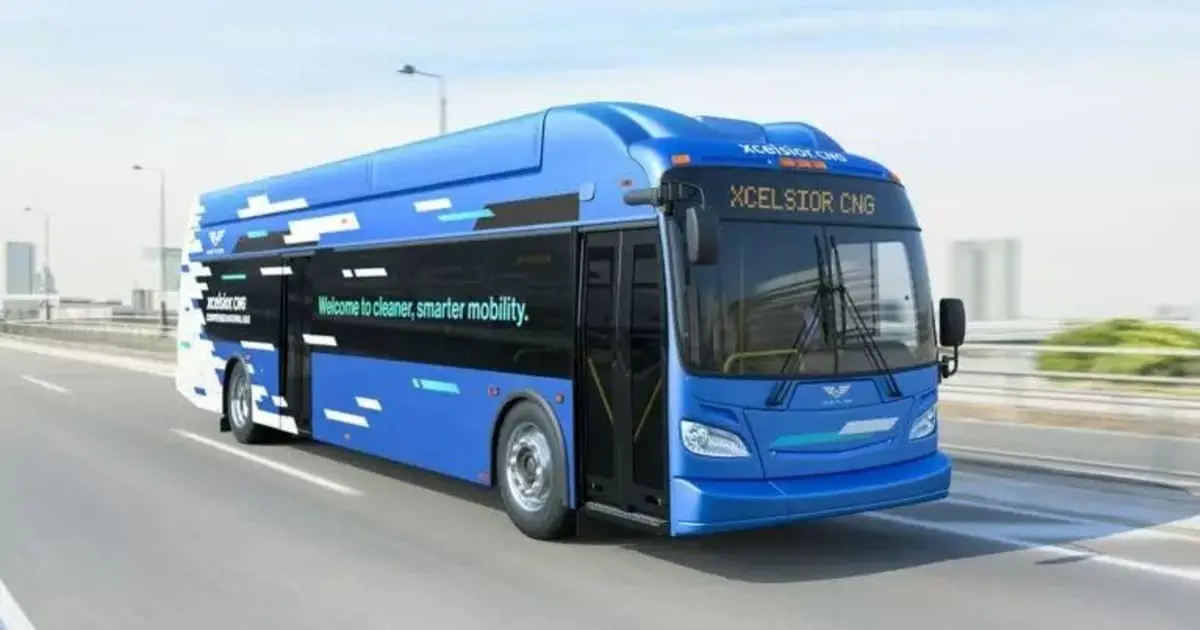
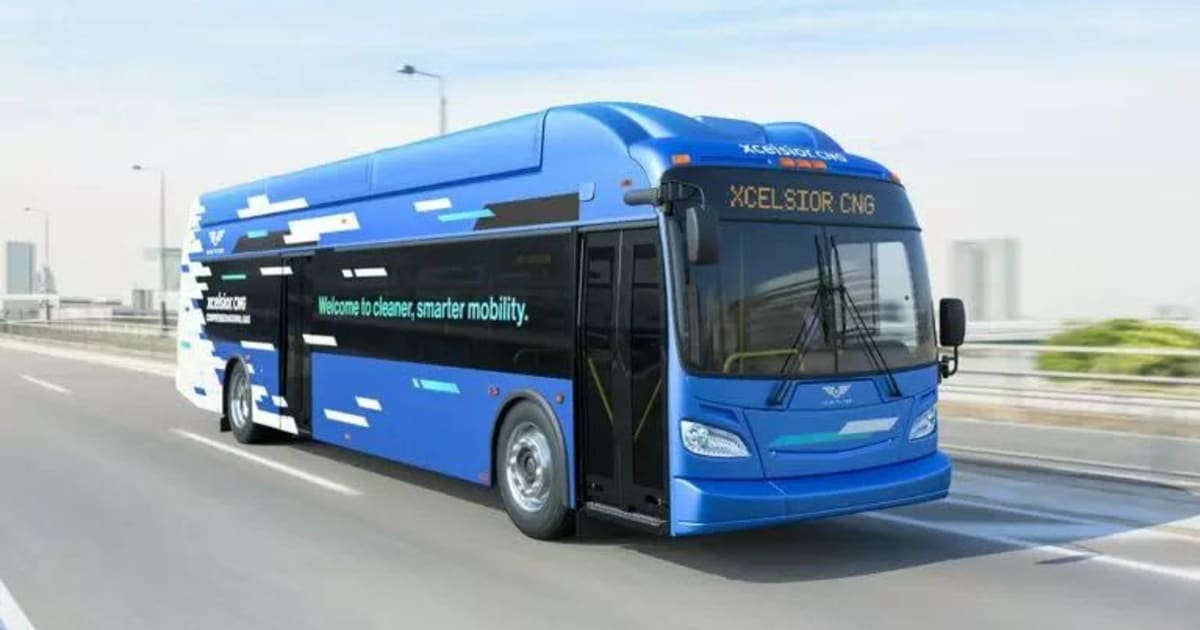
As transit agencies nationwide prioritize fleet modernization, reduced emissions, and improved passenger capacity, New Flyer of America—a subsidiary of NFI Group Inc.—has secured two substantial contracts for its heavy-duty Xcelsior compressed natural gas (CNG) transit buses. These orders reflect the diverse strategic needs of major metropolitan and regional providers.
- Houston METRO’s Fleet Renewal Initiative:
Houston METRO formally placed a firm order for 100 forty-foot Xcelsior CNG buses, an acquisition valued at approximately $93 million. Officially added to New Flyer’s firm backlog in the second quarter of 2026, these advanced vehicles are earmarked to systematically replace legacy transit buses that have reached the end of their operational service lives. The procurement is heavily bolstered by Federal Transit Administration (FTA) funding allocations. Concurrently, Houston METRO is upgrading critical maintenance and fueling facilities to expand its regional CNG fueling infrastructure, ensuring seamless long-term operational support for the expanded gas-powered fleet. As an agency that routinely facilitates more than 76 million passenger trips annually, Houston METRO’s continued investment in CNG technology highlights its dual commitment to fiscal prudence and environmental sustainability. - COTA’s Articulated Fleet Expansion:
In Central Ohio, the Central Ohio Transit Authority (COTA) has awarded New Flyer a contract for up to 45 sixty-foot Xcelsior CNG articulated buses. This agreement comprises a firm order for 12 buses, alongside options for up to 33 additional units. These high-capacity vehicles will replace aging stock while actively supporting the rollout and scaling of ambitious new bus rapid transit (BRT) corridors across Columbus and its surrounding communities. Notably, this agreement marks COTA’s inaugural procurement of 60-foot articulated buses from New Flyer. While COTA handles over 12 million passenger trips annually, the introduction of these high-capacity vehicles is designed to absorb growing passenger density and facilitate high-frequency transit networks across the region.
2. Transdev Secures Contract Renewal for DART First State Services in Sussex County
Operational continuity remains a cornerstone of reliable public transit. The Delaware Transit Corporation (DTC) has officially awarded Transdev a contract renewal to continue operating DART First State transit services throughout Sussex County, Delaware. The agreement commenced with a three-year base term beginning on June 18.
Under the parameters of this renewed contract, Transdev will retain full management and daily operational oversight for DART’s comprehensive fixed-route, paratransit, and microtransit networks across the county. The sprawling operation utilizes a dedicated fleet of approximately 40 fixed-route vehicles, 7 specialized paratransit units, and 4 microtransit vehicles. These assets are supported by a localized workforce of more than 75 transit professionals operating out of three strategic facilities distributed across the county. Transdev leadership emphasized that the Sussex County team will continue to champion DART’s progressive mobility initiatives, including the gradual integration of electric bus infrastructure and tailored transportation options designed to address the shifting commuting paradigms of rural and suburban riders.
3. ENC Wins Maiden Supply Contract with the University of Vermont
In the institutional transit sector, El Dorado National California (ENC) has secured a significant contract to supply four AXESS 40-foot diesel transit buses to the University of Vermont (UVM).

This agreement represents UVM’s first-ever procurement with ENC and includes options for the future purchase of four additional 40-foot AXESS buses, which can be specified in diesel, compressed natural gas (CNG), or advanced diesel-electric hybrid configurations. Based in Burlington, Vermont, UVM serves an active on-site campus population of approximately 14,000 students. The newly acquired buses will bolster the university’s internal transit system, ensuring safe, dependable, and ADA-compliant mobility options for students, faculty, and staff navigating the campus network. ENC’s Buy America-compliant transit buses—available in 30-, 32-, 33-, 35-, and 40-foot configurations—provide fleet operators with considerable scalability, fully configurable floor plans, and robust mobility features tailored to institutional environments.
4. Beep and Freebee Complete Strategic Merger
In what is widely regarded as one of the most innovative corporate consolidations in the microtransit sector, Beep Inc. announced the successful completion of its merger with Freebee. This strategic unification bridges the operational strengths of human-driven microtransit platforms with cutting-edge autonomous vehicle (AV) technology.
The newly combined enterprise fuses Freebee’s proprietary human-driven microtransit technology platform, established software applications, and large-scale operational network with Beep’s deep industry experience in deploying autonomous mobility systems. Beep’s infrastructure is anchored by its proprietary AI-driven AutonomOS software platform, which simplifies the management and orchestration of physical artificial intelligence across complex transportation networks.
The merged entity will retain the Beep corporate identity, guided by an executive team featuring Beep co-founder Kevin Reid as Chairman and CEO. Freebee co-founders Kris Kimball and Jason Spiegel have assumed key executive roles as Chief Operating Officer and President & Chief Growth Officer, respectively, while Beep co-founder Mark Reid serves as Chief Customer Officer. Crucially, Freebee’s consumer-facing microtransit solutions will continue to operate under the established Freebee product brand. The combined organization provides transit agencies and private developments with a unified partner capable of deploying human-driven, fully autonomous, or blended multi-modal networks from a single source.
5. West Virginia’s Mountain Line Expands Clean Fleet with Propane-Fueled Buses
Commitment to ultra-low-emission technologies continues to spread across regional transit authorities. The Mountain Line Transit Authority, serving Morgantown, West Virginia, has officially integrated five new light-duty buses powered by propane autogas into its active fleet.
The vehicles are built upon ROUSH CleanTech Ford E-450 cutaway chassis. Notably, this platform remains the sole propane-fueled vehicle series to successfully complete the Federal Transit Administration’s rigorous New Model Bus Testing Program (commonly known as Altoona Testing). Passing this benchmark grants transit agencies access to federal funding grants capable of covering up to 85% of an alternative-fuel vehicle’s capital cost, with the remaining 15% managed via local matching funds.
To support the fleet transition, Mountain Line partnered with Ferrellgas to install an on-site propane fueling station at zero capital infrastructure cost to the agency, secured through a long-term fuel supply contract. Environmental metrics for these vehicles are exceptionally strong: Mountain Line’s propane fleet is certified to 0.02 grams per brake horsepower-hour, emitting 90% less nitrogen oxide (NOx) than the United States Environmental Protection Agency’s (EPA) most stringent standard. According to comparative emissions analyses by the EPA and CARB, ROUSH CleanTech propane systems reduce an average of eight distinct regulated exhaust outputs—including particulate matter, non-methane hydrocarbons, carbon monoxide, and carbon dioxide—by roughly 64% overall.
6. Complete Coach Works Awarded Driver Barrier Installation Contract for Pierce Transit
Ensuring frontline transit operator safety remains a critical priority for municipal agencies. Complete Coach Works (CCW) has secured a new contract with Pierce Transit in Lakewood, Washington, to manufacture and install state-of-the-art driver barrier systems across a fleet of 37 Motor Coach Industries (MCI) commuter coaches.
The installation work is being conducted directly at Pierce Transit’s Lakewood maintenance facility, where specialized CCW technicians perform on-site retrofits. Through its specialized mobile labor and on-site technical services division, CCW deploys skilled transit mechanics directly to an agency’s maintenance yards. This approach allows transit systems to accelerate fleet modifications, supplement internal labor shortfalls, and minimize vehicle downtime. The contract was executed utilizing the Washington State Department of Enterprise Services (DES) master contract, enabling Pierce Transit to streamline procurement timelines and expedite safety enhancements.
Supporting Context & Metrics
To fully appreciate the magnitude of these developments, it is instructive to examine the underlying metrics driving capital allocation and operational planning within the transit industry:
- Capital Investment Scale: Major equipment orders, such as Houston METRO’s $93 million commitment for 100 CNG buses, underscore the immense capital expenditure required to maintain state-of-good-repair standards across metropolitan agencies.
- Fleet Scalability and Federal Leverage: The ability of alternative-fuel platforms—such as the ROUSH CleanTech propane cutaways—to leverage FTA Altoona testing compliance allows smaller agencies to secure up to 85% federal funding support, dramatically lowering the financial barrier to green fleet adoption.
- Ridership Demographics: Agencies making these investments represent vastly different operating scales, ranging from high-volume urban networks like Houston METRO (76+ million annual trips) and COTA (12+ million annual trips) to localized municipal providers like Mountain Line and institutional operators like the University of Vermont (14,000 on-site student population).
- Technological Convergence: The Beep-Freebee merger highlights a definitive market shift toward unified mobility ecosystems. By offering municipalities the flexibility to deploy human-operated vehicles alongside AI-managed autonomous shuttles via a single vendor platform, the industry is effectively bridging short-term microtransit utility with long-term autonomous scalability.
Official Statements and Industry Insights
Industry leaders have been vocal regarding the strategic motivations behind these announcements:
- On Fleet Decarbonization and Expansion: Representatives from New Flyer emphasized that the integration of modern Xcelsior CNG platforms allows metropolitan agencies to simultaneously address regulatory compliance, reduce maintenance overhead associated with aging legacy buses, and elevate passenger comfort through modern ergonomic designs.
- On the Convergence of Microtransit and Autonomy: Beep CEO Kevin Reid noted regarding the Freebee acquisition:
"By combining Freebee’s proven, human-driven microtransit infrastructure with Beep’s industry-leading AutonomOS software and autonomous operating experience, we are creating a holistic ecosystem. Communities no longer have to choose between immediate human-operated transit solutions and long-term autonomous goals; they can implement a blended, scalable network through a single, trusted partner."
- On Alternative Fuel Viability: Transit directors at West Virginia’s Mountain Line praised the operational reliability of propane autogas, emphasizing that the availability of on-site fueling infrastructure combined with federal Altoona testing validation makes alternative-fuel integration financially viable even for mid-sized regional authorities.
- On Workforce and Operator Protection: Complete Coach Works highlighted that on-site installation contracts—such as the Pierce Transit driver barrier project—demonstrate the value of flexible labor partnerships, ensuring that vital safety upgrades can be completed swiftly without placing an undue burden on internal agency maintenance staff.
Future Outlook
As the transportation sector looks toward the remainder of the decade and beyond, several clear trajectories emerge from this wave of business activity:
- Pragmatic Multi-Energy Fleets: While zero-emission battery-electric and hydrogen fuel cell technologies continue to capture headlines, agencies are adopting pragmatic, fuel-diverse transition strategies. Natural gas (CNG) and propane autogas continue to serve as highly reliable, bridge-to-clean-energy solutions backed by mature fueling infrastructures and favorable federal funding mechanisms.
- The Rise of Blended Mobility Networks: The consolidation of human-operated microtransit and autonomous vehicle software points toward a future where first-mile/last-mile connectivity is fully integrated. Partnerships that seamlessly blend app-based human driving networks with autonomous pods will likely become the standard for suburban and campus environments.
- Prioritizing Operator and Passenger Safety: Investments in physical infrastructure—such as the driver safety barriers being installed by Complete Coach Works—demonstrate that agency expenditures will increasingly focus on workforce protection and passenger security alongside environmental sustainability.
- Institutional and Regional Growth: As universities like the University of Vermont and regional transit districts modernize their fleets to match post-pandemic ridership recovery, bespoke procurement frameworks and flexible vehicle sizing (ranging from cutaway vans to 60-foot articulated buses) will remain vital to satisfying diverse community needs.
In summary, the latest developments across the mobility sector illustrate an industry in robust transition—one defined by strategic financial planning, technological innovation, and an unwavering commitment to safe, sustainable, and reliable public transportation.