






Executive Overview
In a strategic move designed to safeguard the operational integrity and reliability of Central Texas commuter rail, rolling stock manufacturer Stadler and Austin’s Capital Metropolitan Transportation Authority (CapMetro) have officially entered into a comprehensive, long-term service agreement. Announced as a major milestone for regional transit infrastructure, the contract tasks Stadler with delivering specialized technical support and sophisticated spare parts sourcing advisory services for CapMetro’s fleet of Stadler GTW commuter rail vehicles.
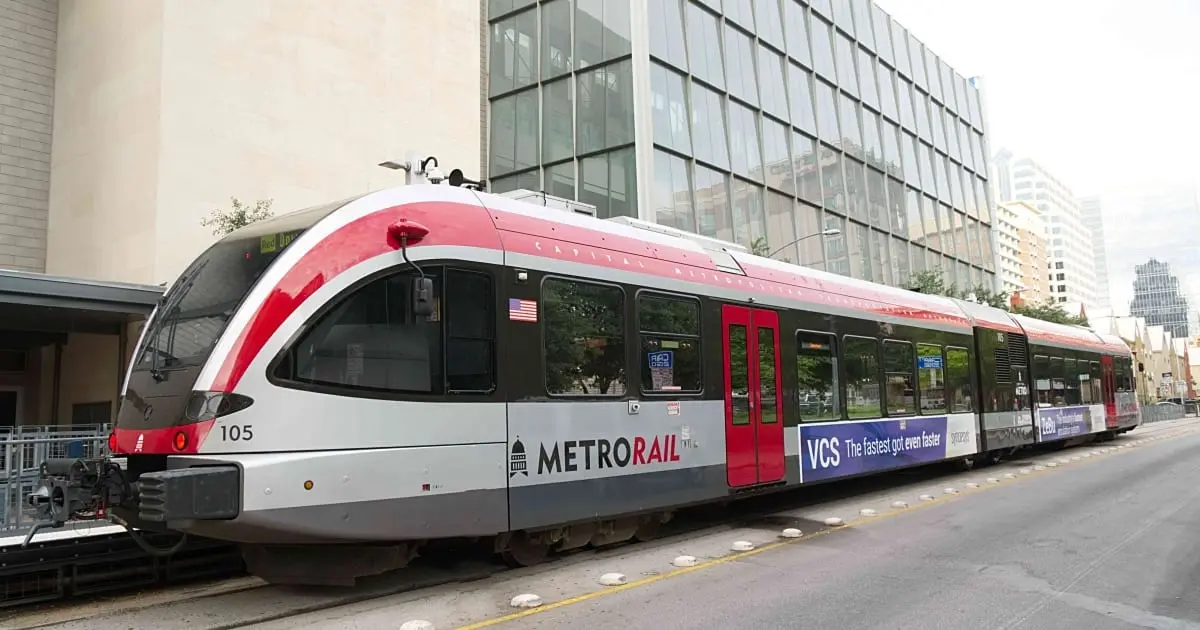
Set to officially commence in January 2027, the agreement represents a multi-year commitment to proactive fleet management. The contract features a robust five-year base term running through 2032, alongside two additional one-year option periods that have the potential to extend the partnership through 2034. Under the terms of the accord, Stadler will embed a dedicated, on-site service team in Austin. This specialized unit will deliver high-level engineering expertise, streamline spare parts management, execute comprehensive training protocols, and spearhead obsolescence support for the 10 Stadler GTW diesel-powered articulated multiple-unit (AMU) trains that have formed the backbone of CapMetro’s rail operations since 2010.
For the rapidly growing population of Greater Austin, this agreement is far more than an administrative contract; it is a vital operational safeguard. As urban centers across the United States grapple with the fiscal and logistical realities of aging transit assets, proactive maintenance partnerships between public transit agencies and original equipment manufacturers (OEMs) are becoming increasingly essential. By leveraging direct OEM expertise, CapMetro aims to preemptively mitigate mechanical wear, drastically minimize vehicle downtime, and ensure that the heavily relied-upon Red Line continues to deliver safe, punctual, and consistent service. This in-depth report explores the mechanics of the new agreement, traces the history of the Austin-Stadler partnership, examines the broader economic and passenger-centric impacts, and outlines the future outlook for urban mobility in the Texas capital.
Detailed Chronology: From 2010 Launch to the 2027-2034 Service Accord
To fully appreciate the significance of the newly minted Stadler-CapMetro agreement, it is necessary to examine the operational timeline that brought these two entities together over more than a decade of transit service in Central Texas.
2010: The Dawn of Modern Commuter Rail in Austin
The history of modern rail transit in Austin took a definitive leap forward in March 2010 with the official launch of CapMetro’s commuter rail service, subsequently branded as the Red Line. Connecting downtown Austin (via the Downtown Station near the Austin Convention Center) with the northern suburbs and Leander, the 32-mile route was designed to offer commuters a viable, traffic-bypassing alternative to the increasingly congested Interstate 35 and MoPac Expressway corridors.
To power this new era of transit, CapMetro procured a fleet of modern, articulated diesel multiple-unit trains manufactured by Stadler. These GTW (GelenkTriebwagen) vehicles were specifically chosen for their innovative lightweight construction, low-floor accessibility, fuel efficiency, and ability to navigate urban environments seamlessly. From day one, these 10 railcars carried the heavy burden of establishing public trust in Austin’s nascent rail network, proving their reliability day in and day out across a diverse Texas landscape.
The Intervening Years: Fleet Maturation and Operational Demands
Over the subsequent decade and a half, Austin experienced historic population growth, transforming from a vibrant regional hub into one of the fastest-growing major metropolitan areas in the United States. Concurrently, CapMetro’s Red Line saw steady increases in ridership, becoming an indispensable artery for commuters, students, and casual travelers alike.

However, as rail fleets cross the threshold into their second decade of heavy urban operation, the logistical challenges of maintenance multiply exponentially. Components experience natural wear and tear, mechanical systems require overhauls, and the global supply chain for specialized rail parts becomes increasingly volatile. Recognizing these shifting dynamics, CapMetro and Stadler began laying the groundwork for a more formalized, long-term technical partnership that would bridge the gap between day-to-day operations and factory-level engineering support.
The 2027–2034 Horizon: A Structured Partnership
The culmination of these strategic discussions is the newly signed service agreement, structured to take effect in January 2027. This transition timing is deliberate, aligning with the lifecycle requirements of a fleet approaching nearly two decades of continuous service.
- The Base Term (2027–2032): A foundational five-year period during which Stadler’s dedicated local team will be fully integrated into CapMetro’s maintenance ecosystem, establishing baseline efficiencies and executing proactive obsolescence mitigation.
- The Extension Windows (2032–2034): Two optional one-year extensions that provide institutional flexibility, allowing both organizations to evaluate performance metrics and extend the collaborative framework through the mid-2030s.
Supporting Context & Metrics: The Anatomy of the Stadler GTW and Fleet Support
To understand why this service agreement is a masterclass in transit asset management, one must analyze the engineering specifics of the vehicles involved and the exact nature of the support services Stadler will provide.
The Stadler GTW: Engineering Excellence on Rails
The Stadler GTW (Articulated Railcar) is a globally recognized benchmark in regional rail engineering. Operating on the Red Line, CapMetro’s 10 diesel-powered articulated multiple units feature a central power module—often colloquially referred to as the "power pack"—which houses the diesel engines and auxiliary equipment. This modular design isolates noise and vibration away from passenger compartments while maximizing interior space and accessibility.
Key technical characteristics of the fleet include:
- Articulated Architecture: Spanning multiple car bodies that share a Jacobs bogie, the design reduces track wear, lowers overall vehicle weight, and enhances energy efficiency compared to traditional locomotive-hauled trainsets.
- Low-Floor Accessibility: Seamless boarding platforms that comply with modern accessibility standards, drastically reducing station dwell times and facilitating rapid passenger flow.
- Durability: Built to withstand the demanding Texas climate—characterized by extreme summer heat and unpredictable weather events—the fleet has maintained a high structural and operational baseline over 15 years of continuous service.
The Scope of Stadler’s On-Site Support Team
Under the new contract, Stadler is not merely acting as a passive vendor of replacement parts; the company is embedding a specialized, highly trained local service team directly into CapMetro’s operations in Austin.
- Dedicated On-Site Personnel: An elite team of three technical specialists will be stationed locally to provide immediate, hands-on troubleshooting and engineering support.
- Advanced Engineering Expertise: Direct access to Stadler’s global engineering network ensures that complex mechanical, electrical, or software anomalies can be diagnosed and resolved with factory-level precision.
- Spare Parts Management & Obsolescence Advisory: One of the greatest threats to aging transit fleets is component obsolescence—the point at which original parts are no longer manufactured. Stadler’s advisory services will systematically identify emerging supply chain bottlenecks, source certified original equipment manufacturer (OEM) alternatives, and manage inventory thresholds to prevent unexpected service interruptions.
- Targeted Maintenance Training: The team will actively collaborate with CapMetro’s internal workforce, transferring critical technical knowledge and upskilling local technicians to ensure long-term maintenance sustainability.
| Contract Parameter | Details |
|---|---|
| Manufacturer / Partner | Stadler North America |
| Transit Agency | Capital Metropolitan Transportation Authority (CapMetro) |
| Target Fleet | 10 Stadler GTW Diesel Articulated Multiple Units (AMUs) |
| Effective Date | January 2027 |
| Base Term | 5 Years (2027–2032) |
| Extension Options | Two 1-year options (Extending potential partnership through 2034) |
| On-Site Presence | Dedicated local team of three technical and engineering experts |
Official Statements: Perspectives from Leadership
The strategic importance of the Stadler-CapMetro accord is underscored by commentary from key executive leadership at both organizations, highlighting a shared vision of reliability, safety, and long-term partnership.
Martin Ritter, President and CEO of Stadler North America
Reflecting on the milestone agreement and Stadler’s broader footprint in the United States—which recently celebrated a decade of significant expansion anchored by major manufacturing and service facilities, including major operations in Salt Lake City—Martin Ritter emphasized the value of enduring client relationships.
"With this agreement, we are building on our long-standing relationship with CapMetro," stated Martin Ritter, President and CEO of Stadler North America. "Together with CapMetro, we are focused on providing the reliable service that Austin riders expect and deserve while helping maximize the performance and longevity of the fleet."
Ritter’s remarks point to a broader corporate philosophy at Stadler: that the delivery of a rail vehicle is not the conclusion of a business transaction, but rather the beginning of a multi-decade partnership focused on lifecycle stewardship. By maintaining a physical presence in Austin through dedicated engineers, Stadler bridges the geographic divide between European design philosophies and Texan operational realities.
CapMetro Operational Leadership
From the perspective of CapMetro officials, partnering directly with the OEM provides an invaluable layer of risk mitigation. As urban transit networks face mounting pressure to deliver high-frequency, flawless service in the face of fiscal scrutiny, relying on ad-hoc third-party parts procurement is no longer viable.
Agency representatives noted that the collaboration directly addresses the dual challenges of fleet aging and supply chain unpredictability. By securing guaranteed access to OEM engineering insights and forward-looking obsolescence planning, CapMetro is insulating its rail operations against catastrophic downtime events. This ensures that the capital investments made by taxpayers in 2010 continue to yield high dividends in public mobility well into the 2030s.
Future Outlook: Sustaining Austin’s Transit Growth Through the 2030s
As Austin continues its rapid evolution into a major global technology and cultural capital, the demands placed upon its transportation infrastructure will only intensify. The expansion of Project Connect—CapMetro’s visionary transit expansion program—promises to reshape the city with new light rail lines, expanded bus rapid transit (BRT), and enhanced regional connectivity.
Within this broader ecosystem of systemic transit growth, the Red Line remains a foundational commuter rail asset. The long-term security provided by the Stadler service agreement ensures that while the city plans for its future transit expansions, its existing commuter rail backbone remains robust, dependable, and efficient.
Mitigating Fleet Aging Through Proactive Engineering
In the transit industry, the transition from a young fleet to a mid-life or mature fleet is often fraught with rising maintenance costs and unpredictable failure rates. Without proactive intervention, agencies can find themselves trapped in a reactive cycle of deferred maintenance and extended vehicle outages.
The Stadler-CapMetro partnership flips this script by institutionalizing predictive and preventive maintenance strategies. By tackling component obsolescence years before parts become completely unavailable, the joint team can engineer seamless replacements, commission modern upgrades, and maintain strict configuration control over all 10 GTW trainsets.
Delivering for the Commuter
Ultimately, the success of any transit infrastructure agreement is measured at the platform level—by the individual commuter waiting for a train during the morning rush hour. For the thousands of daily riders who depend on the Red Line to navigate Austin traffic, this agreement translates directly into peace of mind.
Reduced maintenance downtime means fewer unexpected cancellations, tighter adherence to published timetables, and a consistently comfortable ride. As Austin addresses the complex infrastructural demands of a booming population, the enduring partnership between Stadler and CapMetro stands as a model for how transit agencies and manufacturers can successfully collaborate to secure the future of urban mobility.