








By Blake Aued
Published September 3, 2026
Executive Overview
Modern urban design is currently navigating a profound and complex identity crisis. For decades, the prevailing philosophy of city planning championed open, porous public spaces—plazas, pedestrian promenades, outdoor dining areas, and expansive sidewalks designed to encourage community interaction, economic vitality, and active transportation. However, the tragic proliferation of vehicle-ramming attacks around the globe has forced municipal leaders, urban designers, and civil engineers to radically reevaluate how public spaces are secured.
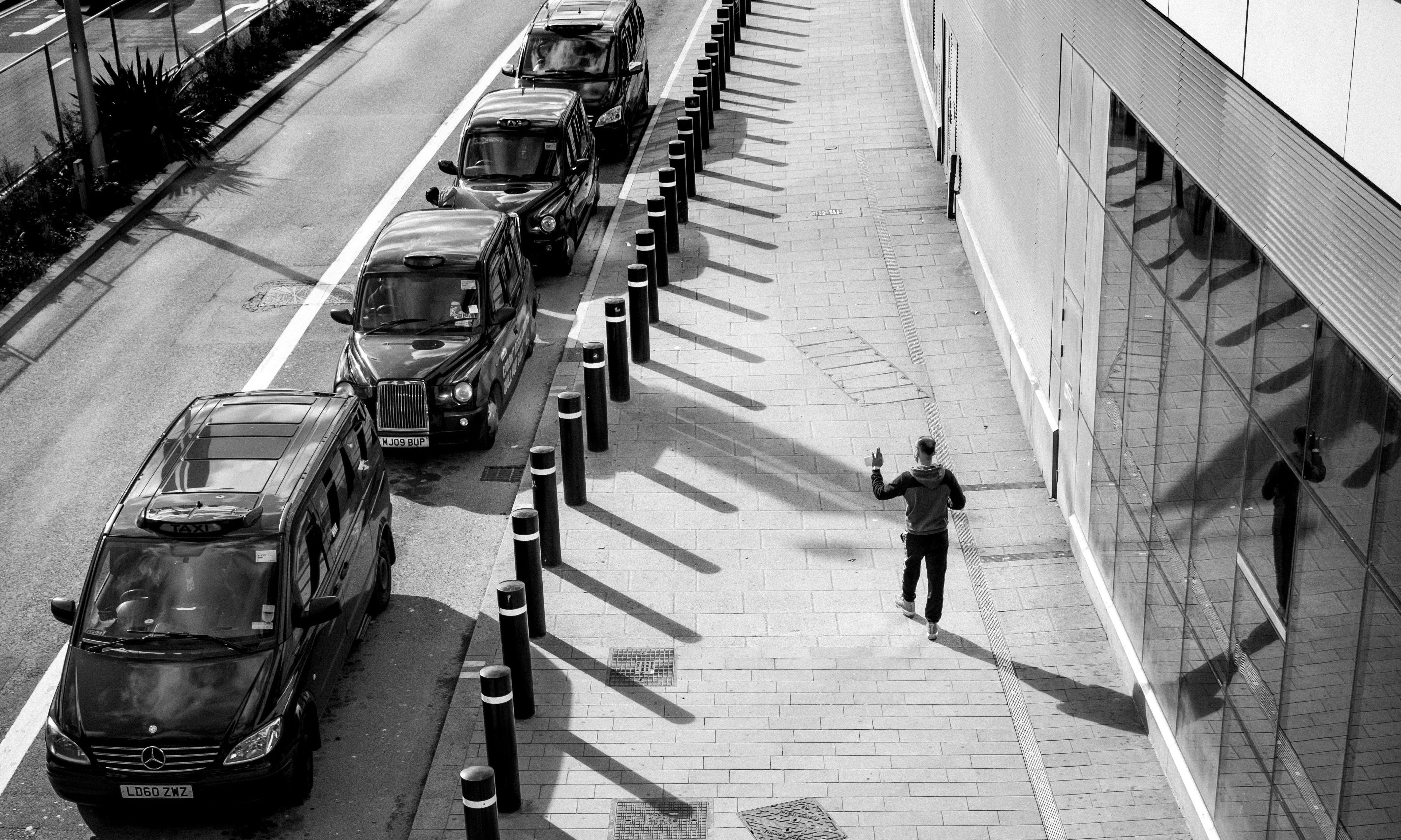
Today, the installation of heavy physical barriers—ranging from concrete bollards and steel-reinforced planters to retractable hydraulic posts—has become a ubiquitous feature of the contemporary cityscape. While these security measures inherently place physical constraints on public spaces, interrupting the natural flow of pedestrian movement and occasionally creating accessibility hurdles, they are increasingly defended as an unavoidable operational necessity.
Security experts, urban planners, and municipal authorities agree on a singular, sober reality: these barriers are crucial to protecting everyday citizens from the threat of weaponized vehicles. Yet, this protective mandate sparks intense debate. How can cities deploy life-saving infrastructure without turning vibrant urban centers into militarized zones? This investigation explores the delicate equilibrium between preserving open, welcoming public realms and engineering resilient defenses against modern threats.
Detailed Chronology: The Evolution of Urban Vehicle Mitigation
The integration of hostile vehicle mitigation (HVM) into municipal infrastructure did not happen overnight. It represents a steady, reactive evolution driven by shifting global security paradigms and tragic turning points in urban history.
The Pre-2000s: Targeted Fortification
Historically, heavy vehicle barriers were largely restricted to high-profile federal buildings, military installations, and foreign embassies. Following incidents like the 1995 Oklahoma City bombing, the federal government—led by agencies such as the General Services Administration (GSA)—established stringent standoff distances and perimeter hardening guidelines. During this era, bollards and heavy masonry walls were strictly seen as tools of institutional defense rather than components of everyday street design. Ordinary downtown shopping districts and public parks remained wide open, characterized by standard curbs and low-profile street furniture.
The 2010s: The Rise of the Asymmetric Threat
As global counter-terrorism efforts successfully disrupted complex, synchronized plots involving explosives, extremist groups and lone-wolf actors shifted toward simpler, low-tech methodologies. The weaponization of standard commercial vehicles—trucks and cars driven into crowded pedestrian zones—emerged as a devastatingly effective tactic.

The turning points arrived in rapid succession:
- Nice, France (July 2016): A 19-ton cargo truck was deliberately driven into crowds celebrating Bastille Day along the Promenade des Anglais, killing 86 people and injuring hundreds.
- Berlin, Germany (December 2016): A hijacked truck plowed through a Christmas market outside the Kaiser Wilhelm Memorial Church, resulting in 13 deaths.
- New York City, USA (October 2017): A terrorist drove a rented pickup truck down a crowded bike path along the Hudson River Park in lower Manhattan, killing eight people.
These atrocities shattered the illusion that open public spaces in Western democracies were immune to vehicular assault. Municipalities worldwide scrambled to react, frequently deploying hastily procured concrete Jersey barriers around popular plazas, tourist attractions, and holiday markets.
The 2020s to Present: Mainstreaming Infrastructure and Design Integration
By the mid-2020s, temporary or ad-hoc security measures—often criticized for looking unsightly and industrial—began giving way to permanent, integrated design solutions. City departments of transportation started working hand-in-hand with security consultants and landscape architects.
Rather than viewing safety and urban design as opposing forces, modern planners began treating hostile vehicle mitigation as a foundational layer of complete streets design. Contemporary projects now routinely incorporate security bollards disguised as artistic public art, reinforced stone seating benches, tiered landscape planters engineered to stop heavy loads, and integrated water features that double as vehicular dead-stops.
Supporting Context & Metrics: The Cost of Openness vs. Safety
To understand the necessity of these installations, one must examine the metrics surrounding vehicle-ramming attacks and their impact on urban spatial dynamics.
The Threat Landscape
According to international security databases, vehicle-ramming attacks are characterized by several distinct factors that make them uniquely difficult to police:
- Low Barrier to Entry: Unlike firearms or explosives, commercial vehicles are easily rented, stolen, or purchased. They require no specialized technical training to operate as a lethal weapon.
- Unpredictable Vectors: Pedestrian zones, sidewalk cafes, and public squares are, by design, areas of high foot traffic with minimal physical separation from vehicular roadways.
- High Casualty Potential: Dense gatherings offer a target-rich environment, allowing perpetrators to inflict mass casualties within seconds before law enforcement can intervene.
Spatial and Accessibility Impacts
Conversely, the implementation of heavy physical barriers introduces significant challenges for urban mobility and public space quality:

- Pedestrian Flow Restriction: Poorly placed bollards can create bottlenecks, complicating movement for large crowds during major events or peak commuting hours.
- Accessibility Barriers: For individuals with mobility disabilities—including wheelchair users, people with visual impairments using white canes, and parents pushing strollers—cluttered streetscapes filled with uncoordinated barriers can violate the Americans with Disabilities Act (ADA) principles of clear paths of travel.
- Aesthetic Degradation: Industrial-grade concrete blocks or rusted steel posts can transform a welcoming civic plaza into an intimidating, fortress-like environment, running counter to the goals of placemaking.
Official Statements and Expert Perspectives
The discourse surrounding public space security features a diverse array of voices from urban planning, municipal administration, and law enforcement.
Urban Design and Placemaking Advocates frequently caution against over-fortification. Many argue that succumbing to perpetual fear undermines the core purpose of public spaces. As urban planning organizations often emphasize in public forums:
"The primary victory of terrorism is when it forces a society to fundamentally alter its open, democratic way of life. When we turn our city centers into armed compounds, we allow fear to dictate our design principles."
However, Municipal Engineers and Emergency Management Officials counter that ignoring the physical reality of the threat is irresponsible. City planners tasked with public safety point out that modern engineering allows for dual-purpose infrastructure. Modern security bollards and reinforced street furniture can provide absolute protection against a high-speed, multi-ton truck while maintaining pedestrian permeability and aesthetic harmony.
Law Enforcement and Counter-Terrorism Specialists underscore that streetscapes must adapt to contemporary risks. In testimonies before municipal boards considering downtown pedestrianization projects, security experts routinely stress:
"A vibrant public space is worthless if it is not a safe public space. Hostile vehicle mitigation is no longer an optional overlay; it must be considered foundational engineering, just like seismic retrofitting in earthquake zones."
Future Outlook: The Next Generation of Urban Defense
As cities look toward the horizon of urban design, the strategy for protecting public spaces is evolving beyond static concrete blocks and steel posts. The future of hostile vehicle mitigation lies in smart, adaptive, and invisible engineering.

Smart and Retractable Systems
One of the most promising technological advancements is the integration of automated, smart hydraulic bollards linked to emergency response networks and automated license plate readers (ALPRs). These systems remain flush with the pavement, allowing normal delivery vehicles, emergency responders, and maintenance trucks to access pedestrian zones during designated hours. In the event of a security breach, or during high-threat alert levels, these barriers can be elevated automatically or remotely.
Bio-Shields and Landscape Engineering
Landscape architecture is also stepping up to the challenge. Engineers are developing sophisticated soil-and-stone matrices that allow heavy trees and deep-root botanical installations to act as natural kinetic energy absorbers. These "bio-shields" provide the structural mass required to halt a heavy vehicle while drastically improving urban canopy coverage, reducing the urban heat island effect, and enhancing the aesthetic quality of public squares.
Comprehensive Street Re-engineering
Ultimately, the most effective long-term defense against vehicular attacks is the fundamental reduction of car dependency in dense urban centers. By completely pedestrianizing core commercial districts, lowering speed limits through traffic-calming street geometries, and replacing traditional asphalt roadways with raised, pedestrian-priority surfaces, cities naturally eliminate the kinetic energy required for a vehicle-ramming attack to succeed.
Until that vision of car-free urbanity is fully realized across American cities, physical barriers will remain a necessary reality. They stand as a visible compromise—an acknowledgement of ongoing risks, paired with a commitment to ensuring that public spaces remain places where communities can safely gather, walk, and thrive.