









Executive Overview
Nestled precisely within the first concentric ring of suburbs just five miles west of downtown Minneapolis, St. Louis Park, Minnesota, occupies a rare geographic and cultural sweet spot. It is a municipality that successfully bridges the gap between high-octane metropolitan energy and tranquil, small-town pacing.
While travelers frequently flock to Minneapolis for its celebrated chain of lakes, renowned theater district, and culinary prominence, a growing demographic of visitors and residents is discovering that St. Louis Park functions as the ultimate Minnesota basecamp.
Boasting a population that has swelled past 50,000 residents across diverse social, religious, and ethnic backgrounds, the city is far more than a mere bedroom community. It is a vibrant, self-sustaining micro-city characterized by walkable residential neighborhoods, cutting-edge public art installations, a thriving culinary landscape that mirrors global epicurean hubs, and an extensive green infrastructure comprising over 50 public parks.
Furthermore, St. Louis Park holds a unique place in American cultural and industrial history. It serves as the birthplace of the iconic Nordic Ware bundt cake pan—a staple in kitchens worldwide—and the formative stomping ground for legendary cinematic auteurs Joel and Ethan Coen.
Whether integrated into a broader Twin Cities itinerary or utilized as the primary anchor for a Midwestern getaway, St. Louis Park offers a sophisticated blend of accessible nature, dynamic retail destinations, and a progressive community ethos that sets a benchmark for modern suburban development.
Detailed Chronology: From Lumber Outpost to Modern Metropolitan Enclave
To understand the dynamic socio-economic fabric of modern St. Louis Park, one must examine the chronological evolution of the land it occupies.
The Early Settlement and Agricultural Roots
Long before it was charted as a bustling suburb, the area now known as St. Louis Park was marshland and dense timber acreage inhabited by indigenous Dakota peoples. In the mid-19th century, European-American settlers arrived, drawn by the rich soil and proximity to the burgeoning logging hubs along the Mississippi River. Initially functioning as a quiet agricultural village populated by just a few dozen families, the settlement was officially incorporated as the Village of St. Louis Park in 1886. The moniker derived from the Minneapolis and St. Louis Railway, which laid tracks through the area, signaling the dawn of its industrial potential.
Industrial Expansion and the Railway Era
The late 19th and early 20th centuries marked a period of rapid industrialization. Visionary developers envisioned St. Louis Park as an industrial satellite to Minneapolis. Heavy manufacturing plants, agricultural processing facilities, and rail yards quickly sprouted along the transportation corridors. This economic shift transformed the agrarian outpost into a blue-collar manufacturing hub. Families flocked to the area for stable employment, laying the foundation for the tight-knit, community-centric neighborhoods that still define the older sections of the city today.
Post-War Suburban Boom and Demographic Shifts
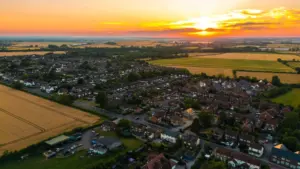
Following the conclusion of World War II, St. Louis Park experienced an unprecedented population explosion. Fueled by the G.I. Bill and the American dream of homeownership, developers rapidly converted former farmland into post-war ramblers and split-level housing developments.
In 1954, the community officially transitioned from a village to a city. During this era of explosive growth, St. Louis Park also emerged as a cultural melting pot, notably welcoming a thriving Jewish community that significantly shaped the town’s religious, commercial, and social institutions.
The Modern Urban-Suburban Metamorphosis
Entering the 21st century, St. Louis Park underwent its most radical reinvention. As heavy industry gradually gave way to service economies and high-tech enterprises, city planners focused on sustainable, transit-oriented development.
The creation of mixed-use oases like The Shops at West End redefined the commercial landscape. Today, St. Louis Park stands as a masterclass in modern municipal planning—a densely populated, highly walkable, and culturally diverse urban suburb that honors its historical roots while aggressively pioneering the future of Midwestern living.
Supporting Context & Metrics: Commerce, Culture, and Geography
To fully grasp the economic and lifestyle value proposition of St. Louis Park, one must analyze the quantitative and qualitative metrics that define its infrastructure, retail market, and geographic positioning.
Geographic and Demographic Metrics
- Proximity to Core: Situated exactly 5 miles west of downtown Minneapolis, providing a commute time of under 15 minutes by car and seamless connectivity via regional transit lines.
- Population Density: Home to over 50,000 residents within a compact geographic footprint of roughly 10.8 square miles.
- Green Space Allocation: Over 50 distinct public parks encompassing more than 10% of the city’s total geographic area, ensuring that residents are never more than a few blocks away from a natural retreat.
Retail Innovation and Local Commerce
While St. Louis Park is positioned less than 20 minutes from Bloomington’s colossal Mall of America—the nation’s largest retail and entertainment destination—the city maintains a fiercely independent and robust local commercial identity.
- Sota Clothing: Headquartered in the southern sector of St. Louis Park, this enterprise evolved from a university graphic design project into a cultural touchstone. Sota Clothing specializes in premium, Minnesota-inspired apparel, coffee mugs, and lifestyle accessories that resonate deeply with local pride.
- Retro Wanderlust: Located just minutes away from Sota Clothing, this boutique curates a funky, small-town antique shop experience. It draws collectors and interior designers alike with its rotating inventory of one-of-a-kind mid-century chairs, unique lighting fixtures, and vintage brass artifacts.
- The Shops at West End: Serving as the premier open-air lifestyle center in the region, this multi-use destination houses 39 distinct businesses. It seamlessly integrates retail shopping, wellness salons, a state-of-the-art movie theater, and high-end dining options into a unified pedestrian-friendly hub.
The Epicurean Landscape
The rich demographic tapestry of St. Louis Park directly influences its vibrant culinary scene, offering an array of dining experiences that rival those found in major metropolitan centers.
- The Hope Breakfast Bar: A staple within The Shops at West End, this establishment redefines morning dining by serving elevated brunch classics, creative sweet baked goods, and comfort food favorites. Its family-friendly initiatives, such as complimentary children’s meals with every adult entrée on Tuesdays, have made it a community cornerstone.
- The Yard House: Nationally recognized for its immense draft beer selection and high-rating status across digital mapping platforms and travel indices, this sports-centric eatery offers everything from artisanal sliders to gourmet pizzas in a high-energy atmosphere.
- Ariana Kabob & Gyro Bistro: Reflecting the city’s diverse international palate, this Mediterranean gem boasts a stellar 4.7/5 rating across more than 1,500 verified reviews. Specializing in authentic shawarma, customizable grain bowls, and perfectly spiced wraps, it exemplifies the high culinary standards found throughout the municipality.
Official Statements and Civic Vision
Municipal leaders and urban planners have long championed St. Louis Park as a model for forward-thinking suburban development. In recent strategic planning addresses, city officials emphasized the deliberate balance between urban densification and environmental preservation.
"St. Louis Park is proof that a community does not have to choose between economic vitality and ecological stewardship," stated municipal planning representatives in a recent urban development briefing. "By prioritizing transit-oriented corridors, expanding our non-motorized trail networks, and fiercely protecting our green spaces—such as the Westwood Hills Nature Center—we are engineering a municipality that meets the needs of modern families while safeguarding the natural environment for generations to come."
Furthermore, local economic development boards emphasize the city’s commitment to supporting independent businesses alongside regional commercial anchors.
"Our retail and dining strategies are rooted in authenticity," notes the St. Louis Park Commerce Authority. "Whether it is a startup apparel brand that grew out of a college dorm or an authentic international bistro serving recipes passed down through generations, St. Louis Park provides the economic infrastructure and community support necessary for independent visionaries to thrive."
Future Outlook: Sustainability, Transit, and Growth
As the Minneapolis-St. Paul metropolitan area continues to expand, St. Louis Park is strategically positioning itself at the forefront of sustainable urban planning and regional connectivity.
The Transit Revolution
The imminent expansion of the region’s light rail infrastructure—specifically the Metro Green Line Extension—will drastically alter transit dynamics in St. Louis Park. Featuring multiple stations within city limits, the light rail will offer residents and visitors direct, carbon-neutral transit to downtown Minneapolis, the University of Minnesota, and downtown St. Paul. This multi-modal transit strategy is projected to reduce vehicular congestion, decrease carbon emissions, and catalyze high-density, pedestrian-friendly residential developments around station hubs.
Expanding Non-Motorized Trails
Building upon its reputation as a cycling-friendly enclave adjacent to America’s most bikeable big city, St. Louis Park is continuing to invest heavily in its active transportation networks. Projects connecting the Cedar Lake Regional Trail and the North Cedar Lake Regional Trail to broader metro-wide systems are continually being optimized. These initiatives ensure that commuters and recreational cyclists can navigate the entire Twin Cities metropolitan area entirely via protected, paved greenways and converted rail-trails.
Environmental Conservation and Urban Canopy Management
With climate resilience becoming an urgent priority for modern municipalities, St. Louis Park has committed aggressive capital to its urban forestry and wetland preservation initiatives. The ongoing stewardship of the 160-acre Westwood Hills Nature Center serves as a template for urban conservation. Future city planning mandates include expanding native pollinator habitats, upgrading stormwater management systems through green infrastructure, and increasing the overall urban tree canopy to combat the urban heat island effect.
In summation, St. Louis Park has transcended its origins as a modest railway settlement and industrial satellite. Today, it stands as a fully realized urban-suburban sanctuary—a place where the tranquility of marshland boardwalks and deep forest trails exists mere minutes away from world-class dining, cutting-edge retail, and the unbridled cultural energy of the Twin Cities.