







Executive Overview
In a decisive strategic maneuver aimed at bolstering its international trade footprint, the Montreal Port Authority (MPA) has officially appointed veteran maritime and logistics executive Prakash R. Tulsiani as its Senior Commercial Advisor and official representative in India. Operating directly from the subcontinent, Tulsiani will spearhead the port’s efforts to cultivate high-value business opportunities, deepen ties with key shipping and logistics stakeholders, and elevate the Port of Montreal’s brand visibility among Indian importers, exporters, and maritime partners.
This appointment marks a critical milestone in the port’s broader diversification strategy. As global supply chains face ongoing volatility, the MPA is proactively working to reinforce its international trade corridors. By establishing a permanent, on-the-ground presence in one of the world’s most dynamic and fastest-growing economies, the port aims to bridge the gap between South Asian markets and North American supply chains. The move is designed to streamline operations for international shipping lines, freight forwarders, and cargo owners, while concurrently unlocking seamless global market access for Canadian and Quebec-based enterprises.
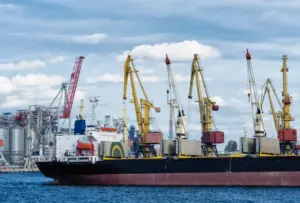
India is far from a nascent market for Montreal; rather, it is an established and increasingly vital trading partner. Bilateral trade volumes have demonstrated robust resilience, characterized by a diverse exchange of commodities. Key imports flowing from India into Montreal’s terminals include essential food products, specialized ceramics, and advanced plastics. Conversely, exports originating from Canadian shores and moving eastward through the St. Lawrence Seaway heavily feature critical forest products and high-grade metals.
Tulsiani steps into this pivotal role backed by an illustrious career spanning more than 45 years. His extensive professional background includes senior leadership mandates with multinational corporations and agile emerging companies alike, featuring a notable 16-year tenure deeply embedded within the dynamic economies of Southeast Asia. His multidisciplinary expertise encompasses maritime transport, complex logistics, port and airport infrastructure development, and deep operational insight into Asian markets and global supply chains.
With this strategic deployment, Tulsiani joins an elite, globally distributed network of commercial representatives and advisors maintained by the Montreal Port Authority across Europe, the United States, and Asia. This expanded international apparatus is purpose-built to foster closer collaboration with global industry stakeholders, uncover untapped commercial avenues, and drive the sustainable diversification of trade flowing through the Port of Montreal.
Detailed Chronology: The Strategic Path to India
To fully understand the weight of Prakash R. Tulsiani’s appointment, it is necessary to examine the chronological progression of the Montreal Port Authority’s international expansion and its deliberate pivot toward South Asian markets. For decades, the Port of Montreal’s primary international corridors heavily leaned toward transatlantic trade with Europe and the United States, reflecting historical economic ties. However, the shifting paradigms of global commerce over the past two decades necessitated a systemic re-evaluation of this geographic concentration.
Phase 1: Recognizing the Shift (Early 2010s – 2018)
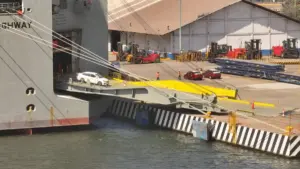
As India’s economic liberalization matured and its manufacturing sector gained unprecedented global momentum, Canadian trade policymakers and port executives recognized the untapped potential of the Indo-Pacific region. Early trade missions between Canada and India laid the groundwork for enhanced bilateral agreements. During this period, containerized cargo moving between Indian ports (such as Nhava Sheva and Mundra) and Eastern Canada began to experience steady, incremental growth. The Port of Montreal’s executive leadership identified that capturing a larger share of this traffic required more than passive reception; it demanded active engagement at the source.
Phase 2: Building the Framework (2019 – 2022)
The MPA began systematically evaluating its global representative network. Recognizing that European and American desks were operating at high capacity, port strategists turned their attention to institutionalizing representation in high-growth corridors. While global supply chain disruptions during the COVID-19 pandemic temporarily strained maritime networks, they also underscored the critical need for supply chain diversification. Importers and exporters heavily penalized by single-source bottlenecks began actively seeking alternative routings, positioning the St. Lawrence gateway as an efficient, resilient alternative to congested West Coast or U.S. East Coast ports.
Phase 3: The Search for Leadership (2023 – Early 2024)
Recognizing that success in the Indian market requires deep cultural fluency, decades of maritime institutional knowledge, and established local networks, the MPA initiated an exhaustive search for a seasoned commercial advisor. The criteria were stringent: the candidate needed a profound understanding of both Asian port operations and North American logistics requirements, coupled with a track record of executive leadership in multinational environments.
Phase 4: The Appointment of Prakash R. Tulsiani (Present)
Culminating these strategic preparations, the MPA formally announced the appointment of Prakash R. Tulsiani as its Senior Commercial Advisor in India. Stationed strategically within the subcontinent, Tulsiani immediately assumes the mantle of building bridgeheads between Indian commercial entities and the North American hinterland. This appointment coincides with a broader leadership evolution within the MPA—including recent high-level executive appointments—signaling a unified, forward-looking vision for the port’s administrative and commercial future.
Supporting Context & Metrics: The Indo-Montreal Trade Corridor
To evaluate the true economic significance of Tulsiani’s appointment, one must analyze the hard data and underlying trade dynamics that define the India-Montreal trade corridor.
Bilateral Trade Composition
The trade relationship between India and the Port of Montreal is characterized by a complementary exchange of industrial, agricultural, and consumer goods.
- Imports from India: The North American market has an insatiable appetite for high-quality, cost-competitive manufactured and agricultural goods from South Asia. Key commodity streams arriving at the Port of Montreal include:
- Food Products: Spices, specialized agricultural commodities, and processed foods catering to Canada’s diverse demographic and culinary sectors.
- Ceramics & Building Materials: High-grade tiles and architectural ceramics utilized heavily by Canada’s booming construction and real estate sectors.
- Plastics & Polymers: Industrial-grade plastics and finished polymer goods feeding various North American manufacturing supply chains.
- Exports to India: Canada’s vast natural resource wealth forms the backbone of eastward-bound cargo volumes from Montreal:
- Forest Products: Lumber, pulp, and paper products essential for infrastructure development and packaging industries in developing economies.
- Metals & Minerals: Raw and semi-processed metals that supply India’s voracious industrial manufacturing and engineering sectors.
Logistical Advantages of the St. Lawrence Gateway
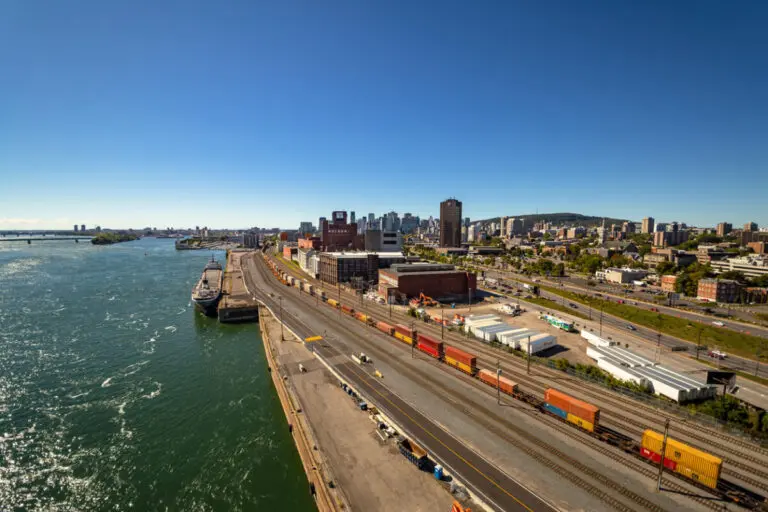
The Port of Montreal offers a distinct geographic and operational advantage for trade moving between South Asia and the heartland of North America. Located directly on the St. Lawrence River, Montreal serves as the closest container port from Europe and a remarkably efficient conduit for cargo destined for Central Canada and the U.S. Midwest.
By bypassing congested southern U.S. ports and utilizing integrated rail connections (via Canadian National and Canadian Pacific Kansas City railways), shippers moving goods from India can achieve superior transit times and reduced inland carbon footprints. Tulsiani’s mandate will heavily focus on communicating these logistical efficiencies directly to Indian freight forwarders and cargo owners who may historically have defaulted to traditional West Coast routing options.
The Global Representative Network
Tulsiani’s integration into the MPA’s commercial ecosystem represents the latest enhancement to a carefully engineered global network. The Port of Montreal maintains a targeted presence across key economic zones in Europe, the United States, and Asia. This decentralized advisory model allows the port to maintain real-time intelligence on regional trade policy shifts, tariff adjustments, and emerging logistics trends. In an era where geopolitical shifts and protectionist trade policies can instantly disrupt traditional shipping lanes, having trusted commercial advisors on the ground in critical nodes like India provides the MPA with an invaluable strategic edge.
Official Statements & Industry Perspectives
The announcement of Prakash R. Tulsiani’s appointment has drawn widespread praise from maritime executives, logistics associations, and trade officials, who view the move as a timely and necessary evolution in port governance.
In official communications released by the Montreal Port Authority, executive leadership emphasized that the expansion of their international representative network is fundamentally about partnership and resilience. While specific executive remarks underscore the port’s ongoing commitment to diversification, the overarching sentiment within the maritime community is clear: ports can no longer afford to sit back and wait for cargo to arrive. They must actively market their capabilities and forge direct relationships with the producers and consumers driving global trade.
Industry analysts have been quick to weigh in on the appointment. Speaking on condition of anonymity due to ongoing corporate advisory roles, a leading supply chain strategist based in Singapore noted:
"Appointing someone of Prakash Tulsiani’s caliber is a coup for the Port of Montreal. India is not a monolithic market; it requires deep regional relationships, an understanding of complex regulatory frameworks, and immense patience. Tulsiani’s 45-year career—particularly his extensive footprint in Asian markets—means he doesn’t just understand shipping; he understands how trade deals are structured and executed in the region. This gives Montreal an outsized competitive advantage over rival North American ports that rely solely on third-party agencies."
Furthermore, shipping associations representing freight forwarders and customs brokers in both Canada and India have welcomed the appointment, noting that having a dedicated, highly accessible liaison will drastically reduce friction for businesses attempting to navigate bi-national customs procedures, intermodal connections, and port congestion issues.
Future Outlook: Navigating the Next Decade of Transoceanic Trade
As we look toward the horizon of global maritime logistics, the appointment of Prakash R. Tulsiani as the MPA’s representative in India serves as a bellwether for how forward-thinking ports must adapt to a multipolar world. The next ten years will undoubtedly be shaped by several defining trends: supply chain near-shoring and friend-shoring, increasing automation, stringent decarbonization mandates, and the relentless rise of Asian economic powerhouses.
1. Deepening Integration with South Asian Manufacturing
With India aggressively positioning itself as a global manufacturing alternative through initiatives like "Make in India," its output of automobiles, electronics, pharmaceuticals, and heavy machinery is projected to skyrocket. Tulsiani’s presence will position the Port of Montreal at the ground floor of this industrial transformation. By directly engaging with emerging manufacturing hubs across the subcontinent, the MPA can secure long-term service contracts with major industrial conglomerates seeking reliable, direct access to the North American interior.
2. Championing Green Corridors and Sustainable Shipping
Environmental sustainability is no longer an ancillary concern; it is central to maritime strategy. The International Maritime Organization (IMO) and national governments are imposing aggressive carbon-reduction targets on shipping lines and port authorities. The Port of Montreal has made significant strides in shore power, vessel electrification, and energy-efficient terminal operations. Part of Tulsiani’s long-term advisory scope will likely involve promoting these green credentials to environmentally conscious Indian exporters who are under mounting pressure from Western buyers to verify the carbon footprint of their entire supply chains.
3. Mitigating Supply Chain Vulnerabilities
The structural shocks of recent years—ranging from geopolitical conflicts and labor disputes to extreme weather events impacting critical waterways like the Panama Canal—have exposed the fragility of global trade routes. Diversifying international trade links through dedicated regional advisors ensures that the Port of Montreal remains insulated from localized disruptions. By opening robust, direct communication channels between Indian supply chain managers and Canadian logistics providers, Tulsiani will help build a more resilient, multi-directional trade corridor capable of withstanding future systemic shocks.
Conclusion
The Montreal Port Authority’s decision to station Prakash R. Tulsiani in India is far more than a routine administrative expansion; it is a calculated, aggressive investment in the future of international trade. By combining Tulsiani’s four and a half decades of deep maritime and operational expertise with the strategic logistical advantages of the St. Lawrence gateway, the MPA has positioned itself to capture a significant share of the burgeoning Indo-North American trade volume. As global commerce enters an era defined by agility, sustainability, and diversification, Montreal’s proactive outreach ensures that it remains an indispensable, forward-looking hub on the world stage.