








Executive Overview
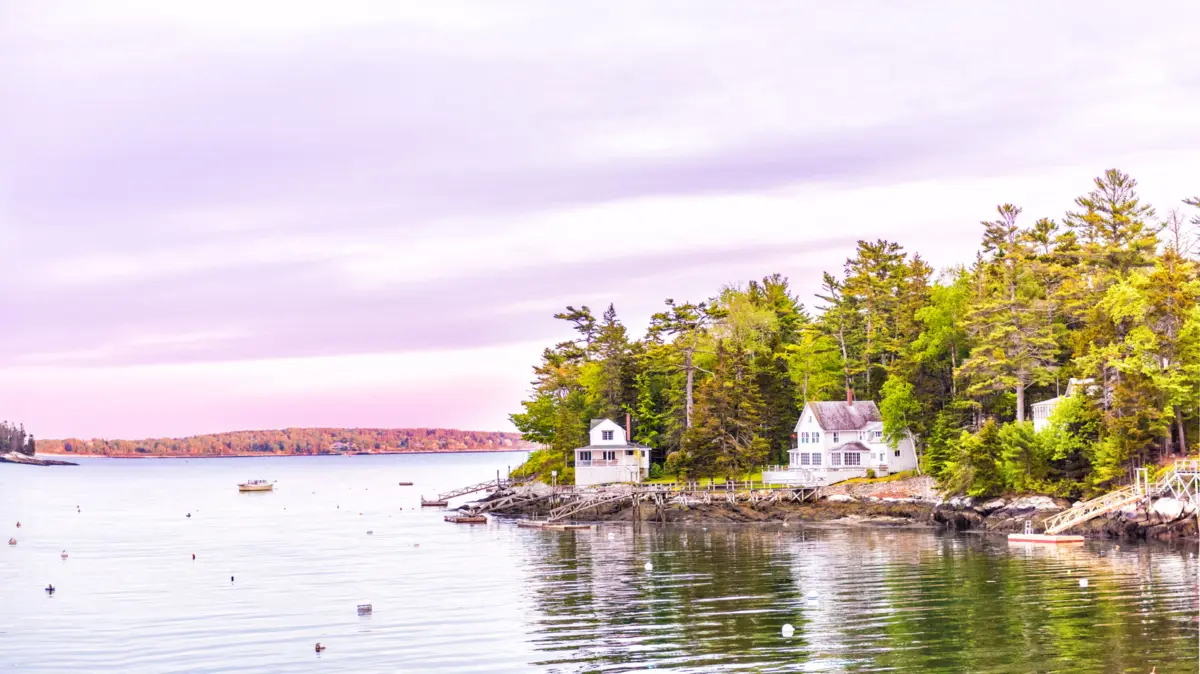
For decades, the standard retirement trajectory for urban professionals in the Northeastern United States has pointed toward major metropolitan hubs like Boston, or sprawling suburban developments in warmer southern climes. However, a profound demographic shift is quietly underway. Disenchanted with the relentless pace, congestion, and escalating cost of living in primary cities, a growing cohort of retirees is setting its sights northward. They are seeking out a specific stretch of the Atlantic seaboard defined by rocky promontories, historic maritime communities, and an outdoor-centric culture: Mid-Coast Maine.
Spanning the ocean-facing expanse roughly from Brunswick in the south to Belfast in the north, Mid-Coast Maine presents an appealing alternative to metropolitan retirement. This region delivers the quintessential New England aesthetic—complete with working lighthouses, fog-shrouded islands, and pristine harbors—while offering a surprisingly robust infrastructure for active, engaged older adults. Far from a sleepy backwater, the Mid-Coast boasts vibrant arts scenes, nationally recognized healthcare access, and an abundance of recreational pursuits that encourage longevity and wellness.
Financial analysts, relocation experts, and demographic data all point to this region as a rising star for retirees. By examining the geographic layout, cultural assets, recreational landscape, and practical logistics of the Mid-Coast, this report explores why more Americans are bypassing Boston and embracing the rugged, rewarding lifestyle of Maine’s central shoreline.

Detailed Chronology and Regional Evolution
The unique character of Mid-Coast Maine did not emerge overnight; it is the product of centuries of maritime heritage, economic transformation, and intentional preservation. Understanding the region requires tracing its evolution from an industrial hub of the 18th century to a modern sanctuary for wellness and retirement.
The Maritime and Industrial Roots (Late 18th to 19th Century)
Long before it was viewed as a haven for retirees, the Mid-Coast was a bustling engine of American commerce. Following European settlement in the late 1700s, towns like Camden, Bath, and Brunswick quickly capitalized on their strategic geography.
- The Age of Sail: Camden evolved into a premier shipbuilding and fishing center, churning out schooners that navigated the treacherous North Atlantic. Its historic harbor was a vital node in coastal trade.
- The City of Ships: Further south, Bath earned the moniker "City of Ships," establishing a shipbuilding tradition that continues to this day at Bath Iron Works.
- Intellectual and Industrial Crosscurrents: Brunswick, anchored by the founding of Bowdoin College in 1794, developed as an intellectual and manufacturing hub where the timber industry met classical academia.
The 20th-Century Shift Toward Tourism and Culture
As heavy industry consolidated elsewhere in the United States during the mid-20th century, the Mid-Coast underwent a vital economic metamorphosis. Rather than fading into obscurity, the region leveraged its stunning natural assets and historic architecture to attract artists, writers, and summer vacationers.
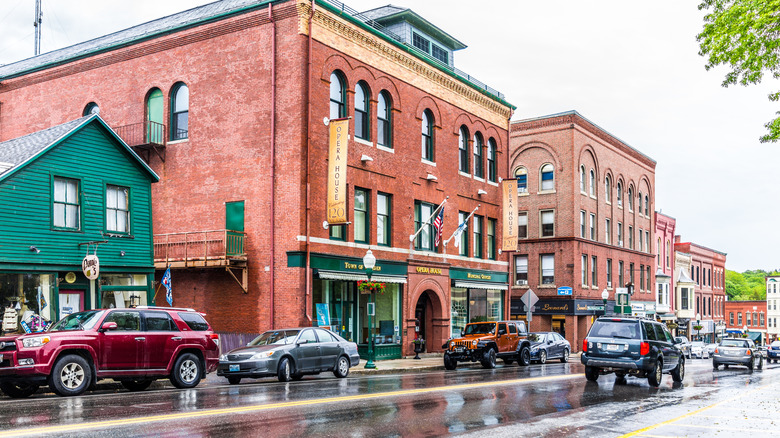
- The Artisanal Renaissance: Historic downtowns like Camden and Belfast transformed from industrial ports into vibrant communities filled with independent art galleries, artisanal bakeries, and boutique lodging.
- Preserving the Past: Local preservation societies fought to protect 18th- and 19th-century commercial blocks and residential districts, ensuring that the architectural integrity of the region remained intact. The establishment of institutions like the Camden Opera House (1894) cemented the area’s cultural credentials well before the modern tourism boom.
The Modern Retirement Migration (2010s to Present)
Over the past decade, demographic trends have accelerated the influx of retirees into the Mid-Coast corridor. According to U.S. Census data and financial analyses by firms like SmartAsset, towns within this region consistently outrank state and national averages for senior populations.

Today, communities such as Brunswick boast populations where nearly 23% of residents are aged 65 or older. This demographic shift has prompted local governments and healthcare networks to adapt, expanding specialized senior services, wellness facilities, and accessible housing while maintaining the small-town charm that draws newcomers in the first place.
Supporting Context and Metrics: Why the Mid-Coast Appeals to Retirees
When evaluating the viability of a region for post-work living, financial security, healthcare accessibility, and community integration are paramount. Mid-Coast Maine scores remarkably well across these key metrics, challenging the assumption that retirement must take place in major metropolitan areas or traditional Sun Belt retirement communities.
1. Accolades and Rankings
Financial technology and demographic research firms have increasingly turned their attention to Maine’s central coast.
- SmartAsset Rankings: In comprehensive studies evaluating tax friendliness, recreational opportunities, and medical care access, multiple Mid-Coast towns—including Topsham, Camden, and West Bath—consistently secure top placements among the best places to retire in Maine.
- Niche Communities Data: Niche’s annual evaluations of retirement livability frequently highlight the Mid-Coast corridor for its safety, walkability, and strong sense of community.
2. Demographic Vitality and Cultural Infrastructure
Unlike purely seasonal resort towns that empty out during the winter months, Mid-Coast towns maintain year-round populations anchored by active, educated citizens.
- The College Town Advantage: Brunswick’s identity as the home of Bowdoin College infuses the southern gateway of the region with intellectual vitality. Residents enjoy open access to collegiate lectures, athletic events, and world-class cultural institutions like the Bowdoin College Museum of Art.
- The Performing Arts Scene: From the historic Camden Opera House to the renowned Maine State Music Theater in Brunswick, the region punches well above its weight class in offering high-caliber theatrical, musical, and artistic programming.
3. Geographic Accessibility
A common hesitation regarding rural or coastal enclaves is isolation. However, the Mid-Coast strikes an ideal balance between seclusion and connectivity.
- Proximity to Transit Hubs: The southern end of the region in Brunswick is a mere 35-minute drive from Portland International Jetport (PWM), offering extensive domestic flight options.
- The Boston Link: For those needing the resources of a major metropolis, Boston Logan International Airport (BOS) is approximately a two-hour drive south via Interstate 95, making visits to family or specialized medical appointments entirely manageable.
Official Statements and Expert Perspectives
Urban planners, real estate analysts, and local historians emphasize that the appeal of Mid-Coast Maine lies in its deliberate resistance to hyper-urbanization.
"The Mid-Coast offers a rare commodity in the 21st century: scale," notes a regional urban planning consultant specializing in New England coastal communities. "You have communities where you can walk to the harbor, know your baker by name, and access pristine wilderness within minutes, yet you are never more than a short drive from major medical networks and international airports. That is a compelling value proposition for retirees who refuse to sacrifice mental stimulation or physical health."
Local economists point out that the influx of retirees has injected vital year-round capital into the local economy, supporting small businesses, healthcare infrastructure, and artisanal trades without overwhelming the delicate coastal ecosystems.
Furthermore, healthcare executives in the region have highlighted ongoing expansions in geriatric care, preventative medicine, and emergency services designed specifically to cater to the aging demographic. Facilities affiliated with regional health networks ensure that residents do not have to compromise on medical safety to enjoy a rural or small-town lifestyle.
Coastal Attractions and Active Living
The defining characteristic of Mid-Coast Maine is its breathtaking, multifaceted geography. For retirees seeking to maintain an active, outdoor-oriented lifestyle, the region functions as a sprawling, natural gymnasium.
Maritime Vistas and Historic Lighthouses
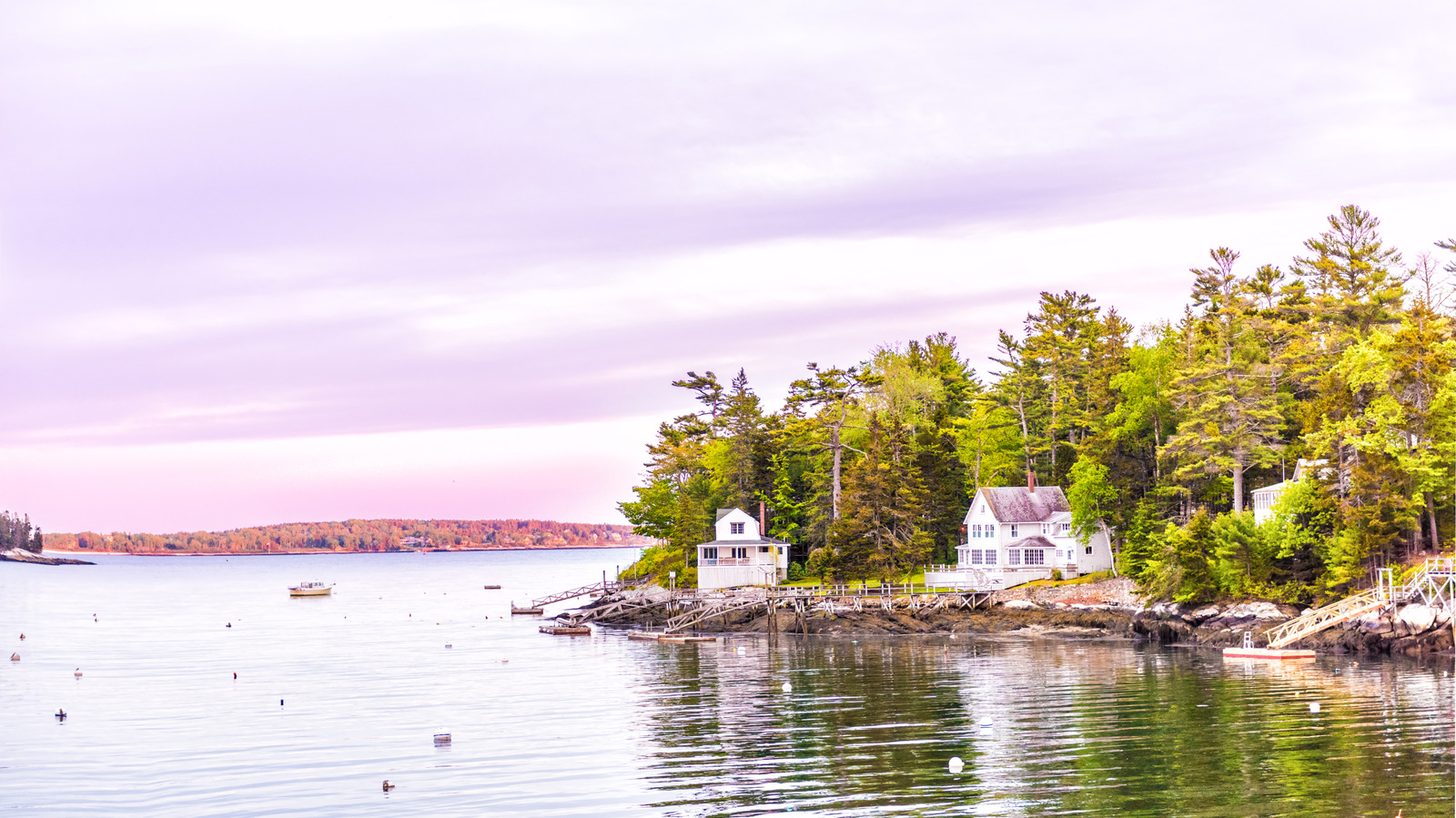
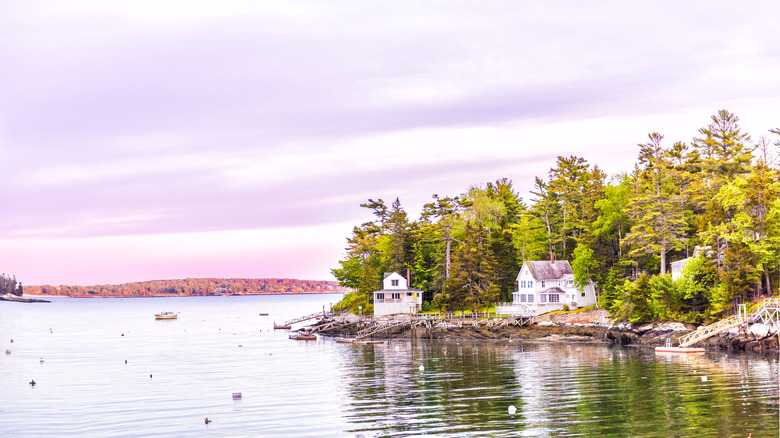
The coastline is an intricate mosaic of hidden inlets, dramatic cliffs, salt marshes, and iconic New England lighthouses. This marine environment invites endless exploration, whether through casual shoreline walks, kayaking in protected bays, or joining local sailing clubs.
Premier State Parks and Recreation
The region is home to some of the finest state parks on the Atlantic seaboard, each offering distinct topographical features:
- Reid State Park: Located roughly 30 minutes south of Bath, this park features two expansive, sandy beaches where visitors can observe surfers tackling ocean swells or hike peaceful coastal trails framed by sea dunes and tidal marshes.
- Popham Beach State Park: Situated a short 30-minute drive from Brunswick, Popham Beach presents a dramatic landscape of sweeping sandbars tucked between tidal islands. During low tide, visitors can walk across exposed sand flats to explore neighboring islands, tidal pools, and historic coastal fortifications.
- Pemaquid Beach: Ideal for calmer recreational days, this northeastern spot offers manicured sands, well-maintained amenities, and picnic areas, making it a favorite for multi-generational family gatherings.
Inland Peaks and Forest Trails
For those whose definition of an active retirement extends beyond the beach, the Mid-Coast seamlessly blends maritime beauty with rugged interior wilderness.
- Camden Hills State Park: Rising immediately north of Camden, this park offers an extensive network of interior hiking trails catering to all fitness levels.
- Mount Battie: A rewarding trek to the summit of Mount Battie rewards hikers with panoramic, postcard-worthy vistas stretching across Penobscot Bay and, on clear days, toward the distant peaks of Acadia National Park.
Future Outlook
As the demographic profile of the United States continues to age, the demand for retirement destinations that prioritize wellness, community connection, and environmental beauty will only intensify. While traditional urban centers like Boston will always retain their corporate and cultural gravity, their appeal as places to unwind after a lifetime of work is facing stiff competition from regions that offer a higher quality of daily life.
Mid-Coast Maine is poised to remain at the forefront of this migration trend. By carefully balancing modern healthcare expansions and infrastructural improvements with strict environmental conservation and historic preservation, the communities between Brunswick and Belfast have created a sustainable model for retirement living. For those willing to trade the urban roar for the rhythmic crash of Atlantic waves, the salt-kissed air, and a vibrant culture of active outdoor living, the Mid-Coast stands out not merely as an alternative to Boston, but as an upgrade to life’s next chapter.