




Executive Overview
In a sweeping overhaul designed to reshape the future of American passenger transit, the Federal Railroad Administration (FRA) has officially announced a massive $5.3 billion funding package directed toward critical rail projects spanning 23 states. Distributed through the National Railroad Partnership Program (NRPP), this capital infusion represents one of the most comprehensive federal commitments to modernizing the nation’s railway network in recent history.
The multi-billion-dollar initiative is strategically divided to tackle two of the most pressing crises facing American rail: chronic infrastructure deficiencies at highway-rail grade crossings and an aging, over-capacity intercity passenger fleet. Notably, approximately $2 billion of this funding package was successfully redirected following the formal cancellation of federal subsidies previously allocated to California’s embattled high-speed rail project.
By prioritizing high-risk intersections and injecting billions of dollars directly into Amtrak’s equipment modernization program, the FRA aims to drastically curtail the hundreds of annual fatalities occurring at grade crossings while simultaneously upgrading the rolling stock that serves millions of travelers across Midwest and Pacific corridors. With state departments of transportation (DOTs) and municipal authorities gearing up for immediate execution, this historic investment signals a definitive shift toward a safer, more efficient, and structurally sound national rail ecosystem.
Detailed Chronology and Resource Allocation
The journey toward this monumental funding announcement unfolded through a rigorous, multi-year evaluation process conducted by federal regulators in close collaboration with Amtrak and state-level transportation agencies.
The Grant Cycle and Competitive Selection
Following an initial funding announcement in September, the FRA opened the application floodgates for the National Railroad Partnership Program. Demand proved unprecedented: the agency received 103 highly competitive, eligible applications from 78 distinct applicants—including state DOTs, regional transit authorities, local municipalities, and federally recognized tribes—collectively seeking an astronomical $11.66 billion in federal backing.
Faced with less than half that amount in available capital, FRA administrators meticulously vetted the proposals. The agency prioritized projects that demonstrated immediate readiness, severe safety vulnerabilities, or critical state-of-good-repair backlogs. Ultimately, the $5.3 billion package was awarded to 41 transformative projects across 23 states, striking a calculated balance between local safety interventions and macro-level fleet upgrades.
Geographic Breakdown of Major State Awards
The distribution of funds reflects targeted regional interventions, with several states securing major grants to overhaul dangerous thoroughfares and expand track capacity:
- Florida: Securing one of the single largest awards in the package, the Florida Department of Transportation was granted $356 million. This capital will fund sweeping modernization efforts across an astounding 910 highway-rail grade crossings statewide, targeting corridors experiencing rapid population growth and heavy freight-passenger conflicts.
- North Carolina: The North Carolina Department of Transportation received $299 million to execute a multi-faceted regional upgrade. The funds will allow the state to eliminate nine hazardous grade crossings, install vital sections of double track to ease bottleneck delays, and implement rigorous trespassing-prevention infrastructure.
- Texas: Texas continues to grapple with intense freight and passenger congestion in its major metropolitan triangles. The Texas Department of Transportation was awarded $189 million to permanently eliminate nine dangerous crossings spread across the booming urban centers of Fort Worth, Dallas, and Terrell. Additionally, Hays County secured $39 million to engineer and construct a modern, grade-separated bridge.
- Ohio: The city of Fairfield was allocated $40 million to permanently close two high-risk grade crossings. The project includes the construction of a brand-new overpass bridge spanning a congested section of CSX’s Cincinnati Terminal Subdivision, vastly improving local traffic flow and railway throughput.
- Nebraska and Louisiana: While smaller in scale, localized grants are slated for immediate impact. The city of Crete, Nebraska, received $1.1 million to perform exhaustive evaluations on eight existing crossings to prepare for future engineering interventions. Meanwhile, the historic New Orleans Union Passenger Terminal secured $2.5 million dedicated entirely to urgent structural repairs for its passenger platforms and overhead canopies.
Supporting Context & Metrics: The Crisis at Grade Crossings
To fully understand the urgency behind the FRA’s financial allocations, one must examine the perilous operational realities of America’s thousands of intersecting roadways and railway tracks.
The Lethal Reality of Intersections
According to comprehensive safety data compiled by the Federal Railroad Administration, highway-rail grade crossings represent the second-leading cause of all rail-related fatalities in the United States. Annually, the nation witnesses upwards of 2,000 devastating incidents at these intersections, resulting in more than 200 preventable deaths each year, alongside countless severe injuries and immense property damage.
In allocating the NRPP grants, the FRA instituted strict prioritization frameworks. The agency directed primary focus toward "high-risk" crossings—specifically those with a documented, tragic history of three or more safety incidents, or at least two fatal collisions, during the preceding five-year window. By targeting these statistical outliers, federal regulators hope to achieve an immediate, measurable reduction in loss of life.
Fleet Modernization and Passenger Demand
Beyond stationary infrastructure, the state of Amtrak’s rolling stock has been a persistent operational bottleneck. Decades of underfunding left the national passenger carrier operating with aging, maintenance-heavy equipment that struggled to keep pace with post-pandemic surges in intercity travel demand.
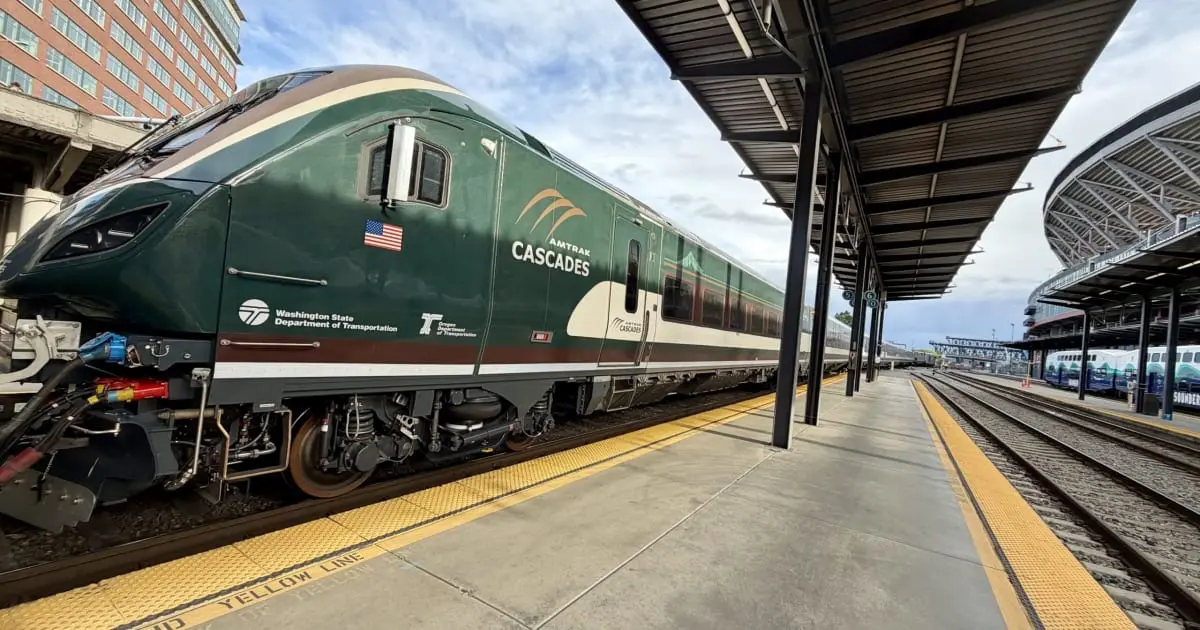
The newly finalized funding package addresses this vulnerability head-on by allocating $2.05 billion exclusively to Amtrak for the procurement of 43 brand-new trainsets manufactured entirely within the United States. These state-of-the-art trainsets are destined to replace outdated equipment, expand seating capacity, and improve schedule reliability on some of the country’s most heavily traveled corridors.
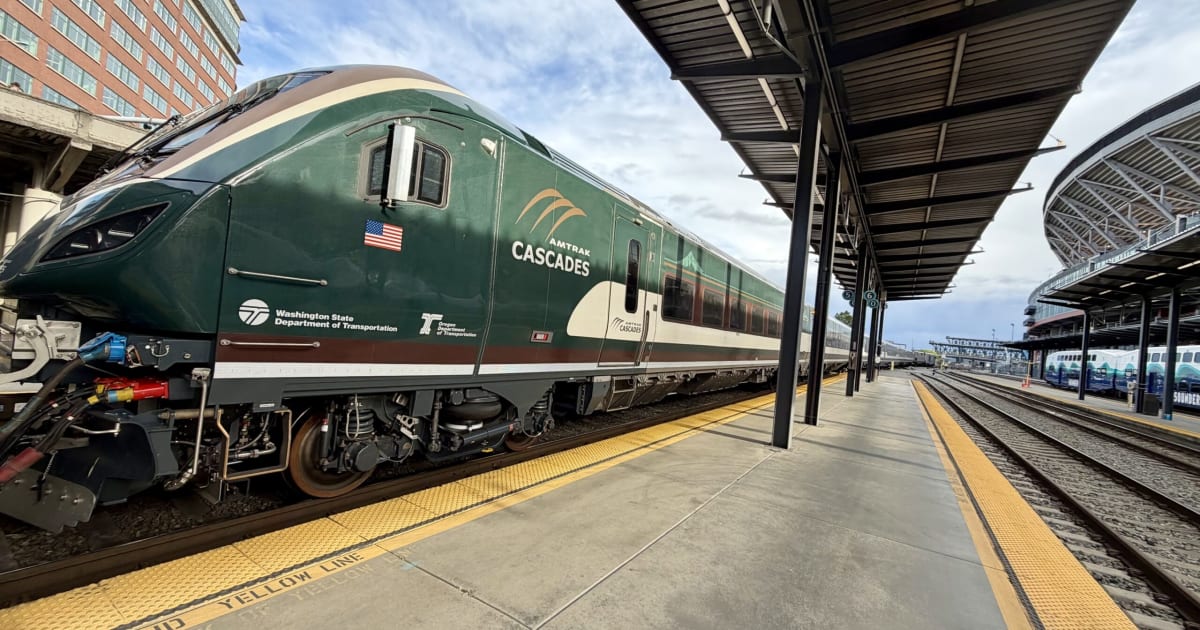
Furthermore, $140 million has been carved out specifically to overhaul 41 existing locomotives currently hard at work running critical routes throughout the Midwest and Pacific regions. This dual-pronged approach ensures that while long-term fleet replacements are being manufactured, the current operational backbone receives the heavy mechanical overhauls required to prevent mid-journey breakdowns.
Official Statements and Institutional Perspectives
The announcement has elicited strong reactions from federal transportation leaders, who emphasize both the life-saving potential of the grants and the meticulous strategic planning required to disburse the funds effectively.
U.S. Transportation Secretary Sean P. Duffy underscored the broader safety and operational goals of the department, noting that the historic investments are fundamentally engineered to protect motorists and pedestrians while optimizing the flow of commerce.
"The projects we announced today will help make our nation’s rail network much safer because now state DOTs across America will have the funds they need to eliminate dangerous grade crossings across the nation," stated FRA Administrator David Fink.
Fink also shed light on the collaborative administrative effort behind the scenes, highlighting the rigorous partnership forged between federal regulators and passenger rail operators. "FRA also collaborated with Amtrak over two years to determine how best to distribute these funds so passenger trains can run on time and freight isn’t delayed."
This delicate balancing act—ensuring that federal investments benefit both high-speed passenger services and the freight rail networks upon which the American economy relies—was a core guiding principle throughout the selection process.
Future Outlook: Restructuring, Execution, and Long-Term Impact
As the ink dries on the grant agreements and state departments of transportation begin drafting requests for proposals, the focus now pivots from financial allocation to rigorous project execution.
Amtrak’s Internal Reorganization
This capital injection arrives at a pivotal inflection point for Amtrak. The organization is currently undergoing a comprehensive internal restructuring of its management framework. Driven by a renewed focus on modern fleet management, streamlined maintenance protocols, and enhanced customer service metrics, Amtrak leadership is leveraging this multi-billion-dollar influx to transition into a more modern, corporate, and accountable entity. The integration of 43 new, domestically built trainsets will serve as the ultimate proving ground for this newly restructured management approach.
The Impact on Key Corridors
The rollout of the new trainsets will directly benefit a vast matrix of regional and intercity routes. Passengers traversing the Adirondack, Blue Water, Carolinian, Cascades, Downeaster, Empire, Ethan Allen, Hiawatha, Keystone, Lincoln, Pennsylvanian, Piedmont, River Runner, and Wolverine lines can expect significantly improved ride quality, greater reliability, and expanded capacity in the coming years.
A Safer, More Resilient National Network
Ultimately, the $5.3 billion NRPP investment is expected to permanently alter the American transportation landscape. By systematically closing hazardous grade crossings, constructing grade-separated bridges, eliminating urban bottlenecks through double-tracking, and modernizing locomotives, the federal government is laying the groundwork for a renaissance in American passenger rail.
As these 41 infrastructure projects break ground across 23 states, the combined efforts of the FRA, state DOTs, and Amtrak promise a future where intercity travel is faster, more reliable, and—above all—fundamentally safer for millions of Americans.