











By Blake Aued
Published October 12, 2026
Executive Overview
In cities across the United States, a quiet insurrection is taking place on the asphalt. Frustrated by bureaucratic inertia, sluggish municipal response times, and an alarming rate of pedestrian fatalities, urban activists are donning high-visibility vests, grabbing buckets of industrial-grade paint, and installing their own traffic calming infrastructure under the cover of night. Known colloquially as "tactical urbanism" or guerrilla infrastructure, these citizen-led interventions range from makeshift crosswalks and DIY bike lanes to unauthorized speed bumps and planters acting as curb extensions.
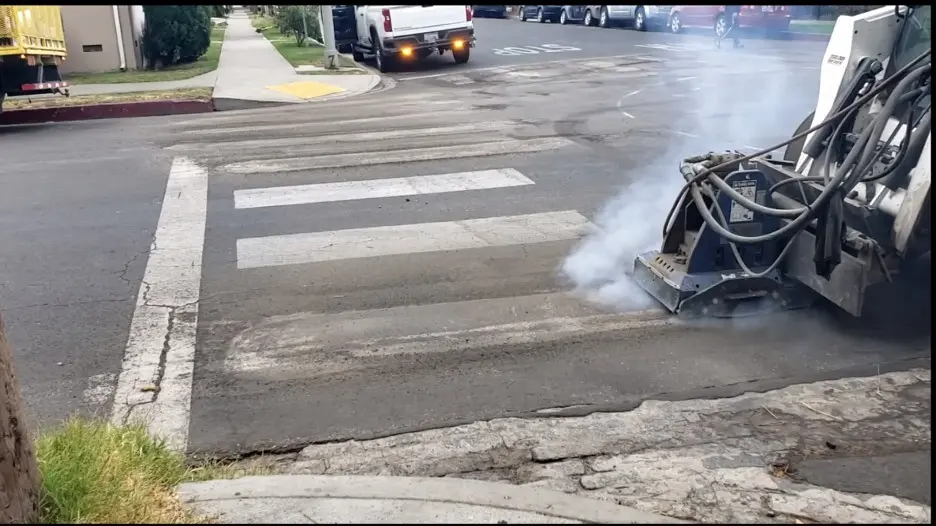
At the center of this movement is a growing tension between community safety advocates and municipal governments. While city officials argue that unauthorized street markings violate federal safety standards, create legal liabilities, and disrupt official long-term transit planning, activists maintain that official bureaucracy is costing human lives. When cities send crews to sandblast, power-wash, or pave over these community-painted crosswalks—as recently witnessed in Los Angeles at the hands of the Crosswalk Collective—it triggers a fierce debate over who truly owns the public right-of-way: the pedestrians who risk their lives crossing dangerous intersections daily, or the transportation departments tasked with managing them.
This investigative report examines the rise of citizen-led street interventions, the legal and logistical hurdles faced by grassroots organizations, the response from municipal authorities, and what this explosive friction reveals about the state of pedestrian safety in modern American cities.
Detailed Chronology: The Rise of Guerrilla Infrastructure
The phenomenon of citizens painting their own street infrastructure is not entirely new, but its prevalence has surged dramatically in the wake of the post-pandemic spike in traffic violence. For years, tactical urbanism was seen as a quirky, temporary art project or a temporary proof-of-concept for cities to evaluate. However, as pedestrian deaths reached record highs nationwide, the nature of these interventions shifted from aesthetic enhancements to urgent demands for survival.
The Genesis of Citizen-Led Safety
In cities like Los Angeles, New York, Portland, and Austin, residents living along dangerous, high-speed corridors experienced years of community board meetings yielding little to no concrete action. Standard municipal processes for installing a single crosswalk or traffic signal can take anywhere from eighteen months to five years, often requiring exhaustive traffic studies, environmental reviews, and localized political battles.
For neighborhoods experiencing rapid gentrification or historically underserved communities with poorly maintained infrastructure, this wait time translates directly into preventable tragedies. Groups like the Crosswalk Collective Los Angeles emerged in response to this institutional vacuum. Composed of anonymous volunteers, architects, and urban designers, these collectives identify high-risk intersections where pedestrians—particularly children, the elderly, and disabled individuals—are routinely put in danger by turning vehicles and excessive speed limits.

The Midnight Operations
Operating under the cover of darkness, tactical urbanists deploy with military-like precision. Armed with chalk lines, masonry paint, rollers, and stencils, teams can lay down a compliant, highly visible zebra-stripe crosswalk in a matter of twenty minutes. The materials used are often durable enough to withstand months of vehicular traffic, serving as a glaring, undeniable visual statement to local transportation departments the following morning.
These installations instantly alter driver behavior. Motorists, conditioned to look for pedestrian right-of-way indicators, naturally begin to slow down and yield. For a brief period, chaotic intersections achieve a semblance of order and safety that residents had begged the city for years to implement.
The Municipal Backlash
Inevitably, the city responds. Municipal maintenance crews are dispatched to eradicate the unauthorized paint. Armed with sandblasters, black sealcoat, and high-pressure washers, city workers systematically scrub away the community’s efforts, restoring the asphalt to its previous, hazardous state.
This cycle—installation, temporary relief, eradication, and public outcry—has become a recurring drama in urban centers. When municipal agencies erase these markings, they frequently cite liability concerns. If an accident occurs on an unauthorized crosswalk, the city could theoretically be held liable, or conversely, the lack of engineering oversight could expose civilian installers to legal jeopardy. Yet, for the activists watching their work get erased, the message from the city feels unmistakable: bureaucratic process matters more than human lives.
Supporting Context & Metrics: The Crisis on American Streets
To understand why everyday citizens are risking fines, criminal mischief charges, and safety hazards to paint roads, one must examine the grim statistical reality of American transportation infrastructure.
The Pedestrian Safety Crisis
According to data from the Governors Highway Safety Association (GHSA) and the National Highway Traffic Safety Administration (NHTSA), pedestrian fatalities in the United States have steadily escalated over the past decade, reaching historic highs not seen since the early 1980s. Thousands of pedestrians are killed annually on U.S. roads, driven by a combination of larger vehicles (such as SUVs and light trucks), distracted driving, and road designs prioritized for vehicular throughput rather than human safety.
| Year Range | Estimated Annual Pedestrian Fatalities | Key Contributing Factors |
|---|---|---|
| 2010–2014 | 4,000 – 4,800 | Smartphone adoption, rising distraction, suburban sprawl |
| 2015–2019 | 5,300 – 6,200 | Shift toward larger vehicle fleets (SUVs/Trucks) |
| 2020–2024 | 6,500 – 7,500+ | Post-pandemic rise in reckless driving, infrastructure deficits |
Cities are designed around the concept of "Vision Zero"—an initiative aimed at eliminating all traffic fatalities and severe injuries while increasing safe, healthy, equitable mobility for all. Yet, for communities living in transit deserts or auto-centric sprawl, Vision Zero often feels like an empty promise printed on glossy municipal brochures, while actual safety measures lag far behind schedule.

The Economics of Delays
Why do standard municipal safety interventions take so long? City transportation departments are hamstrung by complex regulatory frameworks, including the Manual on Uniform Traffic Control Devices (MUTCD), federal funding requirements, environmental reviews, and fierce political pushback from drivers who fear the loss of parking spaces or travel lanes.
A traditional traffic calming project can easily cost tens or hundreds of thousands of dollars due to bloated contracting processes, administrative overhead, and extensive engineering studies. In contrast, a guerrilla crosswalk costs a few hundred dollars in materials pooled directly from community members’ pockets. This stark financial and temporal disparity fuels the righteous frustration driving the tactical urbanism movement.
Official Statements and Institutional Perspectives
The clash between guerrilla urbanists and city halls exposes a deep philosophical divide over authority, safety, and governance.
The Municipal Defense: Standards and Liability
City transportation officials are quick to condemn unauthorized installations, even while privately acknowledging the validity of community frustrations. In official statements issued by departments of transportation across the country, the primary defense of immediate removal rests on three pillars:
- Engineering Standards: Municipal engineers argue that crosswalks and traffic devices must adhere strictly to national guidelines (such as the MUTCD) to ensure they are universally understood by all drivers, including visitors unfamiliar with local quirks. Unstandardized markings, they argue, can confuse motorists and lead to erratic driving behaviors.
- Legal Liability: Cities operate under strict municipal liability laws. If a municipality permits or leaves in place an unauthorized traffic control device, they may inherit legal responsibility if a crash occurs. Consequently, legal departments mandate the swift removal of any rogue infrastructure.
- Equitable Resource Allocation: City officials argue that infrastructure projects must be planned systematically to ensure equitable distribution across all neighborhoods, rather than prioritizing communities with vocal, organized activists who have the time and resources to execute midnight paint jobs.
The Activist Counter-Perspective: Direct Action and Accountability
Proponents of tactical urbanism, including members of groups like Crosswalk Collective Los Angeles and various urban advocacy organizations, reject these bureaucratic excuses as a smoke screen for inaction.
"When a city leaves a crosswalk unpainted for five years after three people have been struck and killed, they are making an active choice," notes an anonymous organizer with the tactical urbanism network. "The paint we put down isn’t illegal because it’s dangerous; it’s illegal because it challenges the monopoly that car culture holds over our public spaces. Bureaucracy should never be an excuse for bloodshed."
Activists point out that cities are more than capable of rapidly deploying emergency infrastructure when political will exists—as seen during the rapid rollout of outdoor dining streateries during the pandemic or temporary road closures for marathons and VIP motorcades. The fact that pedestrian safety requests languish in endless review cycles while infrastructure funding is routinely funneled into highway widening projects reveals a systemic misalignment of priorities.

Future Outlook: Where Do We Go From Here?
As the tactical urbanism movement matures, the relationship between grassroots activists and municipal governments is beginning to evolve. The adversarial dynamic of "paint by night, erase by day" is environmentally wasteful, financially draining for cities, and ultimately fails to resolve the underlying safety crisis. How can cities and communities bridge this dangerous chasm?
1. Institutionalizing "Quick-Build" Programs
Recognizing the limitations of traditional timelines, several progressive cities have begun adopting formal "Quick-Build" or "Tactical Urbanism" policies. These programs allow transportation departments to install temporary materials—such as flexible bollards, paint, and planter boxes—quickly and inexpensively. This approach allows cities to test out traffic calming designs, gather real-world data, and make adjustments before committing to permanent, multi-million-dollar concrete construction.
2. Streamlining Community Partnerships
Some forward-thinking municipalities are exploring frameworks where volunteer groups can partner directly with city agencies. Under supervised programs, community organizations can identify dangerous intersections, submit streamlined proposals, and—with proper municipal training and safety gear—assist city crews in installing approved traffic calming measures. This co-production model harnesses the energy and dedication of grassroots advocates while preserving engineering oversight and legal compliance.
3. Reform of National Standards
Pressure is also mounting at the federal level to reform the Manual on Uniform Traffic Control Devices (MUTCD). For decades, the MUTCD prioritized vehicular speed and throughput over pedestrian safety. Recent updates have begun to shift this paradigm, granting local agencies more flexibility to install pedestrian-friendly infrastructure without jumping through exhaustive, car-centric bureaucratic hoops. However, further reforms are necessary to legalize and normalize rapid, low-cost safety interventions.
Conclusion
The guerrilla crosswalk phenomenon is a symptom of a broken urban landscape. It is a visible manifestation of community grief, anger, and resilience in the face of systemic policy failures. While cities are entirely justified in managing their public rights-of-way and ensuring engineering integrity, the knee-jerk eradication of community-led safety measures without offering immediate, viable alternatives is a losing battle.
Until municipal governments can match the urgency of the safety crisis on our streets, citizens will continue to pick up the brushes. The message to city halls nationwide is clear: either build safe streets for your residents, or watch your residents build them for themselves.


