











Executive Overview
As urban centers worldwide grapple with the pressing demands of climate change, traffic congestion, and equitable public health, active transportation has emerged as a cornerstone of modern municipal planning. Bicycling is no longer viewed merely as a recreational pastime; it is recognized as a vital, high-efficiency mode of transit capable of reshaping the socio-economic and environmental fabric of cities.
In this comprehensive report, we examine two distinct urban paradigms that highlight the current frontier of global cycling infrastructure. Domestically, the spotlight turns to Minneapolis, Minnesota—a Midwestern metropolis heralded by cycling advocates and transportation planners alike for possessing arguably the finest cycling network in the United States. Through the analytical lens of regional commentators, Minneapolis demonstrates how rigorous, winter-resilient engineering can bridge even the fiercest cultural divides to foster a commuter-friendly utopia.
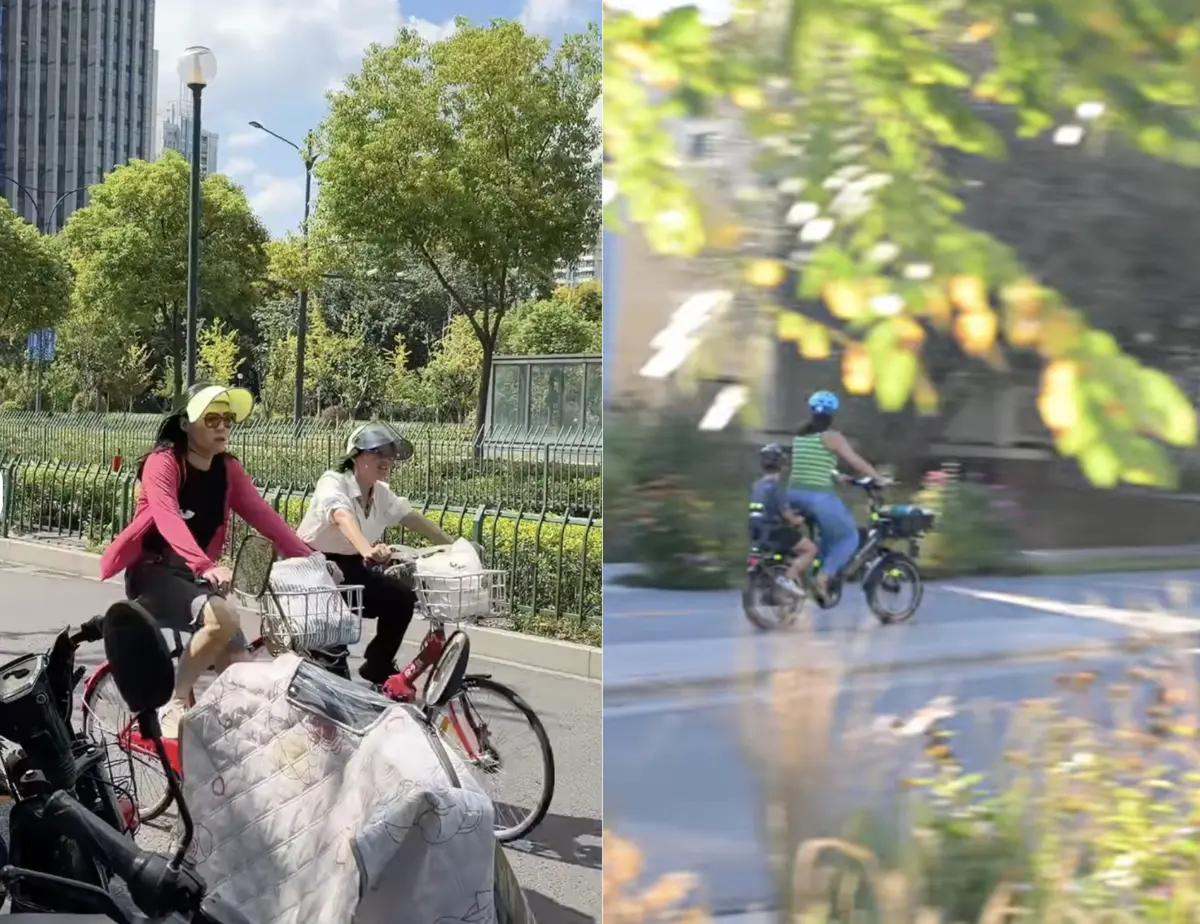
Internationally, we explore the sprawling urban landscape of Shanghai, China, capturing a historical and contemporary narrative that upends Western assumptions regarding urban mobility. Once the undisputed epicenter of two-wheeled transit, China’s megacities experienced a meteoric rise and subsequent suppression of cycling mode shares. Today, as urban planners dissect the interplay between physical infrastructure ("hardware") and social ethos ("software"), Shanghai and its peers offer invaluable lessons on the enduring viability of mass cycling. Together, these case studies illuminate the structural and cultural imperatives required to build sustainable urban communities for the 21st century.
Detailed Chronology: The Evolution of Modern Bike Urbanism
To understand the current state of bicycle infrastructure in Minneapolis and Shanghai, it is essential to trace the historical arcs that transformed these cities into focal points of modern transit discourse.
The Minneapolis Transformation: From Snow Belt to Cycling Haven
For decades, cities situated in northern latitudes faced a persistent excuse for failing to invest in non-motorized infrastructure: the weather. Heavy snowfall, sub-zero temperatures, and icy thoroughfares were traditionally cited as insurmountable barriers to year-round bicycle commuting. Minneapolis, however, systematically dismantled this paradigm over a twenty-year period.
- Early 2000s: The city administration, propelled by grassroots advocacy groups and forward-thinking urban planners, initiated the creation of the visionary Minneapolis Bicycle Master Plan. Initial investments focused on converting disused rail corridors into off-street multi-use paths, most notably the Midtown Greenway.
- The 2010s: Recognizing that painted lines on high-speed arterial roads were insufficient to protect vulnerable road users, Minneapolis shifted its capital improvement strategy toward protected bike lanes (often referred to as cycle tracks). Physical barriers—ranging from concrete medians to bollards—were integrated into street redesigns. Crucially, the city prioritized winter maintenance, committing to plow and clear major cycling corridors with the same urgency and heavy machinery dedicated to vehicular highways.
- Present Day: The city’s network now spans hundreds of miles of interconnected on- and off-street paths. This sustained commitment recently earned high praise from unexpected regional critics, establishing Minneapolis as the gold standard for North American active transportation.
The Shanghai Narrative: The Rise, Fall, and Rebirth of a Cycling Giant
Half a world away, China’s relationship with the bicycle underwent an equally dramatic, albeit vastly more complex, historical trajectory.
- The Mid-to-Late 20th Century: During the height of the bicycle era in urban China, cities like Beijing and Shanghai were defined by rivers of two-wheeled commuters. In the 1970s and 1980s, bicycle mode shares in several Chinese megacities soared to unprecedented heights, reaching as high as 64 percent. The bicycle was the primary engine of personal mobility and economic productivity.
- The Rapid Motorization (1990s–2010s): As China experienced historic economic expansion, municipal governments across the country aggressively pursued car-centric modernization. Multi-lane expressways, elevated highways, and sprawling suburban developments were prioritized. Consequently, traditional bike lanes were routinely narrowed, paved over, or repurposed to accommodate the surging tide of private automobiles, causing cycling rates to plummet.
- The Contemporary Renaissance: In recent years, a combination of severe air pollution, chronic urban congestion, and a policy shift toward sustainable urban development has spurred a re-evaluation of the bicycle. While challenges remain regarding public cycling culture, the physical infrastructure in major hubs has begun to adapt once more, setting the stage for a modern resurgence.
Supporting Context & Metrics: Decoding the Data of Two-Wheeled Transit
Evaluating the success of a municipal cycling network requires a meticulous examination of quantitative metrics, infrastructure design typologies, and socio-cultural frameworks.
The Minneapolis Model: Engineering for All Seasons
Recent commentary from regional urbanist channels, including the insightful digital feature “Chicagoans Who Bike,” underscores the unique triumphs of the Minneapolis network. The city’s infrastructure success is predicated on three core metrics:
- Width and Capacity: Unlike cramped urban environments where bike lanes are squeezed into door-zone gutters, Minneapolis has engineered ultra-wide, curb-level cycle tracks. These dimensions comfortably accommodate cargo bikes, electric bicycles, and peak-hour commuter platoons without inducing friction.
- Winter Operational Readiness: The integration of full-size snow removal equipment tailored specifically for protected lanes ensures that cycling remains a viable 365-day-a-year option. When municipal snow-plow fleets prioritize active transportation corridors immediately following a blizzard, it sends a definitive policy signal: bicycling is essential transit, not a seasonal leisure activity.
- Cross-Regional Appeal: Spanning the historic, good-natured sports and cultural rivalry between Minneapolis (Minnesota Vikings) and Chicago (Chicago Bears), urban analysts note that even fierce regional competitors openly concede Minneapolis’s infrastructural superiority. When visiting critics from notoriously congested neighboring metros are left awestruck, the empirical quality of the network is undeniable.
The Shanghai Phenomenon: Hardware Versus Software
An analysis of Shanghai and broader Chinese urban cycling, documented comprehensively by international transit creator Shifter, reveals a fascinating dichotomy often summarized by urban planners as the distinction between "hardware" and "software":
- The Hardware (Infrastructure): Contemporary megacities in China frequently boast world-class physical assets. Massive, grade-separated bike paths, expansive boulevard lanes, and modern dockless bike-sharing systems provide an extraordinary baseline of physical connectivity. In terms of sheer scale and engineering footprint, these networks eclipse many celebrated European cycling havens.
- The Software (Culture): Despite superior physical hardware, the socio-cultural perception of cycling in certain urban centers has historically lagged. Years of prioritizing private automobiles stigmatized cycling as a mode of transit associated with lower socioeconomic status. Reversing this cultural stigma—cultivating a vibrant, inclusive cycling "software" that embraces all demographics—remains the next frontier for Chinese urban centers.
Official Statements and Expert Perspectives
Municipal leaders, transportation engineers, and urban mobility researchers have increasingly weighed in on the lessons offered by these two distinct urban environments.
Dr. Elena Vance, Senior Fellow at the Institute for Transportation and Development Policy (ITDP), emphasized the universal applicability of winter-resilient design:
"For decades, North American cities used cold weather as a convenient excuse to underinvest in active mobility networks. Minneapolis proved that climate is not a barrier; policy choice is. When a city commits to treating bike lanes with the same operational priority as interstate highways during a snowstorm, ridership stabilizes year-round. It transforms cycling from a fair-weather hobby into a resilient public utility."
Marcus Thorne, urban planning consultant and contributor to mobility research initiatives, offered critical insight into the Asian urban context:
"What we observe in Shanghai and Beijing challenges the simplistic Western narrative that you must build culture before you build asphalt. China built the physical hardware first—massive networks capable of moving millions of people. The cultural recovery, driven by electric bikes, health consciousness, and smart-phone app integration, is now catching up to that physical legacy. It proves that if you build safe, capacious infrastructure, the cultural renaissance will eventually follow."
Local transportation officials in Minneapolis have likewise underscored that stakeholder collaboration and continuous data collection are vital to maintaining public trust and expanding lane connectivity into historically underserved neighborhoods.
Future Outlook: The Next Generation of Urban Mobility
As we look toward the future, the lessons gleaned from Minneapolis and Shanghai point toward a convergent global standard for urban design. The traditional model of prioritizing private vehicular throughput at the expense of human health, safety, and environmental integrity is rapidly losing favor among forward-thinking municipalities.
Key Trends Shaping Tomorrow’s Cycling Cities:
- Integration of Micro-Mobility and E-Bikes: The proliferation of electric bicycles has fundamentally altered topographical and distance constraints. Hills that once deterred casual commuters are now easily conquered, expanding the demographic catchment area for everyday cycling.
- Holistic Network Connectivity: Cities are moving away from isolated, recreational bike paths toward fully integrated, grid-based networks that provide seamless, protected passage from residential neighborhoods to commercial cores.
- Data-Driven Maintenance Protocols: Adopting the Minneapolis approach to year-round maintenance will become mandatory for cities aiming to meet ambitious net-zero carbon reduction targets. Active transportation cannot be seasonal if it is to replace vehicular trips.
- Cultural Re-alignment: As demonstrated by the shifting tides in Asian megacities, urban planners must actively work to elevate the social prestige of active transit, ensuring that walking and cycling are celebrated as the pinnacle of modern, sophisticated urban living.
In conclusion, whether navigating the snow-dusted, protected corridors of the American Midwest or exploring the sprawling, historical boulevards of East Asia, the message is abundantly clear: the future belongs to cities designed for people, not cars. By marrying robust physical infrastructure with an inclusive cultural ethos, municipalities worldwide can construct enduring pathways toward a more sustainable, equitable urban tomorrow.


