










Executive Overview
Marine flares are a cornerstone of on-water safety, serving as a critical lifeline for mariners facing distress, mechanical failure, or severe weather conditions far from shore. However, the very properties that make these pyrotechnic devices effective—high-burning temperatures, rapid ignition, and intense luminosity—also make them hazardous materials requiring meticulous management. Every year, boaters face the challenge of maintaining compliance with U.S. Coast Guard (USCG) regulations regarding visual distress signals (VDS), which inevitably involves managing expired, damaged, or unwanted inventory.
Despite their life-saving potential, marine flares are frequently mishandled, improperly stored, or dangerously discarded into municipal waste streams or ignited recreationally. Such practices pose severe risks to sanitation workers, the environment, emergency response infrastructure, and public safety. Because pyrotechnics are chemically unstable over time and sensitive to environmental degradation, they demand a lifecycle approach encompassing rigorous storage protocols, seasonal inspections, and adherence to localized hazardous waste disposal frameworks.
This comprehensive report examines the critical protocols for handling marine flares, explores the inherent dangers of improper disposal, outlines regulatory expectations, and highlights modern alternatives such as electronic visual distress signals. Designed for recreational boaters, commercial captains, and marine safety advocates, this guide provides an authoritative roadmap to balancing regulatory compliance with environmental responsibility.

Detailed Chronology: The Lifecycle of a Marine Flare
Understanding the proper management of marine flares requires tracing their lifecycle from acquisition and deployment to retirement and disposal. The following chronology outlines the critical stages every flare undergoes during its operational use aboard a vessel.
[Acquisition & Storage] ---> [Seasonal Inspection] ---> [Expiration / Decommissioning] ---> [Secure Transport] ---> [Approved Disposal]Stage 1: Acquisition and Initial Storage
Upon purchasing a certified marine flare kit, the lifecycle begins with immediate integration into the vessel’s safety inventory. Mariners must record purchase and expiration dates—typically valid for 42 months from the date of manufacture per Coast Guard standards—and establish a secure, accessible storage location. Flares must be kept separate from loose tools, chemical cleaners, and marine batteries to prevent mechanical damage.
Stage 2: Operational Deployment and Routine Maintenance
Throughout their active service life, flares require ongoing oversight. This includes protection from ambient moisture, temperature fluctuations, and physical impacts. Mariners must perform seasonal audits, ensuring that all stored units remain dry, legible, and uncompromised by the harsh marine environment.
Stage 3: Expiration and Decommissioning
Once a flare reaches its stamped expiration date, its chemical composition can no longer be guaranteed to perform within certified parameters. At this juncture, the unit must be immediately demoted from primary service. Boaters face a choice: retire the unit permanently to an approved disposal queue or, if permitted by local regulations and personal risk tolerance, relegate the item to a secondary, clearly labeled "expired backup" status—though it can never count toward mandatory USCG carriage requirements.
Stage 4: Transport and Handover
When an accumulation of expired or damaged flares necessitates disposal, mariners must contact local hazardous waste authorities, fire departments, or designated collection facilities. Transport requires adherence to strict safety parameters: keeping items in original packaging, securing them against shifting in transit, and avoiding exposure to extreme heat.
Stage 5: Ultimate Remediation
The lifecycle concludes when the pyrotechnic material is safely neutralized through industrial hazardous waste processing, high-temperature incineration via specialized municipal programs, or manufacturer-backed recycling and take-back initiatives.
Supporting Context & Metrics: The Hidden Hazards of Pyrotechnic Distress Signals
To fully appreciate why marine flares demand specialized handling, one must examine the chemistry and regulatory framework governing visual distress signals.
Pyrotechnic Composition and Thermal Dynamics
Marine flares typically rely on chemical formulations involving oxidizers (such as potassium perchlorate or nitrates), metallic fuels (like magnesium or aluminum), and colorants. When ignited, these compounds generate temperatures ranging from 1,400°F to over 3,000°F (760°C to 1,650°C). Handheld red flares, aerial meteor flares, and floating orange smoke signals all exhibit unique operational profiles:
- Handheld Flares: Burn intensely for 1 to 3 minutes, producing blinding light and hot slag that can cause severe thermal burns if improperly angled or held.
- Aerial Parachute Flares: Launch up to 1,000 feet into the air, descending slowly under a parachute while burning at high candela ratings. A misfire or structural failure during launch poses severe injury risks.
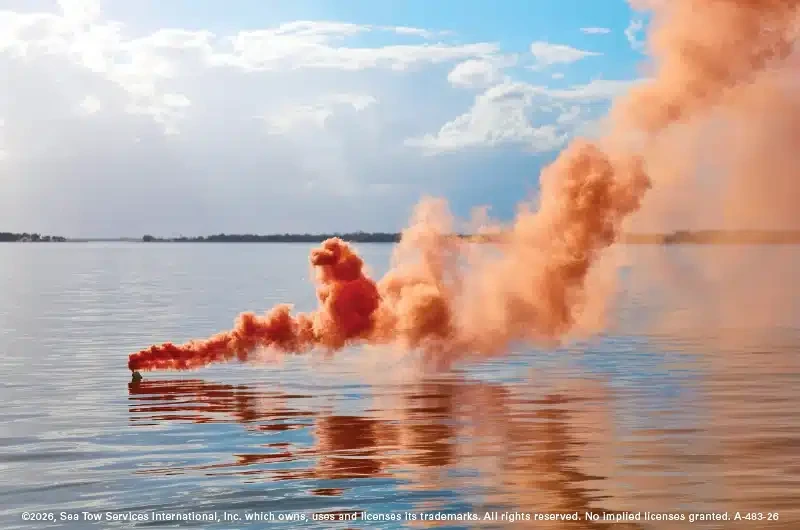
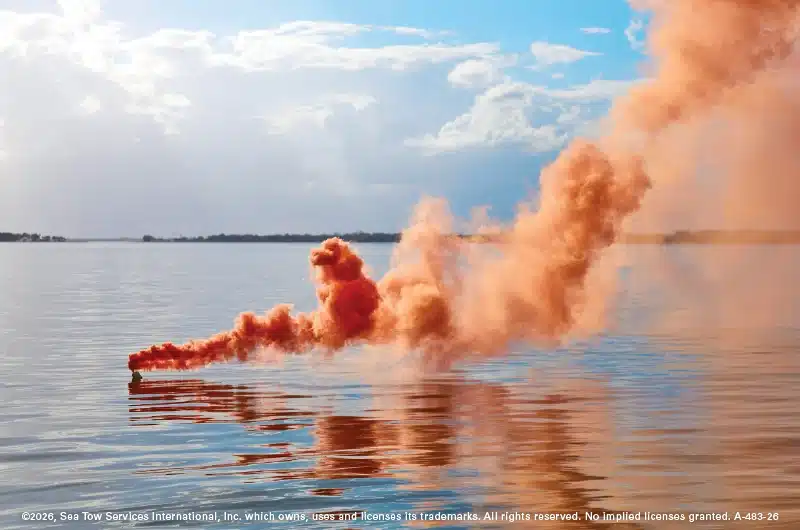
- Smoke Signals: Generate dense, highly irritating chemical smoke designed to mark a vessel’s position during daylight hours, which can cause respiratory distress if inhaled in enclosed spaces.
The Myth of the "Harmless" Expired Flare
A common misconception among mariners is that expired pyrotechnics lose their chemical potency and become inert. In reality, aging can destabilize the internal propellant and chemical binders. Expired flares can become more sensitive to friction, electrostatic discharge, or minor impacts. The casing may degrade, allowing moisture to infiltrate the pyrotechnic composition, leading to internal corrosion that can cause erratic burning, premature explosion, or catastrophic failure upon ignition. Consequently, expired flares must always be treated as live, dangerous ordnance.
Regulatory Landscape and Carriage Requirements
Under Title 33 of the Code of Federal Regulations (CFR), recreational vessels operating on coastal waters, the Great Sea, territorial seas, and connected waters directly communicating with them are required to carry approved visual distress signals both day and night.
- Day Signals: Must be capable of signaling distress visually (e.g., orange flags, day-smoke signals).
- Night Signals: Must produce a bright, steady, or intermittent light (e.g., red flares, electric distress lights).
- Compliance Thresholds: Generally, vessels under 16 feet are exempt during daylight hours but must carry night signals when operating between sunset and sunrise. Vessels 16 feet and over must carry both day and night signals (or versatile combination signals) at all times.
Official Statements and Industry Guidelines
Navigating the disposal and maintenance of marine flares requires adherence to guidance from regulatory bodies, maritime rescue organizations, and environmental protection agencies.
United States Coast Guard (USCG) Recommendations
The U.S. Coast Guard consistently emphasizes that pyrotechnic distress signals are strictly regulated safety equipment. In official advisories, the Coast Guard warns against unauthorized disposal methods, noting that firing expired flares recreationally—often referred to as "flare burning parties"—creates a false sense of emergency for local rescue stations, wastes valuable search-and-rescue (SAR) resources, and poses significant wildfire and personal injury risks.
Furthermore, the Coast Guard advises that disposal regulations are intensely localized. Because pyrotechnics do not fall under standard municipal garbage collection rules, the agency directs mariners to consult state environmental protection departments, local fire marshals, and household hazardous waste (HHW) coordinators to identify legal disposal pathways.
Sea Tow Foundation and Marine Safety Advocates
Industry leaders, such as the Sea Tow Foundation, have long campaigned for proactive marine safety education. Experts emphasize that having a flare kit on board is only half the battle; maintaining its integrity through rigorous seasonal audits is what prevents mid-ocean emergencies.
"Marine flares are an essential piece of safety equipment, but they demand respect both on and off the water," notes maritime safety literature from leading towing organizations. "Keep them dry, protected, and accessible, but never underestimate the danger they pose once expired or damaged. When in doubt, contact local authorities rather than improvising disposal."
Environmental Protection Agency (EPA) and Hazardous Waste Protocols
From an environmental perspective, discarding pyrotechnics into landfills or aquatic ecosystems introduces heavy metals, perchlorates, and toxic chemical residues into the soil and water table. Perchlorates, in particular, are persistent environmental contaminants known to interfere with thyroid function. Consequently, environmental agencies mandate that pyrotechnic materials be managed through licensed hazardous waste collection streams.
Future Outlook: The Shift Toward Electronic Visual Distress Signals
As the maritime industry grapples with the logistical and environmental burdens of pyrotechnic disposal, a significant technological shift is underway. The advent of approved electronic visual distress signals (e-VDSS) represents a transformative leap forward in boating safety.
Advantages of Electronic Distress Signals
Electronic distress lights offer numerous distinct advantages over traditional chemical flares:
- Infinite Reusability: Unlike single-use pyrotechnics that burn out in minutes, e-VDSS units can operate for hours on replaceable or rechargeable batteries, making them ideal for signaling rescuers over extended periods.
- Zero Flame and Thermal Risk: Operating via high-intensity LEDs or xenon flash tubes, electronic signals produce no open flame, hot slag, or toxic smoke, eliminating the risk of onboard fires or severe burns.
- Simplified Disposal: Because they contain no hazardous pyrotechnic compounds, electronic units do not require specialized hazardous waste disposal upon retirement. Battery recycling is the primary end-of-life requirement.
- Regulatory Acceptance: The USCG recognizes approved e-VDSS devices as meeting night-time visual distress signal requirements, provided they flash the international SOS distress signal (three short, three long, three short).
Current Limitations and Hybrid Strategies
Despite their benefits, electronic distress signals are not yet a complete one-for-one replacement for all traditional requirements. Most notably, an electronic light satisfies night signal requirements, but vessels must still carry an approved daytime distress signal—such as an orange distress flag—to achieve full compliance. Additionally, mariners must maintain battery health through routine inspections, ensuring that power sources have not corroded or lost charge.
Looking ahead, marine safety advocates anticipate broader adoption of e-VDSS technology as manufacturing standards evolve, costs decrease, and municipal disposal infrastructure for pyrotechnics remains scarce. However, until regulatory frameworks adapt to fully phase out chemical requirements, traditional flares will remain a familiar fixture in maritime safety kits, necessitating ongoing education regarding their storage, maintenance, and safe retirement.
Conclusion
Marine flares remain a vital tool for mariners navigating the unpredictable waters of the world’s oceans, lakes, and rivers. Yet, their chemical volatility and specialized disposal requirements demand a disciplined, safety-first mindset from every boat owner. By adhering to strict storage protocols, conducting thorough seasonal inspections, avoiding hazardous home-remediation myths, and utilizing authorized local disposal pathways, mariners can protect themselves, their communities, and the marine environment. As the industry increasingly embraces sustainable alternatives like electronic visual distress signals, the future of on-water safety looks brighter, cleaner, and more secure.


