











Executive Overview
As urban planners worldwide grapple with the pressing demands of climate change, traffic congestion, and equitable public health, the paradigm of urban mobility is undergoing a profound transformation. The automobile-centric models that dominated twentieth-century city planning are increasingly giving way to integrated, multimodal transport networks where active mobility—particularly cycling—takes center stage.
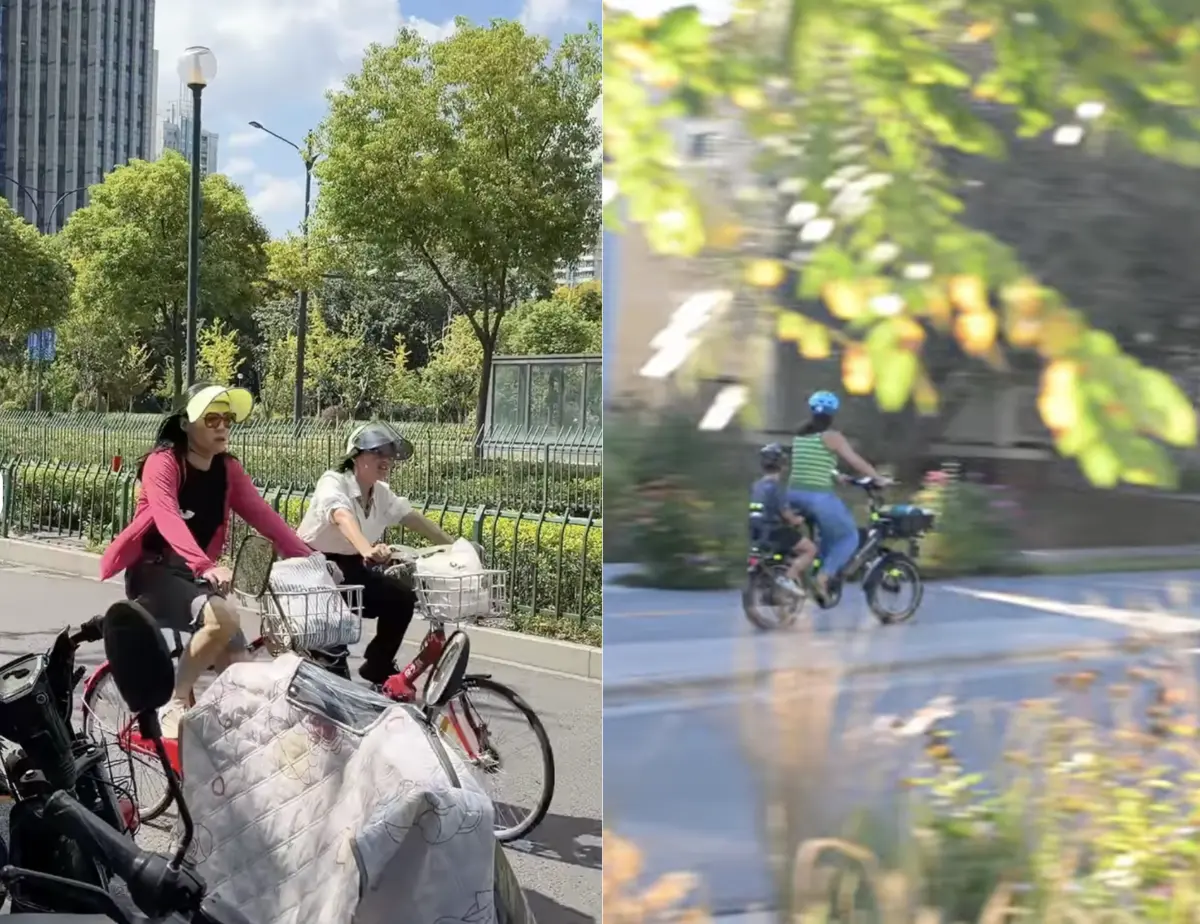
This deep dive examines two distinct case studies shaping contemporary discourse on bicycle infrastructure: the winter-resilient, highly connected cycling network of Minneapolis, Minnesota, and the fascinating historical trajectory of cycling in Shanghai, China. While Minneapolis demonstrates how a North American city can engineer world-class, four-season bike infrastructure that rivals European gold standards, Shanghai offers a complex narrative of how megacities transition through waves of motorization, infrastructure investment, and shifting cultural perceptions of active transport.
Drawing on recent insights from prominent urban mobility media creators—including the regional analysis by Chicagoans Who Bike and the global historical exploration by the cycling channel Shifter—this report investigates the mechanics of what makes a successful cycling city. We analyze the dichotomy between physical infrastructure ("hardware") and social adoption ("software"), exploring how cities can build networks that not only survive harsh weather and massive population growth, but actively encourage sustainable, joyful, and safe daily mobility for all citizens.
Detailed Chronology
To understand the current state of global cycling infrastructure, it is essential to trace the historical and recent milestones that have brought cities like Minneapolis and Shanghai to their current positions.
The Evolution of North American Urban Cycling: The Minneapolis Blueprint
- Late 20th Century: Minneapolis begins developing a foundational parks-and-trails system, notably the Grand Rounds National Scenic Byway, which lays the groundwork for off-street recreational riding.
- Early 2010s: The city launches ambitious complete streets policies, recognizing that striped paint on high-speed roads is insufficient to protect vulnerable road users. Investments shift toward physically protected bike lanes (PBLs).
- Mid-to-Late 2010s: Minneapolis pioneers aggressive, year-round maintenance protocols. City transportation departments prioritize clearing protected bike lanes alongside major vehicular arteries, proving that cycling can be a viable 365-day transportation mode despite sub-zero winter temperatures and heavy snowfall.
- Present Day: Recognized widely as having arguably the premier cycling network in the United States, Minneapolis features curb-level, ultra-wide paths capable of accommodating full-size snowplows, setting a benchmark for neighboring and distant metropolitan areas alike.
The Rollercoaster of Chinese Urban Cycling: The Shanghai and Beijing Narrative
- 1970s–1980s: China’s urban centers earn global renown as the undisputed capitals of the bicycle. Massive boulevards are choked not with cars, but with millions of bicycles forming the backbone of the national economy and daily commute. Megacities record cycling mode shares skyrocketing as high as 64 percent.
- 1990s–2000s: Propelled by rapid economic liberalization and industrialization, state and municipal authorities prioritize automotive infrastructure. Multi-lane highways, elevated urban expressways, and sprawling suburban developments replace traditional street grids. Cycling is increasingly stigmatized as a symbol of poverty, leading to policies that restrict or ban bicycles from major arterial roads to clear the way for private automobiles.
- 2010s: The advent of dockless bike-sharing schemes (pioneered by companies like Mobike andofo) floods Chinese cities with millions of two-wheelers. While this democratizes access and causes a temporary resurgence in cycling, it also leads to severe public clutter and regulatory crackdowns.
- Present Day: Megacities like Beijing and Shanghai boast world-class physical cycling "hardware"—expansive, grade-separated bike networks designed to handle enormous volumes of traffic. However, urban mobility analysts note that the "software"—the social prestige, cultural appreciation, and perceived safety of everyday cycling—remains contested, though signs of a cultural renaissance are beginning to emerge.
Supporting Context & Metrics
The success or failure of urban cycling networks cannot be evaluated on anecdotal evidence alone. It requires a rigorous examination of modal share, infrastructure typology, maintenance metrics, and cultural integration.
Defining the "Hardware" vs. "Software" Paradigm in Urban Mobility
Urban transport scholars frequently divide mobility ecosystems into two interrelated categories:
- Hardware: The tangible physical infrastructure. This includes protected bike lanes, intersection treatments, bike parking facilities, signal priority, wayfinding signage, and climate-resilient engineering (such as snow-clearing capabilities in northern climates or shading structures in tropical ones).
- Software: The intangible cultural, regulatory, and psychological frameworks that govern how people feel about using the hardware. This encompasses social prestige, traffic enforcement, educational programs for both motorists and cyclists, and the integration of active travel into daily routines.
+-------------------------------------------------------------------------+
|                  THE URBAN CYCLING ECOSYSTEM                            |
|                                                                         |
|   +--------------------------+         +----------------------------+   |
|   |         HARDWARE         |         |          SOFTWARE          |   |
|   |  (Physical Engineering)  |         |   (Culture & Perception)   |   |
|   +--------------------------+         +----------------------------+   |
|   | • Protected Bike Lanes   |         | • Social Prestige          |   |
|   | • Curb-Level Separation  |         | • Traffic Law Enforcement  |   |
|   | • Snow-Plow-Ready Width  |   <---> | • Public Safety Perception |   |
|   | • Intersection Design    |         | • Educational Programs     |   |
|   | • Bike-Share Integration |         | • Multimodal Habit-Forming |   |
|   +--------------------------+         +----------------------------+   |
|                                                                         |
|               Result: Sustainable, High-Volume Ridership                |
+-------------------------------------------------------------------------+
Comparative Metrics: Minneapolis vs. Global Paradigms
- Minneapolis Mode Share & Infrastructure: While overall regional commuter mode shares for cycling in the U.S. typically hover around 0.5% to 2%, Minneapolis consistently ranks near the top of American cities, with central neighborhood bike commute shares exceeding 5% to 10% depending on the ward. More importantly, its infrastructure features full physical separation (curb height), protecting riders from vehicular traffic moving at high speeds.
- Historical Peak in China: During the late twentieth century, megacities in China achieved unprecedented cycling mode shares of up to 64%. To put this in perspective, this dwarfs the contemporary figures of celebrated European cycling havens like Amsterdam (where cycling modal splits hover around 35–40%) and Copenhagen (around 45%).
- Winter Maintenance Metrics: A critical metric for northern cities is year-round retention. Cities failing to clear bike lanes experience ridership drops of up to 80% during winter months. Minneapolis’s integration of full-size snowplow protocols specifically tailored for narrow or curb-separated cycle tracks has proven that proper municipal maintenance can maintain robust winter cycling numbers.
Official Statements & Expert Perspectives
Insights from urban planning advocates, municipal leaders, and digital media documentarians shed light on the structural changes required to build resilient cycling cities.
Perspectives from Regional Urban Advocacy
The creators behind the digital media project Chicagoans Who Bike emphasize the friendly yet pointed regional rivalry that highlights Minneapolis’s achievements:
"If these ultra-wide, curb-level, full-size-snow-plow-ready paths can overcome the Bears-Vikings sports rivalry, you know they’ve got to be good. Minneapolis offers a masterclass in proving that geography and cold weather are never valid excuses for failing to build world-class active transportation networks; leadership and design choices are what truly matter."
Insights on Global Historical Trajectories
Analyzing the transformation of urban spaces in Asia, the host of the international mobility channel Shifter highlights the stark contrast between physical capacity and cultural attitudes in Chinese megacities:
"We often forget that cities like Beijing and Shanghai didn’t have to invent cycling culture from scratch—they lived through a period where the bicycle was the absolute undisputed king of the street. Today, while these megacities possess some of the most impressive physical bike ‘hardware’ ever constructed, the social ‘software’—the cultural perception of cycling as a prestigious, modern, and safe choice—is still catching up to the infrastructure. But as congestion mounts and climate pressures grow, that perception is rapidly evolving."
Future Outlook
As urban populations continue to swell over the coming decades, the future of transportation will rely heavily on space-efficient, zero-emission mobility corridors. The lessons learned from Minneapolis and Shanghai point toward several critical trajectories for municipal planners, civil engineers, and policymakers.
1. The Imperative of Four-Season Resilience
Climate change brings unpredictable weather patterns, ranging from severe winter storms to extreme heat waves. The Minneapolis model demonstrates that active infrastructure must be engineered for all seasons. Future investments must mandate that bike networks are treated as essential public infrastructure, guaranteeing equal priority for snow removal, ice mitigation, and thermal comfort features (such as tree canopy coverage and hydration stations) just as authorities do for vehicular highways.
2. Bridging the Gap Between Hardware and Software
Building protected lanes is only half the battle. As observed in Chinese megacities, physical infrastructure can exist in abundance, but without supportive cultural frameworks, safety perceptions, and integrated land-use policies, ridership may fail to reach its full potential. Cities must invest concurrently in public relations campaigns, Vision Zero traffic safety enforcement, and urban densification that places destinations within a 15-minute cycling radius.
3. Regional Connectivity and Intermodal Integration
The next frontier for cycling networks lies in seamless regional integration. Isolated bike paths, no matter how well-designed, yield limited benefits if they terminate abruptly at municipal boundaries or fail to connect with high-capacity mass transit systems. Expanding protected grid networks across metropolitan areas—bridging urban cores with sprawling suburbs—will be the definitive challenge for transportation departments in the latter half of the 2020s and beyond.
Ultimately, whether drawing inspiration from the snow-cleared greenways of the American Midwest or the monumental cycling boulevards of East Asia, the global trajectory is clear: the cities that thrive in the twenty-first century will be those that prioritize people over pavement, ensuring that two-wheeled transport is safe, dignified, and accessible to all.


