











Executive Overview
As urban centers across the globe grapple with escalating traffic congestion, public health crises linked to sedentary lifestyles, and ambitious net-zero climate goals, active transportation has transformed from a fringe environmental movement into a cornerstone of modern municipal planning. Bicycles, once relegated to the margins of car-centric infrastructure, are reclaiming their status as legitimate, highly efficient vehicles for mass urban transit.
To understand how cities are successfully navigating this paradigm shift, urban planners and mobility advocates increasingly look to two distinct yet illuminating case studies: Minneapolis, Minnesota, and Shanghai, China. While disparate in scale, geography, and cultural context, both cities offer invaluable lessons in the triumphs and tribulations of building a bike-friendly metropolis.
In the United States, Minneapolis has long punched above its weight class, frequently earning accolades as the nation’s premier cycling city. Recently, even skeptical observers from rival metropolitan areas—such as the creators behind the digital channel Chicagoans Who Bike—have journeyed north only to return with glowing reviews. The city’s success lies not merely in painted lines on asphalt, but in a robust, winter-resilient network of ultra-wide, curb-separated pathways capable of accommodating full-sized snowplows. It is a masterclass in infrastructural integration that proves cycling can be a year-round, mass-transit reality even in harsh climates.
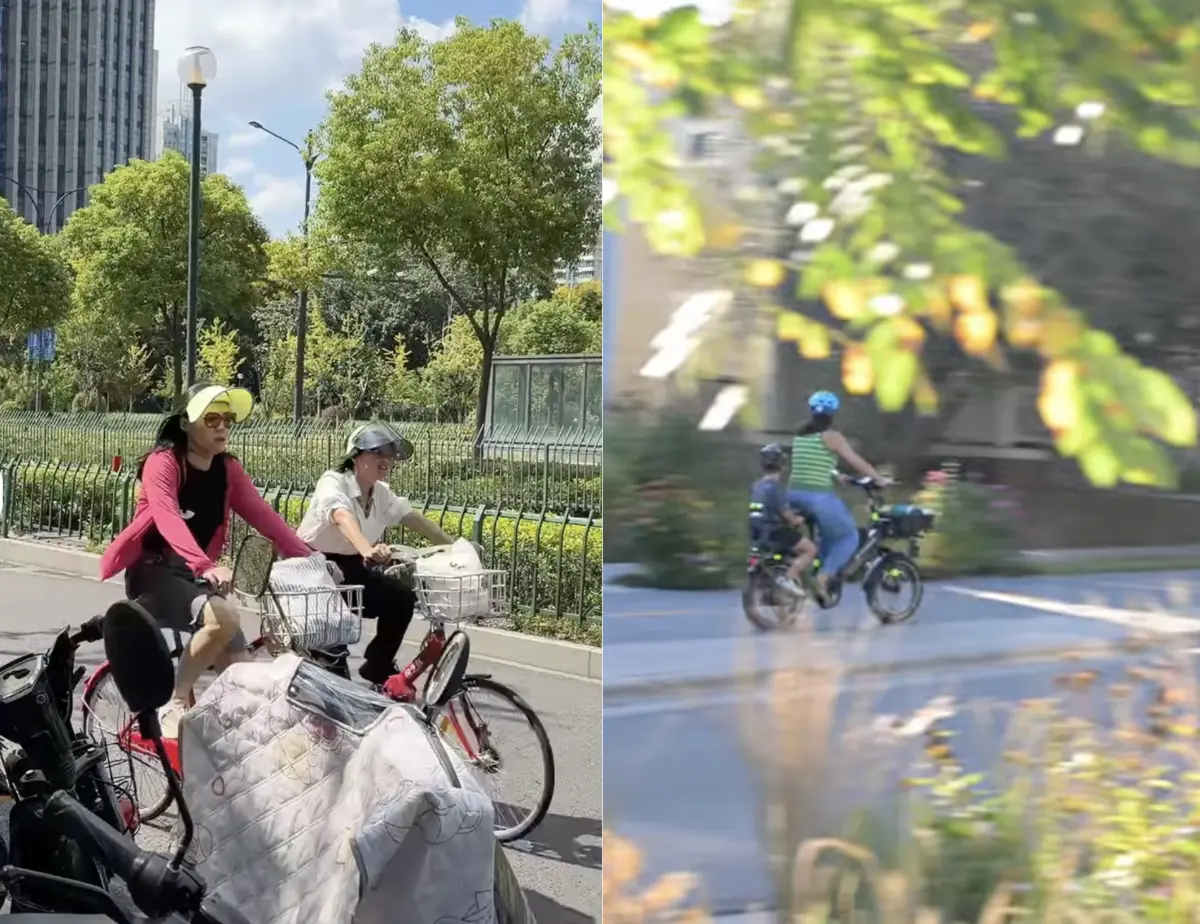
Conversely, looking internationally reveals a narrative of staggering scale and profound cultural evolution. As documented by the prominent urban cycling creator Shifter during a recent expedition to Shanghai, China boasts a complex, fascinating history with the bicycle. Decades ago, Chinese megacities recorded cycling mode shares as high as 64 percent—numbers that utterly eclipse the celebrated modal splits of European cycling havens like Amsterdam and Copenhagen. Yet, rapid modernization, aggressive automobile-centric development, and shifting cultural perceptions temporarily sidelined the bicycle. Today, while cities like Beijing and Shanghai possess world-class physical infrastructure ("hardware"), they still grapple with the evolving social attitudes ("software") necessary to sustain a vibrant cycling culture.
This report provides an in-depth examination of these two compelling urban case studies. By analyzing the engineering triumphs of the American Midwest and the historical, infrastructural, and cultural complexities of Asian megacities, we explore the vital lessons cities worldwide must learn to secure a sustainable, human-centric transportation future.
Detailed Chronology: The Evolution of Cycling Infrastructure
To fully appreciate the current state of urban cycling in Minneapolis and Shanghai, one must examine the distinct historical trajectories that shaped their respective landscapes. The journey from car-dominated thoroughfares to interconnected networks of protected bikeways spans decades of political will, civil engineering innovations, and cultural shifts.
The Minneapolis Miracle: Building a Year-Round Cycling Capital
The transformation of Minneapolis from a traditional Rust Belt-adjacent Midwestern industrial hub into North America’s premier cycling city did not happen overnight. It was the result of a deliberate, multi-decade municipal strategy rooted in progressive urban planning and a deep appreciation for the region’s natural geography.
- The Late 20th Century (Laying the Groundwork): Long before protected bike lanes became a modern planning buzzword, Minneapolis began capitalizing on its abundant park systems. The Chain of Lakes and the Mississippi River corridors provided natural rights-of-way that were gradually converted into off-road recreational paths. However, these paths primarily served recreational cyclists rather than daily commuters.
- The 2000s (The Commuter Shift): As traffic congestion mounted and environmental awareness grew, local advocacy groups—most notably the Minneapolis Bicycle Coalition (now known as Move Minnesota)—began lobbying the city council for on-street infrastructure. The city responded by introducing its first wave of painted bike lanes and sharrows, though safety concerns remained paramount.
- The 2010s (The Protected Lane Revolution): Recognizing that painted lines were insufficient to protect vulnerable road users, Minneapolis adopted a bold Complete Streets policy. The city began constructing physically protected bike lanes (often referred to as cycle tracks) that physically separated bicycle traffic from multi-lane vehicular traffic using concrete curbs, bollards, and parked cars. Crucially, municipal leadership mandated that these new networks be designed for year-round utility, integrating them into the city’s rigorous winter maintenance schedules.
- The Present Day (Regional and National Leadership): Today, Minneapolis boasts an interconnected grid of over 200 miles of on-street bikeways and an additional 100 miles of off-road paths. Recent reviews by visiting transit advocates from neighboring metropolises like Chicago have cemented the city’s reputation: Minneapolis has effectively solved the "winter cycling problem" through superior engineering, setting a benchmark that other cold-weather cities struggle to match.
Shanghai and China’s Cycling Saga: From Mass Mobility to Motorization and Back
The history of cycling in China is arguably the most dramatic modal swing in transportation history. No nation has experienced such a profound ascent, steep decline, and tentative renaissance of the bicycle on a mass scale.
- The Mid-20th Century (The Bicycle Kingdom): In the decades following the establishment of the People’s Republic of China, the bicycle became the ultimate symbol of egalitarian mobility. Affordable, reliable, and accessible, the Flying Pigeon bicycle emerged as an indispensable household staple. By the 1970s and 1980s, megacities like Beijing, Tianjin, and Shanghai were veritable "Kingdoms of Bicycles."
- The Peak Era (1980s–1990s): During this golden age, cycling mode shares in major Chinese urban centers hovered at unprecedented heights—peaking at an astonishing 64 percent in certain cities. Vast expanses of urban roadways featured dedicated, tree-lined cycle tracks that often rivaled the width of lanes reserved for motor vehicles.
- The Economic Boom and Auto-Centric Turn (Late 1990s–2000s): As China experienced unprecedented economic expansion and a surging middle class, the cultural aspirations of the population shifted rapidly. The automobile became the ultimate status symbol. Urban planners, dazzled by Western models of car-centric development, began widening roads, building elevated highways, and systematically dismantling or narrowing dedicated bike lanes to prioritize private vehicle throughput. Cycling was increasingly stigmatized as a symbol of poverty or backwardness.
- The Dockless Bike-Share Revolution (2015–2018): The pendulum swung violently back in the mid-2010s with the explosive, venture-capital-fueled rise of dockless bike-share giants like Mobike andofo. Millions of brightly colored bicycles flooded city streets overnight, democratizing access to micro-mobility. While this phenomenon created unprecedented urban clutter and management challenges, it forcefully reintroduced millions of citizens to the joys and convenience of cycling.
- The Modern Era (Hardware vs. Software): Today, as documented by international transit vloggers like Shifter, Chinese megacities possess world-class physical infrastructure ("hardware")—including expansive, grade-separated paths. However, cities like Beijing and Shanghai continue to grapple with cultural rebuilding ("software"). While the physical capacity for mass cycling exists, modern traffic speeds, aggressive driving behaviors, and lingering social stigmas mean that cycling culture has yet to fully reclaim its historic dominance.
Supporting Context & Metrics: Data Behind the Two-Wheeled Renaissance
To understand why Minneapolis and Shanghai command such intense interest from urban planners, one must examine the quantitative metrics that define their success and ongoing challenges.
Comparative Metrics: Minneapolis vs. Shanghai
| Metric | Minneapolis, USA | Shanghai, China |
|---|---|---|
| Population | ~425,000 (City) / 3.6M (Metro) | ~26 Million (Metro) |
| Bicycle Mode Share | ~4.5% to 7% (Commuting, higher in specific corridors) | ~2% to 5% (Post-bike-share stabilization) |
| Peak Historical Mode Share | N/A (Historically auto-dominant) | Up to 64% (Late 20th Century) |
| Dedicated Bikeway Network | ~300+ miles (Combined on/off-street) | Thousands of kilometers of retrofitted/upgraded paths |
| Primary Engineering Focus | Curb-separated, snow-plow-ready infrastructure | Grade-separated crossings, mega-corridor separation |
| Key Operational Challenge | Severe winter weather conditions | Reconciling high-speed auto traffic with micro-mobility |
The Anatomy of Minneapolis’s Winter Resilience
The common refrain against cycling infrastructure in northern climates has always been: “Nobody bikes in the snow.” Minneapolis systematically dismantled this argument through targeted capital investment and operational prioritization.
- Full-Size Snowplow Integration: Unlike standard cities where bike lanes are treated as an afterthought during winter storms—often used as a dumping ground for plowed snow from adjacent vehicular lanes—Minneapolis deploys specialized, narrow-profile snowplows explicitly designed to clear protected bike tracks concurrently with major roadways.
- Material Selection: The city utilizes durable, high-visibility bollards and concrete medians that withstand the brutal physical abuse of heavy winter plowing without degrading or posing safety hazards to riders.
- Year-Round Commuter Retention: Data indicates that while winter cycling mode shares naturally dip during severe sub-zero cold snaps and major blizzards, Minneapolis maintains a robust core of year-round commuters—often hovering near 2% to 3% of total winter traffic—proving that proper maintenance preserves network utility 365 days a year.
Shanghai’s Hardware-Software Dichotomy
The analytical framework popularized by urban mobility experts—separating urban cycling systems into "hardware" (infrastructure) and "software" (culture and policy)—is vividly demonstrated in modern Shanghai.
- The Hardware Advantage: Shanghai’s municipal government has invested tens of billions of yuan into constructing physically separated bicycle networks along major thoroughfares, complete with advanced traffic signal phasing (such as exclusive bicycle green phases) and grade-separated underpasses that eliminate conflict zones with turning motor vehicles.
- The Software Deficit: Despite having some of the most advanced physical infrastructure on earth, Shanghai’s cycling culture remains stunted by the sheer aggression of contemporary urban traffic. E-bikes (electric bicycles) now dominate the micro-mobility landscape, frequently traveling at speeds exceeding 25 kilometers per hour. This creates a high-velocity environment that intimidates traditional cyclists and pedestrians alike, highlighting a critical need for refined regulatory enforcement, public safety campaigns, and cultural reintegration.
Official Statements and Expert Perspectives
The global discourse surrounding active transportation relies heavily on insights from municipal leaders, transit advocacy organizations, and on-the-ground media creators who document these urban transformations daily.
Insights from the Ground: Chicagoans Who Bike on Minneapolis
The cultural rivalry between Chicago and Minneapolis is legendary, spanning professional sports (Bears versus Vikings) and culinary traditions (deep-dish pizza versus the Juicy Lucy). Yet, when urban mobility advocates from the Windy City travel north, regional rivalries give way to professional admiration.
"If you want to see what happens when a city truly commits to protecting vulnerable road users, you don’t look to Copenhagen—you look right up I-35 to Minneapolis," noted a representative from the Chicagoans Who Bike advocacy collective during their recent infrastructural audit. "When a city builds ultra-wide, curb-level, full-size-snow-plow-ready paths that can bridge a century-old sports rivalry, you know the engineering is bulletproof. They aren’t building bike lanes for fair-weather hobbyists; they are building a municipal transit grid for everybody."
Global Perspectives: Shifter on China’s Cycling Evolution
Tom Flood, the urban mobility expert and creator behind the prominent digital channel Shifter, offered profound reflections following his extensive field research in Shanghai and Beijing. His analysis challenges Western assumptions about the permanence of car-centric urbanism in the developing world.
"We tend to view Western European cities as the absolute apex of bicycle planning, but we completely overlook the staggering historical scale of what China achieved in the late 20th century," Flood remarked in his video essay exploring urban cycling in Asia. "Sixty-four percent mode share is a number we can scarcely fathom in North America or even modern Amsterdam. Today, Chinese megacities possess phenomenal infrastructure—the physical hardware is second to none. The real frontier now is cultural: rebuilding the social prestige and safety perceptions of the bicycle in an era dominated by high-speed e-bikes and private automobiles. If they crack that software code, the world will witness the greatest urban cycling renaissance in human history."
Municipal Planning Leadership
City officials in Minneapolis have consistently emphasized that investing in cycling infrastructure is not merely an environmental crusade, but a fundamental matter of public safety, economic development, and equity.
"Our mandate has never been about catering to a niche demographic," stated a senior transport planner within the Minneapolis Department of Public Works. "Every protected bike lane we install is a step toward Vision Zero—eliminating traffic fatalities and severe injuries entirely. When we design a bikeway that can be plowed within hours of a major blizzard, we are declaring that mobility is a year-round civil right, regardless of whether a resident owns a car or prefers two wheels."
Future Outlook: The Next Frontier for Global Urban Mobility
As we look toward the horizon of urban development, the lessons gleaned from Minneapolis and Shanghai point toward several imperative trends that will define the future of sustainable transportation.
1. The Imperative of All-Weather Resilience
Climate change is rendering weather patterns increasingly volatile, alternating between extreme heatwaves, torrential downpours, and severe winter storms. Minneapolis has proven that physical infrastructure must be engineered for extreme conditions to be truly viable. Future urban planning initiatives across North America, Europe, and northern Asia must mandate that winter maintenance (snow and ice removal) and summer heat mitigation (urban canopy cover and hydration stations) be integrated directly into the initial capital design of protected bike networks, rather than treated as post-construction operational afterthoughts.
2. Bridging the Hardware-Software Gap in Megacities
Shanghai’s experience underscores a vital truth for rapidly developing urban centers: building the physical infrastructure (hardware) is only half the battle. To achieve enduring high mode shares, cities must cultivate a supportive cultural ecosystem (software). This requires:
- Rigorous Speed Management: Taming the velocity differential between heavy motor vehicles, high-speed e-bikes, and traditional human-powered bicycles through strict speed limits and automated enforcement.
- Public Education Campaigns: Rebranding cycling not as a relic of a bygone era of poverty, but as a modern, sophisticated, and health-positive lifestyle choice.
- Equitable Integration: Ensuring that micro-mobility solutions remain affordable and accessible across all socioeconomic strata, preventing the gentrification of active transit corridors.
3. The Rise of the Regional Micro-Mobility Grid
Both Minneapolis and Shanghai demonstrate that isolated bike lanes yield limited results; network connectivity is paramount. Future municipal planning will increasingly focus on regional micro-mobility grids that seamlessly connect suburban residential enclaves with dense urban employment cores. By leveraging regional trail systems, grade-separated intersections, and interoperable public bike-share ecosystems, cities can create continuous, frictionless transit journeys that rival the convenience of private automobiles.
Conclusion
The stories of Minneapolis and Shanghai serve as powerful reminders that the future of urban mobility is not bound by a single geographic template. Whether through the meticulous, winter-proof engineering of the American Midwest or the monumental historical swings and infrastructural ambitions of Asian megacities, the path forward is clear.
By combining resilient physical hardware with inclusive cultural software, cities worldwide can successfully reclaim their streets from congestion and pollution, forging a safer, cleaner, and more vibrant future for all who travel on two wheels.


