










Executive Overview
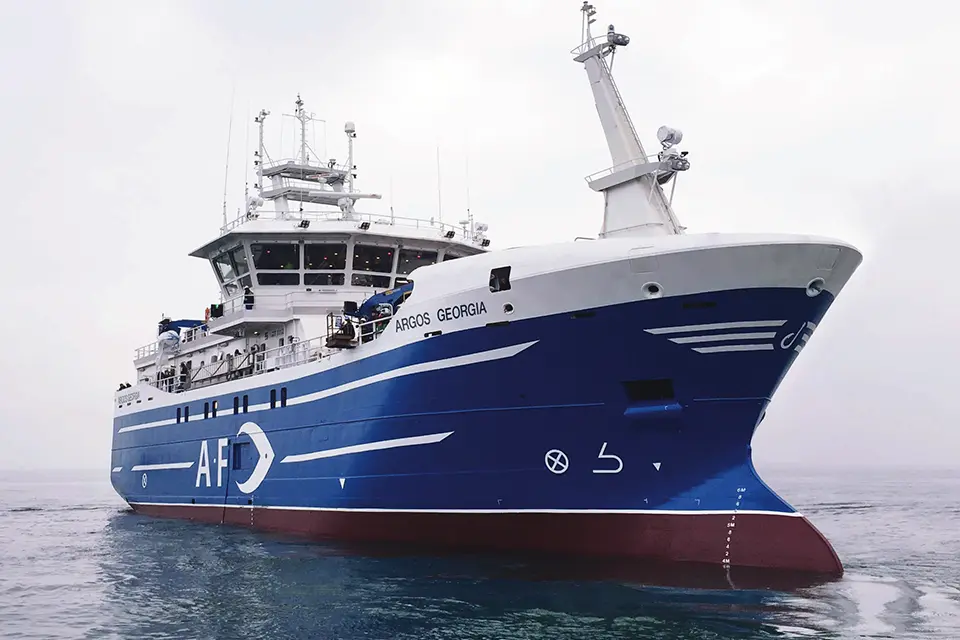
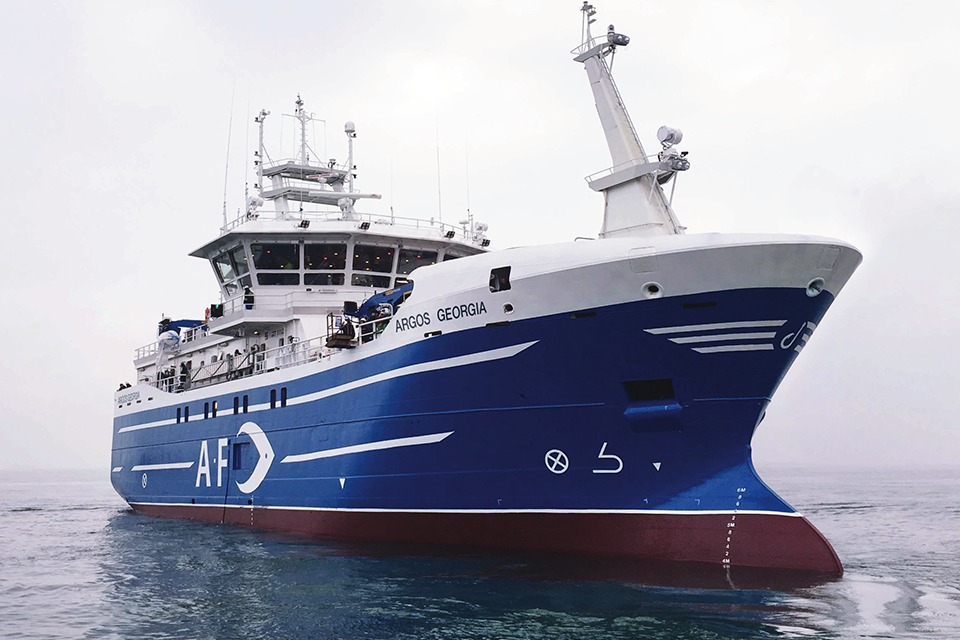
The release of the official Marine Accident Investigation Branch (MAIB) report into the catastrophic foundering of the St Helena-registered longline fishing vessel Argos Georgia marks a sobering milestone in modern commercial maritime history. The vessel, owned and operated by Argos Froyanes Limited, went down on July 22, 2024, approximately 190 nautical miles east of Port Stanley in the Falkland Islands. The disaster resulted in the heartbreaking loss of 13 lives, leaving an indelible mark on the international fishing community and raising profound questions regarding vessel safety, watertight integrity, and survival protocols in the world’s most inhospitable waters.
Operating in the remote, storm-lashed reaches of the South Atlantic, commercial fishing operations are subjected to environmental forces that test the absolute limits of human endurance and naval architecture. The Argos Georgia incident is not merely an isolated maritime accident; it serves as a harrowing case study in systemic vulnerabilities, mechanical cascading failures, and the critical margins of error when operating far beyond the immediate reach of conventional search and rescue (SAR) infrastructure.
Conducted by the UK MAIB on behalf of the Government of St Helena—under the governance framework of the Category 2 Red Ensign Group Memorandum of Understanding—the exhaustive investigation lays bare the sequence of events that transformed a routine commercial fishing expedition into a desperate fight for survival. By dissecting the fatal chain of events, the MAIB report provides critical insights into how breaches of watertight integrity can rapidly overwhelm even modern, well-equipped vessels, while simultaneously underscoring the absolute necessity of rigorous emergency preparedness, continuous crew training, and flawless crisis management.

Detailed Chronology of the Disaster
While the final MAIB report provides the definitive technical narrative of the sinking, understanding the tragedy requires a granular examination of the unfolding timeline on July 22, 2024, and the preceding conditions that set the stage for the disaster.
The Setting and the Voyage
The Argos Georgia was operating in the rich, highly competitive, and notoriously turbulent fishing grounds east of the Falkland Islands. As a modern, St Helena-registered longliner equipped for toothfish and finfish harvesting, the vessel was designed to withstand harsh sub-Antarctic conditions. However, the South Atlantic environment is notoriously unforgiving, characterized by rapidly deteriorating weather systems, sub-zero temperatures, mountainous seas, and ferocious gale-force winds that can materialize with little warning.
The Onset of Crisis
On the fateful day of July 22, the vessel encountered severe environmental conditions that severely tested its structural resilience. The exact sequence of events began when the vessel experienced a sudden and unmanageable ingress of water. In the lexicon of naval architecture, maintaining watertight integrity is the absolute first line of defense against catastrophic sinking. When compartments designed to keep the sea at bay are compromised—whether through structural failure, green water overwhelming deck openings, or damage sustained from shifting cargo and gear—the margin between controlled operations and total loss narrows drastically.
As water rapidly flooded critical lower spaces, the Argos Georgia began to lose buoyancy and stability. The cascading effects of progressive flooding quickly manifested: machinery spaces were threatened, electrical systems began to fail, and the vessel took on a severe, unrecoverable list.

The Abandon Ship Execution and Rescue Operations
Recognizing that the vessel was beyond saving, the master and crew faced the ultimate maritime dilemma: abandoning ship into the freezing, turbulent waters of the South Atlantic. Executing an abandonment under such extreme conditions demands absolute precision, unshakeable discipline, and flawless adherence to emergency checklists.
In environments where water temperatures can induce rapid-onset hypothermia within minutes, the speed and efficiency with which life rafts and survival equipment are deployed can mean the difference between life and death. Following the distress call, a complex and hazardous international search and rescue operation was launched, coordinating assets across vast distances in atrocious weather conditions. While dedicated rescue crews managed to pull survivors from the icy swells, the ultimate toll was devastating: 13 lives were lost, transforming the Argos Georgia into one of the most deadly commercial fishing disasters in recent regional memory.
Supporting Context & Metrics: The Hazards of Deep-Sea Fishing
To fully contextualize the findings of the Argos Georgia report, one must examine the broader socioeconomic and operational realities of deep-sea commercial fishing—an industry universally recognized as one of the most perilous occupations on Earth.
The Statistical Reality of Commercial Fishing Safety
According to international maritime safety organizations, commercial fishing consistently records fatality rates exponentially higher than standard shore-based industries, and frequently outstrips even merchant shipping and offshore oil and gas operations. The hazards are multifaceted:
- Extreme Environments: Operations frequently take place in remote ocean sectors far from air-sea rescue hubs, stretching response times to critical limits.
- Continuous Operations: Fishing vessels often operate on relentless schedules, leading to acute crew fatigue, which degrades situational awareness and emergency response times.
- Dynamic Stability Challenges: Unlike cargo vessels with fixed, secured loads, fishing vessels deal with shifting weights—hauling heavy catches aboard, managing dynamic loads on deck, and taking water over the bulwarks.
The Criticality of Watertight Integrity
The Argos Georgia disaster places a glaring spotlight on the engineering principles of vessel survivability. Watertight integrity relies on a comprehensive system of sealed bulkheads, watertight doors, hatches, air pipes, and automatic closing devices. In heavy seas, a single compromised seal, a jammed door, or an unsecured hatch can permit thousands of gallons of water to enter the hull per minute.
When flooding occurs in high-latitude environments, additional hazards emerge:
- Free Surface Effect: Uncontained water sloshing across wide compartments drastically destabilizes a vessel, accelerating the development of a fatal list.
- Weight Multiplication: The added weight of trapped water sinks the vessel deeper into the water column, reducing freeboard and exposing more openings to incoming waves.
- Power Failure: As water reaches auxiliary and main engines, electrical blackouts plunge the vessel into darkness, rendering internal communications, bilge pumps, and navigation equipment useless.
Official Statements and Regulatory Perspectives
The gravity of the Argos Georgia disaster is reflected in the official response from maritime authorities and the leadership of the Marine Accident Investigation Branch.
The Chief Inspector’s Assessment
Rob Loder, Chief Inspector of Marine Accidents at the MAIB, provided a stark and authoritative assessment of the tragedy, highlighting the non-negotiable standards required for operating in the planet’s harshest waters:
"This was a tragic accident resulting in the loss of 13 lives. Fishing in the remotest and most hostile parts of our oceans requires strict adherence to the maintenance of a vessel’s watertight integrity. Should a problem arise a quick, clear and efficient emergency plan should be executed. Training and safety drills provide the best chance of survival in such extreme circumstances."
This statement serves as the conceptual anchor of the entire investigative report. It bridges the gap between mechanical compliance—ensuring doors, seals, and pumps are in working order—and human factors, emphasizing that theoretical safety procedures are entirely dependent on the muscle memory and psychological readiness instilled by repetitive, realistic safety drills.
Jurisdictional and Legal Framework
The investigation was executed by the UK MAIB operating on behalf of the Government of St Helena. Because the Argos Georgia was registered in St Helena—a British Overseas Territory—the investigative mandate fell under the umbrella of the Category 2 Red Ensign Group Memorandum of Understanding. This cooperative framework ensures that even remote overseas territories benefit from the world-class investigative capabilities, technical expertise, and forensic rigor of the UK’s premier marine accident investigators.
Future Outlook: Lessons, Recommendations, and Industry Reform
The publication of an MAIB accident investigation report is never intended to merely chronicle past failures; its ultimate purpose is to act as a catalyst for systemic change, preventing future loss of life through informed regulatory adjustments and voluntary industry reform.
Enhancing Technological Safeguards
In the wake of the Argos Georgia sinking, naval architects and maritime safety experts are likely to re-evaluate the standards governing stability and damage control systems on longliners and similar commercial fishing vessels. Key areas for technological advancement include:
- Advanced Intrusion Detection: Implementing smart, redundant bilge and water-ingress sensor networks that provide instant, unambiguous warnings of localized flooding before it reaches a critical threshold.
- Automated Watertight Closure: Expanding the use of remotely operated, fail-safe watertight doors and hatches that can be closed instantaneously from the bridge in the event of an emergency.
- Enhanced Survival Craft Design: Improving the deployment mechanisms and structural durability of life rafts and marine evacuation systems designed to operate safely in sub-polar gale conditions.
Elevating Human Factors and Training Standards
As Chief Inspector Rob Loder emphasized, mechanical systems are only as reliable as the personnel operating them. Future regulatory updates resulting from this investigation are expected to focus heavily on the human element:
- Mandatory Realistic Drills: Moving beyond "paper compliance" to ensure that crews undergo unannounced, high-stress abandonment and damage control simulations tailored to cold-water environments.
- Crisis Management Protocols: Refining bridge resource management (BRM) training to ensure that masters and officers can rapidly delegate tasks, maintain clear communication during blackouts, and execute evacuation protocols without hesitation.
- Fatigue Management: Addressing systemic overwork in the commercial fishing sector, ensuring that crew members are adequately rested to maintain the hyper-vigilance required in hazardous operating zones.
Conclusion
The foundering of the Argos Georgia is a profound tragedy that reverberates far beyond the shores of St Helena and the Falkland Islands. By laying bare the mechanical and human factors that led to the loss of 13 lives, the MAIB report provides the global maritime community with a solemn reminder of the ocean’s unforgiving nature. It is now incumbent upon vessel owners, regulatory bodies, and fishing crews worldwide to absorb these critical lessons, honoring the memory of those lost by transforming investigative insights into uncompromising standards of safety at sea.


