






Executive Overview
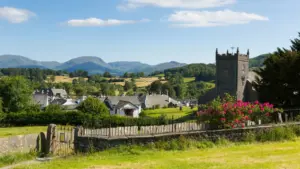
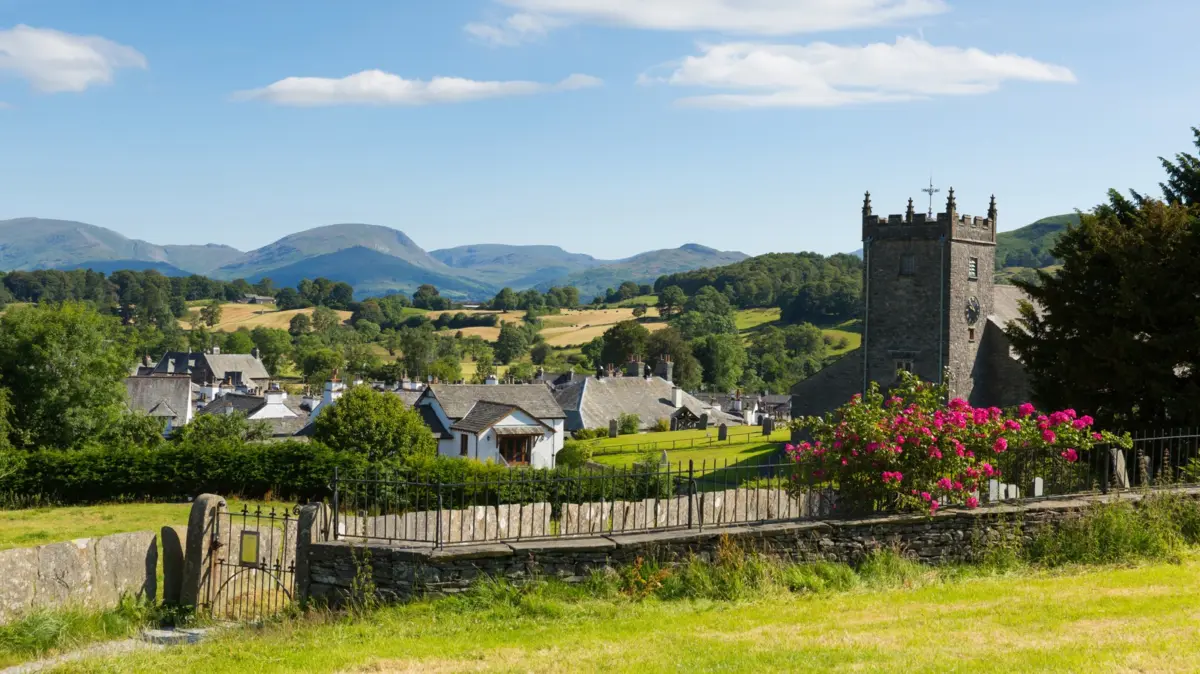
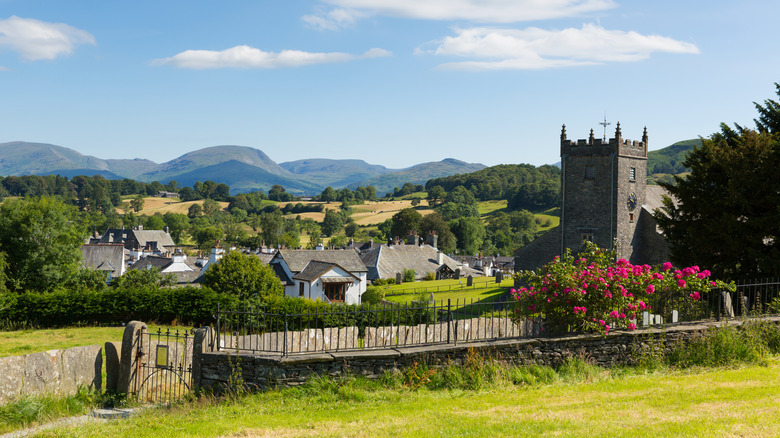
Tucked away in the emerald folds of England’s Lake District National Park, far from the monotonous drone of highway traffic and the sprawl of modern urbanization, lies the medieval village of Hawkshead. Positioned strategically between Lancaster to the south and Keswick to the north, this settlement offers a masterclass in heritage preservation. Characterized by its jumble of centuries-old, whitewashed stone cottages, atmospheric slate roofs, and winding cobblestone lanes, Hawkshead operates under a strict pedestrian-only ethos. By banning motorized vehicles from its historic core, the village has managed to retain an air of profound tranquility, allowing visitors to experience the rhythm of rural English life as it existed centuries ago.
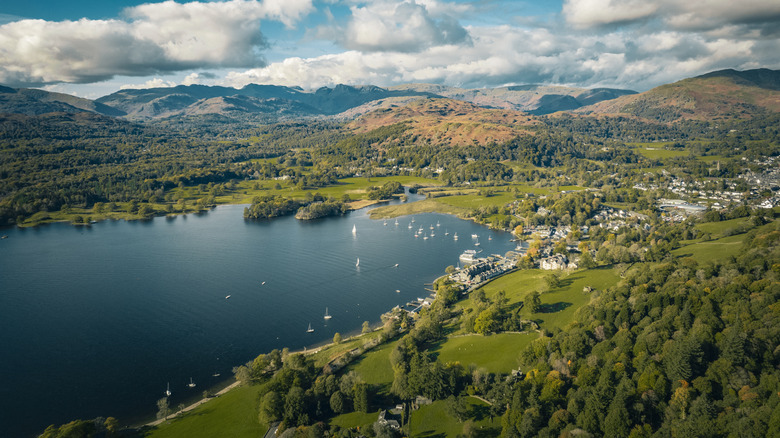
Rooted deeply in a rich commercial and literary history—having grown from a thriving 13th-century wool market into an epicenter of inspiration for cultural titans like Beatrix Potter and William Wordsworth—Hawkshead serves as an ideal base for modern travelers. Beyond its architectural pedigree, the village is bracketed by three distinct bodies of water: Esthwaite Water, Windermere, and Coniston Water. Each lake provides a diverse array of aquatic pursuits, from tranquil trout fishing and osprey-watching to historic steam yacht excursions. Combined with a thriving ecosystem of artisan food producers, independent craft galleries, and cozy country pubs, Hawkshead represents a compelling intersection of historical integrity, natural splendor, and sustainable rural tourism.
Detailed Chronology: The Evolution of Hawkshead
To truly appreciate the architectural and cultural fabric of Hawkshead, one must trace its journey through the centuries—from monastic enterprise to literary haven.
The Monastic Origins and the Wool Trade (13th to 15th Century)
The history of Hawkshead is inextricably bound to the ecclesiastical powers of the Middle Ages. In the 13th century, monks from Furness Abbey recognized the agricultural and commercial potential of the surrounding valleys, which were ideal for sheep farming. Establishing a thriving market in the settlement, the monks transformed Hawkshead into a bustling commercial hub for the region’s burgeoning wool trade.
As wealth flowed into the village, permanent structures began to replace temporary wooden booths. The legacy of this era remains etched into the landscape: resilient Lakeland sheep still dot the surrounding green valleys, and the footprints of the original medieval street plans dictate the layout of the village today.
Architectural Milestones and Ecclesiastical Heritage (14th to 17th Century)
The architectural timeline of Hawkshead is punctuated by enduring stone monuments that have survived wars, plagues, and industrial revolutions:
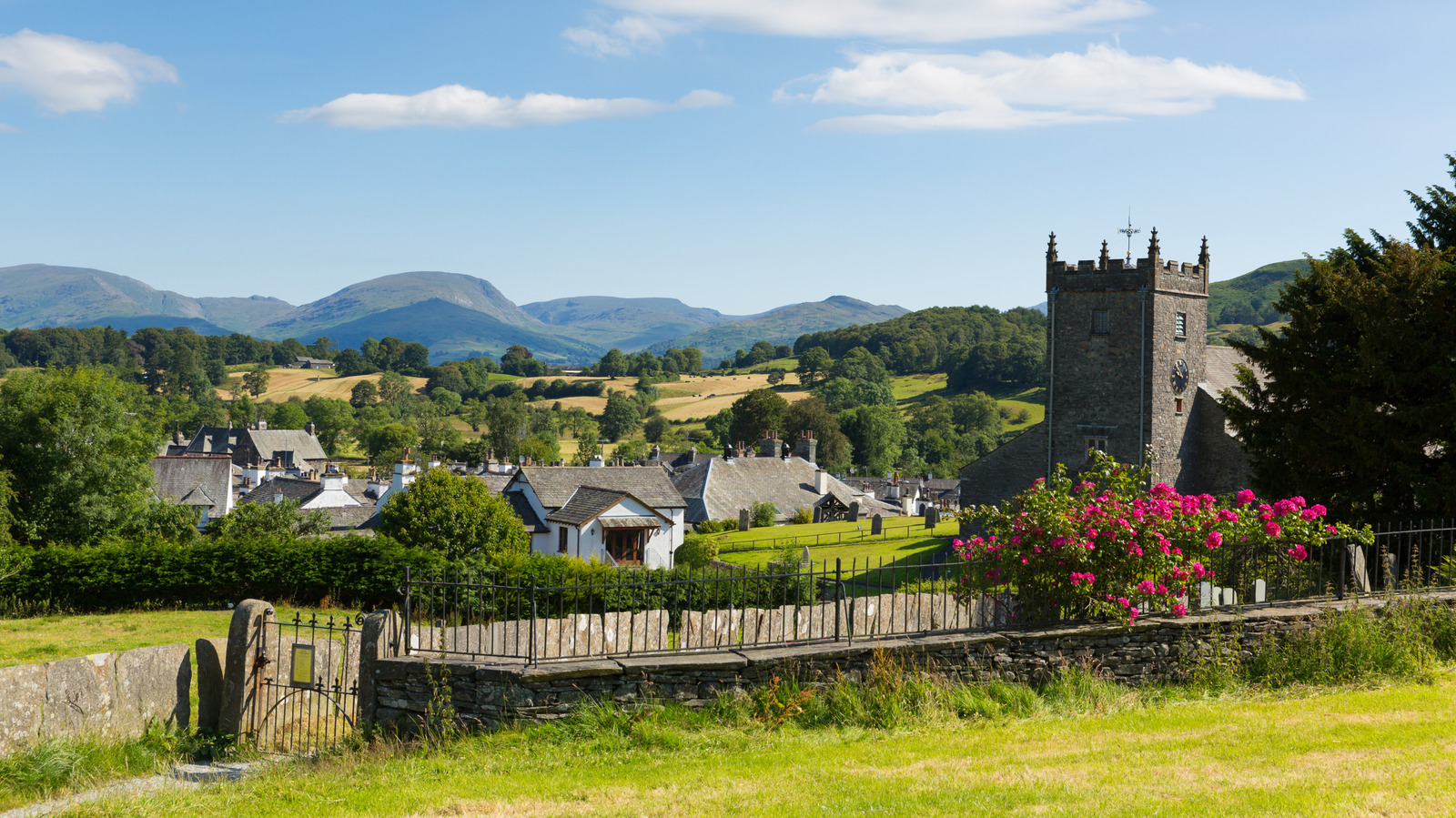
- 1300: Construction of St. Michael and All Angels Church begins. Perched on a hill overlooking the village, this parish church features striking Romanesque arches and houses remarkable biblical paintings dating back to 1680.
- 15th Century: The establishment of the Hawkshead Courthouse just off Main Street. Erected to administer justice and manage the monastic estates, it stands today as one of the finest examples of medieval architecture in Cumbria.
- 1585: The founding of Hawkshead Grammar School, an institution that would later shape the minds of some of Britain’s most celebrated historical figures, most notably the poet William Wordsworth.
The Literary Renaissance (Late 18th to Early 20th Century)
As the industrial era transformed much of urban Britain, Hawkshead remained insulated by its geography, preserving an idyllic rural landscape that caught the attention of the Romantic movement and children’s literature pioneers:

- William Wordsworth: Sent to board at Hawkshead Grammar School following the death of his mother, the young Wordsworth spent his formative years roaming the surrounding fells and lakes. The landscape deeply influenced his poetic sensibilities, serving as a primary muse for his autobiographical masterpiece, The Prelude.
- Beatrix Potter: Captivated by the pastoral beauty of the Esthwaite Valley and surrounding fells, the beloved author and conservationist spent decades intimately connected to the area. Her literary works—including tales featuring characters like Tabitha Twitchit—are deeply rooted in the Cumbrian countryside, cementing Hawkshead’s status as a pilgrimage site for readers worldwide.
Supporting Context & Metrics: Navigating the Car-Free Village
Operating as a living museum while maintaining a vibrant local economy requires careful logistical management, particularly regarding transportation and visitor infrastructure.
Geographic Positioning and Accessibility
Hawkshead occupies a strategic location within the Lake District National Park, acting as a natural gateway for explorers traversing the park’s central and southern sectors:
- Distance to Keswick: Approximately 22 miles north via scenic regional roads.
- Distance to Lancaster: Approximately 39 miles south via the A591 and local byways.
- Distance to Windermere: Approximately 5 miles east.
- Distance to Coniston: Approximately 5 miles west.
The Pedestrian-Only Mandate
To safeguard its historic stone-paved lanes and maintain an atmosphere of quiet contemplation, vehicular traffic is strictly prohibited within the core of Hawkshead.
- Parking Infrastructure: A large, multi-space municipal parking lot is located immediately outside the village perimeter. Visitors leave their vehicles here and enter the settlement via short, accessible walking paths.
- Public Transit Integration: For travelers relying on sustainable transport, Stagecoach bus route 505 provides regular services linking Hawkshead directly to major regional transport hubs such as Ambleside and Coniston.
The Tri-Lake Ecosystem Metrics
Hawkshead’s appeal is exponentially magnified by its proximity to three major aquatic zones, each offering distinct recreational capacities:
| Lake Name | Distance from Village | Primary Activities | Key Infrastructure |
|---|---|---|---|
| Esthwaite Water | 1–2 miles south | Trout fishing, osprey-watching, wildlife photography | Boat rentals, guided tours, waterside café |
| Windermere | 5 miles east | Lake cruising, kayaking, wooden rowing, sightseeing | Ash Landing cruise pier, Bowness boat hire facilities |
| Coniston Water | 5 miles west | Paddleboarding, canoeing, heritage steam yacht tours | Coniston Boating Centre, Steam Yacht Gondola |
Official Statements & Expert Perspectives
Local conservationists, long-term residents, and regional tourism authorities frequently emphasize the delicate balance required to preserve Hawkshead’s medieval identity while accommodating global visitors.
"Living in the Lake District for over two decades has afforded me a front-row seat to the seasonal transformation of our historic settlements," notes a long-time regional resident and travel chronicler. "What sets Hawkshead apart is its refusal to succumb to modern vehicular clutter. By channeling cars into peripheral lots and forcing visitors to slow down and enter on foot, the village naturally curates an unhurried, contemplative atmosphere that is increasingly rare in the 21st century."
National Trust representatives and local heritage curators also highlight the community-driven efforts to maintain architectural integrity:
"The medieval courthouse and our 14th-century parish church are not merely static displays; they are active touchstones of Cumbrian identity," explains a local heritage guide. "When visitors request the key from our village shop to step inside the medieval courthouse, they are engaging in a tactile form of history that cannot be replicated behind glass screens in a metropolitan museum."
Furthermore, local artisans and independent merchants emphasize the economic sustainability of the village’s micro-economy.
"Our shops do not cater to mass-market souvenir production," says a representative from the Hawkshead business collective. "From locally sourced Herdwick wool crafts to artisanal preserves like the Hawkshead Relish Company’s Damson Ketchup, every storefront tells a story of the land and the people who work it."
Future Outlook: Preservation, Sustainability, and Tourism
As global interest in slow travel and sustainable tourism surges, Hawkshead faces both promising opportunities and distinct challenges in the years ahead.
Embracing the "Slow Travel" Movement
Modern tourism trends increasingly favor destinations that prioritize ecological sustainability, heritage preservation, and low-impact exploration. Hawkshead’s car-free mandate positions it as a pioneer in rural green tourism. Future municipal planning initiatives aim to further enhance pedestrian pathways, expand bicycle-sharing networks connecting the village to surrounding fells, and improve electric vehicle (EV) charging infrastructure at the peripheral parking zones.
Balancing Conservation and Visitor Volume
Maintaining the delicate infrastructure of medieval stone buildings while welcoming hundreds of thousands of annual visitors requires rigorous stewardship. The Lake District National Park Authority, in partnership with local landowners and the National Trust, continues to monitor footpath erosion, manage waste processing efficiently, and promote off-peak travel to distribute visitor density evenly throughout the calendar year.
Sustaining Artisan Traditions
The vitality of Hawkshead depends heavily on the survival of its independent trade ecosystem—from traditional bakeries producing Grasmere Gingerbread to specialized wool-felting workshops and boutique bookstores like Tabitha Twitchit’s. Ensuring that commercial rents remain accessible to local creators and small-business owners will be vital in preventing the village from morphing into an uninhabited open-air museum. By safeguarding these living traditions, Hawkshead ensures that future generations will continue to experience not just the physical remnants of a medieval market town, but a breathing, thriving Cumbrian community.