








Executive Overview
While Scotland’s architectural landscape is internationally renowned for its dramatic stone towers, imposing battlements, and storied fortresses, travelers often fixate on the most famous landmarks. In the heart of Edinburgh, the iconic Edinburgh Castle dominates the skyline, drawing millions of global visitors annually to its volcanic crag. Yet, just a few miles southeast of the bustling city center lies a remarkably preserved, lesser-known marvel that offers an even more intimate portal into Scotland’s turbulent medieval past: Craigmillar Castle.
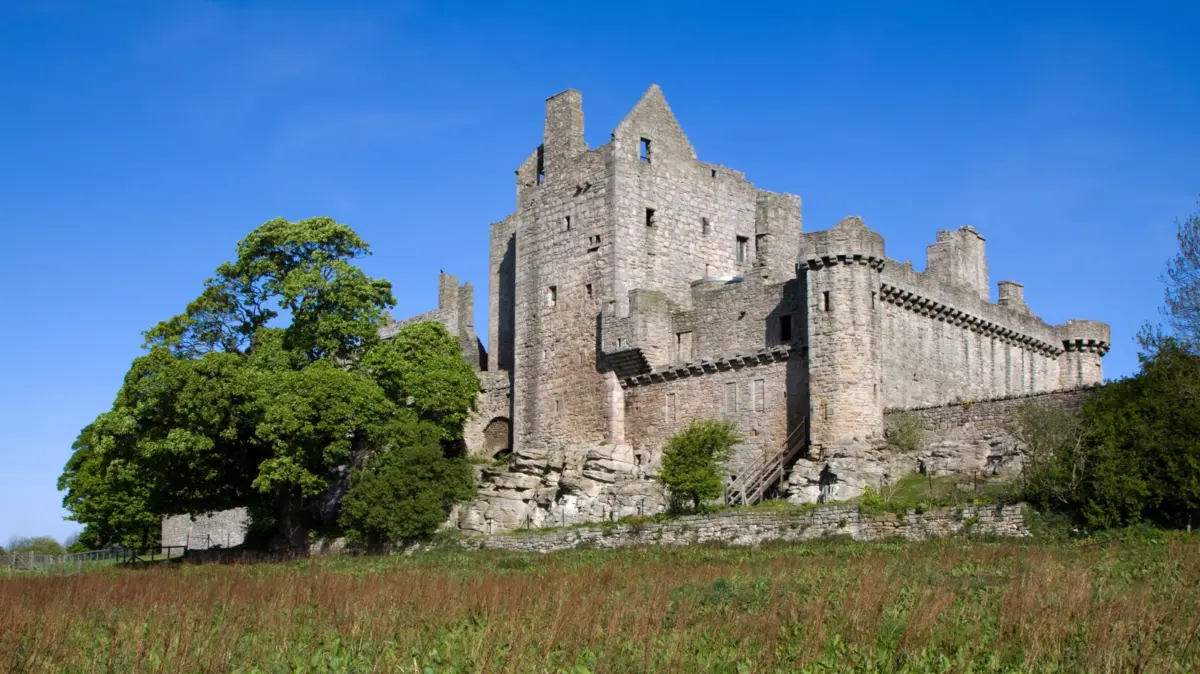
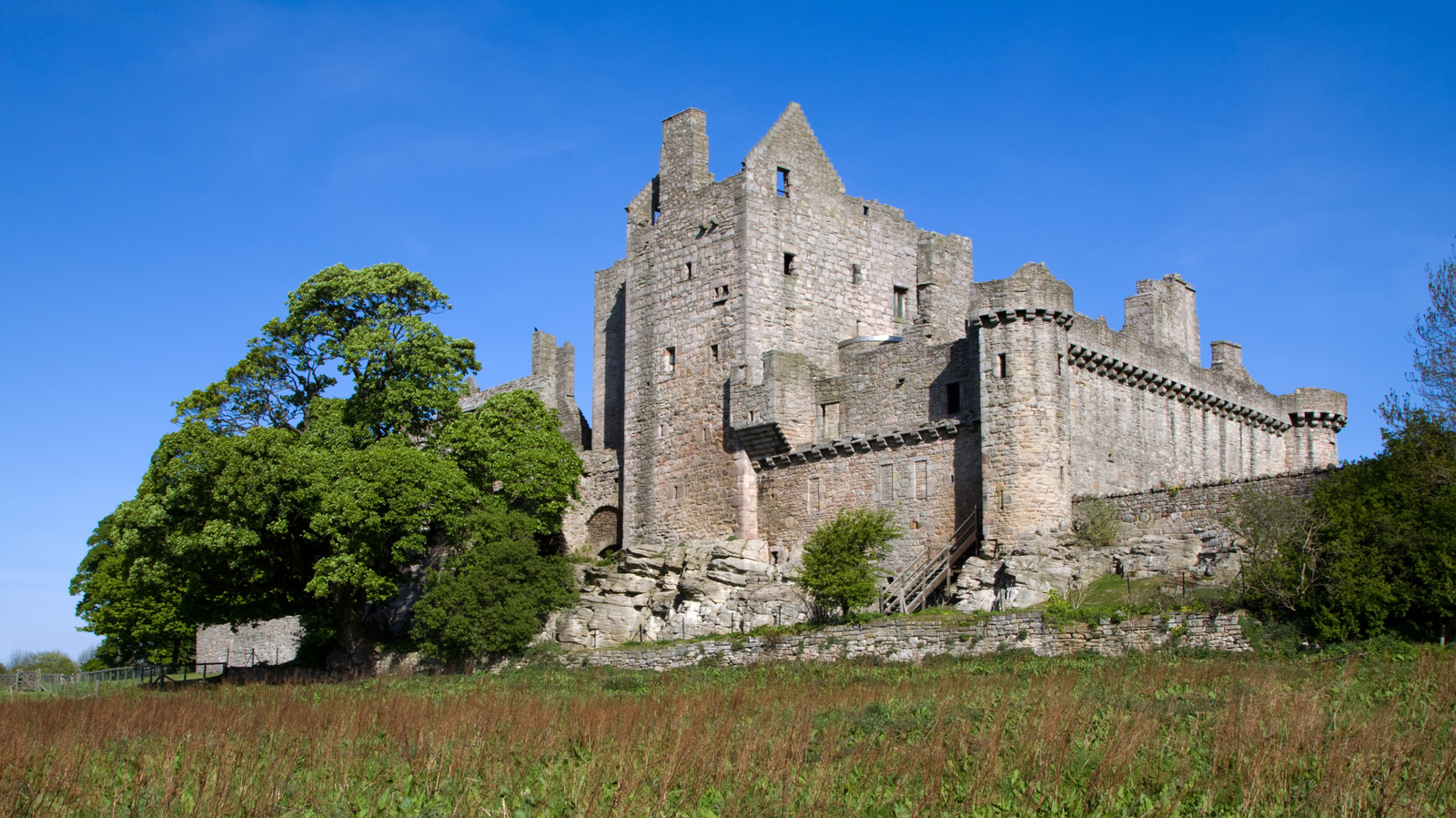
Often cited among Europe’s most enchanting hidden architectural gems, Craigmillar Castle is celebrated for its imposing late-14th-century tower house, labyrinthine stone chambers, and an extensive network of courtyards, defensive walls, and gardens. Far removed from the suffocating tourist congestion of the Old Town, this sprawling ruin invites history enthusiasts and casual travelers alike to explore a site where royal conspiracies were hatched, notable historical figures sought refuge, and centuries of architectural evolution remain preserved in stone.
This comprehensive report examines Craigmillar Castle through multiple lenses: its deep historical chronology, its unique architectural layout, its operational logistics for contemporary visitors, and its strategic place within Scotland’s broader cultural tourism framework. By peeling back the layers of its fascinating past, modern visitors can better appreciate why this weathered fortress remains one of the crown jewels of Scotland’s heritage estate.
Detailed Chronology: From Feudal Origins to Romantic Ruin
The historical narrative of Craigmillar is a complex tapestry woven from noble ambitions, royal alliances, sudden betrayals, and eventual abandonment. To understand the castle as it stands today, one must trace its evolution across more than six centuries of Scottish history.
The Preston Dynasty and Early Foundations (Late 14th Century)
The origins of Craigmillar date back to the late 1300s. In 1374, King Robert II granted the lands of Craigmillar to Sir Simon Preston. Prior to this royal charter, the lands had been held by the Craigmillar family since the mid-13th century, but the Prestons transformed the estate into a formidable seat of power.
Recognizing the strategic advantages of the elevated volcanic ridge, the Preston family initiated construction on the core of the fortress: a stout, highly defensible tower house. Completed around the turn of the 15th century, this primary tower was designed not merely as a comfortable noble residence, but as an unyielding defensive structure capable of withstanding regional skirmishes and border raids.
Destruction, Expansion, and Royal Connections (16th Century)
Peace, however, was rarely permanent in medieval Scotland. In 1544, during the period of conflict known as the "Rough Wooing"—an aggressive campaign launched by King Henry VIII of England to force a marriage between the infant Mary, Queen of Scots, and his son Edward—Craigmillar Castle suffered severe damage. English forces, under the command of the Earl of Hertford, burned and sacked Edinburgh and its surrounding fortifications, including Craigmillar.
Rather than abandoning the ruined estate, the Preston family embarked on an ambitious reconstruction and expansion program. They repaired the core tower and vastly expanded the surrounding defensive architecture. It was during this mid-to-late 16th-century renaissance that the castle acquired its magnificent curtain walls, specialized gunholes, family lodgings, and formal gardens.
The Shadow of Mary, Queen of Scots (1566–1567)
Craigmillar’s most significant claim to national history occurred in the autumn of 1566. Mary, Queen of Scots, seeking tranquility and a respite from the political machinations of Edinburgh, arrived at the castle to convalesce following a severe illness.
During her stay, Craigmillar became the backdrop for one of the most consequential conspiracies in Scottish history. Dissatisfied nobles, including the Earl of Bothwell and the Earl of Huntly, gathered at the fortress to discuss how to deal with the Queen’s deeply unpopular husband, Henry Stuart, Lord Darnley. The resulting secret pact, known historically as the "Craigmillar Bond," laid the groundwork for Darnley’s assassination in February 1567.
Adding a striking twist of historical irony, Sir Simon Preston—the owner of the castle and a loyal supporter of the Queen—was appointed as Mary’s jailer just one year later, following her imprisonment at Lochleven Castle.
Decline and the Romantic Era (18th Century Onward)
As the centuries progressed, the fortunes of the Preston family waned. By the early 1700s, the castle had passed out of Preston hands, eventually acquired by Sir John Gilmour, Lord President of the Court of Session. Finding the medieval fortress increasingly drafty, outdated, and unsuited for contemporary aristocratic comfort, the Gilmours abandoned Craigmillar in the 18th century in favor of more modern residential accommodations nearby.
Left completely unoccupied, the castle slowly transitioned into a picturesque ruin. By the 19th century, during the height of the Romantic movement, Craigmillar’s ivy-clad stone walls, crumbling battlements, and melancholic atmosphere captured the imaginations of Romantic-era painters, poets, and travelers. Rather than being subjected to modern architectural alterations, the abandoned fortress was largely left untouched, preserving its authentic medieval and Renaissance structural anatomy for future generations.
Supporting Context & Metrics: Architectural Anatomy and Visitor Data
To truly appreciate Craigmillar Castle, one must examine the physical dimensions and specialized design features that set it apart from standard military fortifications.
Structural Dimensions and Defensive Engineering
- The Tower House: Reaching a height of over 50 feet, the late-14th-century core tower boasts defensive walls measuring nearly 10 feet in thickness. This incredible mass provided both superior insulation against the harsh Scottish winters and robust resistance against early artillery fire.
- The Great Hall: Situated on the first floor of the original tower, this expansive chamber served as the social and administrative heart of the estate, anchored by a grand stone fireplace designed to heat the cavernous room.
- Curtain Walls and Gunholes: Constructed during the 16th-century expansions, the outer courtyard walls feature specialized, keyhole-shaped gunholes. These apertures allowed defenders to fire early firearms while maintaining maximum physical protection.
- The "P" Fishpond: Located in the agricultural fields immediately south of the complex, the Prestons engineered a monumental fishpond shaped in the letter "P," a clear and permanent heraldic nod to their family name.
Comparative Tourism Metrics
While Edinburgh Castle attracts upwards of two million visitors annually, creating significant pedestrian density along the Royal Mile, Craigmillar Castle remains a tranquil sanctuary. Industry estimates and heritage reports indicate that Craigmillar receives a fraction of that foot traffic, making it an ideal destination for travelers seeking an authentic, unhurried historical immersion.
| Feature / Metric | Edinburgh Castle | Craigmillar Castle |
|---|---|---|
| Primary Era | 12th to 20th Century | 14th to 18th Century |
| Annual Foot Traffic | High (Mass Tourism Hub) | Low to Moderate (Hidden Gem) |
| Crowd Density | Dense, requires timed-entry booking | Spacious, relaxed exploration |
| Architectural State | Heavily restored & garrisoned | Well-preserved medieval ruin |
| Key Historical Figure | David I, Mary of Gueldres | Mary, Queen of Scots |
Official Statements and Heritage Management
Preserving a site that spans more than six hundred years of continuous exposure to the elements requires meticulous oversight, scientific conservation methodologies, and community engagement. Historic Environment Scotland (HES), the public body charged with managing and promoting the nation’s historic environment, oversees the preservation of Craigmillar Castle.
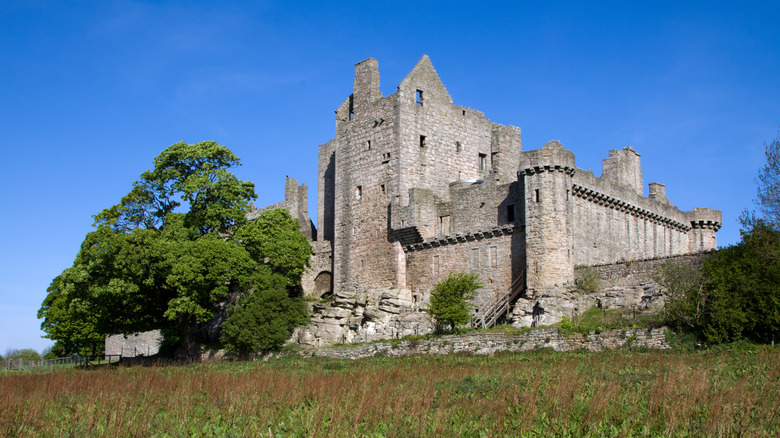
In recent stakeholder briefings, conservation architects at HES emphasized the delicate balance between structural stabilization and aesthetic preservation. "Our primary objective at Craigmillar is not to reconstruct the castle to a fictitious state of pristine completion, but rather to preserve its authentic, weathered integrity," notes the HES conservation team. "Every intervention—whether it is repointing ancient stonework with traditional lime mortar or securing loose battlements—is executed with the utmost respect for the original 14th- and 16th-century craftsmanship."
Furthermore, local cultural boards have increasingly highlighted Craigmillar as an essential component of Edinburgh’s decentralized tourism strategy. By encouraging visitors to venture beyond the medieval core of the Old Town and explore southeastern Edinburgh, heritage authorities aim to alleviate urban congestion while distributing the economic benefits of cultural tourism to peripheral neighborhoods.
Future Outlook: Operational Logistics and Upcoming Events
For contemporary travelers planning an excursion to Scotland, Craigmillar Castle offers exceptional accessibility, affordability, and immersive programming.
Getting There and Visitor Information
Located approximately 4 miles southeast of Edinburgh’s city center, the castle is easily reachable via public transit. Visitors can board a direct bus from central locations such as St. Andrew Square, with the total journey taking roughly 45 minutes.
Upon arrival, guests encounter a modest admission fee—discounted for those who book tickets online in advance through official heritage portals. Unlike heavily regulated monuments that require rigid, guided group tours, Craigmillar encourages self-guided exploration. Visitors are free to wander independently through the maze of spiraling stone staircases, peer out from the towering battlements, and inspect the ancient courtyards at their own pace.
2026 Special Programming and Seasonal Events
Looking ahead, heritage curators are expanding the site’s calendar to include interactive seasonal events designed to engage families and history buffs alike. The upcoming 2026 calendar features specialty programming, most notably the popular "Halloween Shenanigans" day. This family-friendly event combines historical storytelling with exotic animal encounters, leaning into Scotland’s well-earned reputation as one of Europe’s premier destinations for atmospheric ghost lore, folklore, and historical scares.
As cultural tourism continues to evolve, sites like Craigmillar Castle prove that Scotland’s rich heritage extends far beyond its most famous postal codes. By offering a harmonious blend of architectural resilience, dark royal intrigue, and tranquil parkland trails, Craigmillar stands as an enduring testament to the complexity and romance of the Scottish medieval experience.