







Executive Overview
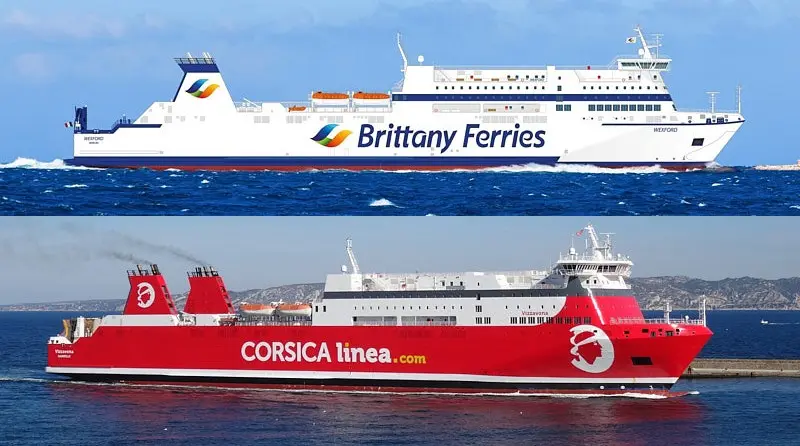
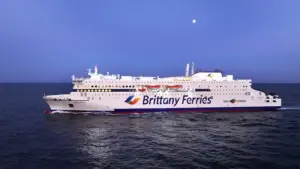
In a major strategic operational shift designed to consolidate its footprint along direct European trade lanes, Brittany Ferries has formally secured a long-term charter for the RoPax vessel Vizzavona. Set to enter active service under the operator’s banner in March 2027, the ship will be renamed Wexford and deployed primarily on the vital Cherbourg–Rosslare maritime corridor.
The introduction of Wexford marks the fulfillment of a firm commitment by Brittany Ferries to replace the Norbay—a vessel currently operating on a temporary charter—with a high-capacity, dedicated French-flagged RoPax vessel crewed entirely by French seafarers. The transition addresses a critical operational bottleneck: while Norbay provided essential interim freight capacity, its limited cabin infrastructure severely constrained the company’s ability to tap into booming seasonal passenger and holiday traffic between Ireland and Continental Europe.
+-----------------------------------------------------------------------------------+
|                        BRITTANY FERRIES IRISH NETWORK 2027                        |
+--------------------------+-----------------------+--------------------------------+
| Route                    | Weekly Return Trips   | Primary Vessels Assigned       |
+--------------------------+-----------------------+--------------------------------+
| Cherbourg <-> Rosslare   | Up to 7               | Wexford (ex-Vizzavona),        |
|                          |                       | Salamanca, Armorique           |
| Rosslare <-> Bilbao      | 2                     | Salamanca, Clipper             |
| Cork <-> Roscoff         | 2                     | Pont-Aven                      |
+--------------------------+-----------------------+--------------------------------+
By introducing Wexford, Brittany Ferries will optimize its dual-revenue model—simultaneously expanding its leisure passenger capacity while maintaining robust roll-on/roll-off (Ro-Ro) freight capability. The ship will join a modernized, integrated fleet operating across the operator’s Irish network, alongside Salamanca, Clipper, Armorique, and the flagship Pont-Aven. Together, these five vessels will maintain up to eleven weekly return sailings connecting Ireland directly with France and Spain, cementing a resilient supply chain link that bypasses the United Kingdom.
Detailed Chronology
  2020–2021           2023–2024              LATE 2025              MARCH 2027
+--------------+    +------------------+    +------------------+    +-------------------+
| Post-Brexit  |    | Charter of       |    | Long-Term        |    | Delivery, Re-flag |
| Traffic Surge| -> | Interim Tonnage  | -> | Agreement for    | -> | & Entry as        |
| Direct Routes|    | (Norbay Deployment)   | Vizzavona Signed |    | WEXFORD           |
+--------------+    +------------------+    +------------------+    +-------------------+
Phase I: Post-Brexit Traffic Surge and Route Realignment (2020–2021)
Following the formal exit of the United Kingdom from the European Union single market and customs union, European freight transport underwent a fundamental structural shift. The traditional "UK Landbridge"—the land route across Great Britain historically favored by Irish hauliers for its speed—became subject to customs checks, administrative friction, and potential port delays.
In response, logistics operators pivoted toward direct sea routes linking southern and eastern Irish ports directly with France and Spain. Brittany Ferries responded rapidly, expanding its service footprint out of Rosslare Europort and Cork to absorb the influx of Ro-Ro cargo seeking unhindered transit within the EU internal market.
Phase II: The Interim Tonnage Era and Passenger Bottlenecks (2023–2024)
To rapidly satisfy freight demand on the Cherbourg–Rosslare run, Brittany Ferries secured temporary charter tonnage, culminating in the deployment of the RoPax vessel Norbay. Built primarily for short-sea freight distribution, Norbay proved effective at moving unaccompanied trailers and commercial driver-accompanied loads.
However, as post-pandemic travel resumed and passenger appetite for direct car-ferry travel between Ireland and Continental Europe expanded, Norbay’s structural limitations became apparent. With minimal passenger staterooms and modest public amenities, the ship created a commercial ceiling during peak holiday seasons. Passenger space was consistently oversubscribed, forcing the operator to turn away lucrative tourist traffic while running vessel space that could otherwise support commercial vehicles and private cars simultaneously.
Phase III: Negotiation and Fleet Strategy Realignment (Late 2025)
Recognizing the necessity of a balanced RoPax solution, Brittany Ferries engaged in extensive market evaluations to secure vessel tonnage capable of satisfying both freight lane-meter requirements and passenger cabin standards. The search culminated in a agreement to charter Vizzavona, a proven RoPax vessel currently operating in the Mediterranean.
The agreement included key operational conditions: the vessel would undergo custom modification, re-flagging under the French Pavilion (Pavillon Français), and renaming to Wexford, honoring the Irish county that houses Rosslare Europort.
Phase IV: Delivery, Dry-docking, and Handover (Early 2027)
Vizzavona will officially be handed over to Brittany Ferries ahead of the March 2027 operational launch. Prior to entering scheduled service, the vessel will undergo targeted dry-dock refurbishments to align its interior accommodations, digital systems, passenger venues, and livery with Brittany Ferries’ brand standards. The ship will be crewed by professional French maritime personnel, fulfilling the company’s commitment to maintaining high labor standards across its fleet.
Supporting Context & Metrics
Comparative Tonnage Analysis: Norbay vs. Wexford (ex-Vizzavona)
The transition from Norbay to Wexford represents a massive upgrade in operational capacity, structural balance, and passenger comfort. Vizzavona brings a modern maritime architectural layout characterized by expansive lane meters for wheeled freight alongside dedicated, modern cabin accommodation decks.
+-----------------------------------+-----------------------+-----------------------+
| TECHNICAL / OPERATIONAL METRIC    | NORBAY (INTERIM)      | WEXFORD (EX-VIZZAVONA)|
+-----------------------------------+-----------------------+-----------------------+
| Length Overall (LOA)              | ~174.3 meters         | ~186.3 meters         |
| Beam (Width)                      | 25.0 meters           | 25.6 meters           |
| Gross Tonnage (GT)                | ~17,464 GT            | ~25,900 GT            |
| Freight Capacity (Lane Meters)    | ~2,000 meters         | ~2,500 meters         |
| Passenger Capacity                | ~114 passengers       | ~800 passengers       |
| Cabin Accommodation               | ~125 berth spaces     | ~190+ passenger cabins|
| Primary Crewing Flag State        | Variable / Charter    | French Flag (RIF)     |
+-----------------------------------+-----------------------+-----------------------+
Operational Metrics of the Expanded Irish Network
The arrival of Wexford in March 2027 will complete a unified five-vessel network architecture connecting Rosslare and Cork to Cherbourg, Roscoff, and Bilbao.
       [ CORK ] <======== 2x Weekly ========> [ ROSCOFF ]
          ||                                      ||
          ||                                      ||
     [ ROSSLARE ] <====== 7x Weekly ========> [ CHERBOURG ]
          ||
||============ 2x Weekly ===========> [ BILBAO ]- Cherbourg – Rosslare Axis: Up to 7 weekly return sailings. Served by Wexford, alongside support sailings by Salamanca and Armorique.
- Rosslare – Bilbao Axis: 2 weekly return sailings. Operated primarily by the LNG-powered E-Flexer vessel Salamanca and the freight-centric Clipper.
- Cork – Roscoff Axis: 2 weekly return sailings. Served by the operator’s flagship, Pont-Aven, focusing on tourism and high-volume seasonal passenger traffic.
Strategic Flag and Labor Policy
A cornerstone of Brittany Ferries’ corporate identity is its commitment to the French flag state (Pavillon Français) and the employment of French mariners. Amid growing European regulatory scrutiny regarding social dumping and open-registry flags of convenience in Irish Sea and English Channel operations, Brittany Ferries’ choice to place Wexford under the French registry guarantees:
- Full Compliance with Social Legislation: Alignment with stringent French maritime labor standards, guaranteeing high wage baselines, structured work patterns, and extensive social protections.
- High Safety Standards: Full oversight by French maritime safety authorities (Affaires Maritimes), maintaining rigorous crew training and operational discipline.
- Service Continuity: A stable, professionalized workforce, mitigating high turnover rates often seen in lower-cost flag arrangements.
Official Statements
Corporate and Strategic Leadership Perspective
In executive remarks addressing the fleet charter, Brittany Ferries highlighted the strategic importance of aligning vessel capabilities with evolving market demands along the direct Ireland-France route:
"The chartering of Vizzavona—soon to be Wexford—marks a pivotal milestone in our long-term strategy for the Irish Sea corridor. When direct demand surged post-Brexit, our priority was to deploy capacity quickly to keep direct European trade moving. Norbay performed admirably in providing that immediate bridge.
However, long-term commercial success on the Cherbourg–Rosslare route requires a true RoPax model. Wexford provides the exact operational balance we need: expansive lane meters for our freight customers and high-quality cabin accommodation for leisure passengers and holidaymakers. Crucially, deploying Wexford under the French flag with our own French seafarers honors our founding values and commitment to operational excellence."
Port and Logistics Infrastructure Perspectives
Industry stakeholders across Irish and French ports welcomed the introduction of dedicated, high-capacity tonnage along the Celtic Highway:
"The confirmation of a permanent, high-capacity French-flagged vessel on the Rosslare–Cherbourg run provides much-needed certainty for the entire supply chain. Importers, exporters, and tourism bodies require reliability and capacity.
Moving from an interim freight-heavy charter to a modern, fully featured RoPax like Wexford secures year-round connectivity, supports economic links between Ireland and France, and builds further resilience into the direct maritime routes that bypass Great Britain."
Future Outlook
Decarbonization and Fleet Modernization Trends
The integration of Wexford in 2027 coincides with Brittany Ferries’ ongoing fleet modernization program. The company has invested heavily in cleaner propulsion technologies, introducing Liquefied Natural Gas (LNG) and hybrid-electric vessels (such as Salamanca and Santoña) across its wider European network.
While Wexford relies on conventional marine propulsion systems, its addition frees up overall fleet flexibility, allowing Brittany Ferries to route its most energy-efficient vessels where they can maximize fuel economy and minimize environmental impact per freight unit and passenger kilometer.
BRITTANY FERRIES FLEET TRANSITION MATRIX (2020-2030)
=============================================================================
Legacy Tonnage          Interim Charters        Modernized Fleet Target (2027+)
----------------        ----------------        -------------------------------
• Older Ro-Ro / Pax  -> • Norbay             -> • Wexford (ex-Vizzavona)
• High Emissions        • Limited Passenger     • Balanced RoPax Architecture
• Conventional Fuel      Cabins                 • LNG / Hybrid Fleet Integration
                                                • Full French Flag Compliance
Market Dynamics along the Celtic Interconnector Axis
By 2027, direct sea traffic between Ireland and Continental Europe will enter a mature, highly competitive phase. Competitors on the Irish Sea and Celtic Sea routes—including Stena Line, Irish Ferries, and DFDS—have similarly upgraded tonnage and increased frequencies to secure market share.
Brittany Ferries’ multi-port strategy (spanning Rosslare, Cork, Cherbourg, Roscoff, and Bilbao) creates a flexible network that connects regional economies directly, bypassing heavily congested land corridors.
The deployment of Wexford positions Brittany Ferries to capitalize on several macro-economic trends:
- Growth in Continental European Tourism to Ireland: Expanding cabin availability allows French and European tourists direct car-ferry access to Ireland’s West and South coasts.
- Agrifood and Pharma Export Resiliency: High-value Irish food products, medical supplies, and pharmaceutical exports gain stable year-round Ro-Ro capacity directly into Continental transport hubs.
- Operational Contingency: Having five large, multi-purpose vessels across the Irish matrix provides operational redundancy. If severe weather or scheduled dry-docking disrupts one vessel, remaining assets can be reassigned to prevent supply chain bottlenecks.
With the charter agreement for Vizzavona locked in, Brittany Ferries has set a clear path toward 2027—reinforcing the direct sea link between Ireland and France with dedicated, French-flagged tonnage built for both freight efficiency and passenger comfort.