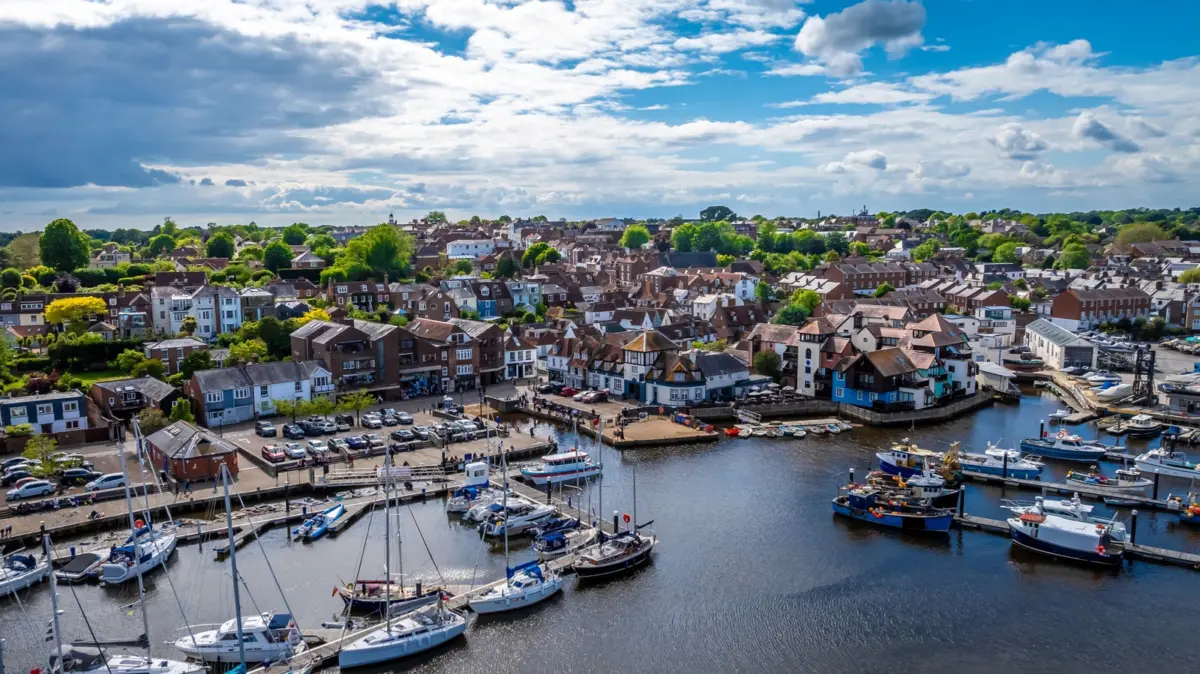
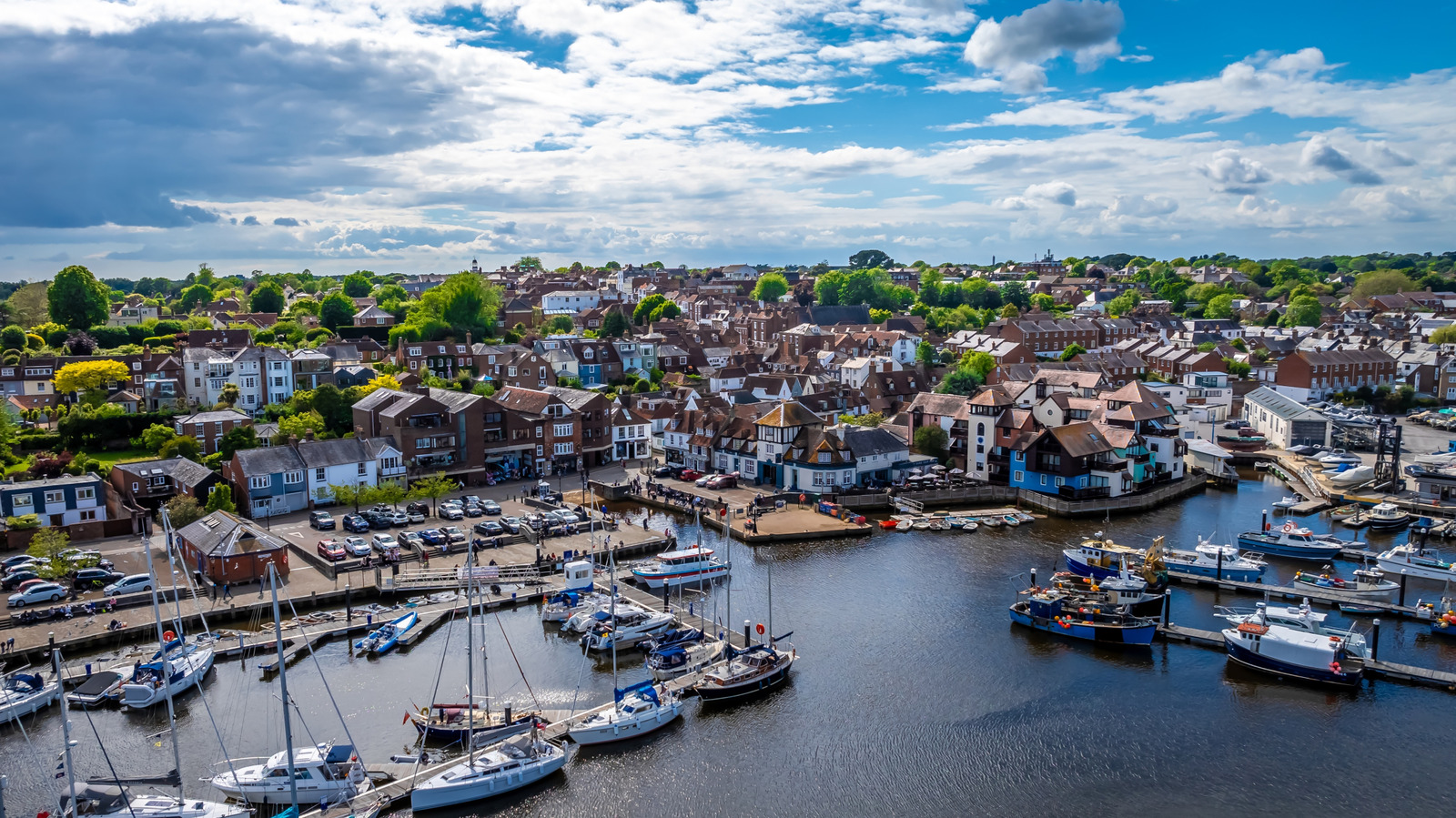
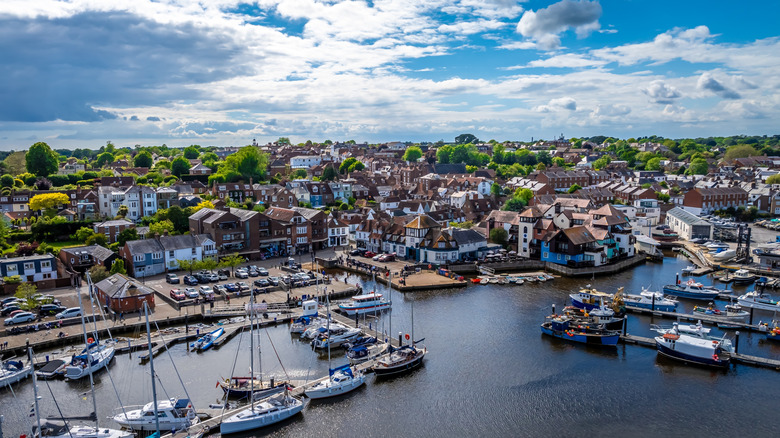
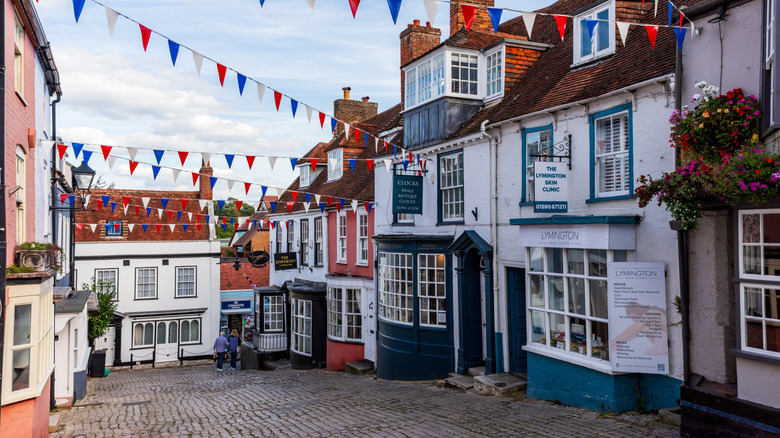
Tucked away along the picturesque southern coastline of England, nestled quietly between the bustling maritime hubs of Portsmouth and Poole, lies Lymington—a historic market town that effortlessly blends coastal charm, medieval heritage, and a thriving contemporary culinary scene. Far from the generic commercialism that often plagues heavily trafficked tourist destinations, Lymington preserves its deep-rooted identity through preserved Georgian architecture, a bustling weekly chartered market dating back to the 13th century, and rugged coastal fortifications like the iconic Hurst Castle.
For travelers looking to escape the conventional tourist traps of the United Kingdom, Lymington offers an immersive synthesis of old-world charm and modern hospitality. Accessible via a short, scenic train ride from London Waterloo or a brief drive from neighboring coastal havens, the town serves as an ideal weekend getaway or a culturally rich day trip. This report explores Lymington’s historical evolution, its vibrant economic and gastronomic landscape, the logistical realities of exploring its maritime outskirts, and its promising trajectory as a premier sustainable tourism destination on the edge of the New Forest.
Detailed Chronology: From Medieval Settlement to Modern Coastal Haven
The Roots of a Marketplace Community
Lymington’s urban morphology is inextricably linked to its medieval origins. The town’s layout—characterized by its remarkably wide Georgian High Street that tapers into narrow, winding alleyways—was not born of random expansion. Instead, it was meticulously planned during the medieval era to accommodate the bustling commercial trade centered around the High Street and the nearby quay.
The 13th Century: The town’s charter market was established, creating a regional economic hub where local merchants, farmers, and fishermen could trade. According to municipal historical records maintained by the Lymington and Pennington Town Council, the unusual width of the main thoroughfare was specifically engineered to house scores of market stalls without impeding pedestrian or cart traffic.
The Tudor Era: As geopolitical tensions shifted across Europe in the 16th century, King Henry VIII ordered the construction of a coastal defense network to protect England’s shores from potential invasion. This initiative brought about the construction of Hurst Castle between 1541 and 1544, strategically positioned at the end of a narrow shingle spit jutting out into the Solent to safeguard the vital maritime passage.
The 17th Century (A Royal Imprisonment): Hurst Castle secured a permanent, albeit somber, place in British history when King Charles I was transferred to the fortress in 1648. He was held captive within its stark stone walls for 19 days prior to his trial and eventual execution in London.
The Georgian Transformation: Much of Lymington’s architectural profile transitioned during the 18th and early 19th centuries. Elegant Georgian facades were constructed over or alongside older medieval structures, giving the town the polished, affluent appearance that continues to define its upper streets today.
The Modern Era: Today, Lymington has evolved into a premier yachting center, tourist destination, and residential enclave. While retaining its historic commercial rhythms—most notably the Saturday Charter Market—it has successfully integrated high-end dining, boutique retail, and heritage preservation into a cohesive community fabric.
Supporting Context & Metrics: Navigating Lymington’s Economy, Markets, and Geography
The Saturday Charter Market: An Economic and Cultural Anchor
The crown jewel of Lymington’s weekly calendar remains its Saturday Charter Market, an event that has operated continuously for centuries. Weather permitting, the market routinely hosts upward of 100 independent stalls lining both sides of the sweeping High Street.
Product Diversity: The market has successfully resisted the homogenization of modern British high streets. Visitors can source fresh, locally caught seafood from long-standing purveyors like Coralbay Seafoods—where fishmongers routinely demonstrate filleting techniques to crowds—alongside artisanal cheeses, cured meats, and baked goods from vendors such as Catley Chilled Foods.
Artisan Crafts and Culture: Beyond agriculture, the market serves as an incubator for local artisans. Stalls like Wooden Hand Crafts offer bespoke woodwork, while regional painters, including the artistic duo Thomas and Koo, display coastal landscapes that capture the ethereal light of the Solent.
Foot Traffic and Visitor Metrics: Tourism data highlights that Saturday remains the peak economic window for local retailers, drawing regional day-trippers from Hampshire, Dorset, and London. Local business associations emphasize that the market acts as a vital economic multiplier, driving foot traffic into adjacent boutiques, cafes, and pubs.
Culinary Evolution: From Quayside Pubs to Upscale Bistros
Lymington’s dining scene has undergone a significant renaissance over the past decade, shifting from traditional pub fare to a sophisticated culinary landscape that leverages its proximity to the New Forest and the English Channel.
The Highstreet Kitchen: Rated among the top fine-dining establishments in the area (maintaining an impressive 4.7-star rating across major consumer review platforms), this venue exemplifies the town’s gastronomic shift. Menus feature hyper-local, seasonal ingredients, such as South Coast lemon sole paired with crayfish beurre blanc and braised fennel accented by Isle of Wight tomatoes.
The Larder: Garnering critical acclaim from national publications like The Daily Telegraph, this establishment has established itself as a premier dining destination in the New Forest region, drawing food enthusiasts specifically for its curated Thursday and Friday night tapas menus.
The Ship Inn: For those seeking a more traditional yet refined maritime experience, this historic gastropub sits directly on the cobbled quay. Diners can enjoy seasonal British fare while watching luxury yachts and commercial fishing vessels bob at the confluence of the Lymington River and the Solent.
Geographical Proximity and Accessibility Metrics
Lymington’s strategic location makes it an exceptionally accessible destination for both domestic and international travelers:
From London: Regular direct and transfer-optimized train services run from London Waterloo, bringing passengers to Lymington in under two hours.
Regional Connectivity: Situated precisely halfway between Portsmouth and Poole, the town serves as an ideal transitional stop. It lies roughly an hour’s drive from Portsmouth’s historic naval dockyards and a short journey from the world-renowned soft sands of Poole’s Sandbanks Beach.
The Hurst Castle Excursion: Located approximately 5 miles from the town center, the journey to Hurst Castle requires intentional planning. Visitors can either drive or take a taxi to the Hurst Castle Ferry pier, followed by a scenic 20-minute water crossing through protected salt marshes and lagoons. Alternatively, adventurous hikers can undertake the rugged, 2-mile trek on foot along the narrow shingle spit.
Official Statements and Expert Perspectives
Local municipal authorities and tourism boards have consistently emphasized the delicate balance between promoting economic vitality and preserving historical integrity.
"Lymington’s identity is anchored in its architecture and its centuries-old traditions. The Saturday market is not merely a commercial venture; it is a living link to our medieval past that dictates the very physical rhythm of our town," noted a representative from the Lymington and Pennington Town Council.
Culinary critics and travel experts have likewise praised the town’s ability to modernize without losing its distinctive British character. In a recent regional review, travel journalists for The Daily Telegraph highlighted Lymington as a standout destination within the New Forest enclave, noting that “the town’s culinary entrepreneurs are breathing new life into historic spaces, proving that traditional coastal settlements can successfully pioneer modern, sustainable gastronomy.”
Heritage conservationists monitoring the structural integrity of Hurst Castle have also stressed the importance of managed tourism. Following coastal erosion challenges in recent years, English Heritage and partnering agencies have reinforced stabilization efforts along the shingle spit to ensure that visitors can continue to access the 16th-century fortress safely without disrupting the fragile local ecosystem.
Future Outlook: Sustainable Tourism and Economic Resilience
As the United Kingdom’s domestic tourism sector experiences renewed interest, Lymington is well-positioned to capitalize on sustainable travel trends. The town’s leadership faces both opportunities and challenges in the coming decade.
1. Sustainable Mobility and Green Transit
With growing vehicular congestion during peak summer months, local transport planners are increasingly advocating for green transit initiatives. Encouraging rail travel from London Waterloo and expanding cycling infrastructure between the New Forest National Park and the Lymington quay will be critical in reducing the town’s carbon footprint while preserving its tranquil atmosphere.
2. Heritage Conservation vs. Climate Pressures
Hurst Castle, standing at the mercy of the shifting tides of the Solent, represents a microcosm of the broader climate challenges facing Britain’s coastal heritage. Future outlooks depend heavily on proactive coastal defense engineering. Continued investment in shingle replenishment and structural reinforcement will ensure that Henry VIII’s artillery fortress remains accessible to future generations of historians and travelers.
3. Economic Diversification
While the summer yachting season and Saturday markets form the bedrock of Lymington’s economy, local business associations are actively working to extend the tourism shoulder seasons. By promoting culinary festivals, autumn art walks, and winter wellness retreats centered around New Forest hospitality, Lymington is successfully transitioning into a year-round destination.
Ultimately, Lymington remains a masterclass in how a historic coastal town can honor its medieval and Georgian roots while embracing contemporary culinary excellence and mindful tourism. Whether one is browsing the bustling stalls of the High Street, dining on freshly caught seafood by the harbor, or braving the windswept spit to explore a Tudor king’s prison, Lymington offers an enriching, multi-layered experience unlike anywhere else on England’s southern shore.