







Executive Overview
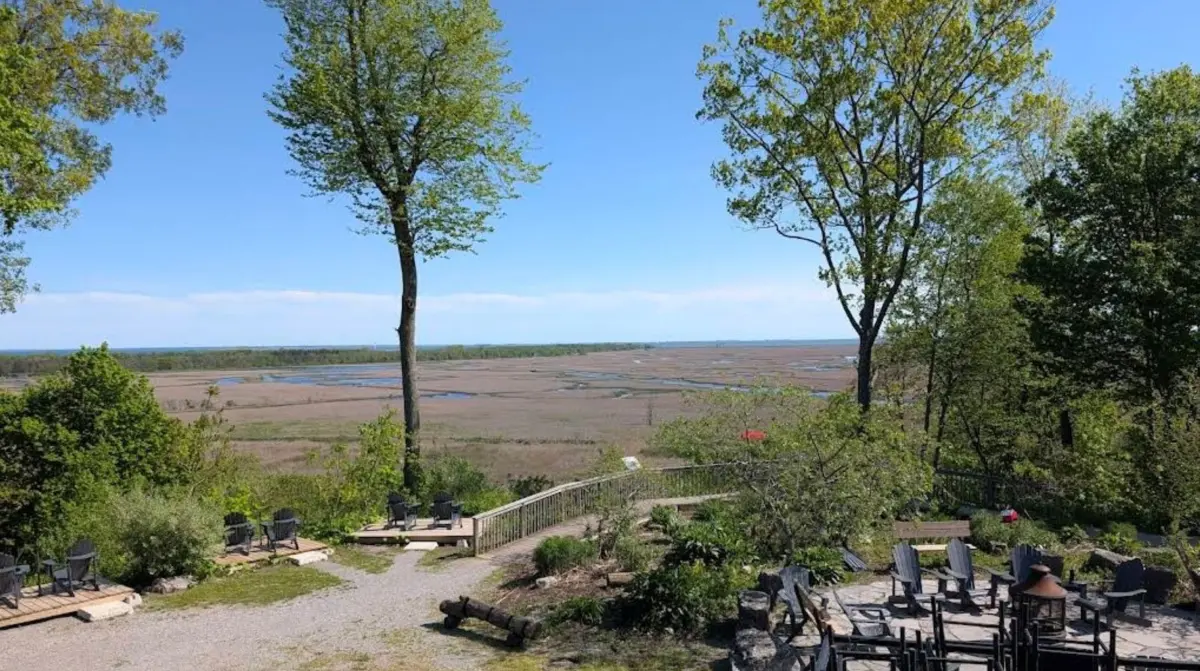
Nestled along the picturesque northern shore of Lake Erie in St. Williams, Ontario, lies an ambitious model of modern ecotourism: Long Point Eco-Adventures. Strategically positioned roughly a three-hour drive from Detroit, Michigan, and a two-hour journey from Buffalo, New York, this 37-acre property represents a masterclass in land reclamation and regenerative hospitality.
Once a working tobacco farm—a cornerstone of the region’s historical agricultural economy—the land has been meticulously rehabilitated into a multi-faceted outdoor adventure resort. Bordering the UNESCO-designated Long Point Biosphere Reserve, the resort operates on a philosophy that luxury and environmental stewardship are not mutually exclusive. By seamlessly integrating high-end glamping accommodations, adrenaline-fueled outdoor recreation, local viticulture and craft brewing, and rigorous conservation initiatives, Long Point Eco-Adventures offers an immersive escape for travelers seeking both active engagement with the outdoors and uncompromising comfort.
This comprehensive report examines the evolution, operational framework, recreational offerings, and future outlook of a destination that has quickly become a crown jewel of the Great Lakes tourism landscape.
Detailed Chronology: From Tobacco Fields to Biosphere Gateway
To understand the current significance of Long Point Eco-Adventures, one must trace its roots through a profound regional and ecological transformation.
The Agricultural Era
For generations, the sandy soils of Norfolk County, Ontario, were synonymous with tobacco production. Families farmed the acreage, carving livelihoods out of the Carolinian forest ecosystem. However, shifting economic paradigms, declining global demand for tobacco, and an increasing societal shift toward environmental awareness created a critical juncture for landowners across southern Ontario in the late 20th and early 21st centuries.
Conception and Rehabilitation (Late 2000s–2010s)
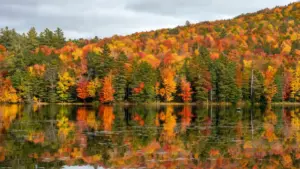
Recognizing the unique ecological value of the property—sandwiched between rich agricultural expanses and the fragile, biodiverse Turkey Point Marsh—visionary developers acquired the 37-acre tobacco farm with a radical premise: rather than developing the land for suburban sprawl, they would restore its native ecology while creating a low-impact tourism hub.
The initial phase of development focused on land healing. Invasive agricultural practices were halted, native Carolinian flora was reintroduced, and infrastructure was planned with a strict adherence to minimal environmental footprints. The resort’s founders collaborated closely with local conservation authorities to ensure that every structure, trail, and activity aligned with the ecological sensitivities of the adjacent Long Point Biosphere Reserve.

Expansion into Regenerative Luxury
Over the subsequent decade, the property evolved from a nascent zipline course into a comprehensive all-in-one resort. The introduction of upscale glamping pods, curated culinary partnerships with local vineyards and craft breweries, and cutting-edge wellness amenities transformed the site into a year-round destination. Today, Long Point Eco-Adventures stands as a living case study in how post-industrial and post-agricultural lands can be successfully repurposed to foster environmental education, regional economic resilience, and sustainable leisure.
Supporting Context & Metrics: Architecture, Amenities, and Ecosystem
Operating within a delicate biosphere demands rigorous planning, architectural innovation, and measurable sustainability metrics. Long Point Eco-Adventures balances high guest capacity with low-impact infrastructure across its diverse service sectors.
Accommodations and Lodging Typologies
The resort caters to a wide spectrum of travelers, offering tiered lodging options designed to blend into the natural topography:
- Standard Glamping Pods: Priced at approximately $130 per night, these structures feature genuine, comfortable beds and climate control (A/C). They are designed for guests seeking a traditional camping proximity to nature with modern sleeping comforts, utilizing nearby central bathhouse facilities.
- Elite Pods: Providing an elevated tier of privacy, these units feature en-suite bathrooms complete with modern showers and toilets.
- Cluster Pods: Strategically grouped configurations that allow families and larger groups to book contiguous spaces, fostering a communal camp-like atmosphere.
- Wilderness Suites: Canvas glamping tents that offer a quintessential safari-style luxury experience, equipped with private restrooms and outdoor showers.
- Group Cabins and Bunkhouses: Larger, communal lodging options designed to accommodate corporate retreats, educational groups, and multi-family reunions.
Note on Accessibility: Select accommodations across the property are dog-friendly, though management advises prospective visitors to verify pet policies prior to finalizing reservations.
Culinary Craftsmanship and Local Terroir
Gastronomy at Long Point Eco-Adventures is deeply rooted in the agricultural bounty of Norfolk County.
- Marshview Patio & Bar: Serving as the culinary anchor of the resort, this main dining venue provides breakfast, lunch, and dinner menus that prioritize regionally sourced ingredients.
- Beverage Partnerships: The resort acts as an incubator for local craft culture, featuring an on-site branch location of Wishbone Brewing Co. and maintaining a strategic partnership with Burning Kiln Winery, situated just a two-minute drive away. This integration allows visitors to sample cool-climate Ontario wines and artisanal beers crafted from the very terroir that surrounds them.
Recreational Infrastructure & Natural Assets
The property’s physical assets are expansive, designed to leverage its unique geographic positioning:
- Zipline and Canopy Tour: A flagship 2.5-hour guided excursion comprising eight distinct ziplines traversing the forest canopy.
- Aquatic Exploration: Day and night kayaking excursions, the latter utilizing illuminated ("glowing") watercraft to reveal the nocturnal ecosystem of the Turkey Point Marsh.
- Cycling Networks: Direct access to—and integration with—the Turkey Point Mountain Bike Club trail network, offering over 50 miles of professionally maintained single-track terrain.
- Dark Sky Preservation: Home to an on-site observatory and planetarium. Situated far from major metropolitan light pollution, the location provides pristine conditions for astrophotography and stargazing. (As of current operations, telescope maintenance has prompted a temporary 50% discount on related programming).
- Wellness Facilities: Modern Nordic-inspired wellness amenities featuring a rotating cycle of traditional sauna sessions and invigorating cold plunges.
Official Statements and Operational Philosophy
The management and ecological partners of Long Point Eco-Adventures maintain an outspoken commitment to conservation-led tourism.
According to resort leadership, the foundational ethos of the property has always been rooted in education through immersion. "We did not want to build a resort that merely occupies space in nature; we wanted to build a gateway that teaches people how to coexist with and protect it," notes resort operational communications. "Every zipline tour, every turtle hatchling release, and every glass of wine poured from Burning Kiln Winery tells a story about this specific patch of Carolinian Canada. If visitors leave here with a deeper respect for the Turkey Point Marsh and the Biosphere Reserve, we have succeeded."
Local conservation partners have similarly praised the facility’s role in local wildlife management. The on-site turtle hatchery—which works tirelessly to safeguard vulnerable local turtle populations—serves as a cornerstone of the resort’s public outreach. By inviting guests to witness and participate in seasonal turtle hatchling releases, Long Point bridges the gap between passive vacationing and active wildlife advocacy.
Tourism boards across southwestern Ontario frequently cite the property as an exemplar of regional cross-pollination, noting how the resort drives economic traffic not only to its own gates but outward into neighboring coastal communities like Turkey Point and the historic town of Cayuga.
Future Outlook: The Evolution of Sustainable Adventure Tourism
As global travelers increasingly demand sustainable, hyper-local, and wellness-oriented travel experiences, the trajectory of Long Point Eco-Adventures points toward continued innovation and ecological leadership.
Expanding the Conservation Footprint
Looking ahead, resort planners are exploring enhanced ecological monitoring programs in partnership with academic institutions and conservation authorities within the Long Point Biosphere Reserve. Future initiatives aim to deepen data collection on migratory bird patterns, wetland health, and carbon sequestration across the property’s reforested acreage. Plans are also underway to expand the capacity of the turtle hatchery, potentially establishing it as a regional hub for reptile rehabilitation and educational outreach.
Technological and Infrastructure Upgrades
To maintain its competitive edge in the luxury glamping sector, Long Point is investigating off-grid renewable energy integrations, including expanded solar microgrids and advanced water conservation systems. These upgrades will further reduce the resort’s operational carbon footprint while insulating it against energy price volatility.
Regional Tourism Synergy
The broader economic outlook for the St. Williams and Lake Erie corridor remains exceptionally strong. As urban centers like Detroit, Buffalo, Toronto, and Cleveland seek accessible, high-end wilderness escapes within a half-day’s drive, destinations like Long Point Eco-Adventures are uniquely positioned to capture this demographic. By continuing to forge alliances with local vintners, culinary artisans, and provincial park authorities—such as the nearby Turkey Point Provincial Park—the resort aims to anchor a robust, year-round ecotourism corridor along Canada’s south coast.
In an era where the environmental costs of tourism are under unprecedented scrutiny, Long Point Eco-Adventures demonstrates that sustainable development is not merely an ethical obligation, but the ultimate foundation for enduring hospitality.