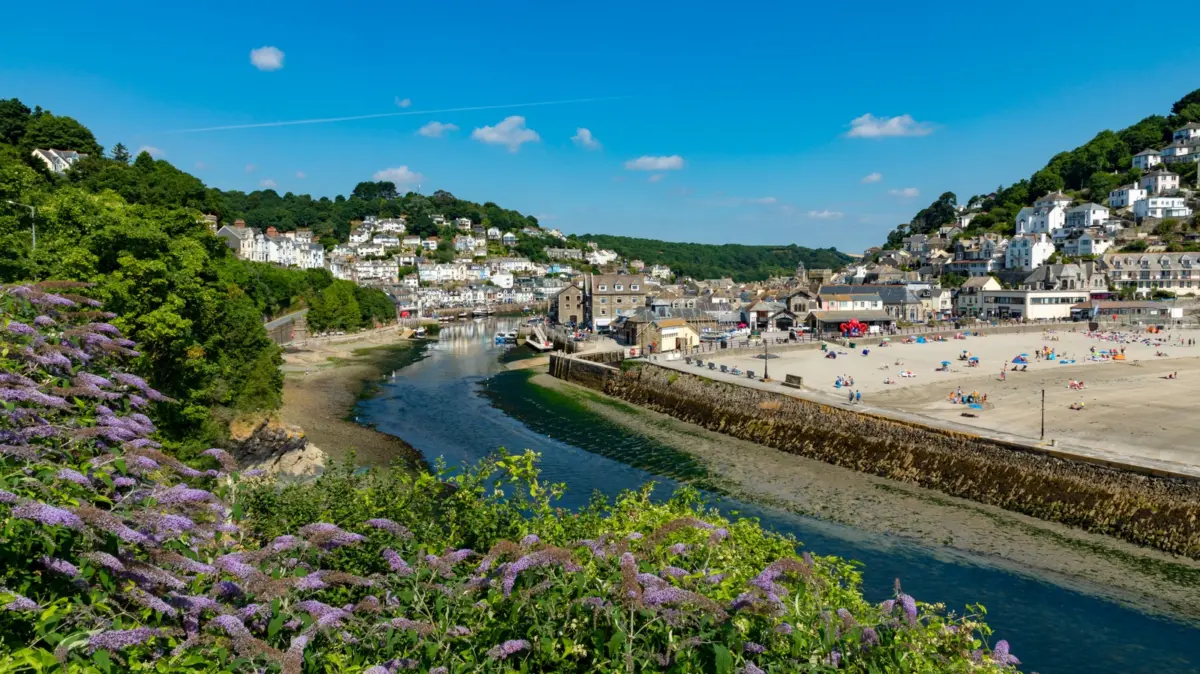
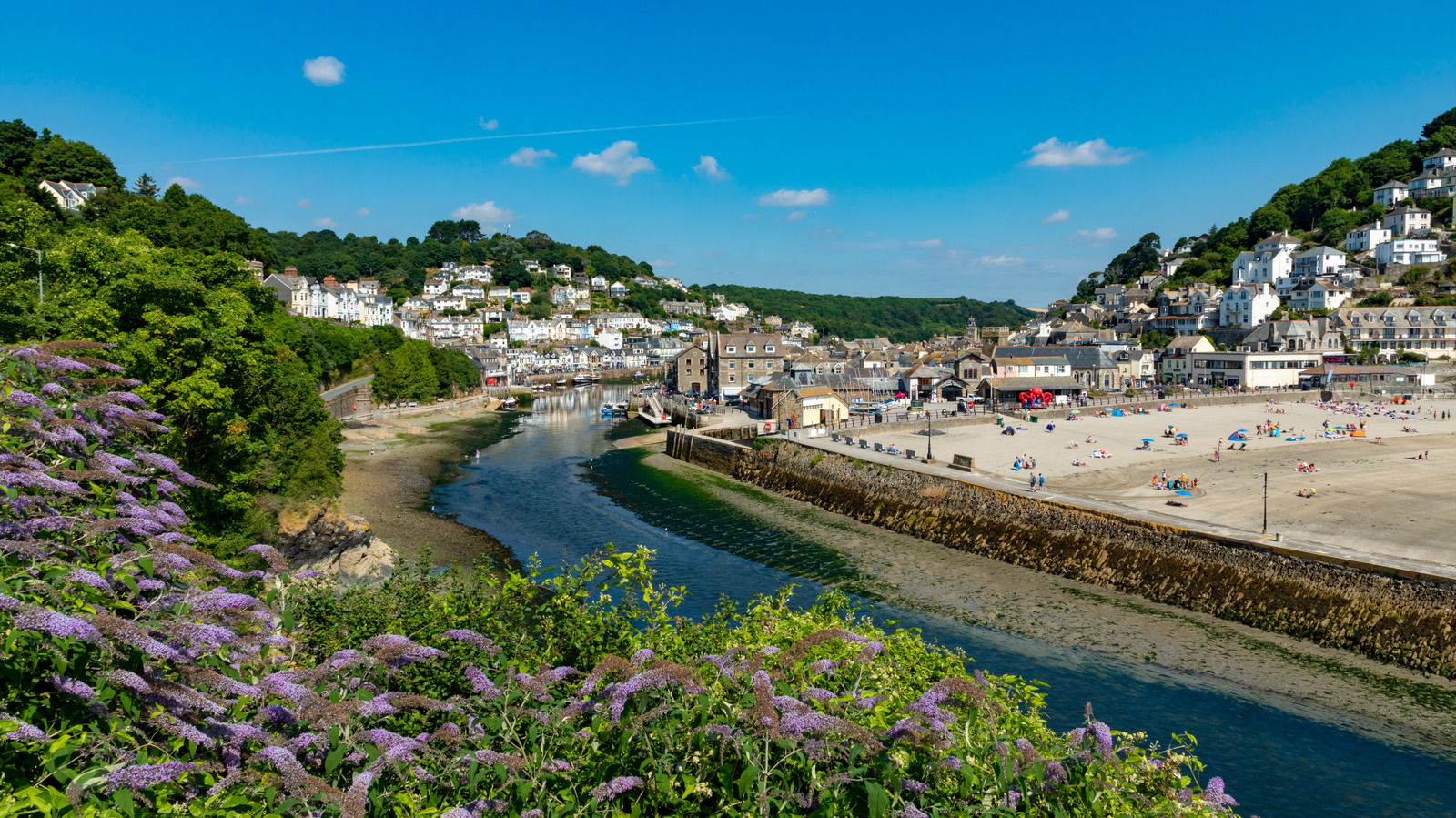
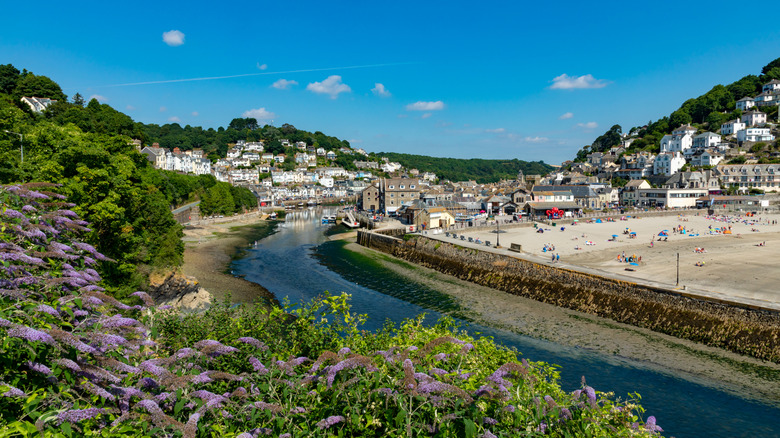
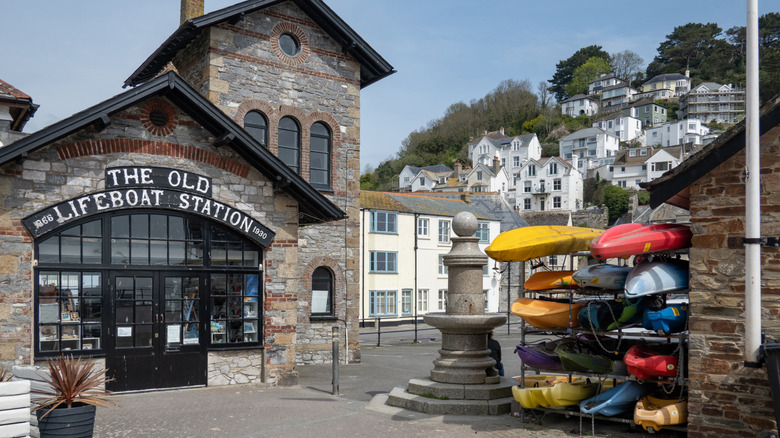
Nestled gracefully along the dramatic southwest coast of England, the historic harbor town of Looe stands as one of Cornwall’s most captivating destinations. Positioned neatly between the bustling maritime hub of Plymouth to the east and the coastal town of Par to the west, Looe offers travelers a rare blend of medieval heritage, picturesque geography, and world-class culinary experiences centered around ultra-fresh seafood.
Split in two by the meandering Looe River, the town comprises East Looe and West Looe, each contributing distinct charms to a destination that has evolved from a medieval trading port and pirate stronghold into a beloved family-friendly seaside retreat. Surrounded by the pristine expanses of the Cornwall National Landscape—formerly known as the Cornwall Area of Outstanding Natural Beauty—Looe provides an ideal gateway for outdoor enthusiasts, beachgoers, and history buffs alike.
This comprehensive report explores Looe’s fascinating evolution, its vibrant local economy driven by artisanal fishing and tourism, its remarkable gastronomic offerings, and the logistical frameworks that make this southwestern jewel increasingly accessible to global travelers.
Detailed Chronology: From Medieval Ports to Modern Coastal Sanctuary
To truly appreciate the character of modern Looe, one must trace its roots backward through centuries of maritime enterprise, defense struggles, and commercial adaptation.
Early Foundations and the Middle Ages
The history of human settlement around the Looe River estuary stretches back far beyond written records, but the town’s formal history began to crystallize during the medieval period. Originally operating as two separate boroughs—East Looe and West Looe—the communities developed around strategic points along the tidal estuary. By the 13th and 14th centuries, Looe had established itself as a vital West Country port. Its natural harbor provided a safe haven for fishing vessels and merchant ships navigating the treacherous waters of the English Channel.
The Era of Pirates, Privateers, and Smugglers
During the 16th and 17th centuries, Looe’s fortunes were repeatedly tested by geopolitical conflicts and maritime lawlessness. The town famously suffered raids by Barbary pirates operating out of North Africa, who targeted coastal settlements along southwest England for plunder and captives. In response, local mariners fortified their defenses and participated extensively in privateering campaigns sanctioned by the English Crown.
As centuries progressed and trade regulations tightened, Looe—like much of the Cornish coast—became a notorious hotbed for smuggling. Coves, caves, and hidden cellars along the jagged cliffs provided ideal hiding spots for contraband such as French brandy, tobacco, and lace, weaving a rich tapestry of folklore that local museums and historic sites still celebrate today.
By the 19th century, the rise of the industrial age transformed Looe’s economy. The construction of the Liskeard and Looe Railway in the 1860s—originally built to transport copper ore, granite, and lime from inland quarries down to the harbor—fundamentally changed the town’s connectivity. As mining activity gradually declined toward the late Victorian era, Looe underwent a profound economic pivot. The arrival of the railway coincided with a burgeoning national appetite for seaside holidays. Guesthouses replaced merchant warehouses, fishing fleets focused on supplying inland markets with pilchards and mackerel, and tourists began trading city streets for Looe’s sandy shores and bracing sea air.
Supporting Context & Metrics: Geography, Infrastructure, and Tourism Dynamics
Understanding Looe requires examining the geographical and structural frameworks that support its thriving visitor economy and local community.
Geographical Layout and Natural Boundaries
Looe is sharply defined by its geography. The Looe River carves its way southward through steep, wooded valleys before emptying into the English Channel. A historic multi-arch stone bridge connects East Looe and West Looe, bridging two distinct cultural and architectural zones:
East Looe: Characterized by a dense grid of crooked, cobbled medieval streets, vibrant shops, traditional pubs, the bustling harbor, and the main town beach (East Looe Beach).
West Looe: Known for a quieter, more residential atmosphere, historic ecclesiastical architecture such as the medieval Parish Church of Saint Nicholas, and iconic historic hostelries.
Accessibility and Transportation Metrics
While Cornwall retains a remote, untamed charm, Looe is surprisingly accessible via diverse transportation corridors:
Air Travel: Cornwall Airport Newquay (NQY) is situated less than an hour’s drive north of Looe, offering vital short-haul connectivity to major U.K. and select European hubs. For international travelers, London Heathrow Airport (LHR) lies approximately a 4.5- to 5-hour drive to the east.
Rail Connectivity: The Looe Valley Line remains one of Britain’s most scenic railway journeys, connecting Looe to the mainline station at Liskeard, which in turn offers direct links to Plymouth, Exeter, and London Paddington.
Road Networks: Major arterial routes such as the A38 connect southwest England to the national motorway network, funneling travelers through Plymouth before they cross the Tamar River—the natural border dividing Devon and Cornwall.
Environmental and Coastal Metrics
Looe sits directly adjacent to the Cornwall National Landscape, a protected designation encompassing hundreds of square miles of coastal cliffs, ancient woodlands, and wildlife-rich estuaries. The South West Coast Path—Britain’s longest national trail at over 630 miles—passes directly through the town, linking Looe eastward toward Plymouth (via Whitsand Bay and Portwrinkle) and westward toward the historic fishing village of Polperro and Lantic Bay.
Gastronomic Identity: A Whirlwind of Old-World Charm and Salty Flavors
Few Cornish towns encapsulate the evolution of British coastal dining quite like Looe. Benefiting from centuries of maritime tradition, the town has transformed its working quays into a celebrated culinary destination where the "catch of the day" goes straight from local fishing boats to waterside plates.
The Seafood Renaissance
The quaysides of East Looe harbor are perpetually alive with the sights and sounds of small-scale commercial fishing vessels landing crabs, lobsters, bass, and flatfish. Local restaurateurs have capitalized on this direct supply chain, moving away from generic pub fare toward innovative, hyper-local gastronomy.
Key culinary institutions defining Looe’s modern food scene include:
The Fish Market: Positioned directly on the riverside, this popular bar-bistro champions a tapas-inspired small plates menu. Ingredients are sourced exclusively from local boats, and diners enjoy panoramic views across the harbor and town from its expansive outdoor seating areas.
Sails Restaurant: Renowned for exceptional reviews across digital mapping platforms and culinary guides, Sails specializes in authentic Cornish seafood. Signature dishes feature locally harvested mussels, pan-seared scallops kissed with lemon and pepper, and hearty surf-and-turf platters that celebrate both land and sea.
Historic Pub Culture: Across the water in West Looe, the historic landscape is anchored by establishments like the Jolly Sailor Inn. Claiming status among the oldest licensed houses in the United Kingdom, the inn offers a tangible link to the town’s maritime past, serving traditional ales alongside hearty local comfort food within timber-framed interiors that have stood for centuries.
Official Statements and Stakeholder Perspectives
Local authorities, tourism boards, and preservation societies frequently emphasize the delicate balance required to maintain Looe’s historic integrity while accommodating modern economic growth and visitor demands.
Balancing Heritage and Sustainable Tourism
According to regional representatives from Visit Cornwall, Looe’s enduring appeal lies in its ability to retain working-class maritime authenticity while offering high-end hospitality.
"Looe is not a manufactured resort town; it is a living, breathing Cornish community shaped by a thousand years of tides, trade, and fishing," notes regional tourism documentation. "The challenge for local stakeholders is ensuring that sustainable tourism initiatives protect our delicate marine ecosystems, coastal paths, and medieval architecture against the pressures of modern over-tourism."
Environmental Stewardship and Coastal Defense
Given its coastal position at the mouth of a tidal river, Looe faces ongoing environmental challenges related to tidal surges and sea-level rise. Local municipal councils, in partnership with environmental agencies, have implemented strategic flood defense and coastal management projects. These initiatives are carefully designed to protect vulnerable Victorian and medieval streetscapes without disrupting the natural aesthetics that draw hundreds of thousands of visitors to the estuary each year.
Future Outlook: Preservation, Innovation, and Sustainable Growth
As Looe looks toward the middle of the 21st century, its strategic roadmap focuses on sustainable infrastructure, cultural preservation, and enhanced year-round economic resilience.
Mitigating Seasonal Tourism Pressures
Like many coastal hotspots in Cornwall, Looe experiences significant seasonal influxes during the peak summer months, putting pressure on local parking, water treatment, and accommodation infrastructure. Future planning strategies heavily emphasize the promotion of shoulder-season travel—encouraging visitors to experience Looe during the spring and autumn months when wildlife migration, hiking trails, and culinary festivals offer quieter, highly rewarding experiences.
Infrastructure and Green Mobility
To reduce urban congestion within Looe’s narrow, historic streets, local transport planners are actively exploring enhanced park-and-ride schemes, expanded electric vehicle (EV) charging networks, and promotion of the scenic Looe Valley railway line. Encouraging visitors to arrive by train or utilize active transport methods aligns with Cornwall Council’s broader carbon-neutral targets.
Preserving Maritime Heritage for Future Generations
Cultural institutions such as the Old Guildhall Museum & Gaol—housed within a 500-year-old building in East Looe—continue to secure grants and community backing to digitize archives, expand educational exhibits, and share the gripping tales of Cornish smuggling and privateering with younger generations. By honoring its turbulent, seafaring past while embracing modern culinary excellence and environmental stewardship, Looe ensures its place as an enduring crown jewel of the Cornish coastline for decades to come.