





Executive Overview
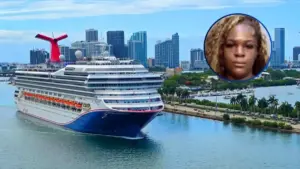
In the dynamic world of modern cruising, Mother Nature remains an unpredictable and formidable force capable of disrupting even the most meticulously planned itineraries. This reality was underscored recently when Carnival Cruise Line was forced to implement sweeping schedule modifications for the 3,002-guest Carnival Sunshine. A powerful and aggressive nor’easter—a low-pressure weather system notorious for generating gale-force winds, towering seas, and treacherous coastal conditions along the United States Atlantic Seaboard—wreaked havoc on regional maritime operations, directly impacting multiple vessels.
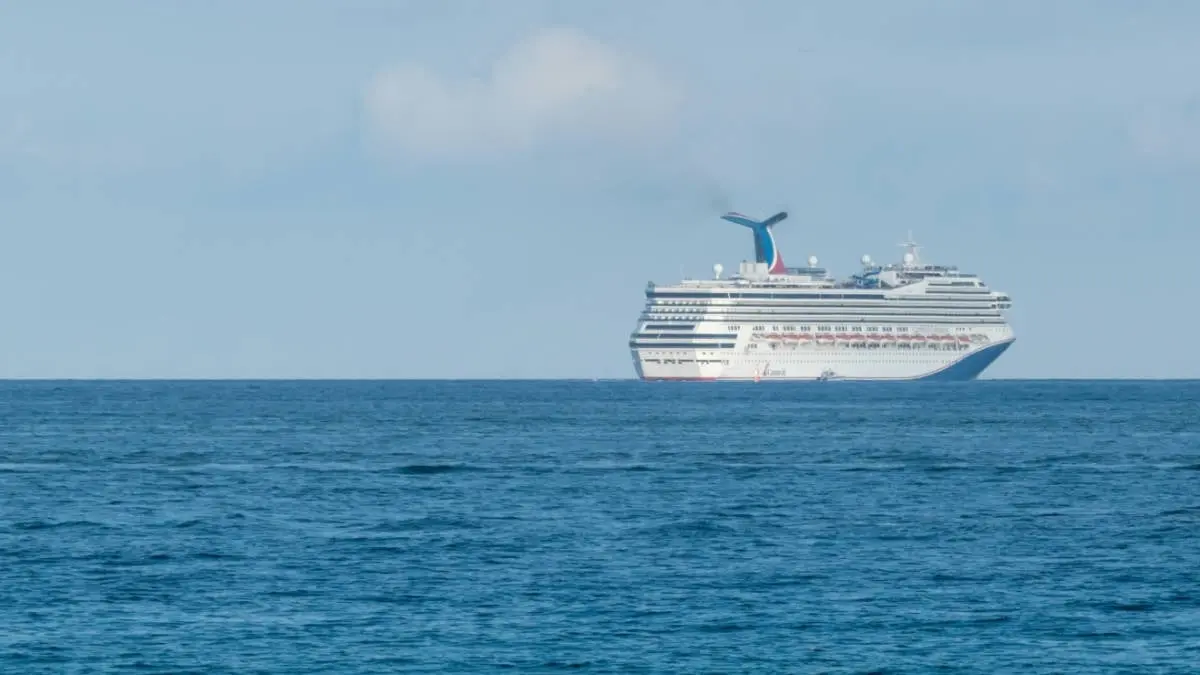
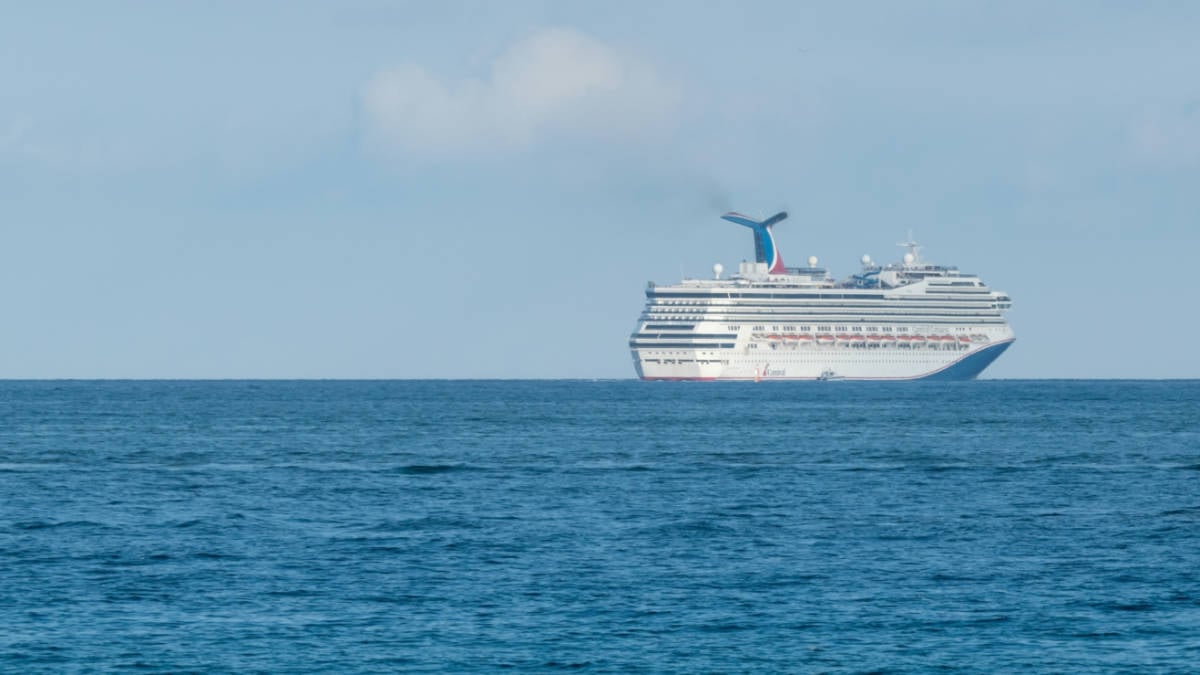
For Carnival Sunshine, the severe weather necessitated a proactive strategy prioritizing passenger and crew safety above all else. By altering its course out at sea and significantly reducing speed to bypass the worst of the storm’s fury, the ship successfully avoided the most catastrophic elements of the meteorological event. However, these necessary defensive maneuvers came at a cost: a delayed return to the vessel’s homeport of Norfolk, Virginia.
Consequently, the voyage originally slated to embark on Sunday, September 27, 2026, was pushed back by a full 24 hours, transforming a 6-night cruise into a condensed 5-night itinerary. The disruption triggered a cascade of operational adjustments, including the cancellation of a scheduled stop in Bimini, modified arrival times in Nassau, adjustments to shore excursions, and a comprehensive compensation package for disappointed travelers. This comprehensive report delves into the chronology of the weather event, the specific logistical adjustments made by Carnival Cruise Line, financial reparations offered to guests, and the broader context of how maritime operations contend with severe Atlantic weather.
Detailed Chronology of Events
The chain of events leading to the modification of the Carnival Sunshine’s late-September voyage unfolded over several days, moving from routine maritime operations to emergency storm evasion and, ultimately, a complete logistical reset for thousands of vacationers.
The Outbound Voyage and the Gathering Storm
The sequence began while Carnival Sunshine was operating an 8-night Canada itinerary that had departed its Norfolk, Virginia homeport on Saturday, September 19, 2026. The voyage was designed to offer guests a classic autumn leaf-peeping experience along the Northeast and Canadian coasts. However, meteorological forecasting models deep into the Atlantic and along the Mid-Atlantic coast began signaling the rapid cyclogenesis of a powerful nor’easter.
As the storm system intensified, it generated heavy swells, torrential downpours, and sustained high winds that threatened maritime traffic from the Carolinas up to New England. Cruise lines operating in the region were placed on high alert as port authorities and meteorological teams tracked the storm’s unpredictable trajectory.
Defensive Maneuvers at Sea
Recognizing the escalating dangers posed by the heavy seas and wind shears, the captain and navigational officers aboard Carnival Sunshine, in close coordination with Carnival Cruise Line’s fleet operations center in Miami, executed a tactical diversion. As detailed in early operational reports, the ship altered its course far out to sea and intentionally slowed its cruising speed.
While this defensive action successfully shielded passengers and crew from the violent core of the storm—providing a much more stable and comfortable environment onboard—it fundamentally compromised the ship’s estimated time of arrival (ETA) back in Virginia. Maritime vessels cannot simply outrun massive oceanic weather systems without burning through emergency fuel reserves or subjecting the hull to structural strain; therefore, yielding to the sea and adjusting velocity is standard protocol for ensuring optimal safety.
The Delayed Return and Port Adjustments
The cumulative impact of the weather-induced slowdown meant that Carnival Sunshine could no longer make its scheduled Sunday morning turnaround in Norfolk. Carnival Cruise Line officials made the decisive call to compress the subsequent cruise, converting the planned 6-night itinerary into a 5-night Bahamas sailing departing on Monday, September 28, 2026.
With one full day stripped from the voyage timeline, shore operations teams had to re-evaluate every port call on the schedule. The revised itinerary necessitated difficult cuts:
- The Cancellation of Bimini: Due to the compressed timeframe and steaming distances required to maintain a viable schedule, the planned call to Bimini had to be completely eliminated from the itinerary.
- The Nassau Time Adjustment: The scheduled stop in Nassau, Bahamas, was preserved, but the window of exploration was compressed. Instead of the original 8:00 AM to 4:00 PM slot, the ship will now dock in Nassau from 1:00 PM to 9:00 PM on Wednesday, September 30.
- Celebration Key Maintained: Crucially, the line’s proprietary private destination stop at Celebration Key remains completely unaffected. The ship is still scheduled to visit the destination from 7:00 AM to 3:00 PM on Thursday, October 1, keeping a major highlight of the voyage intact.
- On-Time Final Return: Despite the delayed Monday departure, efficient scheduling ensures that Carnival Sunshine is expected to pull back into its Norfolk homeport precisely on schedule on Saturday, October 3.
Supporting Context & Metrics
To fully understand the magnitude of this operational pivot, it is helpful to examine the scale of the vessel involved, the nature of nor’easters, and the financial architecture of the compensation packages extended by modern cruise lines.
Vessel Profile: Carnival Sunshine
- Class: Destiny-class (heavily refurbished and renamed in 2013 from Carnival Destiny).
- Guest Capacity: 3,002 passengers (double occupancy), serviced by approximately 1,150 international crew members.
- Homeport: Norfolk, Virginia—a strategic mid-Atlantic hub allowing Carnival to service cruisers from the Virginias, Maryland, North Carolina, and surrounding regions without requiring them to travel deep into Florida.
- Itinerary Focus: Year-round and seasonal operations featuring itineraries ranging from Canada and New England leaf-peeping cruises to Caribbean and Bahamian getaways.
The Threat Matrix of Atlantic Nor’easters
Nor’easters are formidable extratropical cyclones that derive their name from the strong winds blowing from the northeast off the Atlantic Ocean into coastal areas. Unlike tropical storms or hurricanes, which thrive on warm core waters and dissipate over land or cooler northern latitudes, nor’easters feed on the temperature contrast between cold Arctic air masses sweeping down from Canada and the relatively warm waters of the Gulf Stream.
These storms frequently stall off the Mid-Atlantic and New England coasts, generating punishing gales that can persist for multiple days. For cruise ships transiting these waters in the autumn shoulder season, nor’easters present severe challenges, including:
- High-amplitude wave action capable of causing lateral rolling.
- Severely restricted visibility due to fog and torrential rain.
- Temporary closures or restricted operations at major commercial and passenger ports due to high winds and rough harbor pilot conditions.
Financial and Operational Metrics of the Compensation Package
When a cruise is shortened by weather or mechanical failure, maritime consumer protection standards and company policy dictate that guests must be reimbursed fairly. Carnival Cruise Line structured a multi-layered compensation framework for the impacted Carnival Sunshine sailing:
- Pro-Rated Cruise Fare Refund: Guests received a full one-day, pro-rated refund of their base cruise fare, automatically credited back to their original form of payment. For a cruise priced at standard rates, this represents a significant cash-back adjustment reflecting the lost 24 hours of vacation time.
- Amenity Package Adjustments: To ensure guests are not paying for services they could not fully utilize, pro-rated refunds were issued for pre-purchased amenity packages, including bottomless bubble programs, specialty beverage packages, and unlimited Wi-Fi access.
- Pre-Paid Gratuities: Daily service fees (gratuities) were similarly adjusted downward on a pro-rated basis to account for the shortened duration.
- Onboard Credit Payout Timeline: Carnival committed to posting all secondary refunds—covering amenities and gratuities—directly to guests’ onboard accounts by the end of the day on Tuesday, September 29, ensuring passengers had spending power during the cruise.
Official Statements and Guest Communications
Transparency is critical in the cruise industry, particularly when consumer vacation plans are upended by forces beyond human control. Carnival Cruise Line utilized direct email notifications and digital portals to keep booked guests informed every step of the way.
Managing Expectations via Direct Communication
The official email dispatched to booked guests laid out the unvarnished reality of the situation while immediately pivoting to actionable solutions.
"Because we are sailing a day later than planned, we will not be able to visit Bimini and the call on Nassau will now be from 1:00 PM to 9:00 PM Wednesday, September 30," the email notification confirmed.
By setting clear expectations regarding the dropped port and the modified hours in Nassau, Carnival prevented guests from arriving at the terminal with outdated itineraries. Furthermore, the cruise line addressed the complex logistics surrounding shore excursions booked through the ship’s internal desk:
- Pre-Booked Tour Adjustments: Any official Carnival shore excursions for Nassau were automatically rescheduled to match the new 1:00 PM to 9:00 PM arrival window.
- Automatic Cancellations and Refunds: In instances where specific tours could not be accommodated within the revised hours—or for all excursions tied to the cancelled Bimini stop—Carnival cancelled the bookings entirely and issued automatic full refunds directly to the guests’ onboard accounts.
Embarkation Protocols and the Safety Drill Pivot
While the departure date shifted from Sunday to Monday, Carnival emphasized that pre-assigned terminal arrival appointments remained locked in. Guests were instructed not to arrive early or late based on the new day, but rather to adhere strictly to their originally selected timeframes.
"Please plan to arrive at the cruise terminal during your originally selected Terminal Arrival Appointment timeframe," the advisory stressed. “All guests must be on board by 3:00 PM, as the ship will depart shortly after embarkation is complete.”
In a small administrative silver lining for embarking passengers, the delay prompted a change in safety orientation protocols. The cruise line had previously announced that Carnival Sunshine would implement a full, in-person muster drill for the Sunday embarkation, aligning with broader fleetwide rollouts of traditional safety assemblies. However, due to the compressed Monday turnaround, the ship reverted to its streamlined self-mustering digital check-in process. Passengers were still strictly required to visit their designated muster stations and complete safety verifications before the vessel was permitted to cast off lines, ensuring compliance with strict international maritime safety regulations under SOLAS (Safety of Life at Sea).
Future Outlook & Industry Implications
The itinerary disruption experienced by Carnival Sunshine serves as a micro-cosm of the broader challenges facing the cruise industry as global weather patterns become increasingly volatile. Navigating shoulder seasons along the Atlantic Seaboard requires an agile operational posture from cruise executives, port authorities, and shipboard leadership alike.
The Growing Importance of Flexible Itinerary Design
As meteorological events become more frequent and intense, cruise lines are investing heavily in predictive weather routing software and establishing closer ties with regional port meteorologists. The ability to make early, decisive calls—such as slowing a ship down days in advance rather than attempting to outrun a storm at full throttle—minimizes passenger discomfort and prevents structural stress on aging or modern hulls alike.
Furthermore, the integration of flexible private destinations—such as Celebration Key—provides cruise lines with crucial operational buffers. Because private islands and exclusive resort destinations are operated under direct corporate partnerships, they offer far greater scheduling flexibility than municipal or sovereign foreign ports when unexpected delays ripple through a fleet.
Consumer Resilience and Travel Insurance
Incidents like the Carnival Sunshine nor’easter delay also highlight the vital importance of comprehensive travel insurance. While cruise lines provide pro-rated refunds for the exact days missed, independent travel insurance policies often cover ancillary expenses such as extended hotel stays, revised airline change fees, and non-refundable independent shore excursions booked outside the cruise line ecosystem.
As passengers return to cruising in record numbers, the collective understanding that weather can and will alter vacations remains a foundational caveat of sea travel. Through swift communication, fair financial compensation, and an unwavering commitment to passenger safety, Carnival Cruise Line successfully mitigated a potential public relations crisis, turning a weather-induced disruption into a masterclass in modern crisis management.
Ultimately, Carnival Sunshine weathered the storm—both literally and figuratively—proving that safety at sea remains the ultimate North Star for the global cruise community.