









Executive Overview
While Minnesota famously champions its identity as "The Land of 10,000 Lakes"—a moniker that significantly undersells its actual inventory of roughly 12,000 water bodies—the overwhelming majority of these aquatic wonders are concentrated in the northern and central halves of the state. For residents and travelers exploring southwestern Minnesota, finding a natural body of water can prove challenging. Indeed, Pipestone County stands proudly as one of only four counties in the entire state completely devoid of natural lakes.
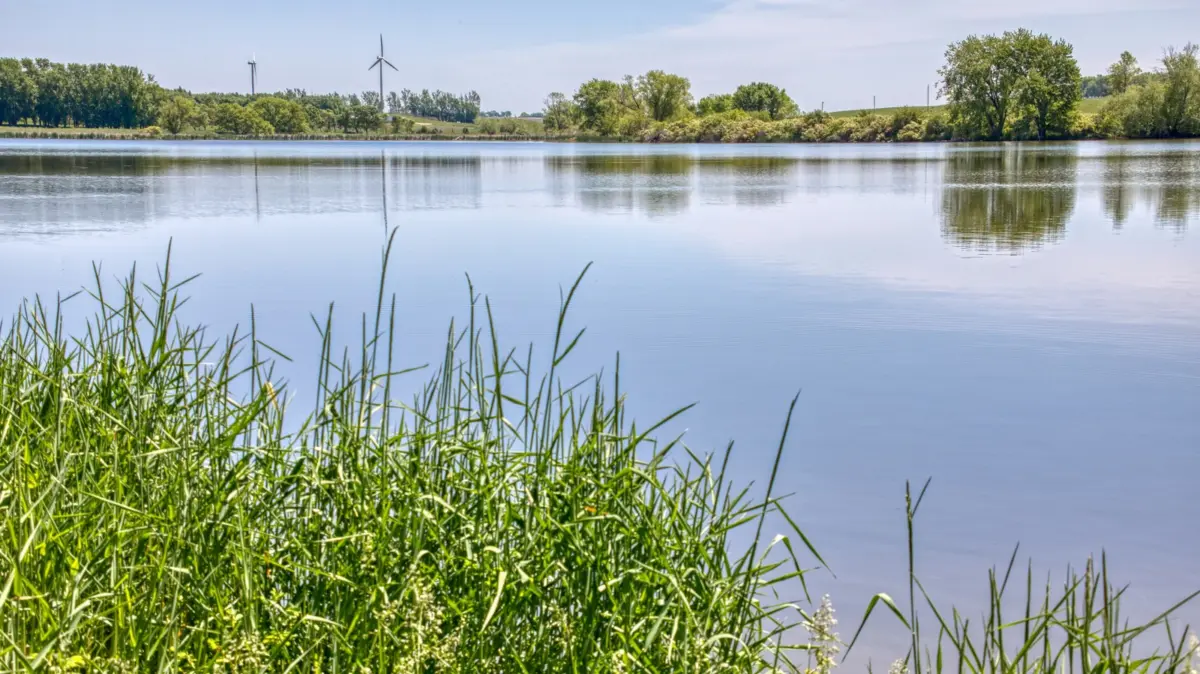
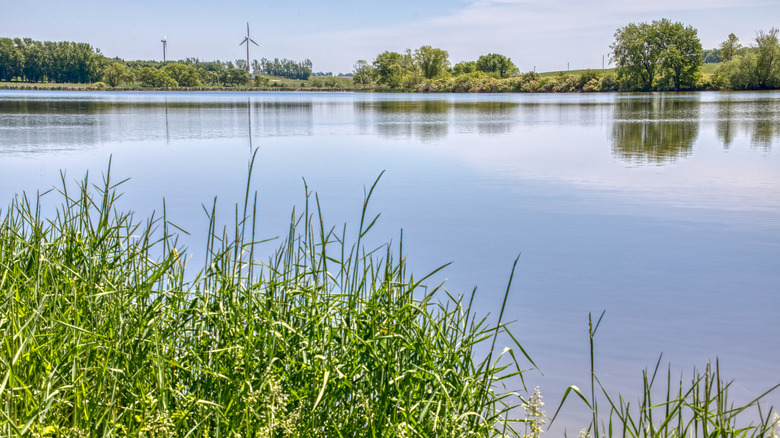
To combat this geographical quirk and foster regional recreation, visionaries of the 1930s engineered a transformative public works project: Split Rock Lake. Nestled less than an hour’s drive from Sioux Falls, South Dakota, Split Rock Creek State Park spans nearly 100 acres of aquatic paradise surrounded by rolling prairies, hardwood pockets, and remnants of history carved from native stone. Drawing fewer than 60,000 visitors annually, this secluded gem offers an intimate, crowd-free alternative to Minnesota’s more heavily trafficked northern resorts.
Whether you are looking to cast a line for walleye, paddle a quiet morning mirror under a 10 mph speed restriction, hike trails blooming with seasonal wildflowers, or pitch a tent beneath a canopy of mature shade trees, Split Rock Creek State Park delivers a quintessential Midwest outdoor experience. This comprehensive report examines the park’s historical origins, its diverse recreational offerings, logistical metrics, and its evolving role as a premier eco-tourism destination in the Northern Plains.
Detailed Chronology: The Engineering of an Oasis
The landscape of southwestern Minnesota has not always welcomed the water-based recreation that modern tourists enjoy. To understand the existence of Split Rock Lake and its surrounding state park, one must look back nearly a century to a time of economic hardship and environmental reimagining.
1937: The Establishment of the Park
Before a single drop of water pooled to form the lake, the State of Minnesota recognized the pressing need for protected public green spaces in its southwestern agricultural frontier. In 1937, Split Rock Creek State Park was officially established by the state legislature. At the time, the designated area was little more than a meandering prairie creek cutting through rocky outcrops and pastoral farmland. State planners envisioned a multi-use sanctuary that would preserve local ecology while providing a much-needed recreational outlet for a region starved of aquatic resources.
1938: The Birth of Split Rock Lake
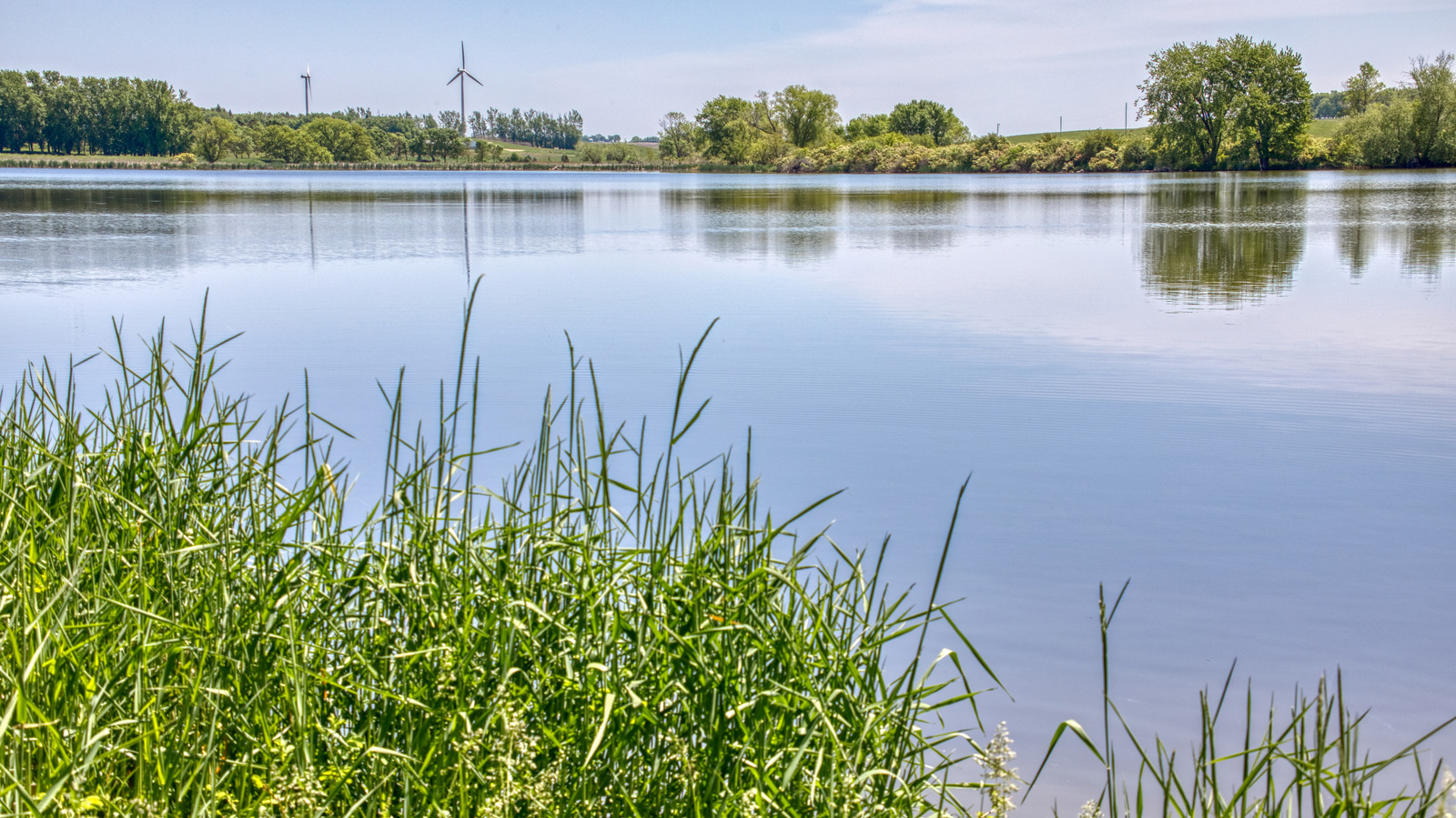
The centerpiece of the park—Split Rock Lake—did not appear by geological accident. In 1938, as part of Depression-era public works initiatives, engineers dammed Split Rock Creek. Laborers utilized massive blocks of locally quarried Sioux Quartzite—a strikingly hued, durable pink-to-purple metamorphic rock native to the region—to construct the dam. This human-made reservoir quickly filled the valley, covering just under 100 acres and instantly altering the local microclimate and ecology.
Modern Evolution and Preservation
Over the subsequent decades, the park evolved from a simple local fishing hole into a formalized state park managed by the Minnesota Department of Natural Resources (DNR). While neighboring regions modernized aggressively, Split Rock Creek State Park managed to retain its rustic, off-the-beaten-path charm. Infrastructure updates over the years—including the addition of an ADA-accessible fishing pier, modern electrical campground hookups, and standardized trail networks—have balanced modern visitor comforts with the preservation of its rugged prairie-and-creek ecosystem.
Supporting Context & Metrics
For travelers, researchers, and outdoor enthusiasts planning a trip, understanding the logistical parameters of Split Rock Creek State Park is vital. Below is a detailed breakdown of the park’s physical dimensions, recreational metrics, and geographic placement:
Geographic & Physical Metrics
- Total Lake Surface Area: Just under 100 acres.
- County Location: Pipestone County, Minnesota (notable as one of only four Minnesota counties with zero natural lakes).
- Annual Visitor Volume: Fewer than 60,000 visitors per year, ensuring a tranquil, uncrowded experience.
- Hiking Trail Network: Approximately 4.5 miles of multi-use trails, featuring easy-to-moderate terrain.
- Campsite Inventory: 33 total drive-in campsites, of which 21 feature electrical hookups. Year-round availability applies, though water and sanitation amenities are seasonal.
Distance and Accessibility Metrics
- From Sioux Falls, SD: ~45 minutes by car (roughly 40 miles east).
- Nearest Commercial Airport: Sioux Falls Regional Airport (FSD).
- Proximity to Jasper, MN: 5 miles north of the nearest quaint small town.
- Proximity to Pipestone National Monument: 15 minutes north via local highways.
Recreational Deep Dive: Fishing, Boating, and Trail Systems
Split Rock Creek State Park punches well above its weight class when it comes to offering diverse outdoor pursuits. Its compact footprint packs a surprising variety of ecosystems—ranging from open water and dense woodlands to prairie restorations and rocky outcrops.
Angling and On-Water Adventures
Fishing stands as the premier pastime at Split Rock Lake. Because the lake was intentionally stocked and managed, it boasts a thriving and diverse population of sport fish. Anglers frequently target:
- Largemouth bass
- Northern pike
- Yellow perch
- Walleye
- Sunfish
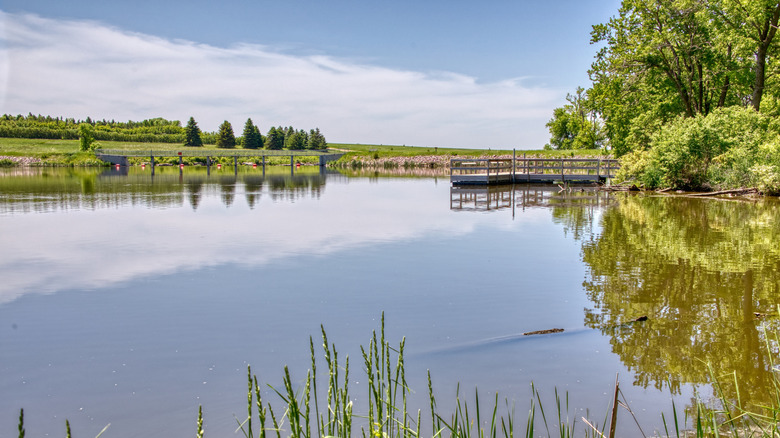
Shoreline access is widely available along the park’s perimeter, and an ADA-accessible fishing pier ensures that anglers of all physical abilities can participate comfortably. For those taking to the water, the park features a dedicated boat launch for small watercraft, alongside a convenient boat dock located adjacent to the campground.
To preserve the peaceful ambiance and ecological health of the park, strict regulations govern the watercraft here. In alignment with Minnesota state laws governing lakes entirely contained within a state park boundary, a strict 10 mile-per-hour speed limit is enforced, and high-speed water sports such as water skiing are strictly prohibited. Consequently, the glassy, calm waters are exceptionally well-suited for non-motorized recreation, including canoeing, kayaking, and stand-up paddleboarding. Watercraft rentals are conveniently available at the park office during peak summer months.
Swimming and Beachfront Recreation
When summer temperatures peak, visitors can cool off at the park’s dedicated sandy beach. Designed with families in mind, the designated swimming area features a gently sloping sandy bottom and shallow water bounded by safety buoys, making it ideal for younger children. Dry-land entertainment is equally accessible, with a sand volleyball court located immediately adjacent to the beach area, offering a complete afternoon retreat for active families.
Hiking the Trails: Prairie, Creek, and Quartzite
Beyond the water, 4.5 miles of scenic trails invite hikers to explore the varied topography of southwestern Minnesota.
- The Split Rock Creek Loop: Serving as the park’s signature hiking route, this trail spans just over 2 miles and offers an easy, accessible trek. It hugs the western shoreline of the lake, snakes alongside the natural course of Split Rock Creek, and dips into pockets of native woods and restored prairie.
- Prairie Hill Overlook: A highlight of the loop trail, this elevated vantage point provides sweeping views of the surrounding countryside, bursting with colorful seasonal wildflowers during the spring and summer months.
- The Historic Dam Overlook: Another essential trail spur guides visitors to the historic stone bridge and the impressive Sioux Quartzite dam structure built in the 1930s, showcasing the impressive craftsmanship of early-20th-century laborers.
Camping Experience and Seasonal Timing
The park’s campground is an arborists’ dream. Densely wooded with tall, mature shade trees, the 33 drive-in sites provide ample privacy and shelter from the elements. Essential amenities include modern showers, a sanitation dump station, and a dedicated campground boat dock.
While the park remains accessible year-round, timing your visit can dramatically alter your experience. According to wilderness and regional tourism analyses, September is widely regarded as the optimal month for camping in Minnesota. During this window, summer humidity breaks, daytime temperatures remain pleasant and crisp, and the notorious upper-Midwest mosquito populations experience a steep seasonal decline.
Official Statements & Regional Perspectives
Regional conservationists and state park management heavily emphasize the unique ecological and socio-economic role that Split Rock Creek State Park plays in an otherwise agricultural landscape.
Minnesota Department of Natural Resources (DNR) planners have long highlighted the park as a crucial "habitat island." In a region dominated by intensive row-crop agriculture and private farmland, the park’s protected acreage serves as an invaluable refuge for migratory birds, white-tailed deer, wild turkeys, and native prairie flora.
Local tourism boards in Pipestone County frequently champion the park as an economic anchor for micro-communities like Jasper. Local business owners note that while major metropolitan hubs like Minneapolis-St. Paul capture national headlines, regional eco-tourists traveling from Sioux Falls and surrounding tri-state areas (South Dakota, Iowa, and Minnesota) rely on quiet sanctuaries like Split Rock Creek to decompress from urban stressors. Travel bloggers and regional outdoor guides, such as Pickles Travel and Wilderness Times, consistently rank the park among the top hidden-gem weekend getaways in the Upper Midwest, praising its blend of accessible water recreation, historical architecture, and lack of commercial congestion.
Future Outlook & Regional Integration
As outdoor recreation trends increasingly favor less-crowded, nature-immersive destinations over hyper-commercialized resorts, Split Rock Creek State Park is positioned for steady, sustainable appreciation. Park management continues to prioritize infrastructure maintenance—ensuring that ADA accessibility, water quality monitoring, and invasive species controls (such as managing Eurasian watermilfoil and zebra mussels) remain top priorities.
Furthermore, the park’s strategic geographic location makes it an essential node in a broader regional tourism corridor. Travelers arriving via Sioux Falls Regional Airport (FSD) can easily construct a multi-day itinerary that bridges urban culture with raw natural history. A typical modern itinerary might begin with arts and dining in downtown Sioux Falls, transition through the picturesque border town of Garretson, South Dakota, spend a peaceful afternoon boating or camping at Split Rock Creek State Park, and conclude with a 15-minute northern detour to Pipestone National Monument—where visitors can witness the sacred red pipestone quarries and cascading twin waterfalls that define the region’s deep indigenous heritage.
By balancing historical preservation, ecological stewardship, and low-impact outdoor recreation, Split Rock Creek State Park ensures that southwestern Minnesota’s premier human-made lake will remain a cherished sanctuary for generations of campers, anglers, and nature lovers to come.