




Executive Overview
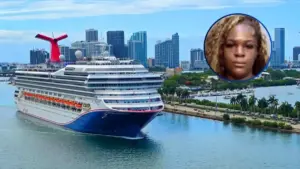
In an aggressive push to reinforce maritime safety protocols and comply with stringent international regulations, Carnival Cruise Line has announced that more than 18,700 vacationers will participate in full, in-person safety briefings. Scheduled for a three-day window between September 26 and September 28, 2026, this mandatory operational overhaul spans five distinct vessels departing from four different homeports.
While the modern era of cruising has largely favored the streamlined, app-based "e-muster" or self-mustering format—introduced widely during the post-pandemic industry restart—regulatory frameworks demand periodic, full-scale physical drills. For thousands of travelers accustomed to casually tapping their cruise cards at a digital terminal or watching a brief instructional video on their stateroom television, this announcement may come as a brief operational disruption. However, cruise executives and maritime authorities emphasize that these physical drills are indispensable for emergency preparedness.
By conducting these large-scale exercises, Carnival ensures that both its passengers and crew remain deeply familiar with emergency evacuation procedures, physical muster station layouts, and life-saving equipment handling. This comprehensive report explores the operational mechanics behind the upcoming drills, the regulatory mandates compelling them, historical context regarding fleet-wide compliance, and what passengers can expect when stepping aboard later this week.
Detailed Chronology and Deployment Schedule
The logistics of orchestrating full-scale safety briefings for nearly 19,000 guests across multiple geographical locations require meticulous coordination between shipboard officers, terminal staff, and shoreside management. The upcoming round of mandatory drills is concentrated precisely between September 26 and September 28, 2026.
Advanced notifications have already been dispatched via email to all booked guests across the affected itineraries. The explicit goal of these early warnings is to eliminate any potential friction, confusion, or surprise at the pier, ensuring that travelers can plan their boarding schedules accordingly.
The Five-Ship Deployment Roster
While specific itineraries and departure ports vary, the operational timeline for the five participating vessels is tightly controlled to ensure that all drills are completed before the ships slip their moorings:
- September 26–28, 2026 Window: Five vessels from four distinct homeports will execute full-scale physical safety drills.
- Departure Schedules and Port Times:
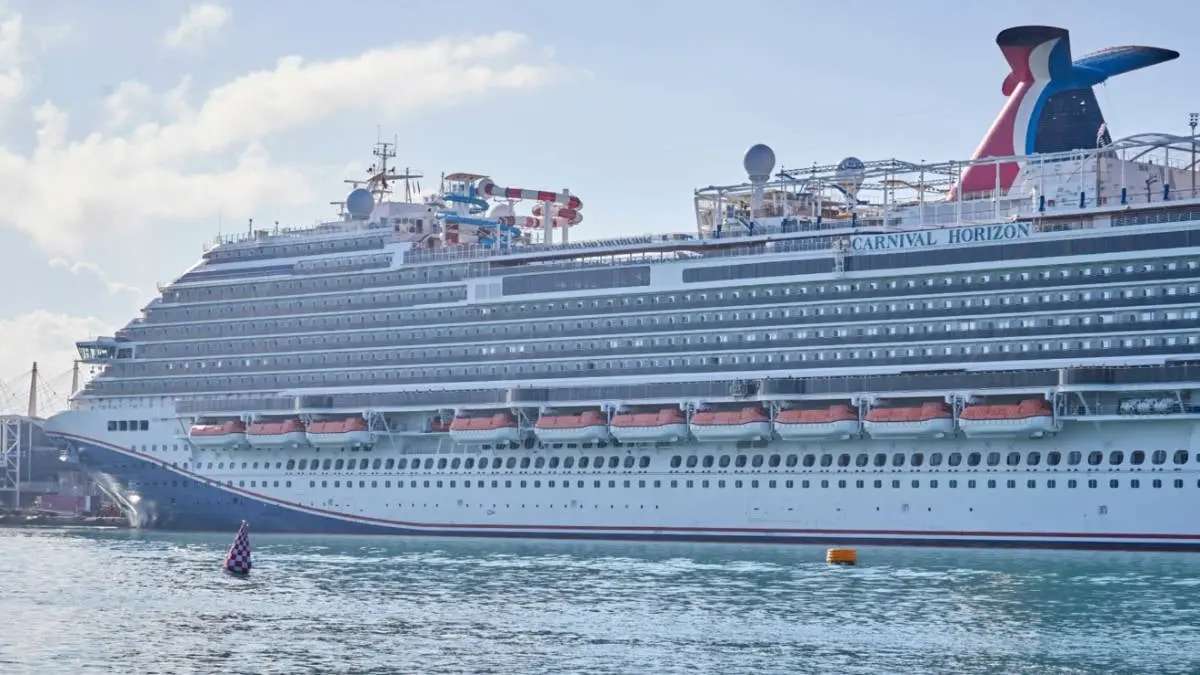
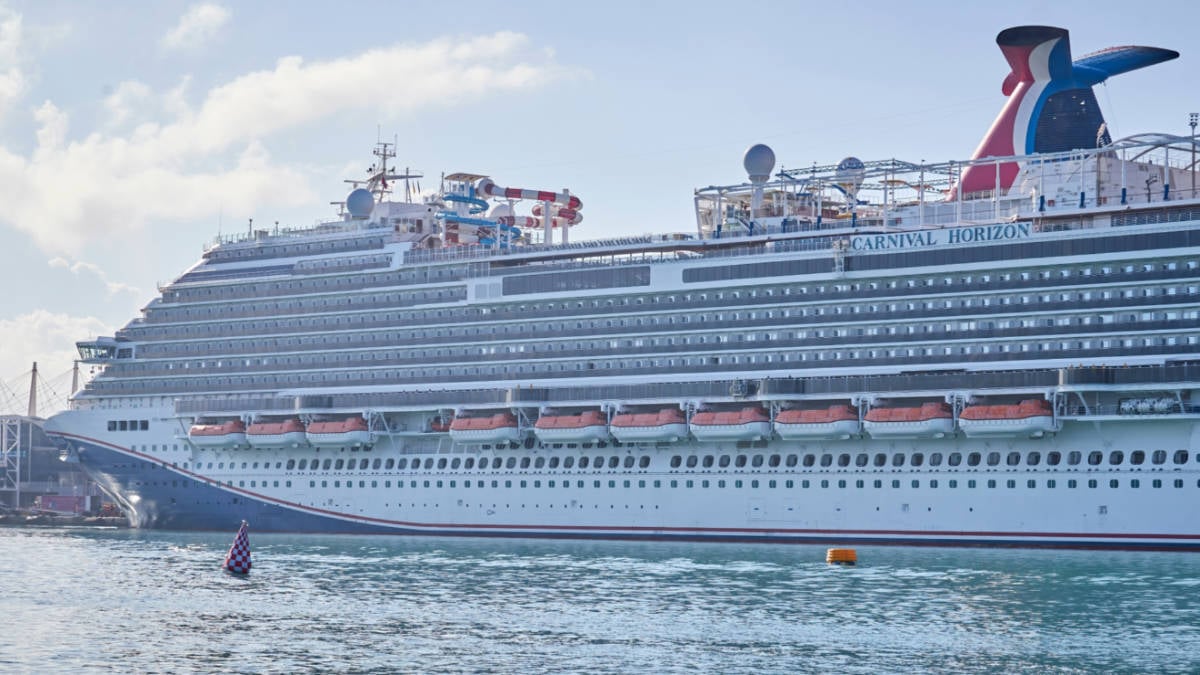
- Four of the participating ships—Carnival Horizon, Carnival Panorama, Carnival Vista, and Carnival Firenze—are scheduled to push off from their respective homeports precisely at 3:30 PM local time.
- Carnival Sunshine is slated for a slightly later departure at 4:00 PM from its homeport in Norfolk, Virginia.
For all five vessels, the rule is absolute: the ship cannot and will not clear customs or depart the pier until every single guest has successfully checked in at their designated physical muster station.
This latest wave follows closely on the heels of similar operational directives issued earlier this month. Cruise Hive previously reported that two other prominent vessels in the fleet—Carnival Magic and Carnival Paradise—were subjected to identical full safety briefings for their departures on September 13 and September 14, respectively. This rhythmic implementation highlights a continuous, rolling compliance schedule rather than an isolated safety event.
Supporting Context & Metrics: Regulatory Mandates and the Evolution of the Muster
To understand why thousands of vacationers must pause their embarkation-day festivities to stand at physical muster stations, one must examine the intricate web of domestic and international maritime law that governs the cruise industry.
The Legal Framework: SOLAS and Coast Guard Oversight
The transition away from exclusive e-mustering is not a matter of corporate whim, but rather a strict legal requirement. Carnival’s brand ambassador, John Heald, has repeatedly addressed passenger inquiries regarding these drills, clarifying that the mandate stems from top-tier international maritime bodies.
"This is something that every single ship needs to do twice a year as per US Coast Guard, Australian Coast Guard, and other government agencies, and SOLAS, Safety of Life at Sea," Heald explained.
Under the International Convention for the Safety of Life at Sea (SOLAS)—the overarching treaty governing maritime safety worldwide—passenger vessel operators must ensure that safety drills are conducted periodically to test the crew’s operational readiness and familiarize passengers with emergency routes. While flag states and regional authorities (such as the United States Coast Guard) permit the convenience of electronic briefings for normal embarkations, they simultaneously mandate periodic physical verifications. These bi-annual full drills serve as an essential audit of the cruise line’s safety infrastructure.
The Scale of the Operation: 18,700+ Guests
Managing over 18,700 guests simultaneously across five different vessels requires a massive allocation of crew resources. Modern mega-ships and Vista-class vessels carry thousands of passengers whose movement must be tracked, guided, and accounted for within a narrow window of roughly 60 to 90 minutes before sailaway.
When hundreds of travelers converge on designated lounges, dining rooms, and open decks simultaneously, the physical strain on crew members is palpable. However, maritime safety experts argue that this real-world friction is precisely why the drills are necessary. Crew members must practice managing crowd flow, directing panicked or confused passengers, and communicating effectively through public address systems under conditions that mimic an actual emergency response.
Official Statements and Passenger Communications
Carnival Cruise Line’s proactive communication strategy is designed to mitigate passenger frustration. Receiving an alert about a mandatory in-person drill can occasionally cause anxiety among travelers who have structured their embarkation day around immediate relaxation, specialty dining reservations, or poolside lounging.
Direct Messaging to Booked Guests
The electronic advisories sent to impacted passengers explicitly outline the necessity of the drill while maintaining a reassuring tone. The core message communicated by the cruise line reads:
"The safety of everyone on board is always our priority, and we are dedicated to maintaining responsible and secure operations. Shortly before departure, a full safety drill will take place on your upcoming sailing. This is a mandatory procedure, and all guests will be required to participate in this brief but essential exercise."
Furthermore, the communications provide explicit guidance on what the process entails once guests cross the gangway. Ship-wide announcements will direct passengers on when and how to move to their stations:
"Ship-wide announcements will provide guidance on the process, which will include collective gathering at your assigned muster station to familiarize yourself with the necessary steps to take in the unlikely event of an emergency."
Step-by-Step Anatomy of a Full Safety Drill
For first-time cruisers or those who have only experienced the post-2020 digital check-in style, participating in a full physical drill involves a specific sequence of events on embarkation day. Knowing what to expect can significantly reduce stress and streamline the process.
1. Pre-Drill Preparation (1:30 PM – Sailaway)
Typically, staterooms are made available to incoming guests by approximately 1:30 PM. Passengers are encouraged to drop off their carry-on bags in their cabins, unpack essentials, and review their cruise cards or the Carnival Hub app to locate their assigned muster station letter or number.
During this pre-drill window:
- Guests do not need to bring heavy luggage or bulky items to the muster station.
- Food and beverage venues, bars, and buffets generally halt service shortly before the drill is initiated to encourage compliance and clear common areas.
2. The Sounding of the Alarm
As the departure window approaches, senior officers will make extensive announcements over the public address system. Shortly thereafter, the ship’s official emergency signal will sound across the vessel: seven short blasts followed by one long blast on the ship’s whistle and alarm system. This sound is specifically designed to be jarring and inescapable, ensuring that every soul on board—regardless of location—is immediately alerted.
3. Gathering at the Muster Station
Guests make their way directly to their assigned physical location, which is usually situated inside public lounges, theaters, or dining rooms rather than out on the open, exposed weather decks (a modern safety upgrade from older historical practices). Crew members are stationed at strategic corridor intersections, stairwells, and elevators to direct traffic and answer questions.
4. Instruction and Demonstration
Once all guests are accounted for at the station, safety officers and assigned crew members conduct a live, interactive presentation. Key elements covered during this phase include:
- Life Vest Demonstration: Clear instructions on how to properly retrieve, don, and secure adult and child life jackets.
- Lifeboat Procedures: Explanations of how lifeboats and marine evacuation systems are boarded, should an abandon-ship order ever be given.
- Youth Security Protocol: Detailed explanations of how children checked into the Camp Ocean or youth programs will be safely reunited with their parents or guardians during an emergency.
- Signal Recognition: Reinforcement of what the ship’s alarm signals mean and how crew instructions will be disseminated.
5. Dismissal and Resume Sailaway
Once the bridge confirms that every single stateroom has been cleared and all guests have been registered via their cruise cards at their respective muster stations, the all-clear is given. The public address system announces the conclusion of the drill, normal shipboard operations instantly resume, bars reopen, and the vessel officially casts off its lines to begin the voyage.
Future Outlook: Balancing Modern Efficiency with Regulatory Rigor
As the cruise industry continues to innovate, the tension between guest convenience and regulatory compliance will remain a defining operational challenge. The widespread adoption of e-mustering revolutionized embarkation day, transforming what was once a chaotic, shoulder-to-shoulder cattle call on open decks into a swift, decentralized digital check-in.
However, maritime regulators—including the U.S. Coast Guard, Australian maritime authorities, and international panels overseeing SOLAS—remain firmly committed to ensuring that digital convenience never eclipses physical readiness. The reality is that algorithms, instructional videos, and smartphone taps cannot fully replicate the tactile experience of standing shoulder-to-shoulder with fellow passengers, listening to live instructions, and physically navigating stairwells under the guidance of crew members.
For Carnival Cruise Line, executing bi-annual full drills across its massive fleet is a non-negotiable cost of doing business safely. While the 18,700 guests sailing between September 26 and September 28, 2026, will experience a minor deviation from their expected embarkation routine, industry experts agree that forty-five minutes of inconvenience is a remarkably small price to pay for absolute peace of mind on the high seas. As long as ships sail across the globe’s vast and unpredictable oceans, the time-tested tradition of the physical safety drill will remain an unyielding anchor of maritime safety.