








Executive Overview
Southern California is globally renowned for its endless stretches of golden sand, iconic surf culture, and vibrant coastal metropolises. Yet, beneath the veneer of urban development and high-traffic corridors lies a vanishing landscape that once dominated the Pacific coastline: natural wetlands. Decades of urban sprawl, agricultural reclamation, and commercial expansion have drastically reduced the region’s historical estuaries, transforming vital ecosystems into concrete infrastructure.
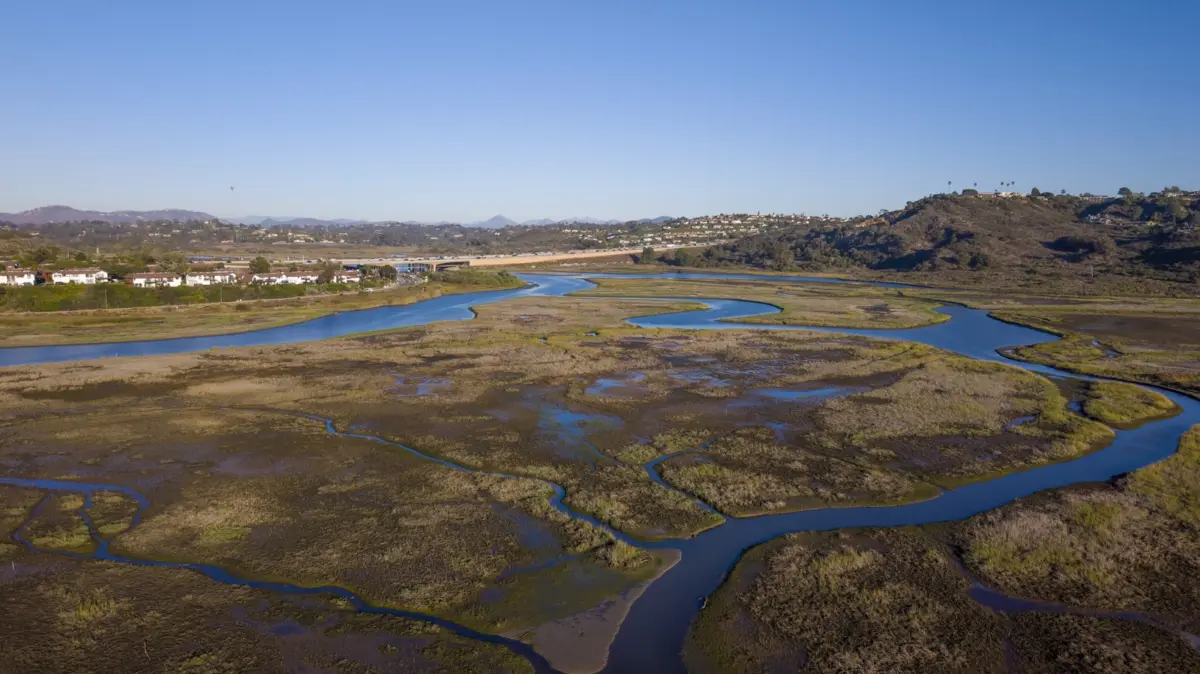
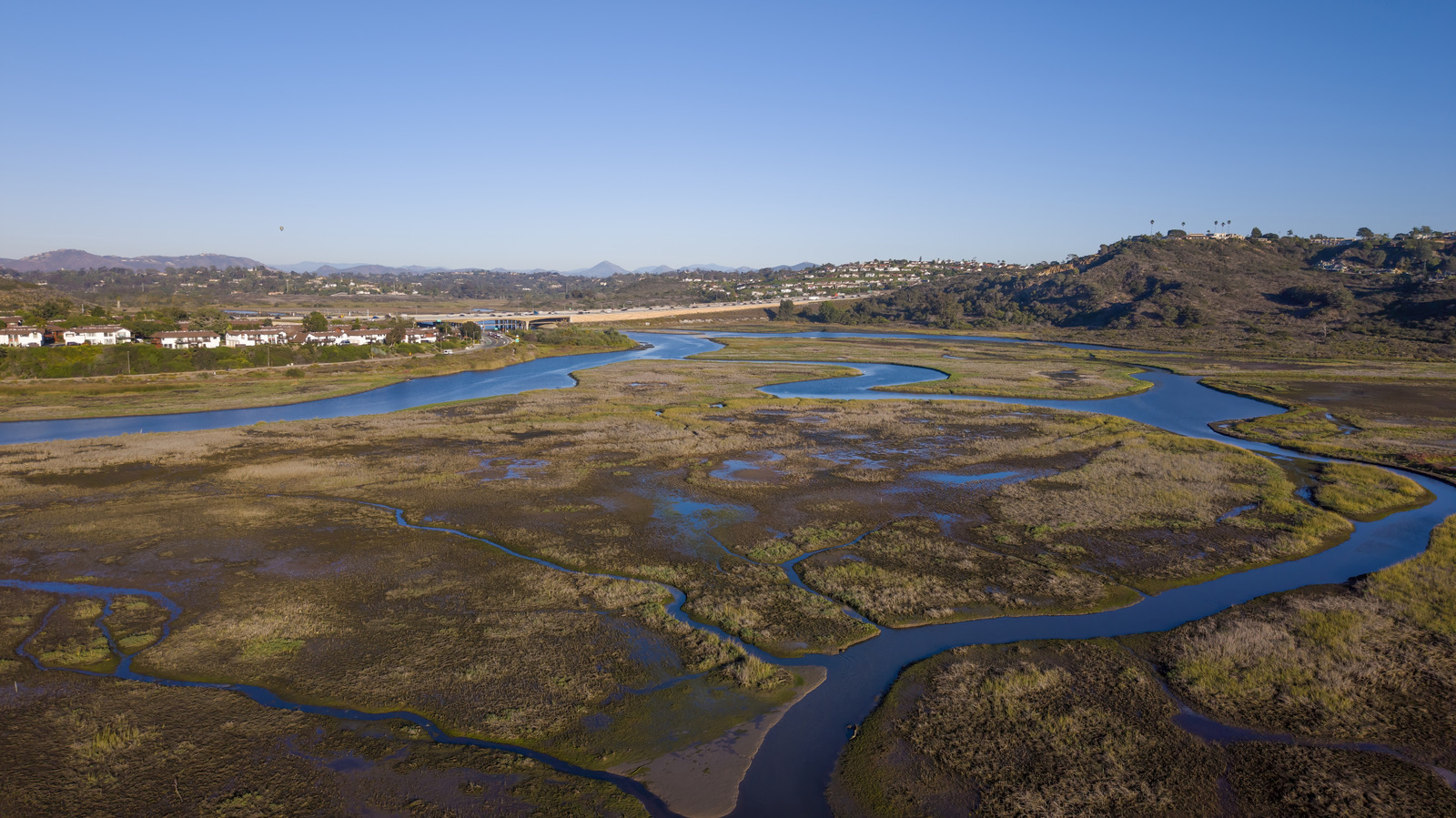
However, hidden in plain sight between the bustling hubs of Los Angeles and San Diego lies a thriving sanctuary that defies the surrounding concrete sprawl. Stretching across nearly 1,000 acres in Cardiff-by-the-Sea, the San Elijo Lagoon Ecological Reserve represents one of the largest and most ecologically vital patches of wetlands remaining in San Diego County. Bisected by Interstate 5, this protected shallow-water estuary serves as a critical biological buffer, a migratory superhighway for avian wildlife, and an outdoor classroom for nature enthusiasts.
Far from a simple roadside distraction, the reserve is a meticulously managed ecological treasure. It features roughly seven miles of dynamic hiking trails, a state-of-the-art interactive Nature Center, and diverse micro-ecosystems ranging from tidal salt marshes to upland chaparral. This comprehensive feature explores the history, ecological significance, trail networks, birdwatching paradise, and future outlook of Southern California’s most underrated nature preserve.
Detailed Chronology of the Reserve
The transformation of the San Elijo Lagoon from a vulnerable, degraded waterway into a protected ecological reserve is a testament to grassroots conservation efforts, legislative foresight, and modern environmental engineering.
Pre-Columbian to Early Settlement Era
Long before Spanish explorers mapped the coast and modern highways carved through the terrain, the San Elijo Lagoon area was a vital resource for the indigenous Kumeyaay and Luiseño peoples. The nutrient-rich estuary provided an abundance of shellfish, waterfowl, and native plant life, serving as a seasonal gathering and subsistence site.
As European and American settlers moved into coastal Southern California during the 19th and early 20th centuries, the landscape underwent rapid alteration. The introduction of agriculture, the construction of coastal railway lines (the LOSSAN rail corridor), and the eventual paving of Pacific Coast Highway and Interstate 5 severely restricted natural tidal flows. The lagoon became choked with sediment, suffered from agricultural runoff, and lost significant portions of its native flora and fauna.
Legislative Protection and the 1980s Establishment
Recognizing the rapid loss of Southern California’s coastal wetlands, environmental advocates, local stakeholders, and state agencies mobilized to protect the remaining fragments. In the early 1980s, the official designation of the San Elijo Lagoon Ecological Reserve was established under the stewardship of the California Department of Fish and Wildlife (CDFW), in partnership with San Diego County Parks and Recreation.

This critical legislative act halted unchecked commercial encroachment and formally recognized the lagoon as an essential ecological asset. The establishment prioritized the preservation of shallow-water habitats, endangered species recovery, and public education.
Modern Restoration and Tidal Inflow Enhancements (2010s–Present)
In recent decades, conservationists identified a critical threat to the reserve: the historic restriction of tidal flushing caused by highway bridges, railway embankments, and sedimentation. Without adequate saltwater exchange, the lagoon faced stagnation, declining dissolved oxygen levels, and degradation of essential habitats.
This culminated in major multi-million-dollar restoration initiatives, notably integrated into the San Diego Association of Governments (SANDAG) and Caltrans I-5 expansion projects. Engineers and ecologists worked to dredge accumulated sediment, widen tidal channels, and construct new bridges that allow unobstructed tidal flow from the Pacific Ocean into the Escondido and La Orilla creeks. Today, the reserve stands as a shining example of successful coastal wetland restoration, balancing human infrastructure needs with ecological resilience.
Supporting Context & Metrics
To truly understand the value of the San Elijo Lagoon Ecological Reserve, one must examine the hard metrics and complex environmental dynamics that govern this protected coastal niche.
Geographic and Ecological Metrics
- Total Acreage: Spanning nearly 1,000 acres of protected public land.
- Trail Network: Approximately 7 miles of multi-use and pedestrian-only trails ranging from flat, accessible loops to rugged sandstone slot canyons.
- Geographic Location: Situated in Cardiff-by-the-Sea, immediately adjacent to Solana Beach, roughly 25 miles north of downtown San Diego and a 2.5-hour drive south of Los Angeles (traffic dependent).
- Watershed Tributaries: Fed primarily by the Escondido Creek and La Orilla Creek watersheds, which drain inland areas before emptying into the Pacific Ocean.
Habitat Diversity
The exceptional biodiversity of the San Elijo Lagoon is directly attributable to its position at the intersection of marine, freshwater, and terrestrial environments. The reserve encompasses a mosaic of distinct plant and animal communities:
- Salt Marshes: Dominated by salt-tolerant vegetation such as pickleweed, cordgrass, and saltgrass, these areas are regularly inundated by ocean tides.
- Freshwater and Brackish Marshes: Found further upstream where creek water mixes with tidal influences, providing critical habitats for amphibians, reptiles, and specialized wading birds.
- Riparian Scrub: A lush canopy of willows, sycamores, and cottonwoods lining the creek beds, offering nesting grounds for songbirds and raptors.
- Coastal Sage Scrub and Mixed Chaparral: Upland ecosystems flanking the valley walls, characterized by drought-resistant shrubs like California sagebrush, lemonade berry, and black sage.
- Coastal Strand: Sandy, wind-swept environments supporting highly specialized native coastal flora.
Exploring the Trails: From Nature Center Loops to Slot Canyons
The San Elijo Lagoon offers an immersive outdoor experience for visitors of all fitness levels. The reserve is bisected by Interstate 5 into two distinct halves—the Eastern Section and the Western Section—each offering unique topographical features.
The Nature Center and Accessible Loops
For families, casual walkers, and those seeking a low-impact outing, the visitor journey typically begins at the San Elijo Lagoon Nature Center. Located on the northern edge of the reserve, the facility features interactive exhibits detailing local history, watershed science, and native wildlife identification. Visitors can pick up detailed trail maps and speak with knowledgeable docents.
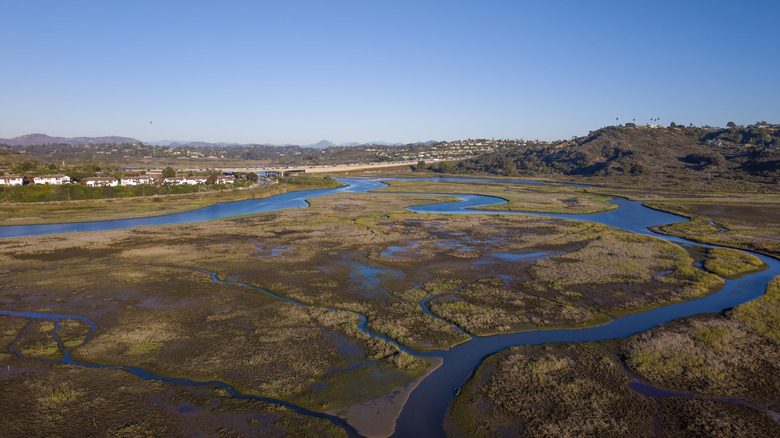
Directly outside the Nature Center, trail options include:
- The Nature Center Loop: A gentle 0.3-mile to 0.7-mile stroll that provides immediate immersion into coastal sage scrub and marshland vistas.
- Scenic Overlooks: Elevated viewing platforms equipped with binoculars and interpretive signage, allowing visitors to scan the water channels for great egrets, ospreys, and harbor seals.
The San Elijo Lagoon Loop and Annie’s Canyon Trail
For hikers seeking a more robust workout, the comprehensive San Elijo Lagoon Loop covers roughly 4 miles, circling the western side of the reserve. This route stitches together several premier pathways, providing sweeping vistas of the lagoon, the Pacific Ocean, and the surrounding coastal cliffs of Solana Beach.
A crown jewel of this trail network is Annie’s Canyon Trail, widely celebrated as one of the top-rated hiking experiences in coastal San Diego County. This unique route guides hikers through a narrow, winding sandstone slot canyon. Featuring steep earthen walls carved by wind and water, the trail culminates in a short, invigorating climb to a panoramic viewpoint overlooking the entire coastal plain and ocean horizon.
Avian Haven: A Birdwatcher’s Paradise
While casual motorists speed along Interstate 5 unaware of the ecological wealth below, professional ornithologists and amateur birdwatchers recognize the San Elijo Lagoon as a premier avian hotspot in North America.
The Pacific Flyway Connection
The reserve acts as a crucial refueling and nesting station along the Pacific Flyway, a major north-south migratory corridor spanning from Alaska to Patagonia. Millions of shorebirds, waterfowl, and neotropical migratory songbirds rely on the sheltered waters, mudflats, and marsh vegetation of the lagoon to rest and feed during their grueling seasonal journeys.
Exceptional Species Diversity
- Total Recorded Species: Bird lists compiled through platforms like eBird indicate that over 240 species have been documented on the eastern side of the reserve, while nearly 300 species have been recorded in the western section.
- Raptors and Wading Birds: Frequent visitors include the majestic Osprey, Belted Kingfisher, Great Blue Heron, Snowy Egret, and Great White Egret.
- Endangered and Rare Residents: The reserve serves as a vital protected breeding habitat for several highly endangered or threatened native species, including the California Least Tern, the Light-footed Ridgway’s Rail, and the Belding’s Savannah Sparrow.
Optimal Viewing Conditions
Birdwatchers are consistently rewarded by timing their visits with the tides. During low tide, the receding waters expose rich mudflats, prompting shorebirds to forage actively in the shallows. Photographers and wildlife enthusiasts find the early morning and golden sunset hours ideal for observing bird behavior while basking in the tranquil beauty of the marshlands.
Official Statements and Conservation Perspectives
Management of the San Elijo Lagoon Ecological Reserve requires a delicate balance between public recreation, education, and aggressive habitat protection. Land managers and conservation authorities emphasize the fragility of the ecosystem and the ongoing need for community vigilance.
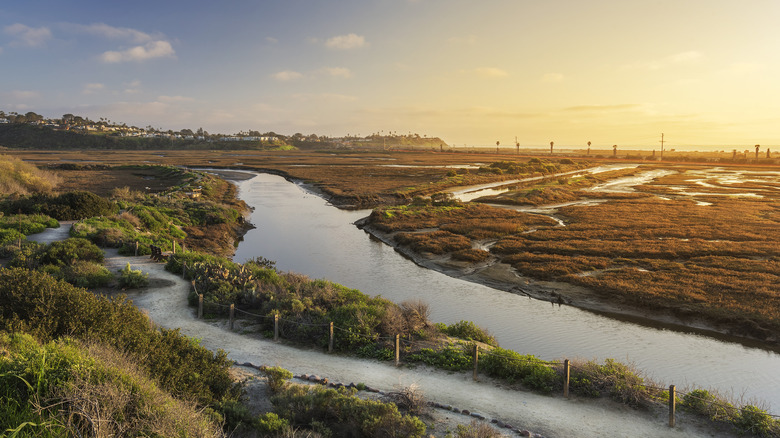
"The San Elijo Lagoon is not merely a scenic backdrop for commuters on the I-5; it is a fully functioning, highly complex biological engine," notes regional park administration literature. "Every acre of restored wetland directly contributes to water quality improvement, carbon sequestration, and the survival of species that exist nowhere else on the planet. Our mandate is to welcome the public while safeguarding these irreplaceable natural habitats for generations to come."
Local conservation groups, including the Nature Collective, emphasize that community science initiatives—such as volunteer water quality monitoring, native plant restoration planting days, and guided bird censuses—are vital to the long-term health of the reserve. As urban pressures continue to mount along the Southern California coastline, the collaborative framework between the California Department of Fish and Wildlife, San Diego County Parks, and local non-profits serves as a national model for urban wetland management.
Future Outlook
Looking toward the horizon, the San Elijo Lagoon Ecological Reserve faces both significant challenges and promising opportunities.
Climate Change and Sea-Level Rise Adaptation
Like all coastal ecosystems worldwide, the reserve is vulnerable to the impacts of global climate change, particularly accelerated sea-level rise and changing precipitation patterns. Rising ocean levels threaten to squeeze tidal marshes against hardened human infrastructure, a phenomenon known as "coastal squeeze."
To combat this, forward-thinking environmental planners and regional agencies are designing adaptive management strategies. These include securing upland buffer zones to allow salt marshes to naturally migrate inland as sea levels rise, ensuring the long-term survival of tidal habitats.
Expanding Educational Outreach and Community Stewardship
Future plans for the reserve focus heavily on enhancing environmental education programs for underserved youth in San Diego and Orange counties. By expanding interactive school field trips, digital nature guides, and immersive learning labs at the Nature Center, managers aim to cultivate the next generation of environmental stewards.
Preserving a Quiet Sanctuary
Ultimately, the future of the San Elijo Lagoon Ecological Reserve rests on its ability to remain an accessible, tranquil sanctuary in the heart of a densely populated urban corridor. Whether visitors come to hike the sandstone slot canyons of Annie’s Canyon, photograph a hunting osprey during low tide, or simply escape the relentless pace of Southern California traffic, the reserve stands as a powerful reminder of the resilience of nature when given a chance to heal and thrive.