







Executive Overview
To the casual Caribbean traveler, Philipsburg, St. Maarten, is often summarized by its logistical utility: a bustling duty-free shopping hub, a reliable cruise ship port-of-call, and a dense network of high-end jewelry stores. For decades, guidebooks and itineraries have pigeonholed this Dutch-side capital as a quick morning stop for tourists stepping off mega-liners to browse discounted Swiss watches and French perfumes before retreating to their floating resorts.
This narrow perception, however, obscures a far richer reality. Spend an uninterrupted 24 hours in Philipsburg, and the true character of the town reveals itself. Far from being a mere commercial staging ground, Philipsburg is one of the most vibrant, walkable, and culturally distinct beach towns in the entire Caribbean.
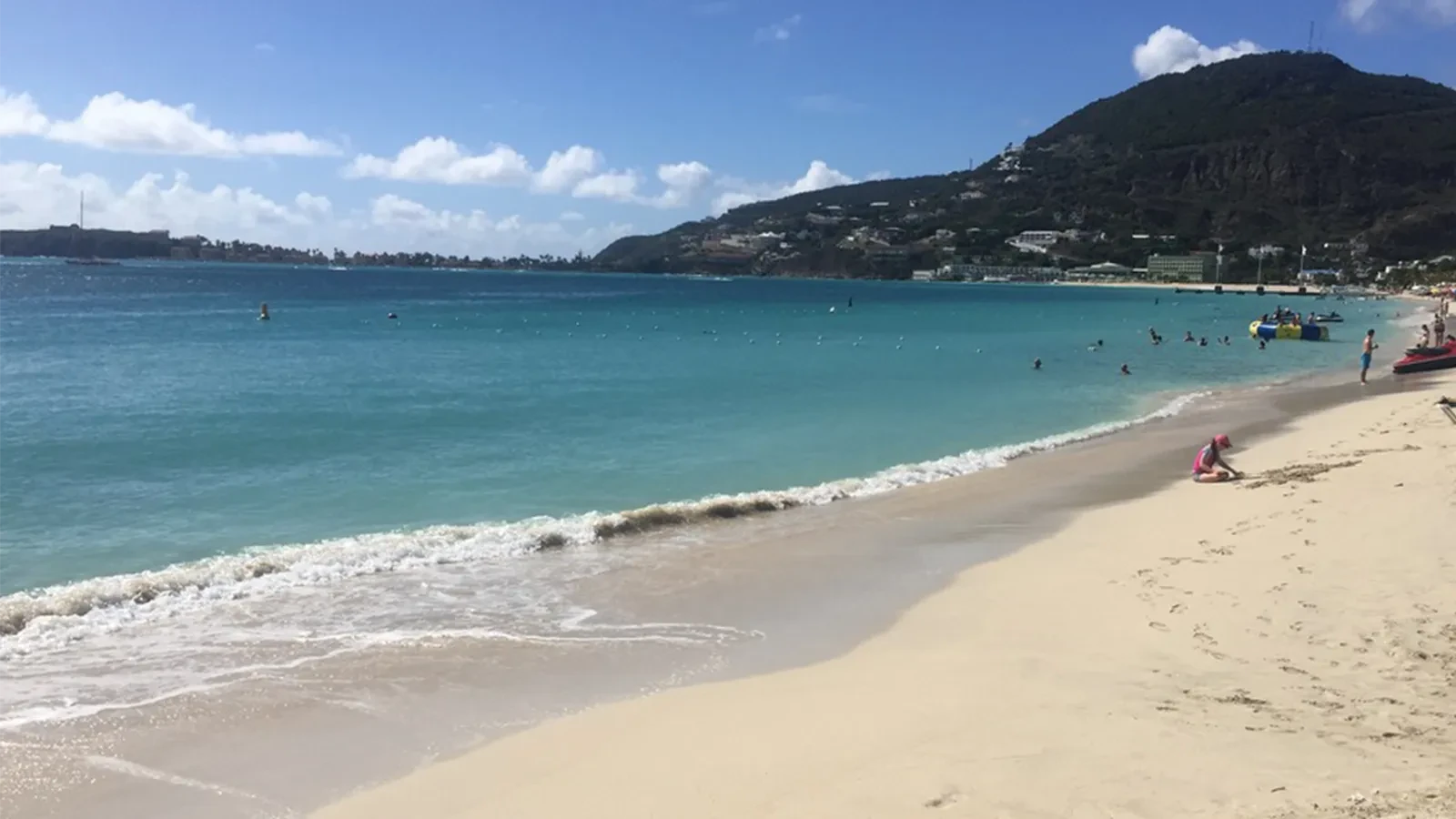
At its geographical heart lies Great Bay—a sprawling, turquoise-hued crescent of sand that easily rivals the island’s more famous northern and western shores, yet offers something none of them can duplicate: an entire historic, living town directly behind the breakers. Flanked by the lively wooden planks of the Boardwalk and the historic arteries of Front Street, Philipsburg compresses a world of sensory experiences—rum-laced neighborhood bars, generations-old family businesses, colonial-era architecture, and world-class seaside dining—into a delightfully compact footprint.

This deep-dive investigation reexamines Philipsburg, peeling back the layers of cruise-port gloss to uncover a resilient, dynamic destination that rewards the patient traveler with unmatched urban-beach integration.
Detailed Chronology: A Day in the Life of Philipsburg
To truly understand the rhythm of Philipsburg, one must experience its unfolding architecture of time. The town does not operate on rigid schedules; rather, it flows organically from morning maritime stillness to afternoon commercial vibrancy, and finally into the golden hour serenity enjoyed by overnight guests.
08:30 AM – The Morning Awakening and Great Bay Immersion
The ideal day in Philipsburg begins not with commerce, but with immersion. While most day-trippers are still clearing security at the Dr. A.C. Wathey Cruise Facility, the savvy traveler is already making tracks for Great Bay.
The morning water is at its most crystalline—cool, calm, and reflecting the brilliant azure of the Caribbean sky. Unlike Maho Beach, famous for its roaring jet blasts, or Orient Bay, dominated by high-octane European beach clubs, Great Bay offers a pristine, unobstructed swimming experience framed by rolling green hills.
[Morning: Great Bay Swim] ──> [Mid-Day: The Boardwalk Stroll] ──> [Afternoon: Front Street & Juggie's] ──> [Evening: Post-Cruise Calm]Stepping straight out of the surf onto the wooden Boardwalk, the air smells of salt spray and brewing Caribbean coffee. Early risers can claim a prime spot at a beachfront cafe before the steady influx of morning ferries and water taxis begins to populate the harbor.
11:00 AM – Navigating the Boardwalk and Coastal Rhythms
By late morning, the Boardwalk comes alive. Navigating this brick-and-wood promenade reveals an unbroken chain of open-air restaurants, watering holes, and craft bars.
This is the time to settle into a shaded table at Taloula Mango’s or the adjacent Blue Bitch Bar. Perched mere feet from the tide, these establishments serve as ideal observation posts. Local water taxis slice across the harbor, ferrying passengers to and from the cruise piers, while cruise behemoths loom majestically on the horizon.
A cold local beer or a classic rum punch sets the tempo. The culinary offerings here—ranging from zesty fish tacos and smoky ribs to Creole-spiced grouper—are matched only by the immersive people-watching. Just steps away, venues like the Lazy Lizard Restaurant & Craft Bar and Big Bastaard’s Beach Bar offer casual invitations to let a planned ten-minute rest morph into an impromptu, leisurely lunch.
01:30 PM – Front Street Commerce and Micro-Adventures
Leaving the sea breeze behind, a short walk inland leads to Front Street, the historic commercial backbone of St. Maarten. Laid out in the 18th century, this narrow corridor is legendary for its duty-free retail landscape.
However, reducing Front Street to generic souvenir shops is a mistake. Institutions like Caribbean Gems, which has anchored the strip since the 1980s, reflect a deep tradition of familial merchant culture. Here, relationships matter; repeat visitors to St. Maarten frequently bypass newer outlets to return to the exact same jewelers and salespeople year after year, exchanging news and catching up over high-end timepieces and loose diamonds.
Weaving away from the main commercial drag on a quest for the unexpected inevitably leads to Juggie’s Place. Tucked into a microscopic alleyway just off Front Street, Juggie proudly claims his establishment is the smallest bar in the world. With room for only a handful of patrons, it offers an authentic snapshot of old-school Caribbean hospitality. Amidst the hum of conversation, cigars, and vintage rum, visitors are inevitably offered Juggie’s signature concoction: a legendary chocolate "milkshake" executed entirely without milk, fortified instead with a potent dose of local rum.
04:00 PM – The Shift: When the Ships Depart
As the afternoon sun begins its descent, a palpable shift occurs across Philipsburg. The mass exodus of cruise passengers back to the port initiates a quiet transformation.
For guests staying overnight on the island, this is the golden hour. The crowds thin out, the noise level drops, and the town exhales. Great Bay regains its expansive, tranquil character, and the Boardwalk settles into an easygoing evening rhythm.
This is the optimal window to explore Walter Plantz Square, grabbing a waterfront seat at the Lay Back Beach Bar & Grill, or catching a live sporting match at Marley’s Sports Bar & Grill. Alternatively, an evening cocktail at the sophisticated Ocean Lounge provides a refined counterpoint to the daytime revelry.
Supporting Context & Metrics: The Anatomy of a Beach Town
To contextualize Philipsburg’s unique urban-beach dynamic, it is essential to examine the geographical and historical metrics that define its layout.
Historical and Geographical Compression
Founded by Dutch commander John Philips in 1763, the town was purposefully laid out on a narrow strip of sandbar separating the open waters of Great Bay from the ecologically vital Great Salt Pond. This specific geography forced a tightly compressed urban grid:
- Two Main Arteries: Front Street (commercial/retail) and the Boardwalk (recreational/dining) run parallel, separated by barely two blocks.
- Connecting Lanes: A dense network of historic alleyways, cross-streets, and courtyards (such as Cyrus Wathey Square) bridge the gap between commerce and coastline.
- Walking Radius: The entire historic core of Philipsburg can be traversed on foot in under 20 minutes, requiring zero vehicular transit for a full day of exploration.
Comparative Resort Metrics
| Beach Destination | Primary Draw | Town Integration | Crowd Dynamics |
|---|---|---|---|
| Maho Beach | Aviation photography / Jet blast | Low (isolated bars/hotels) | High turnover, intense bursts |
| Orient Bay | European beach clubs / Watersports | Moderate (village a short walk away) | Steady resort-style tourism |
| Mullet Bay | Local surf culture / Natural shade | Minimal (golf course/nature) | Balanced local and tourist mix |
| Philipsburg (Great Bay) | Urban-beach synergy / Duty-free retail | Maximum (seamless integration) | Dynamic (heavy cruise peaks, serene evenings) |
As the metrics demonstrate, Philipsburg is the only major destination on the island where a traveler can transition from deep-water swimming to high-end diamond shopping and fine dining within a three-minute walk, without ever losing sight of the sea.
Official Statements & Local Perspectives
The enduring appeal of Philipsburg is best articulated by those who have lived, worked, and shaped its commercial and cultural landscape over generations.
On the Evolution of Front Street Retail:
"People often mistake us for a transit hub, but the true soul of Philipsburg lives in the continuity of our community," notes a veteran merchant operating along Front Street for over thirty years. "When a family returns to our shop year after year, generation after generation, they aren’t just buying jewelry or watches; they are renewing a personal connection to St. Maarten. That loyalty cannot be manufactured by a cruise itinerary."
On the Unique Balance of Urban and Natural Assets:
"We fought hard to ensure that the Boardwalk project respected the natural curve of Great Bay," explains a local municipal planning official. "The goal was never to wall off the ocean with concrete, but rather to create a living room for the town. When you sit at a bar like Blue Bitch or Taloula Mango’s, you aren’t separated from the sea—you are floating above it while remaining deeply rooted in the history of the Dutch side."
On the Micro-Bar Culture:
"Big resorts give you luxury, but places like Juggie’s give you a story," says a long-term expatriate and frequent visitor to the capital. "You walk in for a ten-minute pit stop to escape the afternoon heat, and two hours later you’ve solved world peace over a rum milkshake with people from five different continents. That is the magic you miss if you treat Philipsburg like a checklist."
Future Outlook: Preserving Authenticity in a Changing Caribbean
As the Caribbean tourism sector continues to rebound and evolve in the post-pandemic era, capital cities like Philipsburg face a delicate balancing act. The ongoing expansion of regional cruise infrastructure guarantees a steady stream of daytime foot traffic, but destination management organizations (DMOs) are increasingly shifting their focus toward sustainable, experiential tourism.
Key Focus Areas for Philipsburg’s Future:
- Pedestrianization and Urban Greening: Municipal discussions are underway to further restrict vehicular traffic along key corridors of Front Street during peak tourism hours, enhancing walkability and reducing carbon emissions within the historic core.
- Cultural Preservation of Historic Architecture: Protecting the 18th- and 19th-century Dutch colonial buildings interspersed along the side streets is paramount. Preservationists are advocating for tax incentives for property owners who maintain authentic facades rather than modernizing into generic retail boxes.
- Promoting Overnight and Evening Economies: Tourism boards are actively marketing the "after-hours" appeal of Philipsburg. By encouraging visitors to stay past 5:00 PM—highlighting sunset dining options, boutique harbor-side inns, and cultural events around the historic Courthouse and Cyrus Wathey Square—the local economy benefits from a more balanced, resilient tourism model.
Conclusion: The Ultimate Recommendation
The definitive takeaway for any traveler plotting a course for St. Maarten is clear: do not treat Philipsburg as an errand.
Resist the temptation to drive in, pick up a duty-free item, and immediately flee to a more remote stretch of sand. Give the town the full day it demands. Begin with a morning swim in the underrated, crystal-clear waters of Great Bay. Meander along the Boardwalk to sample local rum and watch the harbor traffic. Infiltrate the narrow alleyways to find Juggie’s Place, browse the generational storefronts of Front Street, and linger over a long, unhurried seaside lunch.
By approaching Philipsburg as a living, breathing destination rather than a shopping mall with a beach attached, you unlock one of the most rewarding, multi-layered urban-beach experiences the Caribbean has to offer. That is why travelers who think they know St. Maarten always find themselves coming back for more.