






Executive Overview
When the modern traveler conjures up images of Florida, the mind is almost invariably swept toward the neon-lit monoliths of sprawling theme parks, the endless expanse of manicured golf courses, or the lucrative, sun-drenched orange groves that line the peninsula’s agricultural heartland. Yet, these multi-billion-dollar commercial identities represent only a recent chapter in a much deeper, rugged history. Long before the arrival of Mickey Mouse or the commercial citrus barons, Florida was wide-open cow country—serving, in fact, as the literal birthplace of the American cattle ranching industry.
Tucked quietly away in the heart of Osceola County, just a thirty-minute drive southeast of downtown Orlando, lies a living monument to this forgotten era: Peghorn Nature Park and Trails. Situated within the charming, affordable, and historically rich city of St. Cloud, this nearly 60-acre sanctuary offers a profound dual identity. It operates simultaneously as a fiercely protected native wetland ecosystem and a tangible historical archive. Established in the 1990s to safeguard some of the region’s last remaining pristine marshlands, Peghorn derives its unusual and evocative moniker from the historic local cattle that grazed these very lands in the early 20th century—animals uniquely distinguished by their odd, wooden peg-shaped horns.
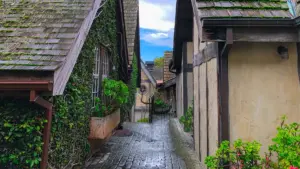
Today, this verdant green space provides a much-needed respite from the relentless urban sprawl of Central Florida. Boasting approximately two miles of meticulously maintained pathways, an authentic "Cracker village" replica homestead, and a thriving wildlife habitat situated along the vital Atlantic Flyway, Peghorn Nature Park invites historians, naturalists, and everyday travelers alike to step backward in time. This investigative and descriptive feature explores the rich tapestry of Peghorn Nature Park, examining its historical origins, its ecological significance, its immersive pioneer architecture, and its outlook for the future as it balances historical preservation with the pressures of modern suburban encroachment.

Detailed Chronology: From Open Range to Environmental Sanctuary
To fully appreciate the serenity of Peghorn Nature Park, one must retrace the historical steps that transformed Central Florida from an untamed wilderness into a bustling frontier, and finally into a protected ecological haven.
The Pre-Colonial and Early Ranching Eras
Centuries before the establishment of St. Cloud, the wetlands and pine flatwoods of Osceola County were inhabited by indigenous peoples who relied on the rich biodiversity of the Kissimmee River basin. However, the foundational identity of the modern region was forged in the 16th century when Spanish explorers introduced cattle to the Florida peninsula. These hardy Spanish cattle adapted exceptionally well to the subtropical climate, thriving in the palmetto flatwoods and marshy prairies.
By the 19th and early 20th centuries, Florida’s "cracker cowboys"—named for the sound of the whips they used to herd cattle rather than the food—had established a booming open-range cattle industry. The land that now encompasses Peghorn Nature Park was a vital grazing ground for these historic herds. It was during this era that local ranchers managed cattle known for their peculiar, peg-shaped horns—a distinct biological or physical adaptation that ultimately inspired the park’s modern name.
The Founding of St. Cloud and the 20th Century
The modern urban context of the park began to take shape in the early 20th century. St. Cloud was officially founded in 1909 as a colony for Union veterans of the American Civil War, earning it the enduring nickname "The Soldier City." As the community grew, agriculture, timber, and cattle remained the economic lifeblood of the region.
For decades, the acreage that would become Peghorn Nature Park remained largely rural, functioning as private pasture and timberland. However, as the post-World War II population boom swept through Central Florida—accelerated exponentially by the 1971 opening of Walt Disney World just miles to the west—natural habitats throughout Osceola County faced unprecedented developmental pressures.
Establishment and Evolution in the 1990s
Recognizing the rapid loss of native wetlands and historical agricultural lands, local municipal leaders and environmental advocates banded together in the 1990s to secure and preserve the parcel. Officially designated as Peghorn Nature Park and Trails, the site transitioned from a neglected tract of rural land into an officially protected public green space.
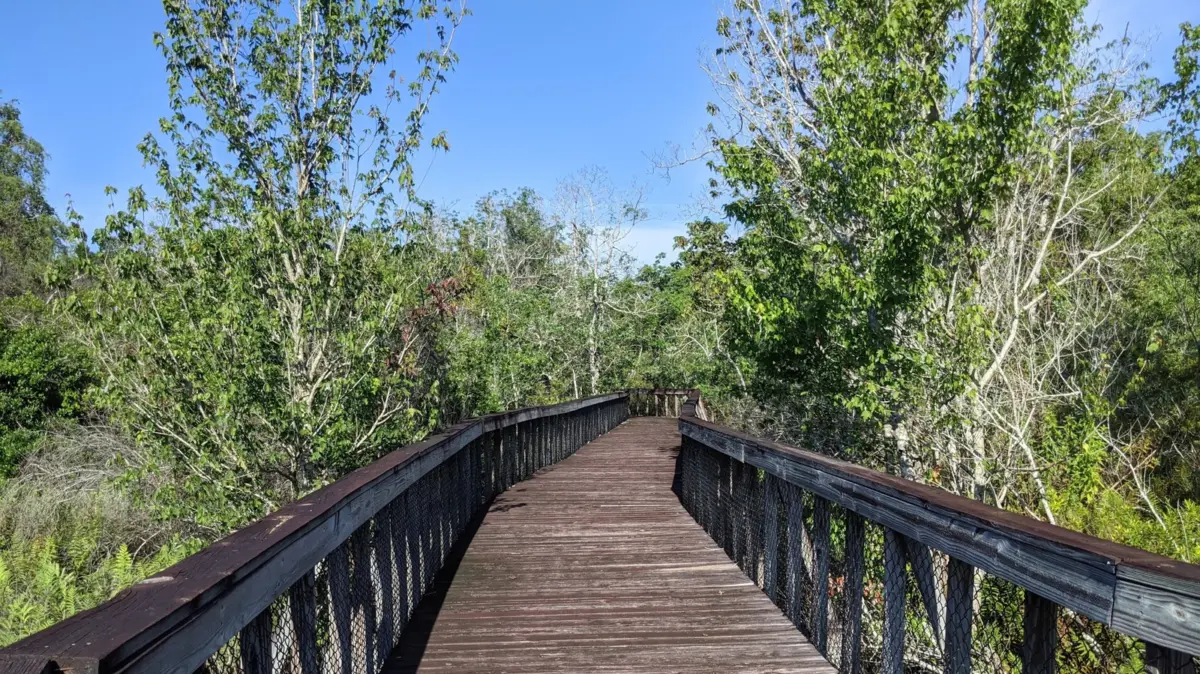
Over the subsequent three decades, the City of St. Cloud, in collaboration with conservationists and historical societies, invested in the park’s infrastructure. They constructed elevated boardwalks, mapped out the Orange and Blue trail loops, built a comprehensive trailhead center, and meticulously relocated or reconstructed historical structures to form the park’s signature "Cracker village." This careful evolution transformed Peghorn from a simple patch of woods into a multi-faceted educational and recreational destination.
Supporting Context & Metrics: Navigating the Landscape of Peghorn
Understanding the ecological and structural dimensions of Peghorn Nature Park requires a closer look at the quantitative metrics that define this protected greenspace. The park operates as a micro-ecosystem, packing a tremendous amount of biodiversity and historical replication into a remarkably accessible footprint.
Geographical and Structural Metrics
- Total Land Area: Spans approximately 60 acres of protected native terrain, ensuring a dense concentration of distinct micro-habitats.
- Trail Network: Offers roughly 2 miles of interconnected pathways, divided primarily into two distinct routes:
- The Orange Trail: Covering less than 0.75 miles, this shorter path features elevated boardwalks slicing through dense foliage and leading directly to a prominent wooden observation deck over the water.
- The Blue Trail: A more expansive route that plunges deeper into the park’s woodsy interior, offering hikers a fully immersive wilderness experience.
- Geographic Proximity: Located directly within the city limits of St. Cloud, Florida (Osceola County), conveniently positioned near U.S. Route 192 and Florida’s Turnpike, placing it roughly a 30-minute drive southeast of downtown Orlando.
- Regional Connectivity: Situated roughly 30 miles north of the expansive Three Lakes Wildlife Management Area, creating a crucial ecological stepping stone for regional wildlife.
Flora and Fauna Metrics
Peghorn Nature Park is a botanical and zoological treasure trove, characterized by several distinct vegetative zones:
- Tree Canopy: Dominated by native southern cypress, majestic live oaks, and swaying sabal palms, creating deep, cooling shade across the trail network.
- Horticultural Additions: Features dedicated pollinator-friendly zones, including a thriving butterfly garden, a vibrant wildflower plot, a community garden, a plant nursery, and a nostalgic citrus grove that nods to Florida’s agricultural history.
- Avian Diversity: As a recognized stopover along the Atlantic Flyway—the major avian migratory corridor stretching along the eastern seaboard of the United States—the park plays host to a rotating cast of migratory and resident bird species, including numerous varieties of herons, wading ducks, and plovers.
- Terrestrial and Aquatic Wildlife: The park’s wetlands and pinelands support a healthy population of native fauna, including American alligators, river otters, cottonmouths and other native snakes, bobcats, raccoons, cottontrees/rabbits, and various species of freshwater turtles. The historic farmstead also maintains a modest, educational chicken coop, connecting visitors to traditional agrarian animal husbandry.
Official Statements & Community Perspectives
The significance of Peghorn Nature Park extends far beyond its physical boundaries; it lives profoundly in the collective appreciation of the community, local historians, and the thousands of visitors who walk its trails each year.
Voices from the Trail: Visitor and Hiker Sentiments
Public commentary on platforms like TripAdvisor, Alltrails, and Google Reviews consistently underscores the park’s unique ability to transport modern visitors away from the frantic pace of Central Florida’s tourism corridor.
- The Historical Journey: One prominent TripAdvisor reviewer characterized the park as an engaging "journey to the past" suitable for all generations, noting, "Children can see tools used by older generations… Everyone will enjoy it." This sentiment highlights the intentional educational design of the park’s pioneer village.
- The Natural Sanctuary: A seasoned hiker on Alltrails praised the park’s tranquil environment, writing, "Lots of beautiful trees and flowers. Plenty of benches throughout the trail to stop and enjoy the moment." Another recent rambler on Google Reviews echoed this peace, describing Peghorn as a "relaxing place with a lot of history" and a "nice place to just go and sit in the quiet of nature."
Municipal Vision and Stewardship
City officials in St. Cloud have long maintained that preserving spaces like Peghorn Nature Park is non-negotiable for maintaining community identity amidst hyper-growth. In municipal planning documents, the park is frequently cited as a vital component of St. Cloud’s "green infrastructure."
Local park management emphasizes that the preservation of Peghorn’s native wetlands serves a dual purpose: not only does it provide a sanctuary for threatened flora and fauna, but it also acts as a natural retention and filtration system for the local watershed, mitigating the environmental impacts of urban expansion. Furthermore, the inclusion of the 1930s original cannery, the replica schoolhouse, and the blacksmith shop is viewed by local historians as an essential public trust—ensuring that the sacrifices, ingenuity, and daily realities of Florida’s "Cracker" pioneers are never erased by the concrete developments of the 21st century.
Future Outlook: Balancing Preservation and Progress in Central Florida
As Osceola County continues to rank among the fastest-growing regions in the United States, Peghorn Nature Park faces a delicate and critical balancing act in the years ahead.
Conservation Challenges Amid Rapid Urbanization
The primary challenge facing Peghorn Nature Park is the relentless pressure of suburban encroachment. As housing developments, strip malls, and highway expansions push outward from Orlando and Kissimmee, isolated urban green spaces like Peghorn face the risk of ecological fragmentation. Without careful buffer zones and active habitat management, urban parks can become biological islands, cutting off wildlife corridors and degrading water quality within their native wetlands.
To combat these pressures, local environmental agencies and municipal planners are focusing on regional connectivity. By maintaining strong ecological links between urban sanctuaries like Peghorn and larger, remote preserves such as the Three Lakes Wildlife Management Area to the south, conservationists hope to ensure the long-term genetic health of local wildlife populations, including migratory birds, bobcats, and apex predators like alligators.
Enhancing Educational and Recreational Infrastructure
Looking toward the future, the City of St. Cloud is committed to enhancing the visitor experience at Peghorn without compromising the integrity of its natural habitats. Plans under consideration include expanded interpretive signage along the Orange and Blue trails, upgraded educational programming in partnership with local schools to teach pioneer history and wetland ecology, and continued volunteer-led maintenance of the pollinator and butterfly gardens.
Moreover, as travelers increasingly seek out "slow travel" experiences—opting for authentic, nature-based, and educational excursions over commercialized entertainment—Peghorn Nature Park is uniquely positioned to thrive. By remaining a free, accessible, and deeply peaceful refuge, the park guarantees that the memory of Florida’s first cow hunters, its pioneer families, and its untamed wetlands will endure for generations to come.
In a state defined by constant reinvention, Peghorn Nature Park stands as a proud, enduring reminder of where Florida came from—proving that beneath the veneer of modern attractions lies a rich, wild, and storied historical landscape well worth protecting.