






Executive Overview
Nestled within the rugged, undulating expanse of the Lancashire hills lies Wycoller, a remarkably preserved pocket of rural England that offers a profound sanctuary from the relentless pace of contemporary life. Located just a convenient one-hour drive from the bustling urban center of Manchester—and equidistant from Leeds—Wycoller presents a striking paradox. It is a destination deeply tethered to the past, operating as a strictly car-free zone where the ambient soundtrack is dictated by birdsong and the gentle murmur of a babbling stream rather than the roar of combustion engines.
With an Anglo-Saxon heritage embedded in its very moniker—derived from Wic-Alr, meaning "dairy farm among the alders"—Wycoller’s history is a microcosm of the British Industrial Revolution’s complex footprint. Though it briefly flourished as a modest weaving settlement in the early 19th century, it notably sidestepped the heavy, choking industrialization that transformed neighboring towns like Manchester and Blackburn. Consequently, the village retains a pristine, pastoral aesthetic that immediately evokes comparisons to J.R.R. Tolkien’s mythical Shire.
Today, this 350-acre expanse, governed as Wycoller Country Park, functions as both a protected ecological haven and a literary pilgrimage site. Steeped in the Gothic atmosphere that famously inspired the Brontë sisters—serving as the direct blueprint for Ferndean Manor in Charlotte Brontë’s Jane Eyre—Wycoller bridges the gap between historical preservation and sustainable, slow-paced tourism. This comprehensive report examines the deep history, architectural legacy, literary connections, and visitor infrastructure of one of Northern England’s most compelling, vehicle-free escapes.

Detailed Chronology of Wycoller
To understand the unique architectural and cultural landscape of Wycoller today, one must trace its evolution from an isolated Anglo-Saxon farming outpost through its aristocratic zenith, near-total abandonment, and eventual resurrection.
The Early Roots and Agricultural Beginnings (Pre-1500s)
Long before the rise of the textile trade, the Wycoller valley was defined by subsistence farming and dense native woodland. The local name, Wic-Alr, speaks directly to the early settlers who cleared patches among the marshy alder groves to establish small dairy farms. Protected by the natural contours of the Lancashire hills, these early communities lived in relative isolation, establishing a rhythm of life dictated by the seasons rather than national politics or economic shifts.
The Rise of the Cunliffes and the Construction of Wycoller Hall (1500s–1700s)
The architectural identity of the village shifted dramatically in the mid-16th century with the construction of the earliest stone structures on the site that would become Wycoller Hall. Initially conceived as a modest, bungalow-style dwelling featuring two primary rooms, the estate underwent a series of aggressive expansions after falling into the hands of the Cunliffe family, a prominent local aristocratic dynasty.
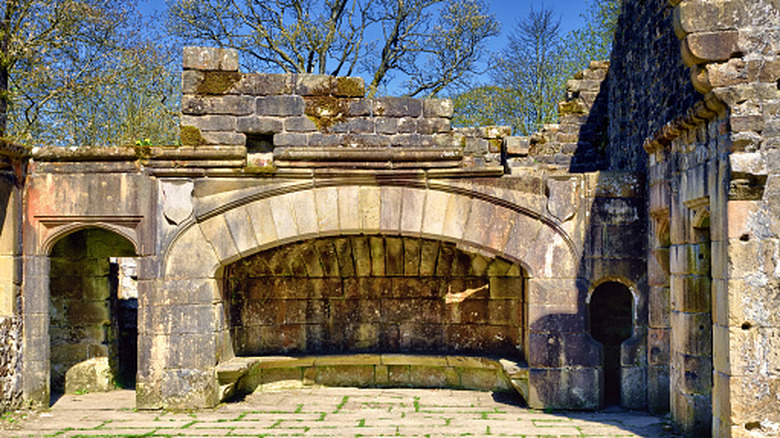
By 1660, the hall had evolved into a grand manor house boasting three stories, expansive kitchens, and a distinctive south tower. This period marked the golden age of Wycoller Hall, characterized by wealth derived from landed estate management and agricultural prosperity. In the late 18th century, a young heir, Henry Owen Cunliffe, assumed control of the property, introducing structural elements that remain visible today, including the grand central fireplace and distinctive mullioned windows.

Industrialization, Over-Extension, and Ruin (1780s–1900)
As the Industrial Revolution gathered steam across Northern England, Wycoller experienced a brief, anomalous boom. By 1820, handloom textile weavers had flooded the village, swelling the local population to a historic peak of approximately 350 residents. However, this demographic spike was short-lived. The advent of steam-powered mechanized mills in nearby towns rendered handloom weaving economically unviable. Within decades, the weavers abandoned the village en masse to seek employment in larger urban centers.
Compounding this economic shift was the personal financial ruin of Henry Owen Cunliffe. Burdened by staggering debts, Cunliffe’s estate was systematically dismantled following his death. In a tragic blow to the village’s architectural heritage, parts of Wycoller Hall—including doors, structural timbers, and valuable building stones—were systematically sold off to satisfy creditors, leaving the once-grand manor exposed to the elements and stripping the village down to a skeletal ghost town by the turn of the 20th century.
Grassroots Rescue and County Acquisition (1948–Present)
By the mid-20th century, Wycoller Hall and its surrounding cottages were little more than picturesque ruins overrun by ivy and brambles. The site’s trajectory changed forever in 1948 with the formation of the Friends of Wycoller, a pioneering volunteer organization dedicated to halting the village’s complete degradation. Armed with determination and community donations, the volunteers cleared decades of rubble, stabilized the crumbling masonry, and meticulously restored key historic elements, such as the grand fireplace.
Recognizing the cultural and ecological significance of the site, Lancashire County Council subsequently acquired the land, officially designating it as a protected country park. This administrative shift ensured that Wycoller would be shielded from modern commercial development, preserving its car-free ethos and cementing its status as a vital heritage asset for generations to come.
Supporting Context & Metrics
Evaluating Wycoller requires analyzing the quantitative and qualitative metrics that define its environment, accessibility, and conservation status.
Geographic and Demographic Metrics
- Total Park Acreage: Approximately 350 acres of protected rolling hills, historic farmlands, and dense native woodlands.
- Historical Peak Population (1820): Roughly 350 residents, compared to a minuscule permanent residential population today consisting primarily of modern cottage owners and preservation caretakers.
- Proximity to Major Urban Hubs:
- Manchester: ~1 hour by car (approx. 30–35 miles north).
- Leeds: ~1 hour 10 minutes by car (approx. 35 miles west).
- Chorley: ~50 minutes away via regional connecting routes.
- Trail Network Lengths: Ranging from 1.7 miles for gentle valley walks to 3.1 miles for comprehensive boundary circuits.
Environmental and Conservation Frameworks
Wycoller operates under strict environmental mandates designed to safeguard its delicate ecosystem. The designation of the village as entirely car-free (permitting vehicular access exclusively for registered local residents) drastically reduces carbon emissions and noise pollution within the core heritage zone.
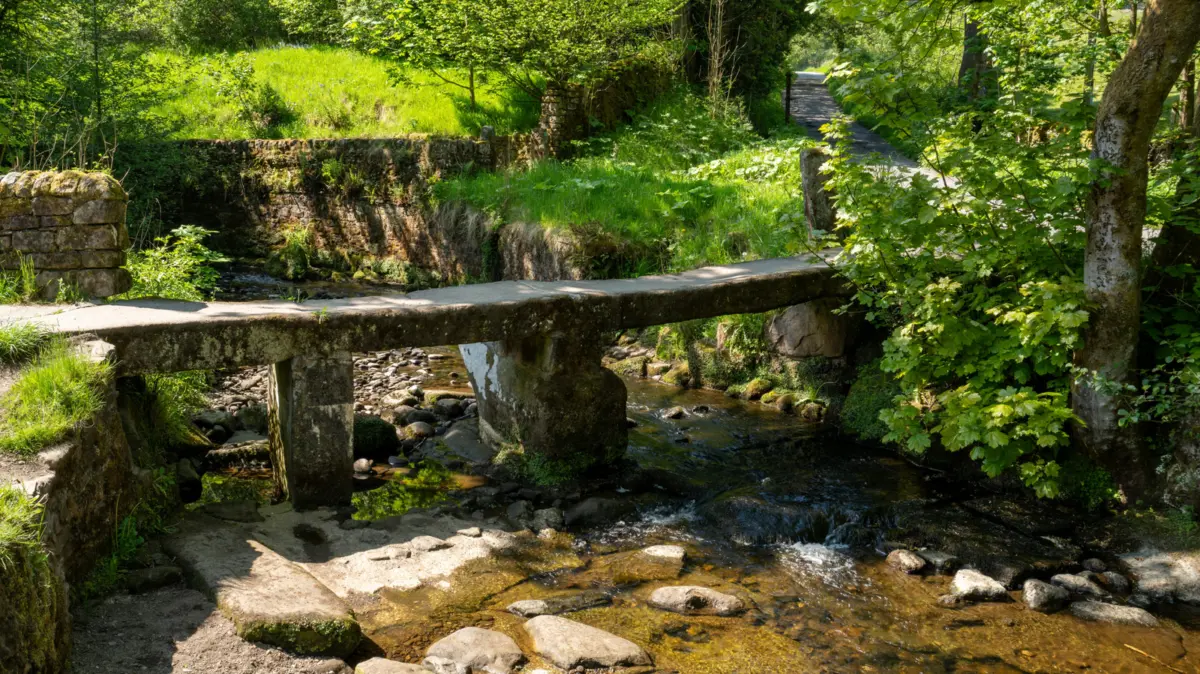
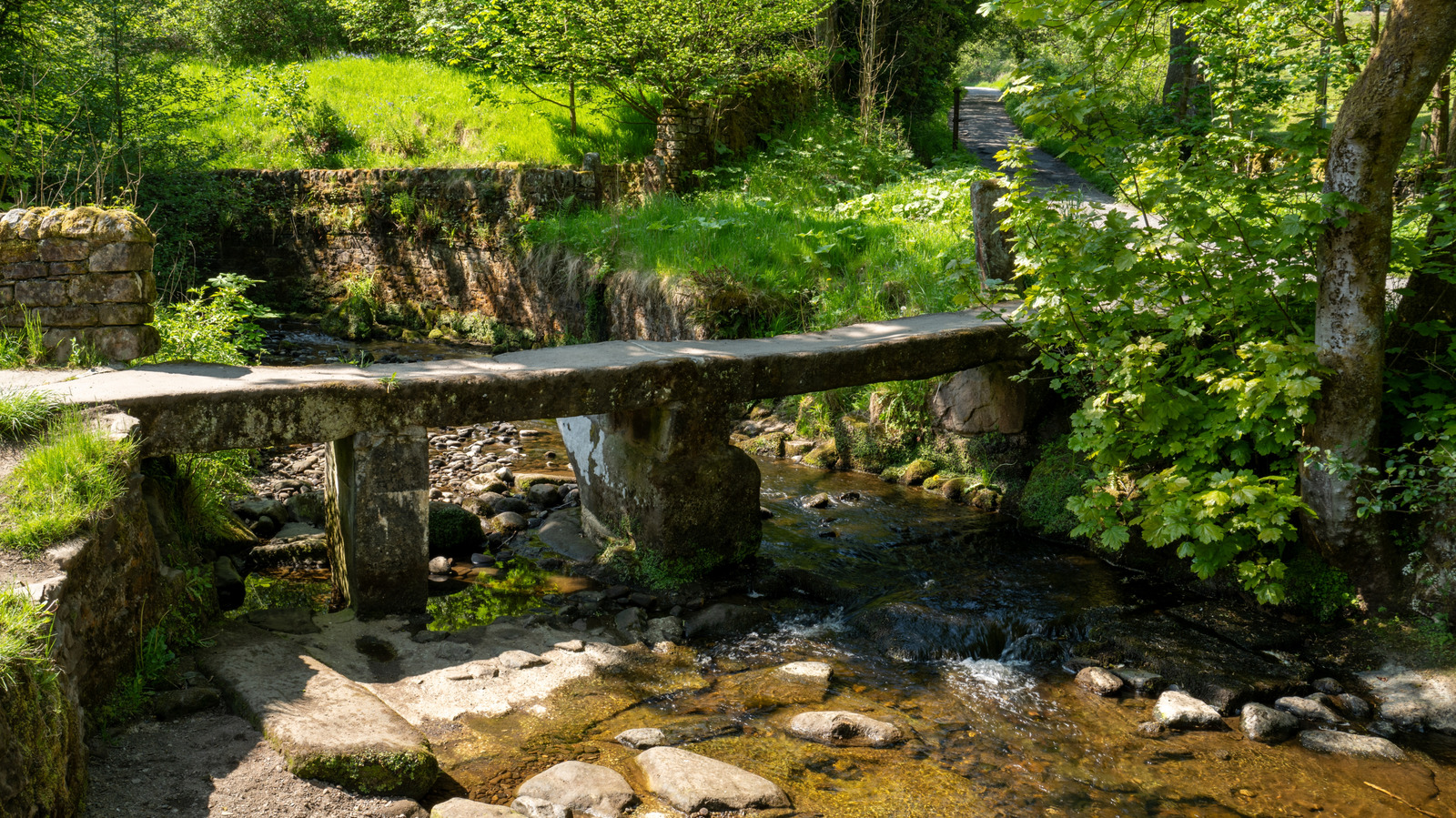
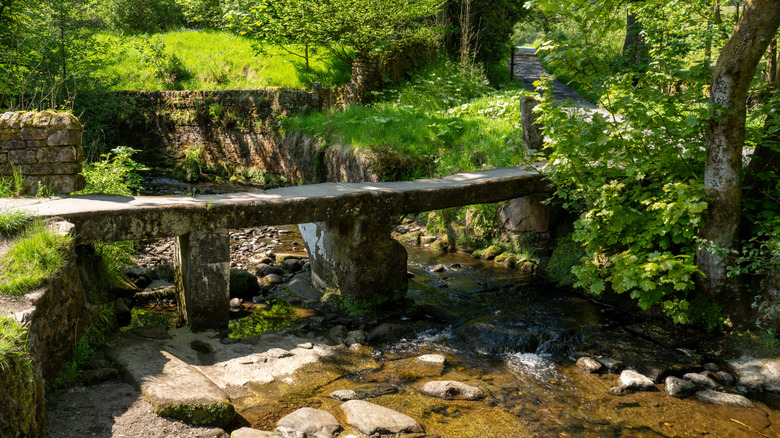
Furthermore, the park’s ecological management balances historic preservation with biodiversity. Native tree species, including the historic alders that gave the village its name, are actively managed alongside wetland conservation efforts along the local "beck" (stream). This stream is spanned by seven historically significant stone bridges—including the ancient Clapper Bridge and the double-arched packhorse bridge—which serve as critical hydrological and pedestrian waypoints.
Official Statements and Expert Perspectives
Cultural historians, conservationists, and tourism boards have consistently highlighted Wycoller as a benchmark for low-impact heritage management.
Dr. Aris Thorne, a specialist in Northern English industrial heritage, notes the rarity of Wycoller’s preservation profile:
"What makes Wycoller profoundly important to historians is not that it industrialized successfully, but rather that it paused in amber. When the cottage weaving economy collapsed, the village missed the second wave of heavy urban sprawl. It gives modern observers an unfiltered, tangible look at the pre-industrial Lancashire landscape—a physical bridge to an agrarian past that most of urban Britain paved over a century ago."
Representatives from Lancashire County Parks emphasize the delicate balance between public access and environmental stewardship:
"Our primary mandate in Wycoller is to offer a restorative encounter with nature and history without compromising the integrity of the landscape. By maintaining a strict car-free policy within the village boundaries, we ensure that visitors experience the authentic tranquility that drew artists and writers like the Brontës to these hills centuries ago."
Local tourism bodies similarly praise the integration of contemporary art installations—such as the "Atom" structure from the Lancashire Panopticon series—within a deeply historic framework. Completed in 2006, the smooth, hollow ovoid structure stands as an official testament to the region’s commitment to blending modern public art with rural conservation, encouraging deeper engagement with the natural topography.
Future Outlook: Challenges and Sustainable Tourism Initiatives
As domestic and international travelers increasingly seek out off-the-beaten-path, sustainable destinations, Wycoller faces a unique set of management challenges in the years ahead.
Managing Visitor Volume While Preserving Solitude
The primary challenge facing Wycoller is balancing its rising popularity—spurred by travel journalism and digital mapping platforms like AllTrails—with its physical capacity. Because the village core is car-free, parking infrastructure is restricted to peripheral lots managed by the country park. During peak visitor windows, particularly between May and September, these lots frequently reach capacity.
Future infrastructure planning by Lancashire County Council is slated to focus on enhanced public transit integration, encouraging visitors to utilize rail links to nearby hubs like Colne or Burnley before connecting via rural bus routes or cycling networks. This will ensure that the surrounding country roads do not suffer from bottlenecking while maintaining the strict vehicle exclusion zone within the historic village.
Climate Resilience and Trail Maintenance
Like much of the United Kingdom, the northwest of England experiences significant precipitation variability. Heavy seasonal rainfall frequently transforms the park’s clay-heavy soil and walking trails into challenging quagmires.
In response, park authorities are implementing sustainable drainage solutions and reinforced gravel pathways along heavily trafficked routes like the Wycoller Panopticon Trail and the Country Park Circular. These interventions are meticulously designed to prevent soil erosion while protecting the root systems of ancient woodlands along the beck.
Literary Tourism and Cultural Programming
The enduring global fascination with the Brontë sisters ensures a steady influx of international literary tourists. Moving forward, the Friends of Wycoller and local cultural agencies plan to expand educational exhibits housed within the vaulted stone barn adjacent to Wycoller Hall. By incorporating interactive digital archives alongside physical trail maps, the visitor center aims to deepen public appreciation for the intersection of landscape, industrial history, and 19th-century English literature.
Ultimately, Wycoller stands as a testament to the power of grassroots preservation and thoughtful environmental planning. By fiercely protecting its car-free identity and honoring its multi-layered history, this Lancashire idyll guarantees that future generations will continue to find solace, inspiration, and timeless beauty among its moss-covered stones and whispering alder groves.