









By Blake Aued
Published: August 26, 2026
Executive Overview
For decades, intercity passenger rail in the United States has walked a tightrope between nostalgia and necessity. Aging locomotives, frequent delays, and outdated rolling stock have often left travelers longing for the efficiency, comfort, and reliability standard in Europe and Asia. However, a major paradigm shift is quietly—and swiftly—taking shape on America’s rails.
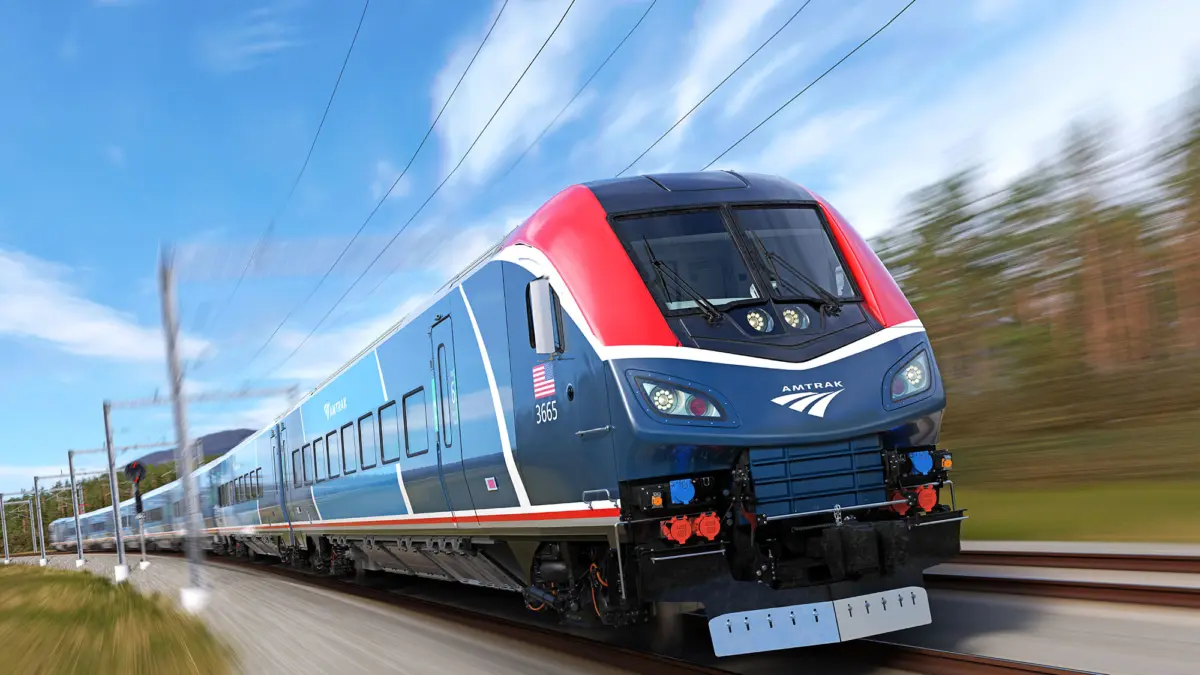
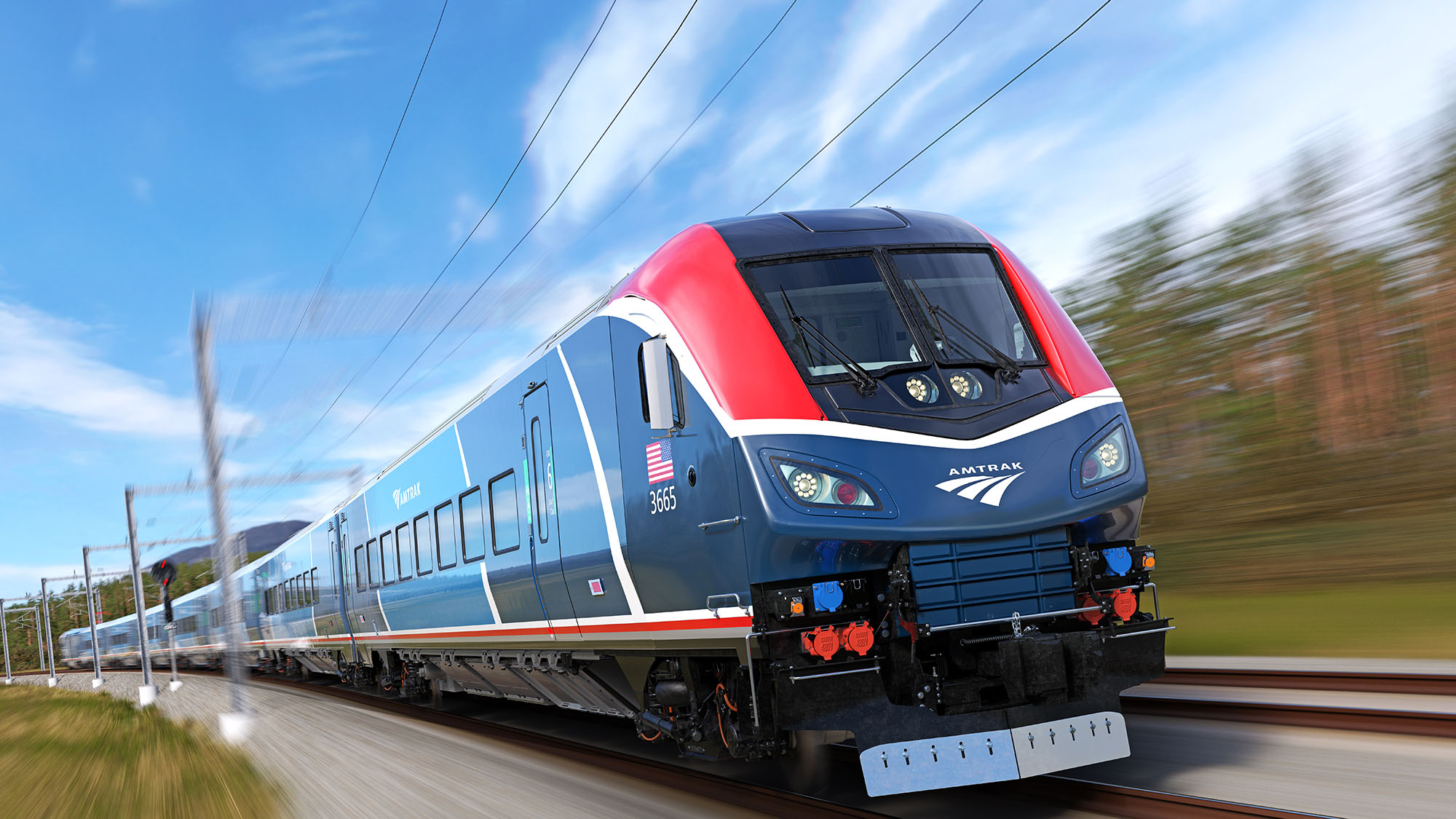
Amtrak’s rollout of its next-generation trainsets represents a watershed moment for the nation’s transportation infrastructure. Billed as a definitive "win-win" for both passengers and the environment, these state-of-the-art vehicles are engineered to redefine the domestic travel experience. By marrying cutting-edge interior ergonomics with ultra-low emissions technology and high-speed capabilities, the national passenger railroad is attempting to solve a dual crisis: a deteriorating travel experience on crowded U.S. corridors and the escalating imperative to slash carbon emissions in the transportation sector.
This comprehensive report explores the anatomy of Amtrak’s fleet modernization initiative. Drawing on expert insights, technological breakdowns, and a close look at the systemic impacts of these new trains, we examine how the upcoming rolling stock aims to transform not just how Americans move, but how they view the future of sustainable transit.
Detailed Chronology: The Road to Fleet Modernization
To understand the gravity of the 2026 rollout, one must look back at the arduous journey required to bring America’s intercity rail into the twenty-first century. For years, Amtrak operated with equipment that, in many cases, had been in service for decades. The mechanical unreliability of aging locomotives became a frequent bottleneck, particularly along the heavily trafficked Northeast Corridor (NEC) and critical state-supported regional routes.
The Genesis of Procurement (2016–2020)
The framework for today’s modern fleet was laid in the late 2010s, when Amtrak leadership recognized that piecemeal repairs could no longer sustain a growing ridership. In 2016, Amtrak began laying the groundwork for a massive capital investment strategy. This culminated in multi-billion-dollar manufacturing contracts—most notably with global rail giant Siemens Mobility—to design and construct entirely new families of trains. These contracts were structured not just to replace old cars, but to fundamentally upgrade the passenger experience while shifting toward cleaner propulsion systems, such as advanced dual-mode locomotives and high-efficiency electric power.
Manufacturing, Testing, and Trials (2021–2025)
The transition from blueprint to reality faced significant headwinds, including global supply chain disruptions, material shortages, and rigorous regulatory hurdles mandated by the Federal Railroad Administration (FRA). Manufacturing plants in places like Sacramento, California, hummed with activity as aluminum shells took shape, interior mock-ups were tested for passenger accessibility, and engineers fine-tuned the complex propulsion systems.

Throughout 2024 and 2025, test trains began quietly logging thousands of miles on testing tracks and select corridors. These trials were designed to stress-test braking systems, digital passenger information displays, Wi-Fi connectivity, and bogie performance under varying weather conditions.
The 2026 Rollout and Operational Integration
As of August 2026, the fruits of this multi-year labor are entering active service. The debut of these trains marks the beginning of a phased deployment schedule that will see older, diesel-guzzling equipment permanently retired over the next several years. Commuters and long-distance travelers alike are beginning to experience the immediate upgrades, marking a symbolic and operational turning point for the nation’s rail network.
Supporting Context & Metrics: Passengers and Planet Aligned
The narrative surrounding Amtrak’s new fleet centers on two distinct pillars: an elevated passenger experience and profound environmental benefits. In the realm of American infrastructure, these two goals have not always aligned smoothly, but the technical specifications of the new trainsets suggest a harmonious convergence.
Redefining the Passenger Experience
For the average traveler, the frustrations of intercity rail have historically included cramped seating, unpredictable climate control, spotty power outlets, and inconsistent digital connectivity. The new Amtrak trainsets address these pain points through a human-centric design philosophy:
- Ergonomic Seating and Personal Space: Every seat has been redesigned with enhanced cushioning, greater legroom, individual reading lights, and dedicated power/USB ports. Tray tables are sturdier and configured to accommodate laptops and tablets comfortably.
- Next-Generation Connectivity: Recognizing that modern travelers need to work or stream on the go, the trains feature upgraded, high-speed onboard Wi-Fi systems powered by multi-carrier cellular bonding technology, significantly reducing dead zones along remote stretches of track.
- Accessibility and Inclusivity: The new cars exceed current Americans with Disabilities Act (ADA) standards, featuring wider aisles, zero-threshold entryways for seamless boarding with luggage or mobility devices, and accessible restrooms equipped with automated features.
- Onboard Hospitality and Ambiance: Redesigned café and bistro cars offer improved food service layouts, reducing wait times, while ambient LED lighting systems adjust dynamically throughout the day to reduce passenger fatigue and jet lag.
Environmental Imperatives and Efficiency Metrics
From an ecological standpoint, the transition could not come at a more critical time. Transportation remains the single largest contributor to greenhouse gas emissions in the United States, with aviation and personal automobiles driving the bulk of the footprint.

While rail has always been inherently greener than flying or driving alone, Amtrak’s legacy diesel fleet still carried a heavy environmental cost. The new trainsets introduce game-changing metrics:
- Emissions Reduction: The new dual-mode and electric locomotives produce up to 83% fewer air pollutants (such as nitrogen oxides and particulate matter) compared to the Tier 0 and Tier 1 diesel engines they are replacing.
- Energy Efficiency: Advanced regenerative braking systems capture kinetic energy during deceleration and feed it back into the electrical grid or store it onboard for acceleration, drastically cutting overall energy consumption.
- Modal Shift Potential: By offering a travel experience that rivals or exceeds regional aviation in terms of comfort and productivity, these trains are designed to lure business and leisure travelers out of carbon-intensive regional flights and highway gridlock, driving down per-capita national transportation emissions.
Official Statements and Stakeholder Perspectives
The rollout has garnered widespread attention from federal officials, environmental advocates, and rail industry leaders, all of whom emphasize the broader socio-economic implications of the modernization effort.
Federal transportation officials have frequently pointed to the new fleet as proof that public investment in rail yields tangible dividends. “We are no longer just patching up the past; we are building the transit network of the future,” noted a senior transit policy analyst familiar with the federal rail grants that helped subsidize the multi-billion-dollar equipment upgrade. “When you give Americans clean, fast, and comfortable trains, they don’t just ride them—they demand more of them. This is how you change travel behavior permanently.”
Environmental coalitions have similarly lauded the shift. Representatives from leading conservation groups emphasize that electrifying and modernizing rail corridors is one of the most cost-effective strategies for achieving national climate targets without requiring sweeping behavioral restrictions on the public. By making the sustainable choice the most luxurious and convenient choice, Amtrak is effectively leveraging consumer preference in the fight against climate change.
Meanwhile, Amtrak operations leadership has stressed that the rollout is a complex, continuous logistical undertaking. Engineers, conductors, and station personnel have undergone extensive training programs to familiarize themselves with the sophisticated computer diagnostics, automated doors, and power management systems of the new cars. Early feedback from operating crews highlights a smoother ride quality, quieter cabs, and significantly reduced maintenance downtime.
Future Outlook: The Horizon of American Rail
As these next-generation trains establish themselves on key routes through the remainder of 2026 and into the late 2020s, the broader question is no longer whether the rollout will succeed, but how quickly its scope can be expanded.

Expanding the Footprint
Currently, the deployment is heavily concentrated on high-density corridors where the return on investment in terms of ridership and emissions reduction is immediate. However, plans are already underway to cascade displaced, yet still serviceable, equipment onto state-supported regional routes across the Midwest, South, and West. This cascading effect will elevate service standards nationwide, introducing modern amenities to communities that have historically been underserved by intercity rail.
The Vision for High-Speed Rail Integration
Beyond rolling stock, the success of these new trains serves as a crucial testing ground for broader ambitions. As regional partnerships and federal funding mechanisms mature, the infrastructure supporting these trains—tracks, signal systems, and grade separations—is steadily improving. The high-speed capabilities engineered into the new trainsets mean that as rail lines are incrementally upgraded for faster operating speeds, the trains will already be equipped to push the envelope, cutting travel times between major metropolitan hubs even further.
Conclusion
Amtrak’s new trains are much more than a cosmetic upgrade or a collection of new metal cars rolling down historic tracks. They represent a philosophical pivot in American mobility. By successfully harmonizing passenger comfort with aggressive environmental stewardship, the national railroad is demonstrating that sustainable transit does not require sacrifice. As travelers step aboard these modern cars, they are stepping into a cleaner, more connected future—proving that on America’s rails, the journey ahead has never looked more promising.