




Executive Overview
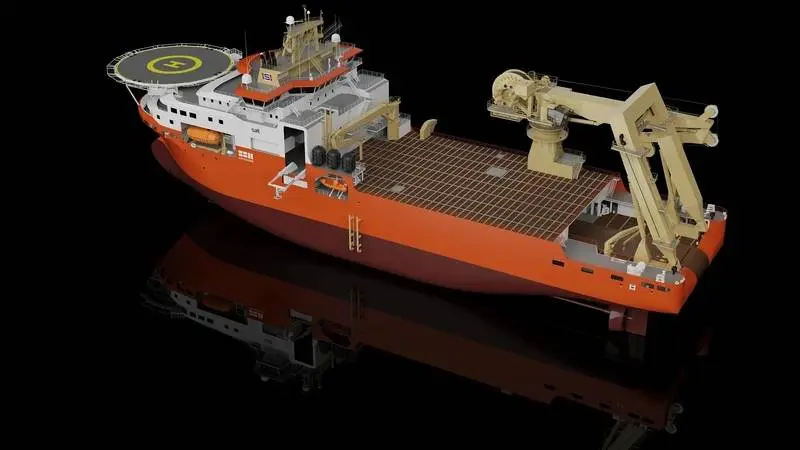
In a move that signals a significant technological leap forward for the deepwater offshore sector, Kongsberg Maritime has secured a major contract to deliver a fully integrated suite of marine technology, power systems, and advanced deck machinery for a state-of-the-art multi-purpose deepwater installation and construction vessel. The vessel will be jointly owned and operated by Solstad Offshore and SBM Offshore—two of the world’s most prominent players in offshore energy production and marine operations.
Scheduled for delivery in the first half of 2029, the vessel will be constructed in China. It is designed to meet the demands of a new era of subsea engineering, characterized by complex installations, heavy-duty offshore operations, and ultra-deepwater mooring deployments.
The transaction represents a major commercial success for Norway-headquartered Kongsberg Maritime, but more importantly, it marks a critical technological milestone: the first commercial deployment of the company’s newly developed XT140 permanent magnet (PM) motor to power heavy-duty anchor-handling winches. By integrating propulsion, dynamic positioning, battery energy storage, and advanced deck machinery into a single, unified system architecture, the vessel is poised to set new industry benchmarks for fuel efficiency, operational safety, and reliability in the planet’s most hostile marine environments.
Detailed Chronology & Technical Scope of Supply
The realization of this next-generation vessel relies on a highly integrated engineering philosophy. Rather than sourcing disparate components from multiple vendors, Solstad and SBM Offshore have opted for Kongsberg Maritime’s "Full Picture" approach. This strategy minimizes integration risk, streamlines commissioning, and optimizes energy management across the vessel’s entire operational lifecycle.
[Kongsberg Integrated System Architecture]
                 │
                 ├──► Power & Energy (BESS, Switchboards, Generators)
                 │
                 ├──► Propulsion (Twin CPP Shaftlines, Azimuth Thrusters)
                 │
                 ├──► Control & Navigation (DP3, Automation, Bridge)
                 │
                 └──► Deck Machinery (XT140 PM Winches, 220mm Tow Pins, Low-Tilt LARS)
The Propulsion and Maneuvering Suite
To ensure the vessel can maintain precise positioning during heavy-lift and subsea construction tasks, Kongsberg will supply a highly robust propulsion configuration. The primary propulsion setup features twin controllable-pitch propeller (CPP) shaftlines. This traditional, high-efficiency setup is complemented by a suite of high-power azimuth thrusters designed to optimize bollard pull and dynamic positioning capabilities.
The integration of rudders and a complete thruster tunnel package will allow the vessel to maneuver safely in close proximity to offshore platforms and floating production, storage, and offloading (FPSO) units, even under severe crosscurrents and wave action.
Dynamic Positioning, Automation, and Bridge Integration
At the heart of the vessel’s operational safety is Kongsberg’s Dynamic Positioning (DP) and integrated automation systems (IAS). The bridge will feature the latest generation of Kongsberg’s navigation and thruster control systems, providing operators with unparalleled situational awareness and ergonomic control.

The DP system is designed to interface directly with the vessel’s environmental sensors and propulsion units, allowing for micro-adjustments that minimize fuel consumption while maintaining station-keeping tolerances measured in centimeters.
Next-Generation Power & Energy Package
In alignment with modern decarbonization mandates, the vessel’s power grid is designed for hybrid operations. Kongsberg’s scope of supply includes:
- Main Switchboards and Generators: Distributing high-voltage power across the vessel’s extensive industrial grid.
- Propulsion Motors: High-efficiency drives that convert electrical power into mechanical thrust.
- Battery Energy Storage System (BESS): A heavy-duty battery installation designed to act as a dynamic energy buffer. The BESS will facilitate "peak shaving"—absorbing sudden load spikes to keep the main engines running at optimal, steady loads—and provide instant backup power (spinning reserve) to prevent DP blackouts.
Advanced Deck Machinery and the XT140 PM Motor Milestone
Perhaps the most notable aspect of the contract is the advanced deck machinery package. The vessel will be outfitted with anchor-handling winches, shark jaws, and tow pins engineered to handle massive mooring chains of up to 220 mm in diameter. This capability is crucial for deploying the ultra-heavy anchors required by modern deepwater floating facilities.
Crucially, the anchor-handling winches will be driven by Kongsberg’s newly developed XT140 permanent magnet (PM) motor.
Standard Induction Motor             Kongsberg XT140 PM Motor
[High Wear] [Multi-Stage Gearbox]    [Direct Drive] [High Torque at Low Speed]
[Lower Energy Efficiency]            [97%+ Efficiency] [Compact Footprint]
This represents the first time this specific PM technology has been applied to heavy-duty anchor handling. Unlike traditional electric or hydraulic motors, PM motors offer:
- Extreme Torque Density: Delivering maximum torque at zero or very low speeds, which is ideal for the high-tension, variable-load environment of anchor handling.
- Superior Efficiency: Eliminating the energy losses associated with traditional gearboxes and hydraulic fluid systems, translating directly to lower fuel burn.
- Regenerative Braking: The ability to capture energy generated when paying out heavy chains under tension and feed that power back into the vessel’s hybrid battery grid.
The deck package also includes a newly developed, low-tilt Remotely Operated Vehicle (ROV) Launch and Recovery System (LARS). This low-tilt design minimizes the physical drop height and angular movement of the ROV during launch and recovery, significantly lowering the risk of damage to sensitive subsea equipment in rough sea states.
Supporting Context & Industry Metrics
The construction of this vessel comes at a time of profound transformation in the offshore marine sector. Following nearly a decade of underinvestment in new offshore assets, the market is facing a critical shortage of high-spec subsea construction and installation vessels.
Deepwater Market Dynamics
The demand for vessels capable of operating in water depths exceeding 2,000 meters is surging, driven by two parallel trends:
- Deepwater Oil & Gas Expansion: Major deepwater frontiers in Brazil (the pre-salt plays), Guyana, and the US Gulf of Mexico are experiencing unprecedented capital investment, requiring sophisticated vessels to install subsea umbilicals, risers, and flowlines (SURF), as well as complex FPSO mooring systems.
- Floating Offshore Wind: As the offshore wind sector moves into deeper waters where fixed-bottom foundations are unfeasible, the industry must transition to floating wind platforms. Installing these massive structures requires the exact capabilities this new vessel possesses: heavy-duty mooring installation, high bollard pull, and advanced subsea construction capacity.
| Technical Specification / Metric | Project Target Value | Industrial Significance |
|---|---|---|
| Vessel Delivery Window | First Half of 2029 (H1 2029) | Aligns with projected peak demand for deepwater mooring installations. |
| Primary Construction Location | China | Leverages advanced, high-efficiency offshore EPC yards. |
| Maximum Chain Capacity | Up to 220 mm | Designed for ultra-heavy-duty deepwater FPSO and floating wind moorings. |
| Primary Winch Power Tech | Kongsberg XT140 PM Motor | First-ever commercial deployment for anchor handling; reduces energy loss. |
| Power Architecture | Hybrid with Battery Storage (BESS) | Enables zero-emission standby, peak shaving, and optimized engine performance. |
| Operational Capabilities | Deepwater Construction, SURF, Mooring | Multi-purpose versatility maximizes fleet utilization rates. |
The Solstad-SBM Joint Venture
The partnership between Solstad Offshore and SBM Offshore is a highly strategic alliance. Solstad brings decades of operational experience running one of the world’s most sophisticated fleets of subsea construction vessels (CSVs) and anchor-handling tug supply (AHTS) vessels. SBM Offshore is the global leader in the design, construction, and operation of FPSO systems.
By co-owning this new asset, SBM secures guaranteed access to a high-specification installation vessel for its extensive global portfolio of FPSO deployments, mitigating the risk of vessel availability bottlenecks in a tight charter market. Simultaneously, Solstad expands its managed fleet with a cutting-edge asset that will command premium day rates.
Official Statements & Strategic Implications
The integration of these technologies reflects a shared vision among the stakeholders to pioneer a more sustainable, high-performance offshore operating model.
An analysis of Kongsberg Maritime’s strategic direction highlights the importance of this contract. The company has spent years refining its permanent magnet motor technology, initially proving its viability in thrusters and smaller winch systems. The commercialization of the XT140 motor for heavy-lift anchor handling represents a major scaling-up of this technology.
By integrating these PM winches with the vessel’s dynamic positioning and hybrid energy systems, Kongsberg is delivering a highly responsive marine ecosystem. When the vessel performs complex anchor-handling tasks, the automation system can intelligently prioritize power distribution. For instance, if a sudden wave load requires a surge in thruster power, the system can instantly draw energy from the battery pack or temporarily modulate the winch load, ensuring stable station-keeping without needing to start an additional diesel generator.
For Solstad and SBM Offshore, this vessel is a tangible manifestation of their corporate decarbonization commitments. Both companies have established aggressive targets to reduce Scope 1 emissions. Utilizing a vessel equipped with hybrid power, regenerative PM winches, and highly efficient CPP propulsion allows them to offer oil majors and offshore wind developers a significantly lower carbon footprint per operational day compared to legacy vessels built in the early 2010s.
Future Outlook
As the offshore energy sector looks toward the end of the decade, the delivery of this vessel in the first half of 2029 will likely coincide with a mature floating offshore wind market and continued deepwater hydrocarbon production.
The success of the XT140 PM motor on this vessel will be closely watched by the maritime industry. If the system delivers the expected gains in fuel efficiency, maintenance reduction, and operational control, it could trigger a widespread shift away from traditional hydraulic and induction-motor-driven deck machinery across the global merchant and offshore fleets.
Furthermore, the construction of this vessel in China underscores the country’s continuing ascent up the maritime value chain. Chinese shipyards, which once focused primarily on bulk carriers and standard container ships, are now demonstrating their capacity to construct highly complex, specialized offshore assets integrated with European high-tech systems.
When this next-generation vessel sails out on its maiden voyage in 2029, it will represent more than just an addition to the Solstad and SBM fleets. It will stand as a floating showcase of integrated marine technology, proving that extreme operational capability and environmental responsibility are no longer mutually exclusive goals in the demanding world of deepwater offshore construction.