





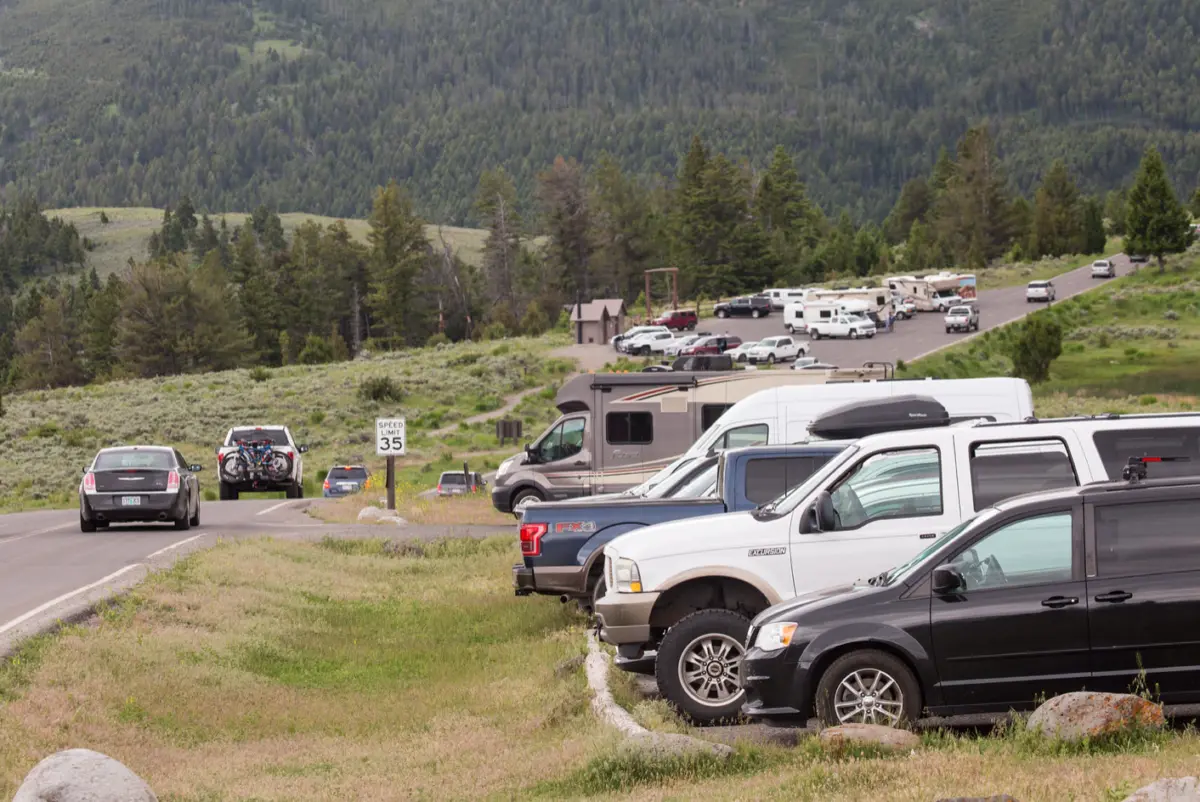
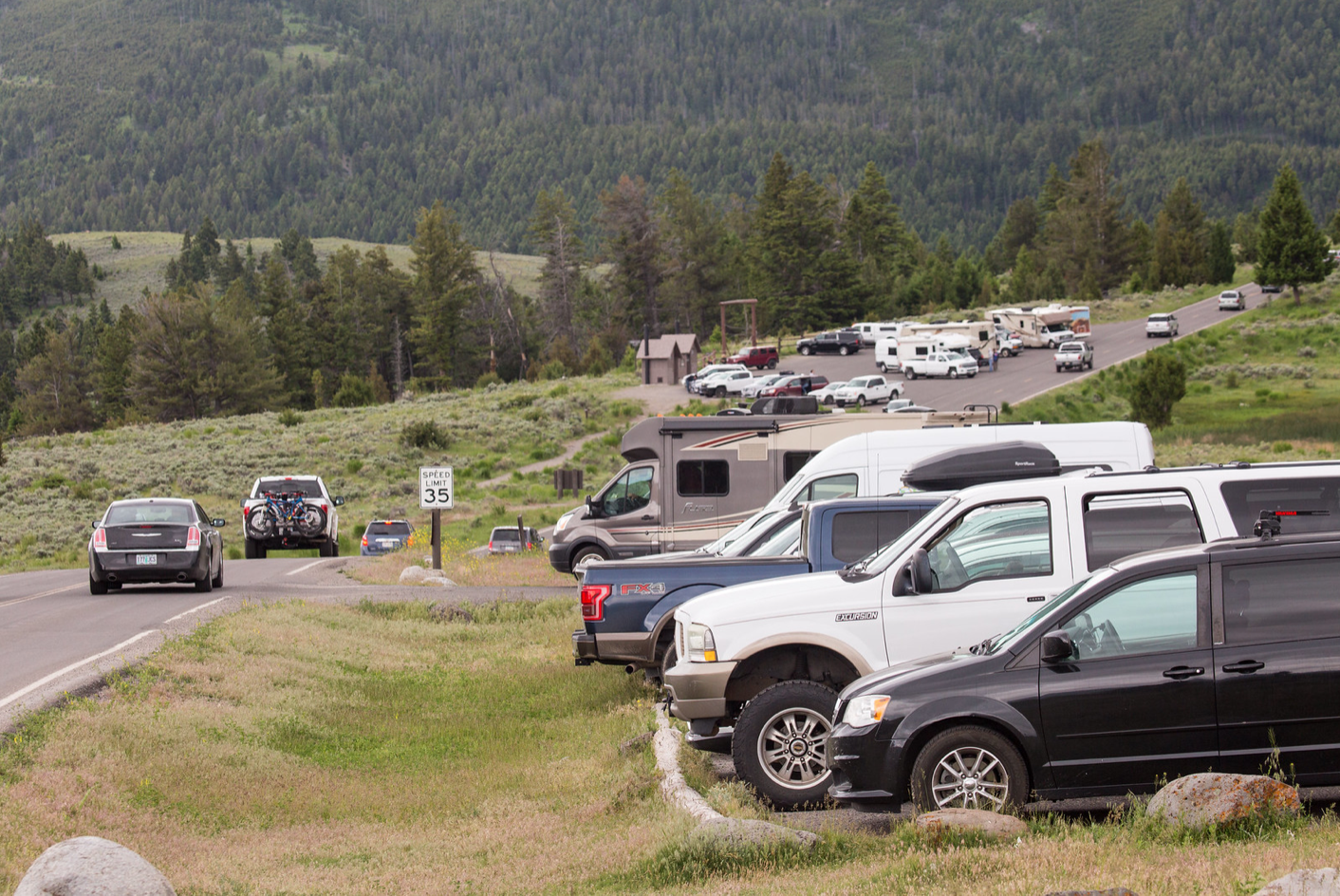
WASHINGTON — In a policy pivot that has immediately drawn fierce condemnation from conservation groups, indigenous leaders, and urban planning advocates, the Trump administration has advanced a controversial initiative aimed at cutting new highway corridors directly through some of the nation’s most pristine and ecologically sensitive public lands.
Announced in the late hours of the summer, the sweeping infrastructure push seeks to bypass decades-old environmental protections, loosen federal oversight on public domain lands, and accelerate road construction in wilderness-adjacent territories. Proponents of the plan argue the measures are vital for resource access, rural connectivity, and economic stimulus. However, critics warn that the initiative represents an unprecedented threat to America’s natural heritage, threatening fragile ecosystems, accelerating carbon emissions, and undoing generations of conservation victories.
Executive Overview
The unfolding controversy centers on federal directives designed to expedite right-of-way approvals and environmental reviews for highway and resource-extraction roads crossing federally managed public lands. According to policy documents and administration briefings, the White House views existing National Environmental Policy Act (NEPA) regulations and public land designations as burdensome bottlenecks to national infrastructure development.
By prioritizing expedited approvals, the administration aims to facilitate transportation networks through tracts historically shielded from heavy commercial development. Environmental analysts note that these actions could fragment wildlife corridors, disrupt endangered species habitats, and fundamentally alter the character of public lands set aside for recreation, conservation, and ecological preservation.
Urban and transit advocacy groups, such as Streetsblog USA, have pointed out the deep irony—and fiscal irresponsibility—of pouring federal capital into remote greenfield highway projects while metropolitan areas across the country struggle with crumbling urban transit networks, pedestrian safety crises, and mounting highway maintenance backlogs.
Detailed Chronology: The Path to the New Infrastructure Directive
The seeds of the administration’s latest public lands initiative were sown early in the current presidential term, building upon previous conservative efforts to open federal acreage to commercial exploitation.
Early Signals and Policy Framing
Months prior to the formal rollout, Department of Transportation and Department of the Interior officials began signaling a shift in priorities. In closed-door meetings with extractive industry representatives and rural county commissioners, administration officials lamented what they termed "regulatory drag" holding back American infrastructure. The rhetoric heavily emphasized energy independence, supply chain resilience, and the economic stagnation of rural counties bordered by federal land.
Interagency Coordination and Fast-Tracking
By mid-summer, interagency task forces were quietly established to identify high-priority regional corridors. These task forces bypassed traditional public comment periods, utilizing emergency rule-making frameworks and categorical exclusions under NEPA. By categorizing the proposed routes as critical for national security and economic vitality, the administration minimized the window for judicial review and public scrutiny.
The Midnight Announcement
The policy crystallization culminated in late August, when federal agencies published updated guidance memos outlining streamlined pathways for state and private entities to secure highway easements across protected acreage. The directive instructed regional foresters, land managers, and bureau directors to default in favor of project approvals unless insurmountable ecological hazards could be demonstrated within a compressed 60-day window.
Supporting Context & Metrics: The Stakes for Public Lands and Climate
To understand the gravity of the administration’s push, it is necessary to examine the sheer scale of America’s public domain and the ecological pressures it currently faces.
Fragmentation of Pristine Ecosystems
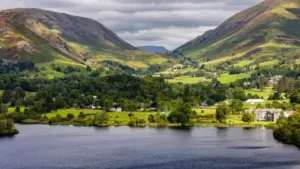
Federal lands managed by the Bureau of Land Management (BLM), the U.S. Forest Service, and the National Park Service encompass hundreds of millions of acres. Ecologists emphasize that building highways through these areas does more than simply pave over the immediate footprint of the road. "Edge effects"—including noise pollution, chemical runoff, introduction of invasive species, and animal-vehicle collisions—extend miles into the surrounding wilderness.
- Habitat Fragmentation: Studies consistently show that major roadways act as impermeable barriers for migratory wildlife, including elk, mule deer, pronghorn, and apex predators like grizzly bears and wolves. Splitting these ranges reduces genetic diversity and increases mortality rates.
- Carbon Sinks: Many of the targeted public lands feature mature forests, peatlands, and native grasslands that act as crucial carbon sinks. Clearing these landscapes for asphalt releases stored carbon dioxide back into the atmosphere, directly undermining national and global climate mitigation goals.
The Fiscal and Transportation Disconnect
Critics of the initiative, particularly within the sustainable transportation sector, have highlighted a profound disconnect between federal priorities. While rural greenfield highway projects receive fast-track funding and regulatory relief, urban and suburban transit systems face systemic funding cliffs.
- The Maintenance Deficit: State departments of transportation across the U.S. currently face a combined backlog of tens of billions of dollars just to maintain existing roads and bridges. Critics argue that adding hundreds of miles of new rural highways exacerbates long-term liability without a clear plan for future upkeep.
- Induced Demand: Decades of traffic engineering data demonstrate that building new highway capacity in undeveloped areas inevitably induces traffic, leading to higher vehicle-miles-traveled (VMT) and increased greenhouse gas emissions, directly contradicting stated emissions reduction targets.
Official Statements and Stakeholder Reactions
The announcement has ignited a firestorm of debate across Washington, state capitals, and local communities, drawing sharp lines between the administration’s defenders and a coalition of environmentalists, scientists, and legal experts.
Administration Defense
Defending the policy, White House and agency spokespersons maintained that the initiative is essential for modernizing the nation’s grid and transport networks.
"For too long, bureaucratic red tape has prevented rural Americans from accessing vital economic corridors and delayed critical infrastructure projects," a senior administration official stated on condition of anonymity. "Our policy ensures that federal lands work for the American people, balancing responsible stewardship with the undeniable need for modern, efficient transportation networks."
Proponents argue that better cross-state connectivity will lower shipping costs, improve emergency response times in isolated regions, and secure supply chains against domestic disruptions.

Environmental and Indigenous Pushback
Conversely, environmental justice organizations and tribal nations have mobilized to block the initiative, promising immediate legal challenges in federal court.
"This is a direct assault on America’s natural legacy," said Maya Henderson, senior policy counsel for the Western Conservation Alliance. "The administration is attempting to ram pavement through places that belong not to short-sighted politicians, but to future generations. These lands are irreplaceable, and we will use every legal tool at our disposal to halt these destructive projects."
Indigenous leaders whose ancestral lands overlap with the proposed corridors have likewise expressed outrage over the lack of meaningful consultation. Several tribal councils noted that the expedited review process violates sacred treaty rights and threatens cultural resources located within the footprint of the projected right-of-ways.
Future Outlook: Legal Battles and the Road Ahead
As the summer gives way to autumn, the battle lines over America’s public lands are hardening. The unfolding conflict is expected to play out across three primary arenas: the courts, Capitol Hill, and local ballot boxes.
Imminent Litigation
Legal scholars predict a barrage of lawsuits filed by coalition groups targeting the administration’s abuse of categorical exclusions and its failure to conduct comprehensive environmental impact statements (EIS). Plaintiffs will likely argue that the rushed approval process violates the Administrative Procedure Act (APA), NEPA, and the Endangered Species Act (ESA). These legal challenges could freeze individual projects for years, creating financial uncertainty for investors and contractors.
Congressional Oversight
With control of Congress finely balanced, legislative committees are preparing oversight hearings to scrutinize the interagency directives. Lawmakers opposed to the road-building push intend to introduce riders in upcoming appropriations bills designed to defund the fast-track program and reassert congressional authority over public land designations.
The Broader Cultural Debate
Beyond the courtroom and the halls of Congress, the controversy touches on a fundamental American question: What is the primary purpose of public lands? Is the public domain a strategic reserve of raw resources and logistical corridors to be unlocked for immediate economic gain, or is it a priceless ecological sanctuary that must be preserved intact for its intrinsic and environmental value?
As the Trump administration doubles down on its infrastructure agenda, the answer to that question will help define the environmental landscape of the United States for decades to come.