











By the Streetsblog USA Editorial Desk
Published: October 6, 2026
Executive Overview
For over a century, the automobile has reigned supreme as the undisputed king of American infrastructure, dictating how cities are built, how communities interact, and how citizens navigate their daily lives. However, a profound cultural and structural reckoning is underway. As urban centers grapple with mounting traffic congestion, escalating carbon emissions, chronic infrastructure maintenance costs, and a collective yearning for more livable, human-scaled spaces, the paradigm is shifting.
"Now is the perfect time to try not driving," asserts a growing chorus of urban planners, transit advocates, and everyday commuters.
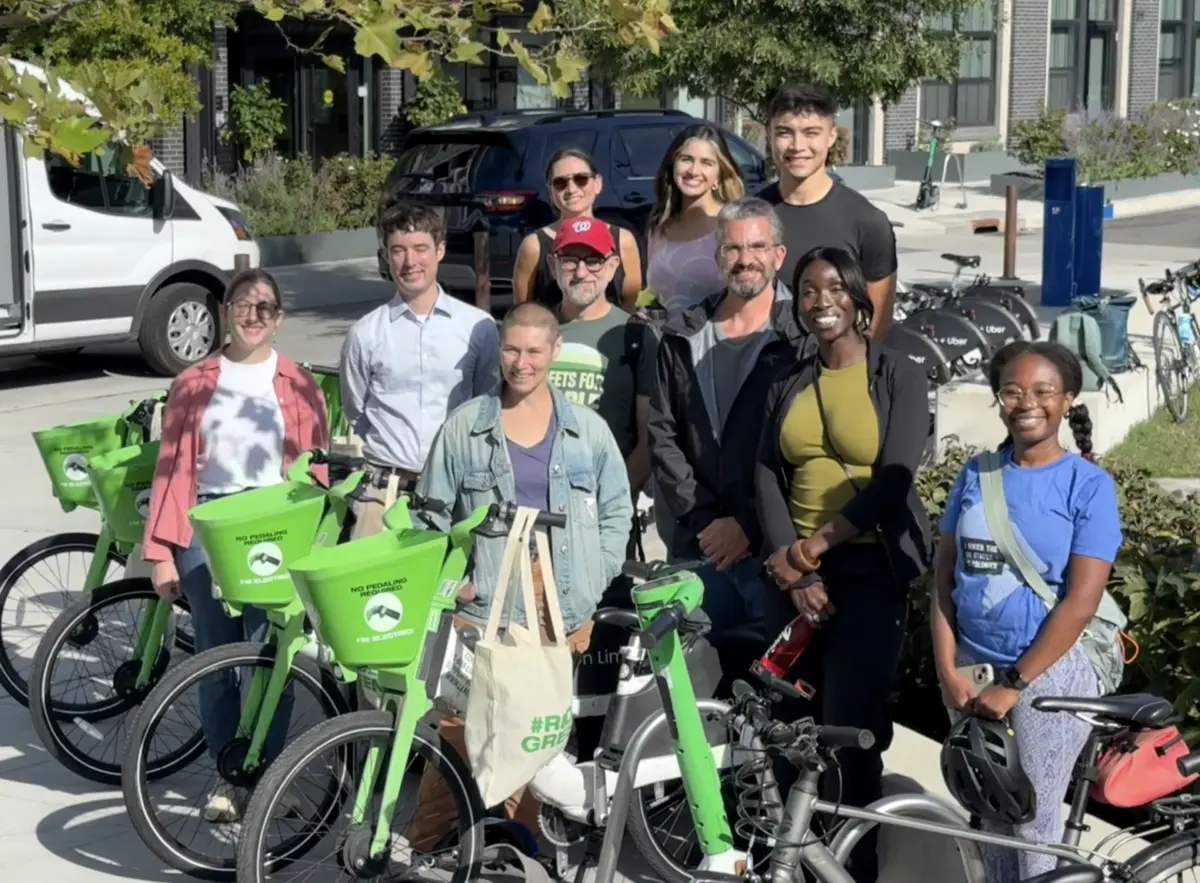
This sentiment is no longer merely a countercultural pipe dream; it is becoming a practical necessity. Initiatives like the annual Week Without Driving—highlighted by recent community ride-alongs in the nation’s capital alongside organizations like Greater Greater Washington—are bringing the invisible struggles of car-free living into the mainstream consciousness. Millions of Americans are discovering that stepping away from the driver’s seat opens the door to healthier lifestyles, stronger community connections, and a re-evaluation of how public space is utilized.
This article explores the multi-faceted movement to end car dependency in America. We will examine the chronological evolution of this shift, analyze the metrics surrounding pedestrian and transit infrastructure, review perspectives from urban mobility leaders, and project what the future holds for cities designed for people rather than automobiles.
Detailed Chronology: From Car Supremacy to the Car-Free Renaissance
To understand why the present moment is uniquely suited for a break from driving, we must trace how American transportation policy evolved and where the friction points emerged.

The Mid-20th Century: The Cementing of Car Dependency
The post-World War II era marked a definitive turning point in American geography. Propelled by the Federal-Aid Highway Act of 1956, the federal government poured billions of dollars into constructing the Interstate Highway System. Urban planners—most notably figures like Robert Moses in New York—prioritized high-speed vehicular throughput over dense, walkable neighborhoods. Historic communities were routinely sliced in half by concrete ribbons, establishing a suburban-urban dichotomy that made owning a private automobile an absolute prerequisite for socioeconomic participation.
The Late 20th to Early 21st Century: The Suburban Backlash and Gridlock
By the turn of the millennium, the unsustainable nature of perpetual highway expansion became glaringly apparent. Urban sprawl led to skyrocketing vehicle miles traveled (VMT), worsening air quality, and hours lost to daily gridlock. While transit systems in major metropolitan areas like New York, Chicago, and San Francisco maintained robust ridership, sprawling Sun Belt cities remained rigidly locked into car dependency.
The 2020s Catalyst: Pandemic Shifts and Digital Infrastructure
The COVID-19 pandemic catalyzed a radical re-examination of public space. With downtown areas temporarily emptied, cities began reclaiming streets for outdoor dining, pedestrian walkways, and micromobility options like electric bicycles and scooters. Concurrently, the rise of remote work untethered millions from the traditional five-day office commute, proving that dense, localized living was not only desirable but entirely feasible.
2026 and Beyond: Institutionalizing the Car-Free Experiment
Today, organizations like Streetsblog and regional transit advocacy groups are shifting the conversation from localized trials to systemic policy changes. Campaigns such as the Week Without Driving challenge elected officials, business leaders, and average citizens to experience their own cities through the eyes of the one-third of Americans who cannot or choose not to drive—including seniors, youth, people with disabilities, and low-income workers.
Supporting Context & Metrics: The Reality of Modern American Mobility
The pushback against car dependency is grounded in hard data regarding safety, economics, and environmental impact.
The Hidden Costs of Car Culture
- Financial Burden: According to data from AAA, the average cost of owning and operating a new vehicle in the United States has surpassed $12,000 annually. This expenditure represents a massive regressive tax on working-class households, forcing families to allocate substantial portions of their income to a depreciating asset.
- Safety Crisis: American roadways remain among the most dangerous in the developed world. Pedestrian and cyclist fatalities have climbed steadily over the past decade, driven in part by the proliferation of oversized SUVs and light trucks with massive blind spots.
- Spatial Inefficiency: Private automobiles spend roughly 95% of their lifespans parked. Yet, cities dedicate enormous swaths of valuable urban land to surface parking lots and wide multi-lane thoroughfares, starving local municipalities of tax revenue and stifling mixed-use economic development.
The Grid Design Imperative
Recent discussions in urban planning circles have focused heavily on fundamental street geometry. As highlighted in recent urban analysis, the best cities in the world feature interconnected street grids with small, highly permeable blocks. Small blocks encourage walking by shortening distances between destinations and distributing traffic evenly.

Tragically, recent decades saw cities abdicate their fundamental responsibility for street design, outsourcing this critical civic task to private developers who often prioritize automobile cul-de-sacs and inward-facing strip malls over cohesive, interconnected public networks. Reclaiming the street grid is an essential first step toward liberating communities from vehicular dominance.
Official Statements and Perspectives
The transition away from mandatory car ownership is drawing commentary from diverse corners of the policy and advocacy spectrum.
"When we ask leaders to spend a week without driving, we aren’t just playing a clever PR game. We are forcing a visceral confrontation with the physical barriers we have built into our environment. When a mayor or a city council member has to wait 25 minutes for a late bus, or navigate an intersection without a crosswalk or a curb cut, the abstract concept of ‘transit investment’ suddenly transforms into an urgent human priority."
— Regional Transit Coalition Spokesperson
Urban designers emphasize that moving away from car dependency is not about banning cars outright, but rather about restoring modal choice.
"For too long, American transportation policy has offered a false choice: drive a massive personal automobile or accept total immobility," notes a leading urban infrastructure researcher. "A mature, modern society provides seamless alternatives. Whether it is protected bike lanes, reliable and frequent bus rapid transit, or wide, shaded sidewalks, citizens should feel that choosing not to drive is safe, dignified, and efficient."
Community leaders participating in recent Washington, D.C. ride-alongs echoed these thoughts, noting that experiencing the city at street-level fosters a deeper appreciation for local commerce, neighborhood character, and the subtle barriers that isolate communities from one another.

Future Outlook: Building Cities for People, Not Pistons
Looking ahead, the movement to end car dependency stands at a critical crossroads. The convergence of climate imperatives, technological innovations in micromobility, and a cultural shift among younger generations—who are getting their driver’s licenses later and driving fewer miles than their parents did—points toward a transformative future.
Policy Pathways for the Next Decade
- Redesigning the Right-of-Way: Cities must accelerate the conversion of excess vehicular lanes into dedicated bus corridors, protected bike paths, and extended pedestrian plazas.
- Reforming Zoning Codes: Outdated minimum parking requirements must be abolished nationwide. Allowing developers to build housing without mandatory parking minimums lowers housing costs and encourages transit-oriented development.
- Equitable Transit Funding: Public transportation must be viewed as an essential public utility—akin to clean water or electricity—rather than a revenue-generating business expected to turn a profit at the turnstile. Consistent federal and state operational subsidies are required to ensure frequent, reliable service.
Conclusion
Trying a week without driving—or committing to a car-lite lifestyle permanently—is no longer just an eccentric lifestyle choice; it is an active participation in building a more resilient, equitable, and sustainable society. As communities across the United States continue to challenge the orthodoxy of asphalt and automobiles, the vision of human-scaled, vibrant, and accessible cities grows closer to reality.
Now truly is the perfect time to step out of the car, step onto the sidewalk, and help reshape the American landscape.


